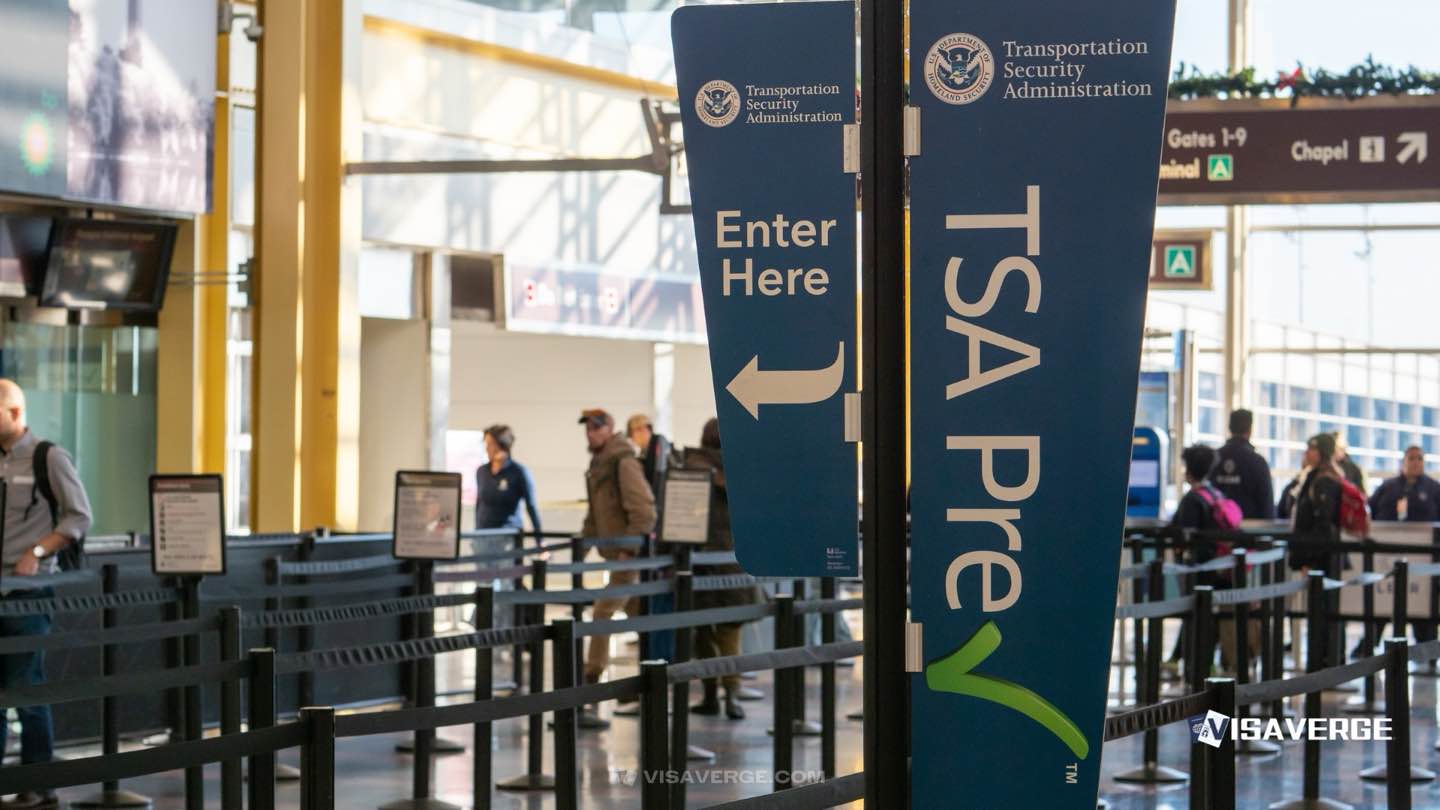
(HOUSTON, NEWARK) TSA security lines at two of the nation’s busiest hubs stretched for hours during the government shutdown, but officials and airport managers say relief should come quickly once federal paychecks resume. Houston airports saw wait times topping three hours, while Newark recorded two to three hours at peak periods, snarling morning departures and pushing some travelers to miss flights.
The agency expects a fast rebound after the shutdown ends, with a short transition as schedules settle and screeners return to regular shifts. Families with small children, elderly passengers, and connecting international travelers bore the brunt of the delays, with lines wrapping around terminals in Houston and snaking past food courts at Newark Liberty.
What caused the long lines
The strain built as Transportation Security Administration screeners worked without pay and called out at higher rates. In a statement, the TSA acknowledged that “occasional delays” were expected while officers remained unpaid and warned that:
Free toolB1/B2 Tourist Visa Stay Calculator online“the longer the shutdown goes on, the more severe the impact on our TSA workforce who have expenses they must pay for, making it harder to show up for work when not being paid.”
Supervisors pulled in overtime, called in part-time staff, and rebalanced lanes, but the measures could only do so much when absences climbed above normal levels. According to analysis by VisaVerge.com, the patchwork looked different from airport to airport, leaving some hubs overwhelmed while others moved briskly.
The uneven national picture
The uneven picture was stark. Even as Houston and Newark struggled, the average wait time on Sunday was just five minutes nationwide, according to TSA figures. That contrast shows how local staffing patterns and flight banks became make-or-break variables during the shutdown.
- Airports with steady staffing and fewer early bank departures kept lines short.
- Airports handling heavy morning waves to Europe and cross-country routes saw lines surge with each crew callout.
That meant two travelers leaving at the same hour from different cities had wildly different experiences.
How recovery should proceed
Officials say the key to restoring normal flow is pay. When the government reopens and back pay lands, callout rates typically drop fast.
- During the 2018–2019 shutdown, the TSA’s callout rate peaked around 10%—more than three times the norm—yet operations settled soon after employees received checks.
- Managers expect a similar pattern now, with the most noticeable improvement in the first few days.
Recovery steps expected:
- Crews reassign lanes and rebuild morning rosters.
- Reopen closed checkpoints and add optional lanes as staffing allows.
- Re-synchronize terminal traffic from curbside drop-offs to security and gate holds.
These actions should shorten lines at early peaks and steady the midday lull.
Important: A brief adjustment period is likely. Officers will need a day or two to reset schedules, and airports must re-synchronize terminal flows.
Traveler guidance for the reopening window
The TSA and airport officials urge travelers to prepare for the first 48 hours after reopening:
- Arrive earlier than usual for the first 48 hours.
- Families, groups, and passengers with medical equipment or pets should pad schedules even more.
- Check the MyTSA app for real-time and expected security wait updates — the app should be fully functional when the government returns to work.
The app’s checkpoint time estimates can help decide between checkpoints (for example, Terminal C’s north vs. south lanes), potentially shaving precious minutes.
How airports managed during the shutdown
Airport officials described tactics used to keep lines moving:
- In Houston: wayfinding staff and roped-off overflow corridors kept traffic flowing beyond security zones.
- In Newark: airlines sometimes held flights for late-arriving customers when feasible, though that can ripple across the day’s schedule.
“We’ve asked for patience from our customers and our employees,” one airport operations lead said, “and we think we’ll be in a better place quickly once our federal partners are paid.”
Holiday travel and staffing urgency
The push to recover comes as holiday travel demand builds, increasing urgency:
- If reopening coincides with Thanksgiving, TSA officers could face more first-time or infrequent travelers who need extra time at checkpoints.
- Restored staffing consistency matters for keeping all lanes open, including TSA PreCheck and family lanes, which are essential during big crowds.
- A stable roster reduces involuntary overtime and potential burnout.
Lessons from the last shutdown
Experts point to the 2018–2019 shutdown for precedent:
- Some airports temporarily closed checkpoints at off-peak times or merged lanes to preserve screening quality.
- Those stopgaps disappeared within days of government reopening.
If pay arrives midweek, the first full weekend could show the sharpest drop in wait times, restoring the usual rhythm of morning peaks, midday dips, and evening surges.
What travelers can do to help
Even with better staffing, passenger habits make a difference:
- Pack right and keep electronics accessible.
- Have IDs ready at the checkpoint.
Small improvements per person can add up across thousands of passengers.
Safety and service priorities
TSA leaders emphasized safety remains non-negotiable even when lines grow. Officers continued to stop prohibited items during the shutdown, and supervisors said maintaining screening standards was a point of pride.
“Security doesn’t pause,” a veteran screener noted in a message shared among staff.
Special impacts on immigrant families and students
For immigrant families and international students, delays can have outsized consequences:
- Missed long-haul flights can disrupt visa appointments or school reporting deadlines.
- Checkpoint delays can cascade into costly rebookings.
Community groups in both cities arranged volunteer guides to help non-English speakers move through terminals, providing a buffer against disrupted plans.
Outlook
As the end of the shutdown nears, the immediate test will be whether callouts fall as expected and whether lane reopenings match demand across the day. If they do, the TSA security lines that defined the shutdown should fade back to a manageable part of the airport routine.
Travelers can track conditions and checkpoint times through the MyTSA app, which the agency says will give the clearest picture of lines as operations stabilize. VisaVerge.com reports that the combination of restored pay, predictable schedules, and live wait tools points to a swift reset, with only short-lived pockets of congestion at the busiest hubs.
This Article in a Nutshell
During the government shutdown, TSA security lines stretched dramatically at some major airports: Houston saw waits over three hours and Newark had two- to three-hour peaks, while the national average remained about five minutes. Elevated callout rates occurred as screeners worked without pay; supervisors used overtime and part-time staff to cope. Officials expect rapid recovery once back pay arrives, advising travelers to arrive earlier for 48 hours and to check the MyTSA app for live wait updates.