- Distinguish between labor contract disputes and official U.S. immigration policy requirements.
- Always use current USCIS forms and check the latest fee schedules before filing.
- Monitor the Monthly Visa Bulletin to track priority dates for green card applications.
(UNITED STATES) If you came looking for a United Airlines flight attendants story, this update points in a different direction. The labor contract dispute and immigration policy are separate issues, and they should not be mixed together. That matters because workers, travelers, and families need accurate information before they act.
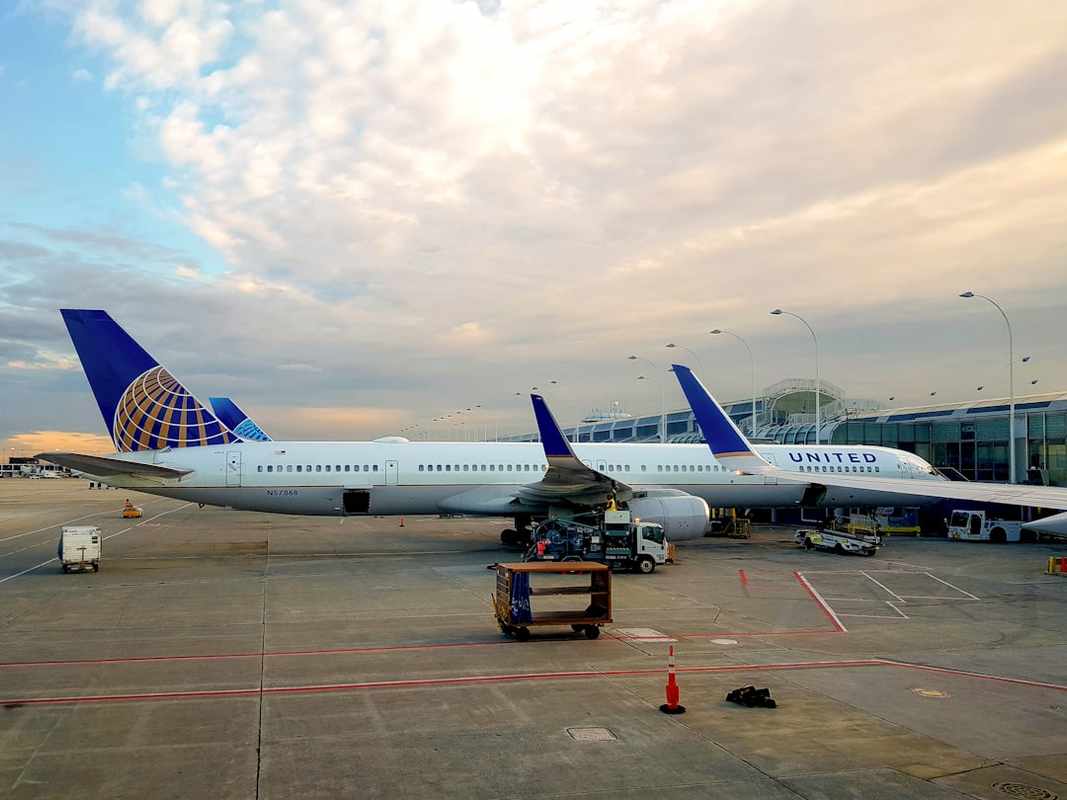
For readers following U.S. immigration, the safest approach is to rely on official government pages and current legal updates. VisaVerge.com reports that immigration rules, visa processing, and employment-based categories continue to shift in 2026, so timing and document checks matter more than headlines about a labor contract.
United Airlines flight attendants, their labor contract, and airline negotiations do not change immigration law. Still, they often affect international crews, foreign spouses, and workers who travel often. When a news item blends labor and immigration, check each claim separately. A contract vote is not a visa policy.
Free toolB1/B2 Tourist Visa Stay Calculator onlineStart with the immigration question that affects you
Before filling out any form, identify your category. The main U.S. paths now include family-based immigration, employment-based visas, student visas, humanitarian protection, and permanent residence through adjustment of status. Each path has its own rules, fees, and deadlines.
Applicants should confirm three basics first:
- Your immigration category
- Your filing location
- Your supporting documents
That simple check prevents delays. It also reduces the chance of sending the wrong form to the wrong agency.
Use official forms, not reposted screenshots
Always work from the current government version of each form. USCIS keeps the official forms and filing instructions on its website. Review the USCIS forms page before you submit anything.
Common forms include:
Form I-485for adjustment of statusForm I-130for family petitionsForm I-129for certain employer filingsForm I-765for work authorizationForm I-131for travel documents
If a form is mentioned in a news article, check the official version the same day. Fees and instructions change. Old copies cause rejection notices and lost time.
Step 1: Match your case to the right category
Immigration cases move faster when the category is clear. A student case does not follow the same path as a green card case. An employer-sponsored filing does not use the same proof as a family petition.
A simple filter helps:
- Family-based: spouse, parent, child, or sibling petitions
- Employment-based: job offer, skills, or labor certification
- Humanitarian: asylum, parole, or protection-based relief
- Temporary status: student, visitor, or worker classification
If the case sits in more than one category, choose the one that gives the strongest legal fit. One filing path should lead the case.
Step 2: Gather proof before you file
Strong applications begin with complete records. Most delays come from missing identity papers, weak relationship proof, or unclear employment records. Prepare the basic file before payment.
Common documents include:
- Passport biographic page
- Birth certificate
- Marriage certificate, if relevant
- Prior immigration notices
- Employment letter or contract
- Financial records
- Photos and identity copies
Keep every page readable. Use clean scans. Name files clearly. If an item is not in English, include a certified translation.
Step 3: Check deadlines and filing dates
Timing matters in every immigration case. Some filings depend on visa availability. Others depend on current status or expiration dates. Missing one deadline can delay work authorization, travel, or permanent residence.
Check three dates:
- Your current status end date
- The form filing deadline
- Any visa bulletin or interview date
For family and employment cases, keep an eye on the U.S. Department of State Visa Bulletin. Priority dates control many green card cases, and the bulletin changes every month.
Step 4: Pay the correct fee and keep proof
USCIS rejects many cases because the fee is wrong. The amount depends on the form and filing method. Use the current fee chart before payment, and keep the receipt.
Save these records:
- Payment confirmation
- Tracking number
- Copy of the signed form
- Full packet sent
- Delivery proof
That paper trail matters if the agency requests evidence later.
Step 5: Watch for delays that affect real life
Delays affect jobs, school, travel, and family stability. A missing receipt can freeze work authorization. A late green card filing can affect travel plans. A slow interview date can keep families apart for months.
People linked to United Airlines, flight attendants, or any labor contract issue should separate workplace news from immigration filings. A strike vote, pay dispute, or contract update does not extend visa time. Only immigration rules do that.
Common mistakes that slow cases
The same errors appear again and again:
- Using an outdated form
- Forgetting a signature
- Sending the wrong fee
- Missing a translation
- Filing before the category is ready
- Ignoring a USCIS notice
Each mistake costs time. Some cost the whole filing. A careful review before mailing avoids most of them.
Where to check official updates
Official pages give the clearest picture. USCIS explains filing steps, processing information, and form rules. The State Department publishes visa data and interview rules. Embassy pages cover local scheduling and document requirements.
Use these pages before relying on social media or workplace chatter. A labor contract story about United Airlines may draw attention, but it does not replace a visa notice.
What readers should do next
If the topic is immigration, start with the category, then the form, then the deadline. That order keeps the case organized and lowers the risk of error. If the topic is a United Airlines flight attendants labor contract, keep it separate from immigration planning. The two stories move on different tracks, and the legal rules are not the same.