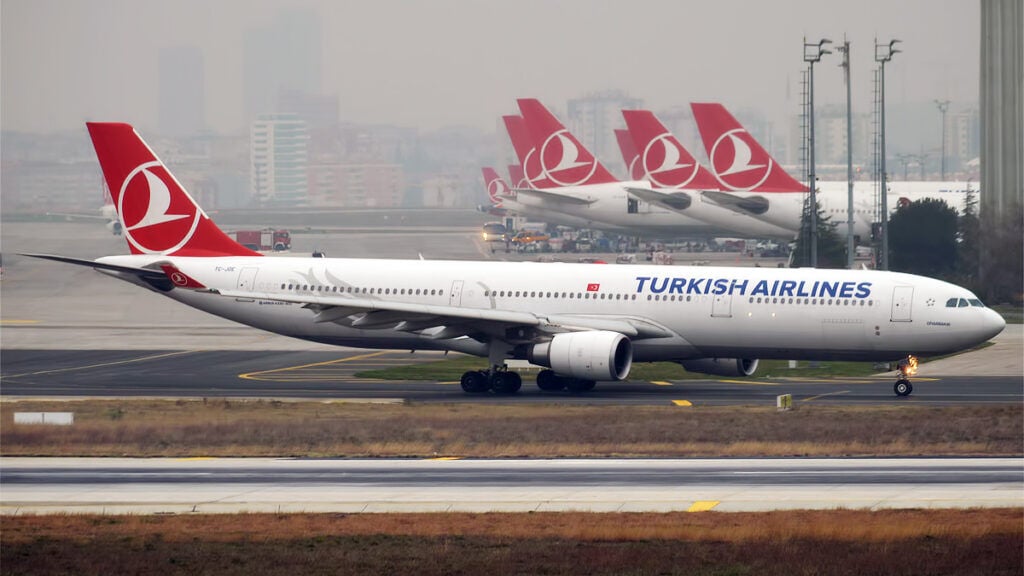
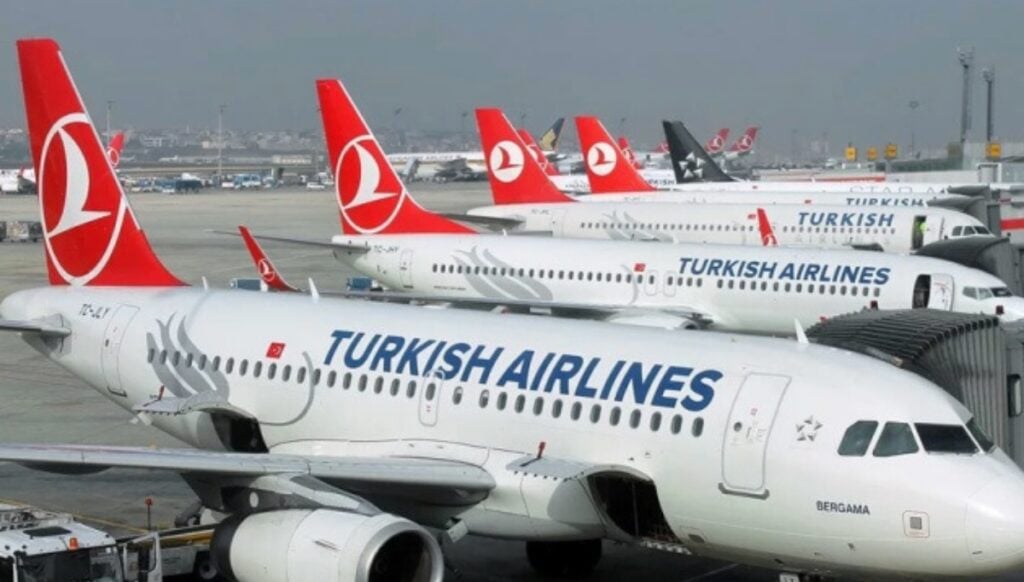
- A Turkish Airlines Boeing 777 struck a radar mast while taxiing at Antalya Airport following a flight from Istanbul.
- The collision forced an emergency evacuation of 267 passengers after the mast reportedly pierced the aircraft cabin.
- Authorities are investigating if the widebody jet took an incorrect path during the ground taxiing sequence.
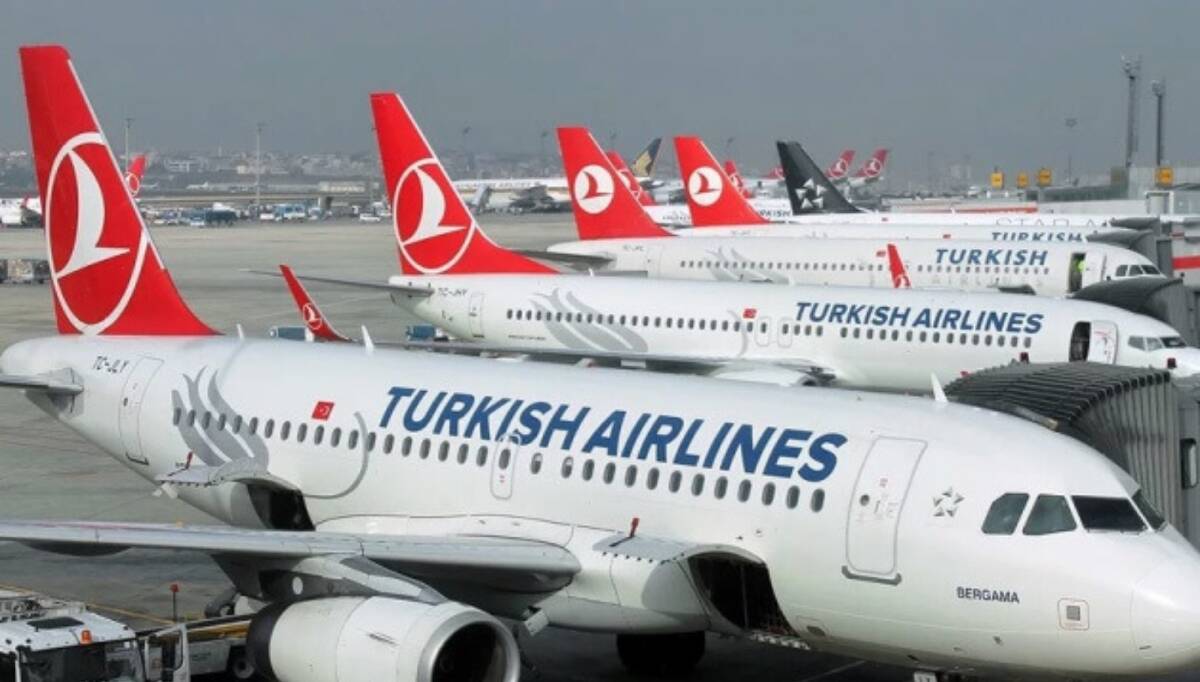
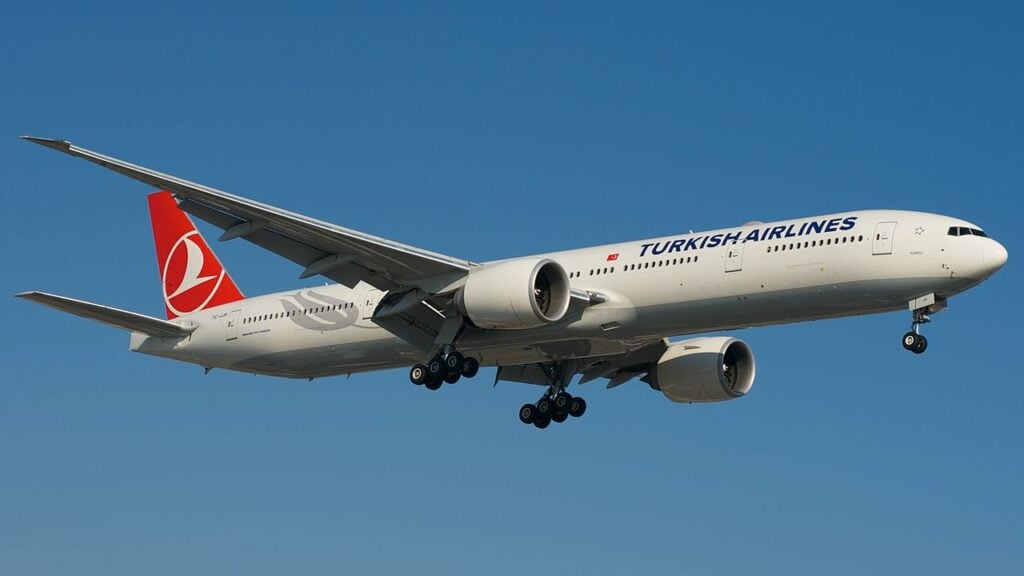
(ANTALYA AIRPORT, TURKEY) — A Turkish Airlines Boeing 777-300ER struck a ground radar mast while taxiing at Antalya Airport after arriving from Istanbul, and the aircraft was evacuated after the impact. Coverage of the incident reported 267 passengers on board.
The jet’s right wing tip hit the radar installation during the taxi sequence, according to aviation-safety reporting on the event. One account says the aircraft turned down the wrong path before the strike. Another described the mast as piercing the cabin after the collision.
| Detail | Information |
|---|---|
| Airline | Turkish Airlines |
| Aircraft | Boeing 777-300ER |
| Route | Istanbul to Antalya |
| Airport | Antalya Airport |
| Reported passengers | 267 |
| Phase of flight | Taxiing after landing |
The aircraft was operating one of Turkish Airlines’ long-haul-capable widebody jets, even though the flight itself was a domestic run. The Boeing 777-300ER is usually associated with high-density seating and long international sectors, not a ground collision after landing. Turkish Airlines uses the type across major trunk routes, and it remains one of the carrier’s most recognizable aircraft in the fleet.
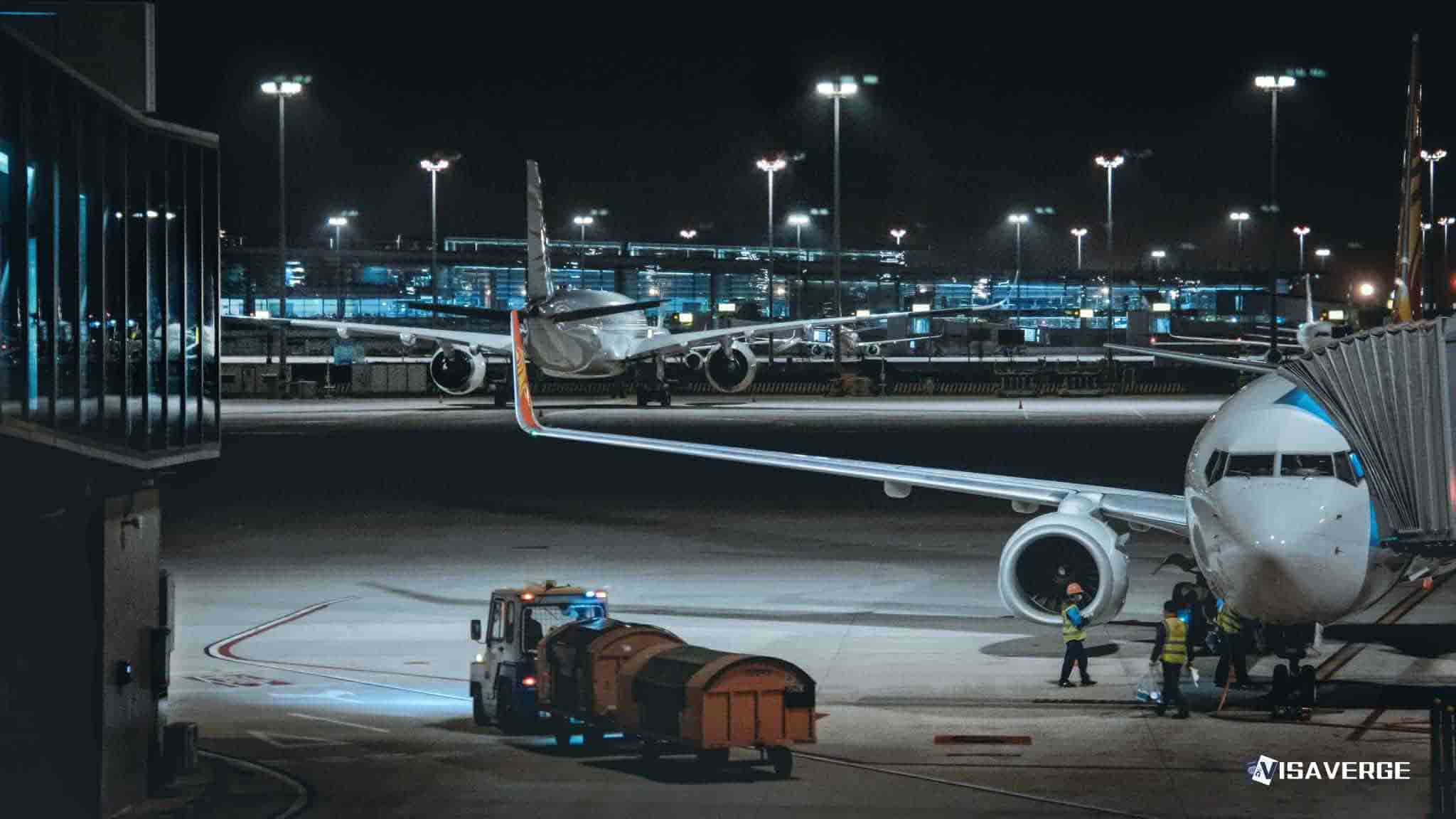
Antalya Airport is one of Turkey’s busiest tourism gateways, with heavy seasonal traffic and frequent turns between arriving and departing aircraft. Taxi procedures there are tightly sequenced, especially during peak summer periods, when congestion can push ground operations to the limit. An incident during the taxi phase puts the focus on ramp layout, signage, and aircraft guidance on the apron.
The reported sequence was brief but serious. The wing tip clipped a radar mast or antenna setup, and the structure then penetrated part of the cabin area, according to the accounts circulating from the event. The wrong-path claim has not been independently confirmed in the material made available, but it matches the kind of ground-navigation error that can happen when a large jet is routed onto an incorrect taxi line or turn.
Evacuation followed after the collision, with passengers removed from the aircraft after the strike. The reported count of 267 passengers places this firmly in the category of a full-cabin disruption rather than an isolated maintenance incident.
That passenger load also tells its own story. A widebody jet can carry far more people than the narrowbody aircraft that handle many domestic European and Turkish routes, which means any ground incident on a Boeing 777-300ER carries a larger operational and safety burden.
Flight details such as the exact flight number, aircraft registration, and the minute-by-minute chronology are being cited in aviation-safety reporting on the event. The time of the incident was not specified in the excerpt provided, so the sequence here remains limited to the landing and taxi phase at Antalya.
Those missing identifiers matter because they determine the aircraft’s maintenance history, the crew assignment, and the route’s original schedule. They also decide whether the jet can be swapped quickly or pulled from service for inspection, which affects same-day passengers and onward connections.
The incident arrives at a moment when Turkish Airlines continues to lean on a broad network and a mixed fleet that includes both widebodies and narrowbodies across dense leisure and business markets. Antalya sits at the center of that traffic pattern, especially in summer, when aircraft movements stack up and ground handling has less room for error.
Frequent flyers watching the event for practical reasons will care less about the radar mast itself than about the operational fallout. A widebody evacuation usually means delays, rebooking, and possible aircraft substitution, all of which can ripple into loyalty-account activity if a ticket is reissued or rerouted. Mileage credit depends on the new flight coupon, not the original disrupted schedule, so any rebooking should be checked line by line once the new itinerary is issued.
A damage event of this kind can also affect award travelers and status runners in a less visible way. If a replacement flight moves onto a different fare bucket, the miles earned, elite-qualifying credit, and seat assignment can change with it. Turkish Airlines’ own program and partner bookings handle irregular operations differently, so passengers whose trips were interrupted should keep every boarding pass and revised itinerary until the trip is closed out.
The comparison with other major carriers is straightforward. Large international airlines routinely run widebody aircraft on dense domestic or regional sectors, but most gate and taxi incidents happen on the ground, where visibility, markings, and routing matter more than cabin product. The aircraft type does not make the event rare; the size of the jet makes the consequences more visible.
Passengers booked on future Turkish Airlines flights through Antalya should watch for any operational delay notices tied to the aircraft involved in the incident, and check whether their own itinerary is scheduled on a widebody rotation. If a change appears in the booking, re-check seat selection and mileage credit before travel, especially on tickets that connect onward to another Turkish Airlines flight.