


- Adults 18+ must present REAL ID-compliant identification for all domestic US commercial flights.
- Travelers without compliant IDs may use the TSA ConfirmID backup for a forty-five-dollar fee.
- Acceptable alternatives include valid passports and green cards for immigrants and permanent residents.
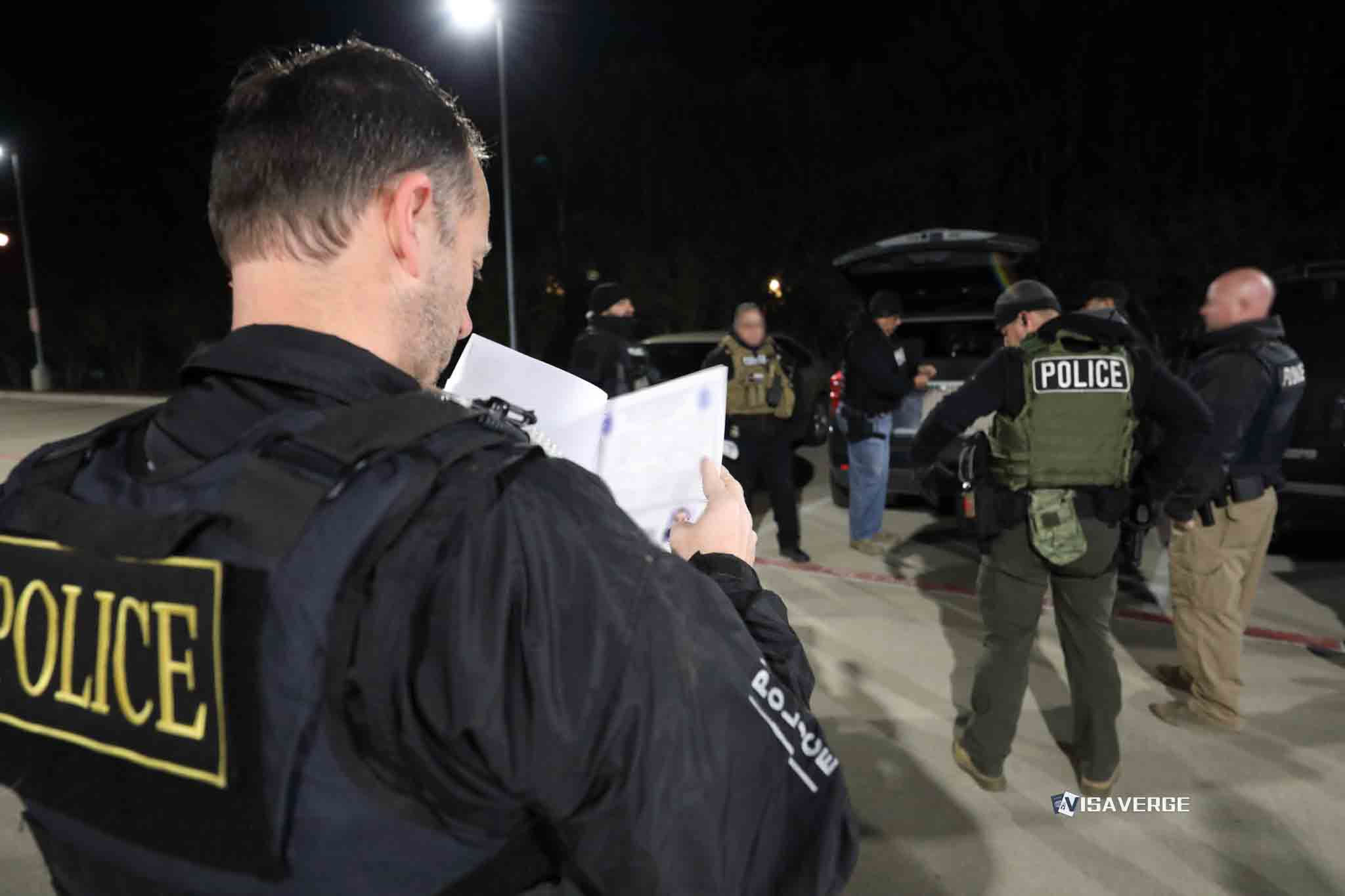
As of March 2026, adults 18 and older need a REAL ID-compliant card or another approved document to board domestic commercial flights in the United States ??. TSA began full enforcement on May 7, 2025, and the rule now applies at every major airport checkpoint.
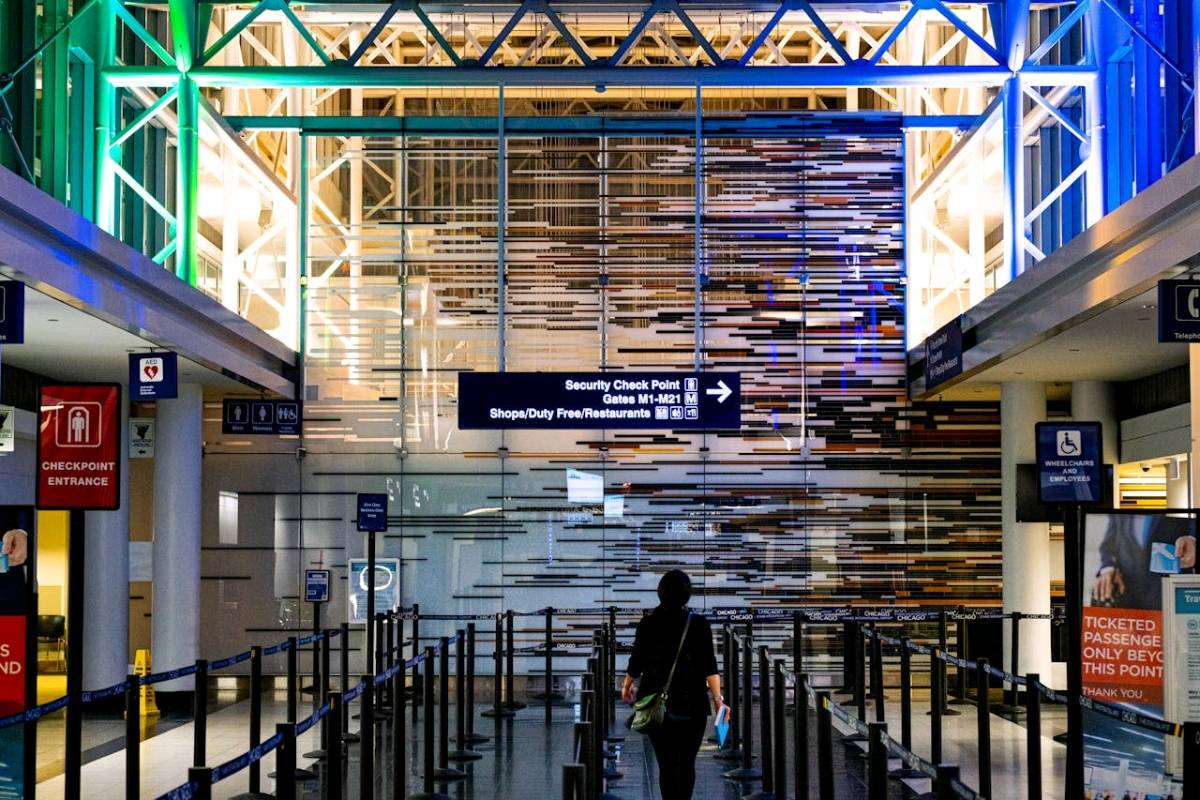
That matters for immigrants, permanent residents, students, and visitors as much as for U.S. citizens. A green card, valid passport, or certain federal documents still work. A non-compliant driver’s license does not.
The change grew out of the REAL ID Act of 2005, which set federal security standards for state-issued IDs after years of delays and deadline extensions. By early 2026, 94% of travelers nationwide were presenting acceptable identification, but that still left thousands of people arriving at airports without the right card.
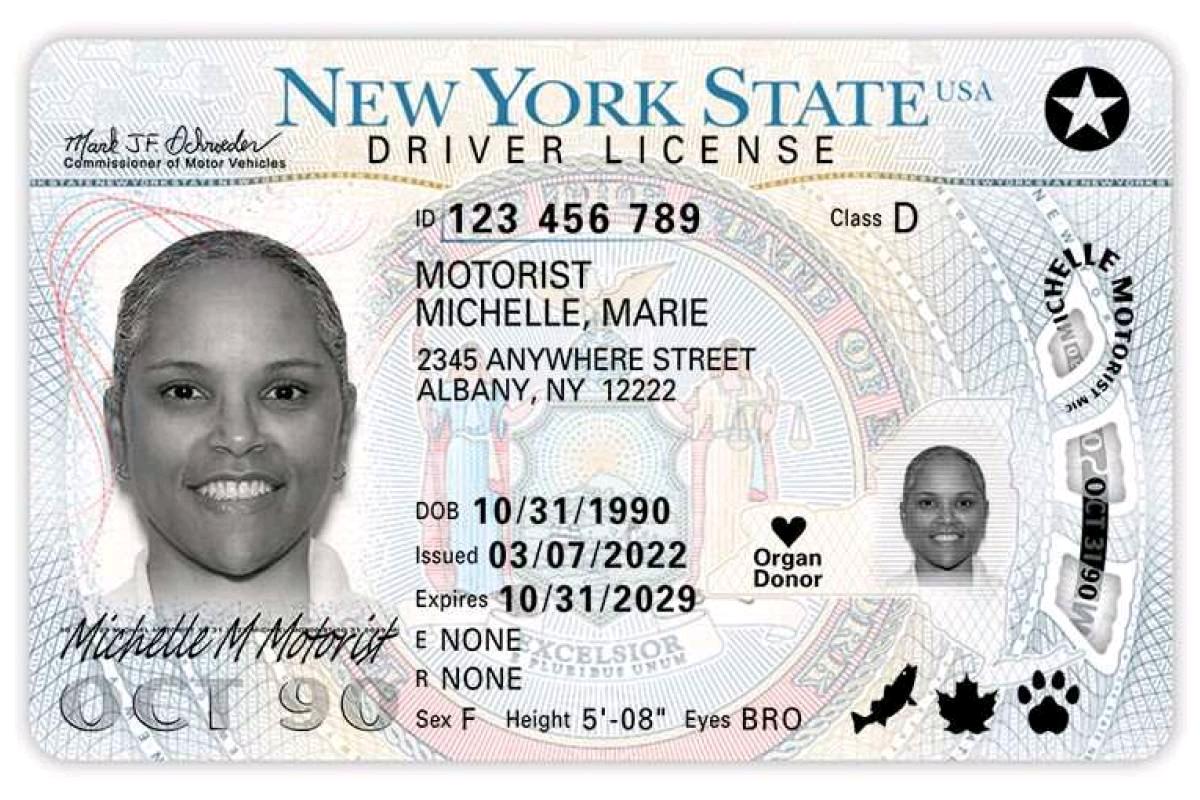
Free toolB1/B2 Tourist Visa Stay Calculator onlineStates, territories, and the District of Columbia now issue REAL ID-compliant cards. Most carry a gold star in the upper right corner. Some enhanced licenses use a U.S. flag instead. Travelers should check the physical card, not just the renewal date, because a current license can still fail at TSA if it is not compliant.
Documents TSA accepts at the checkpoint
TSA accepts more than 20 forms of identification, but all must be unexpired. The fastest way to avoid trouble is to travel with one of the standard federal documents TSA already recognizes.
Acceptable IDs include:
- REAL ID-compliant driver’s licenses or state IDs
- Enhanced Driver’s Licenses from participating states
- U.S. passports and passport cards
- Permanent Resident Cards (
Form I-551) - Employment Authorization Documents (
Form I-766) - Global Entry, NEXUS, SENTRI, and FAST cards
- U.S. Department of Defense IDs
- TWIC, HSPD-12 PIV, VHIC, and Merchant Mariner credentials
- Federally recognized Tribal photo IDs
- Valid foreign passports
- Canadian provincial driver’s licenses
- Border Crossing Cards for eligible Mexican citizens
TSA also accepts enhanced licenses from states such as Michigan, Minnesota, New York, Vermont, and Washington. Those cards are useful for some border crossings too. Digital wallet pilots for IDs are expanding, but travelers should still carry the physical card.
Children under 18 do not need identification when traveling with an adult. Airlines can still apply separate rules for unaccompanied minors.
For immigrants, the practical rule is simple. If you have a valid passport, green card, or EAD, that usually solves the checkpoint problem. If you rely on a state license, it should be REAL ID-compliant.
What TSA ConfirmID does, and what it does not do
On February 1, 2026, TSA launched TSA ConfirmID for travelers who show up without compliant identification. It is a backup screening process, not a replacement for REAL ID.
The process starts online through TSA’s REAL ID page and the federal payment portal at pay.gov. Travelers pay a $45 non-refundable fee and receive a receipt that stays valid for 10 days. That receipt can be used more than once during that window.
At the airport, TSA may also direct unprepared travelers to complete payment on site. That usually means a delay of 30 minutes or more. TSA warns that verification is not guaranteed. If identity cannot be confirmed, the traveler does not fly.
The system is especially harsh on people who arrive after check-in with an expired license or the wrong document. ConfirmID helps reduce outright denials, but it does not make the checkpoint smooth. PreCheck passengers must pay in advance if they need it, and the fee is not reimbursed for official Department of Defense travel.
According to analysis by VisaVerge.com, ConfirmID is best treated as an emergency fallback, not a travel strategy. The article’s warning is straightforward: the new process keeps airports moving, but it also creates a new layer of cost and stress for anyone who is not ready.
Getting compliant before your next flight
Travelers who still need a compliant card should act before the next trip, not the night before. DMV appointments can take time, and many states ask for more than one document.
A practical checklist looks like this:
- Check the card you already carry. Look for the star or other compliant mark.
- Apply at your DMV or approved office. Bring proof of identity, Social Security number, address, and immigration documents if required.
- Keep a passport ready. It is the easiest alternate ID for domestic flights.
- Use ConfirmID only if needed. Pay early if you know you will not have compliant ID.
- Add extra time at the airport. If you expect a screening problem, arrive 1 to 2 hours early.
- Save airline rebooking rules. Fare changes and no-show penalties can turn one missed flight into a much bigger expense.
For immigrants, the document path depends on status. Permanent residents can use a green card or apply for a REAL ID at the DMV with lawful presence documents. Temporary visitors and visa holders should travel with a valid passport. Undocumented travelers do not have access to a compliant state ID in most cases, which makes domestic air travel harder and riskier.
REAL ID rules reflect a security system built after 9/11, but the human effect is immediate. A missing star can mean a missed work trip, a canceled family visit, or a non-refundable ticket lost at the checkpoint. Airlines and airports have spent the last year pushing reminders because the cost of forgetting is now very real.
The cleaner solution is still the same: carry a REAL ID-compliant card or one of TSA’s accepted alternatives, and keep an eye on expiration dates before travel day arrives.




I lost my wallet. I can’t get an appointment until 8/6/25. I have flights booked for May and July. Can I still use TSA Form 415
Hey there! Sorry to hear about your lost wallet. Unfortunately, after May 7, 2025, TSA’s rules are pretty strict. You’ll need a REAL ID or another approved ID like a U.S. passport to fly domestically. The TSA Form 415 process is more limited after this date, so it’s not something you can fully rely on to get through security. You may want to reach Airport 3-4 hours earlier, as TSA might take time to verify your information since you have no valid I.D with you.
I suggest reaching out to your DMV or passport office about speeding up your ID replacement. Often, they have expedited services that might help before your flights in May and July. It could save you a lot of stress at the airport. Safe travels! ?
Thank you for the information. I am a retired military person. May I use my retired DOD identification card as an alternative id to fly domestically?
Hi there! Absolutely, you can use your retired DoD identification card for domestic flights within the U.S. The TSA accepts all DoD-issued IDs, including retiree IDs, as a valid form of identification at the airport. Just make sure your card is current and not expired, as expired IDs won’t be accepted after May 7, 2025. If you’re planning any international trips, remember that you’ll still need a valid U.S. passport. Safe travels, and thank you for your service! ?✈️