- Pakistan will end cash passport payments nationwide starting July first, twenty twenty-six, requiring digital transactions.
- Applicants must scan a QR code on their tokens using mobile banking apps to complete fees.
- Payments via National Bank branches will be permanently discontinued after the June thirtieth deadline.
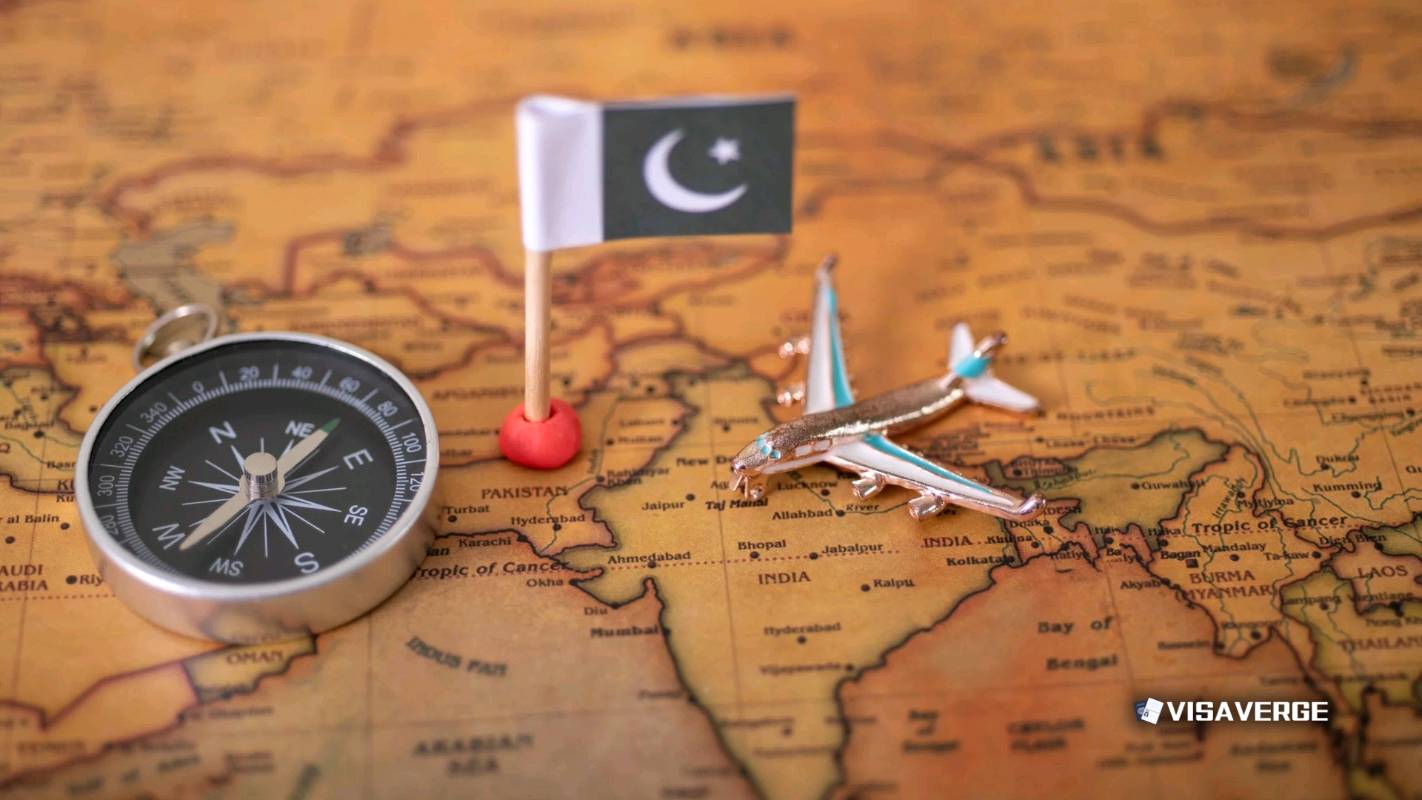
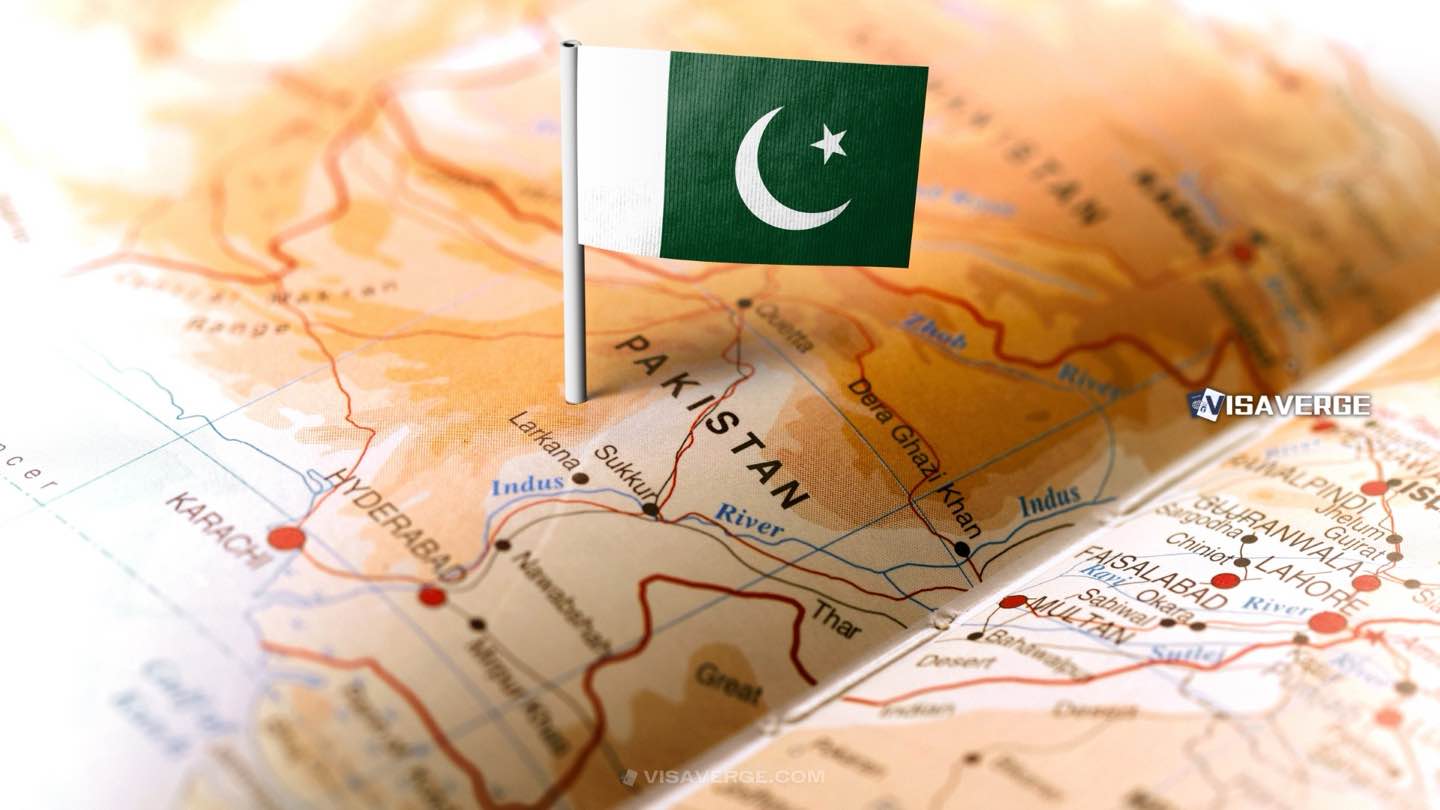
(PAKISTAN) — Pakistan will stop accepting cash for passport fees at offices nationwide on July 1, 2026, shifting all collections to digital payments and ending a long-used in-person payment routine for applicants.
Authorities will also end passport fee payments through National Bank branches after June 30, 2026. From the next day, applicants must pay by scanning a QR code printed on the token through a banking app.
The change applies across passport offices and replaces both cash counters and the bank-branch channel tied to passport fee collection. Mobile payment options named in the announcement include JazzCash, EasyPaisa, and other mobile banking apps.
Free toolSchengen Short-Stay Visa CalculatorThat marks a clean cutoff between the old and new systems. Cash remains usable only until June 30, 2026; from July 1, 2026, applicants who arrive with paper currency instead of a funded app will not be able to complete the payment step at the passport office.
Passport processing often begins with fee payment, making the rule change one of the most immediate procedural shifts facing people applying for new passports or related services after the deadline. Anyone planning travel that depends on a valid passport, including visa-related travel, now faces a different first step before an application can move ahead.
Under the new method, the payment process centers on the token issued during the passport office visit. Applicants must use the QR code printed on the token to make the payment digitally rather than carrying cash to the office or going to one of the National Bank branches that handled those transactions before the cutoff.
Officials framed the move around three aims: faster processing, greater transparency, and reduced reliance on agents. Each goal points to a different part of the old process, where cash handling, separate bank visits, and outside intermediaries could add steps between the applicant and the passport office.
Faster processing suggests a shorter payment chain. Instead of leaving the office to deposit a fee or queueing with cash, applicants will complete the transaction through a mobile app tied directly to the token generated for the application.
Transparency goes to recordkeeping. A digital payment linked to a token and completed by scan creates a traceable transaction path that is harder to blur than cash handed over at a counter.
The reference to agents addresses another pressure point in passport applications. By moving the fee process to a scan-and-pay model, the system aims to reduce the space for middlemen who often insert themselves where procedures feel unclear or time-consuming.
People planning applications after July 1, 2026 need to arrive prepared for a digital payment, not a cash one. That means having a mobile banking app installed and funded before reaching the payment stage.
JazzCash and EasyPaisa are specifically identified as acceptable payment tools, and the change also allows use of another mobile banking app. The operative requirement is not a particular brand but the ability to scan the QR code printed on the token and complete the fee payment digitally.
That practical adjustment will matter most at the point of service. An applicant who appears at a passport office with the required documents but without access to a working app, enough balance, or a phone ready to scan will face a direct obstacle that did not exist under the cash model.
Applicants who relied on nearby National Bank branches will also have to change their routine. After June 30, 2026, the branch option disappears from the process, removing a familiar payment route that many people used before entering the passport office workflow.
The timing is especially relevant for people trying to line up passports with visa plans, overseas travel, or other identity-related deadlines. A missed or delayed fee payment can slow the start of a passport application, and after July 1, 2026 the system will accept only digital completion of that step.
Pakistan’s shift reflects a broader administrative move inside the passport system itself, not a change to passport eligibility or document requirements. The rule affects how fees are paid: cash at passport offices ends, payments through National Bank branches end after June 30, 2026, and digital scanning through a token-linked QR code becomes the required route.
By the time offices open under the new rules on July 1, 2026, the message for applicants is narrow and concrete: bring a charged phone, a funded mobile banking app, and be ready to scan the QR code printed on the token if the passport application is to move forward that day.