- India officially increased passport application fees starting July first, twenty twenty-six, raising the standard book to twenty-five hundred rupees.
- The United States proposes doubling naturalization costs for Form N-four hundred, potentially reaching thirteen hundred and thirty dollars.
- New administrative rules eliminate most fee waivers for low-income applicants seeking United States citizenship under the proposed DHS changes.
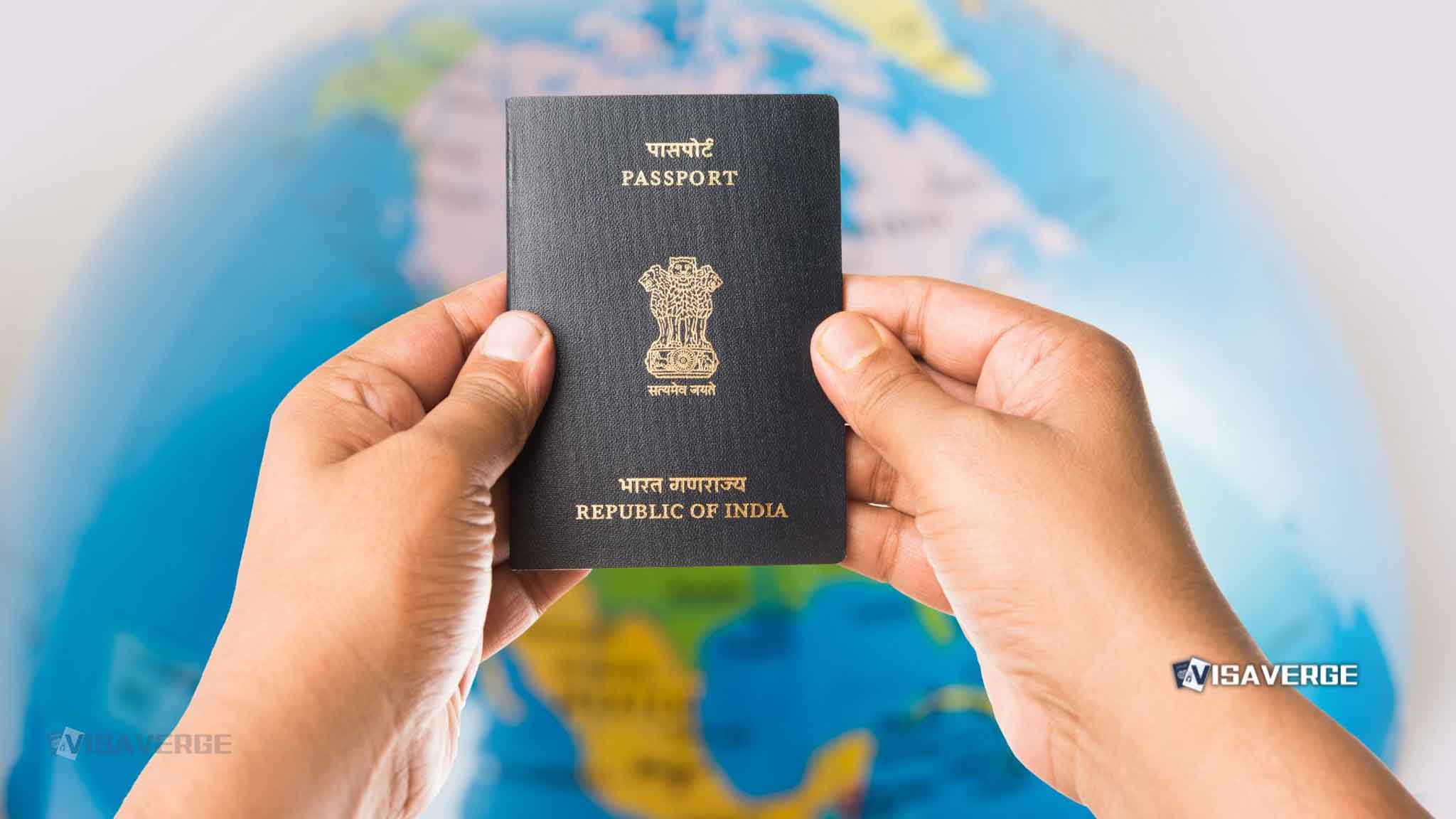
(INDIA) — The Indian Ministry of External Affairs put a revised passport application fee into effect on July 1, 2026, raising the charge for a standard 36-page passport to ₹2,500 under the Passports (Amendment) Rules, 2026.
The new schedule also fixes the fee for a standard 60-page passport at ₹3,500, sets the total charge for Tatkal service at ₹6,000, and places the replacement fee for a lost or damaged 36-page passport at ₹5,000.

The change gives effect to the headline phrase, “Revised passport application fee comes into effect from today,” which Indian government channels used for the rollout. It also lands amid a broader run of fee increases and proposed increases affecting passports, citizenship filings, and immigration benefits in the United States.
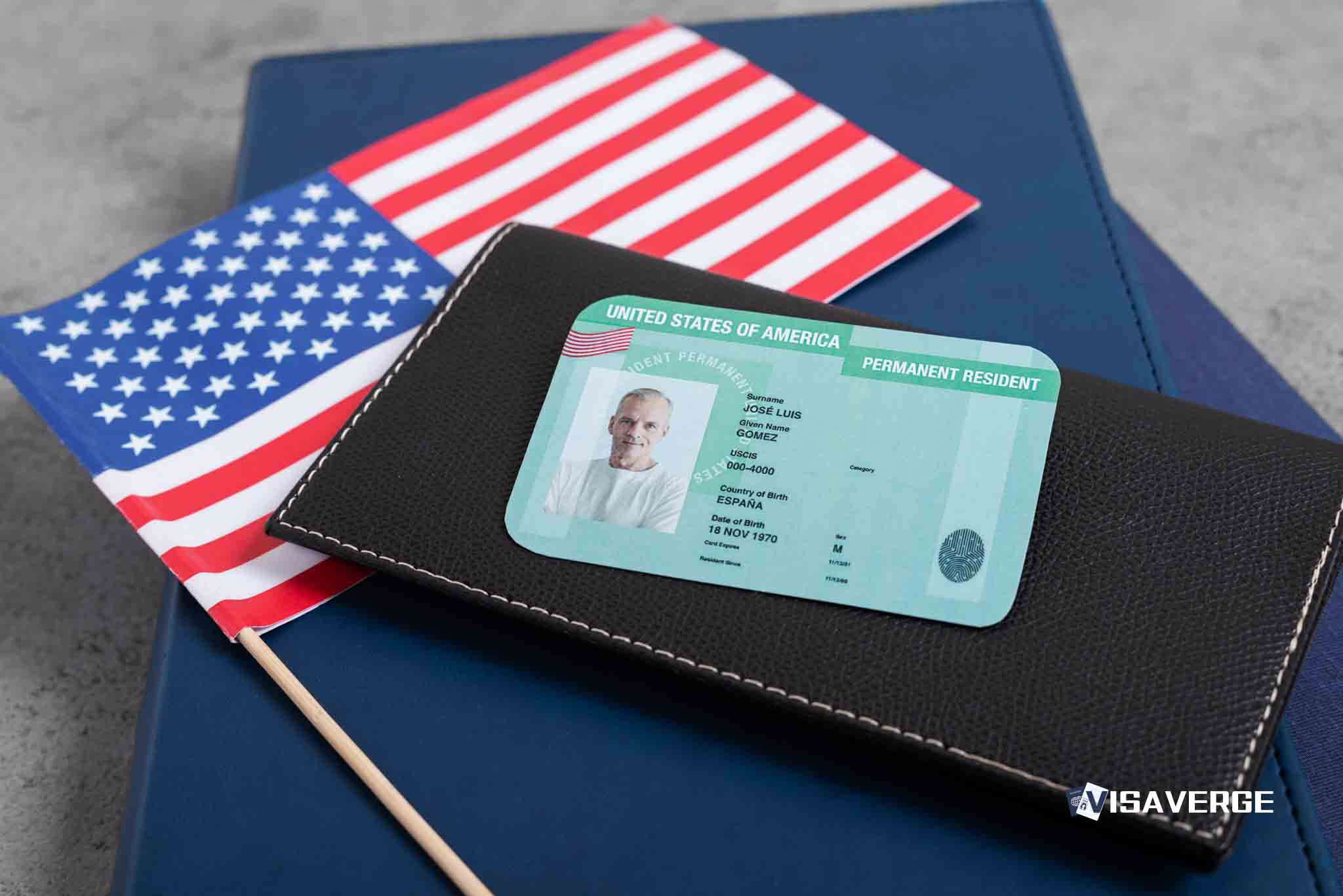
Free toolREAL ID Requirements Checker toolOn the U.S. side, the Department of Homeland Security published a Notice of Proposed Rulemaking on June 23, 2026 that would sharply raise the cost of filing Form N-400, the application for naturalization. The proposal sets a paper filing fee of $1,330, up from $760, and an online filing fee of $1,280, up from $710.
DHS also proposes to end the $380 reduced-fee option and eliminate most income-based fee waivers. In the notice, DHS said: “Although DHS has historically limited the fees for [naturalization] to fulfill previous administrations’ priorities of encouraging naturalization, DHS no longer believes naturalization benefit requests should get lower fees at the potential expense of other immigration benefits.”
| India | China | ROW | |
|---|---|---|---|
| EB-1 | Feb 01, 2023 ▲109d | Jul 01, 2023 | Current |
| EB-2 | Nov 01, 2013 | Oct 01, 2021 ▲30d | Jan 01, 2025 |
| EB-3 | Jan 01, 2014 | Jan 08, 2022 ▲7d | May 15, 2024 ▼109d |
| F-1 | Jan 22, 2020 | Jan 22, 2020 | Jan 22, 2020 |
| F-2A | Sep 22, 2026 ▲31d | Sep 22, 2026 ▲31d | Sep 22, 2026 ▲31d |
Although DHS has historically limited the fees for [naturalization] to fulfill previous administrations’ priorities of encouraging naturalization, DHS no longer believes naturalization benefit requests should get lower fees at the potential expense of other immigration benefits.
The U.S. Department of State made a narrower change. Effective June 28, 2026, it raised the 1-2 day return delivery fee for passports to $23.36 from $22.05, while leaving the base fee for an adult passport renewal at $130 and the first-time adult application fee at $165, including the $35 execution fee.
U.S. Citizenship and Immigration Services had already moved on another front. On May 29, 2026, fee changes took effect under the H.R. 1 Reconciliation Act, including a new annual fee for pending asylum applications and revised fees for initial and renewal employment authorization document filings under Form I-765 for certain categories.
USCIS paired those changes with a direct warning on filings sent with outdated payment amounts. The agency said that “applications postmarked on or after May 29, 2026, without the proper revised fee will be rejected.”
Taken together, the moves show very different fee changes in scale. India’s 36-page passport fee rises by about 66% to ₹2,500. The proposed U.S. citizenship paper filing fee rises by about 75% to $1,330. The U.S. passport shipping adjustment is much smaller, moving to $23.36 as an added delivery charge rather than a change in the core passport fee.
The Indian revision affects one of the most common travel and identity documents issued by the government. A passport fee change reaches fresh applicants and those seeking reissue, while the Tatkal rate matters for people facing compressed travel timelines, urgent documentation needs, or visa processing deadlines that depend on a valid passport book.
That timing matters in practical terms because a passport often sits at the center of other documentation chains. Fresh visa applications, renewals, overseas study plans, work permits, and foreign residence formalities usually begin with passport validity. A higher upfront passport fee therefore raises the entry cost before any consular or visa charges appear.
In the United States, the fee debate centers less on travel documents and more on immigration status and citizenship. Naturalization applicants use Form N-400 to seek U.S. citizenship after meeting residence and other statutory requirements, and the proposed increase would raise the cost of filing by hundreds of dollars even before related expenses such as document gathering, legal help, or travel to appointments enter the picture.
DHS framed the naturalization proposal as a policy shift away from lower fees for that benefit. The department’s language points to a beneficiary-pays model, with the applicant carrying more of the direct adjudication and vetting cost instead of having the filing subsidized through the broader fee structure.
That model carries different weight depending on the document involved. A modest change in passport return shipping adds $1.31 to an optional service. A jump from $760 to $1,330 for a paper naturalization filing changes the threshold for people deciding whether they can afford to apply at all.
Low-income applicants sit closest to that threshold. The proposed end of the reduced-fee route and most income-based waivers would remove options that have helped some lawful permanent residents file for citizenship despite limited savings or unstable income.
USCIS fee changes that took effect in May carry a similar practical consequence, though in different immigration categories. When the agency says it will reject applications postmarked on or after May 29, 2026 without the proper revised fee, the issue is not simply a higher bill. A rejected filing can disrupt work authorization timing, extend uncertainty, and force applicants to resubmit with the correct payment.
The revised EAD charges touch people whose ability to work lawfully depends on getting an approval and card on time. The new annual fee for pending asylum applications places another recurring cost on applicants already in a lengthy process, adding to the stack of expenses attached to maintaining an active case.
Governments on both sides cited rising administrative costs and inflation as drivers for 2026 adjustments. In India, that explanation now translates into a higher passport charge starting July 1, 2026. In the United States, the State Department has already applied a smaller increase to expedited return delivery, while DHS has opened a much larger debate over who should bear the cost of naturalization processing.
The contrast is sharp in the numbers themselves. India’s revised passport application fee raises the standard 36-page book to ₹2,500 and the 60-page book to ₹3,500. The U.S. passport renewal base fee remains $130. The most aggressive proposed jump sits with Form N-400, where paper filing would move to $1,330 and online filing to $1,280.
Those figures also show how fee policy can serve different administrative goals. Passport authorities may seek to recover printing, processing, and service costs tied to a high-volume document. Immigration agencies can also use fee schedules to redistribute costs across benefit types, reduce internal cross-subsidies, or shift more of the burden directly onto applicants for specific benefits such as citizenship.
People dealing with cross-border paperwork often encounter these charges in sequence rather than isolation. An Indian national seeking a new passport may then face visa fees from another country. A U.S. lawful permanent resident preparing a naturalization filing may also need passport records, identity documents, travel history, and fee payments for related immigration benefits. Each increase lands inside a larger chain of required paperwork.
The latest Indian change is already in force. The U.S. passport shipping increase is already in force. The naturalization increase has not taken effect and remains a proposal published on June 23, 2026, but the size of the increase and the proposed removal of fee relief place it at the center of the current fee debate.
What began in India as a revised passport application fee effective today now sits inside a wider pattern: governments are collecting more from applicants for passports, immigration filings, and document handling, with the heaviest burden falling where the fee is mandatory, the benefit is life-shaping, and the chance to seek a waiver is disappearing.