- Children aged 10 to 17 can now use UK passport eGates when accompanied by an adult traveler.
- Eligible travelers must possess a valid biometric passport and meet specific nationality or immigration requirements.
- Families should carry supporting relationship documents like birth certificates to prevent border processing delays.
(UNITED KINGDOM) Children aged 10 and older can now use UK passport e-gates if they hold a passport with the biometric symbol and travel with an adult. The rule covers the UK’s 270+ eGates at 15 air and rail ports, giving many families a faster route through border control.
The change matters most for parents, guardians, and children who arrive in busy airports or rail terminals after long journeys. It also matters for travelers who already qualify through nationality or immigration status, including members of the Registered Traveller Service.
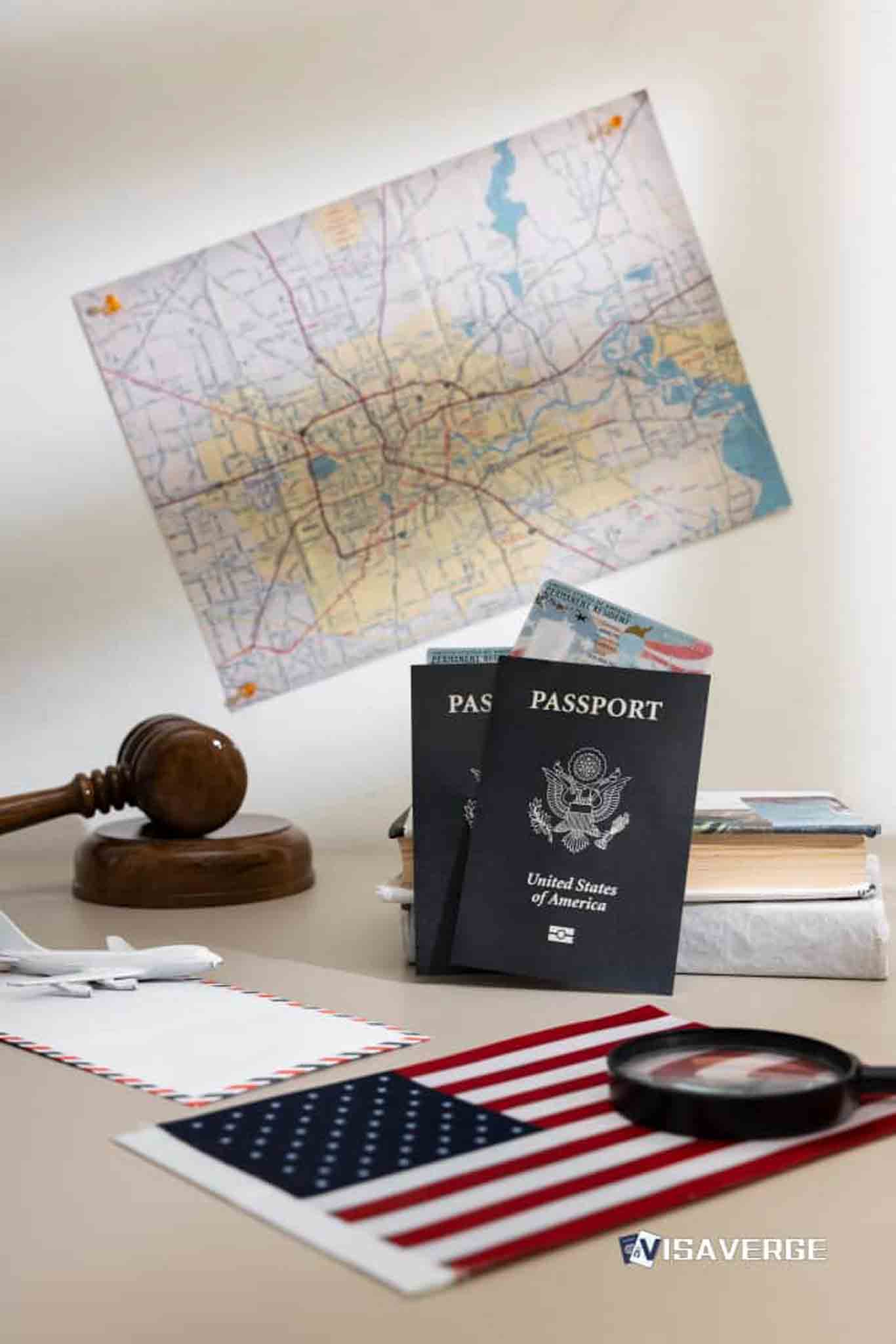
Faster entry for children at the border
UK Border Force says children aged 10 and above may use passport e-gates when they meet the nationality or status rules and hold a passport with the rectangular camera icon on the cover. That biometric symbol tells officers the passport contains the data needed for automated checks.
The system is available at 15 air and rail ports across the country. Families using it often move through the border more quickly than those waiting for manual inspection. Still, the process only works for eligible travelers who meet every rule before reaching the gate.
Eligible travelers include British citizens; nationals of EU countries; and nationals of Australia, Canada, Iceland, Japan, Liechtenstein, New Zealand, Norway, Singapore, South Korea, Switzerland, and the USA. Members of the Registered Traveller Service also qualify.
Age rules that still apply
Children under 10 cannot use passport e-gates. They must see a Border Force officer, who will stamp the passport manually.
Children aged 10 to 17 can use eGates, but they must be accompanied by an adult. They cannot pass through alone. That rule remains in force, and UK government guidance shows no recent expansion for younger children or additional nationalities.
VisaVerge.com reports that the current framework is still narrow by design. The goal is speed for low-risk passengers, not a broad opening for every child traveler.
For families, that means planning ahead before landing. A child who looks eligible at first glance still needs the right passport, the right nationality or status, and the right adult at the airport or rail terminal.
Documents families should carry
When a child under 18 travels with someone who is not clearly the parent, border officers may ask for proof of the relationship and permission to travel. Carry these documents in hand luggage, not in checked bags:
- Birth certificate or adoption certificate showing the relationship
- Marriage or divorce certificate if the surname does not match
- A letter from the parent or parents authorizing travel, with contact details
These papers help if questions arise at the border. They also reduce delays if the family is sent to a Border Force officer for extra checks.
If a child uses an eGate incorrectly, the family should speak to a Border Force officer before leaving the port. That step matters because the child may still need a passport stamp to complete entry properly.
ID cards and passport limits
eGates do not accept ID cards. They accept passports only. That rule applies to EEA and Swiss ID cards as well, which cannot be used with the automated gates.
There is one narrow exception for Swiss nationals with a Service Provider from Switzerland visa. They may use ID cards only until December 31, 2025. After that date, the normal passport-only rule applies.
For families used to traveling within Europe with ID cards, this detail causes confusion. The safest approach is simple: use a valid passport with the biometric symbol and confirm the traveler’s status before heading to the border.
Where families can check official guidance
The UK government page, Get through the UK border faster, sets out the official rules for passport e-gates, age limits, nationality lists, and document checks. Travelers should also check passport validity and eGate locations through the UK Border Force app or website before travel.
That step helps avoid last-minute surprises. It also matters because eGate availability depends on the port, and not every arrival point offers the same setup.
For parents and guardians, the practical message is clear. A child can use passport e-gates only if the passport shows the biometric symbol, the child is at least 10, the traveler has the right nationality or status, and an adult is present for ages 10 to 17.
Families arriving with younger children should expect manual stamping. Families arriving with older children should still keep supporting documents ready, especially when one parent is absent or the adult escort is not the child’s parent. Border control moves faster when the paperwork is tidy and the rules are met before reaching the gate.
The result is a border process that is quicker for many families, but only within tightly drawn limits. The passport e-gates system rewards preparation, and the rules leave little room for improvisation at the terminal.