- California applicants should check DMV schedule changes and extended REAL ID training hours before their USCIS interview.
- Always bring original civil documents and valid passports to avoid case delays or a second appointment.
- Preparation involves reviewing filing records, arriving thirty minutes early, and wearing professional business casual attire.
(CALIFORNIA) — A USCIS interview usually centers on identity, eligibility, and the documents tied to the application, which makes timing around state ID appointments more important than many applicants expect.
Applicants in California who still need updated photo identification should note the recent California DMV schedule changes tied to REAL ID training. The statewide closure often mentioned in older posts was a half-day shutdown on July 24. All 183 California DMV field offices reopened at 1 p.m. after morning training. The DMV described that closure as a one-time measure during heavy REAL ID demand.
The current DMV approach is narrower. The agency is using extended REAL ID office hours at 18 offices through June 27. Those early appointments run from 7 a.m. to 8 a.m. on Mondays, Tuesdays, Thursdays, and Fridays. They are appointment-only. That matters for USCIS applicants who want a current state ID before an interview, even though a passport remains the stronger primary identity document in most cases.
A USCIS interview is not a DMV visit. Officers do not require a California REAL ID card in every case. They do, however, expect reliable identity documents. A valid passport, prior immigration records, interview notice, and original civil documents matter far more than whether a license carries a REAL ID star.
Most interviews follow a set pattern. The officer places the applicant under oath. Identity is checked first. The officer reviews the form on file, compares answers with the documents presented, and asks follow-up questions. In a marriage-based case, the questions often test whether the relationship is bona fide. In a naturalization case, the officer reviews residence, travel, taxes, selective service issues if applicable, English ability, and civics.
Arrival time and presentation still count. Plan to arrive 30 minutes early unless the notice gives different instructions. Wear clean, conservative clothing. Business casual is usually fine. Suits are not required. Beachwear, clothing with profanity, and anything that looks careless can create a poor first impression before the interview begins.
Document preparation is where many cases are won or delayed. Bring originals, plus a full copy of everything filed. If a document is not in English, bring the certified translation. Keep records in a simple folder, ordered the same way they appear in the filing.
The list below covers the documents most applicants should bring to a USCIS interview. The notice for the specific case controls if it asks for more.
| Document | Required | Notes |
|---|---|---|
| Interview notice | Yes | Bring the original appointment notice. |
| Passport | Yes | Current and expired passports, if used in the case. |
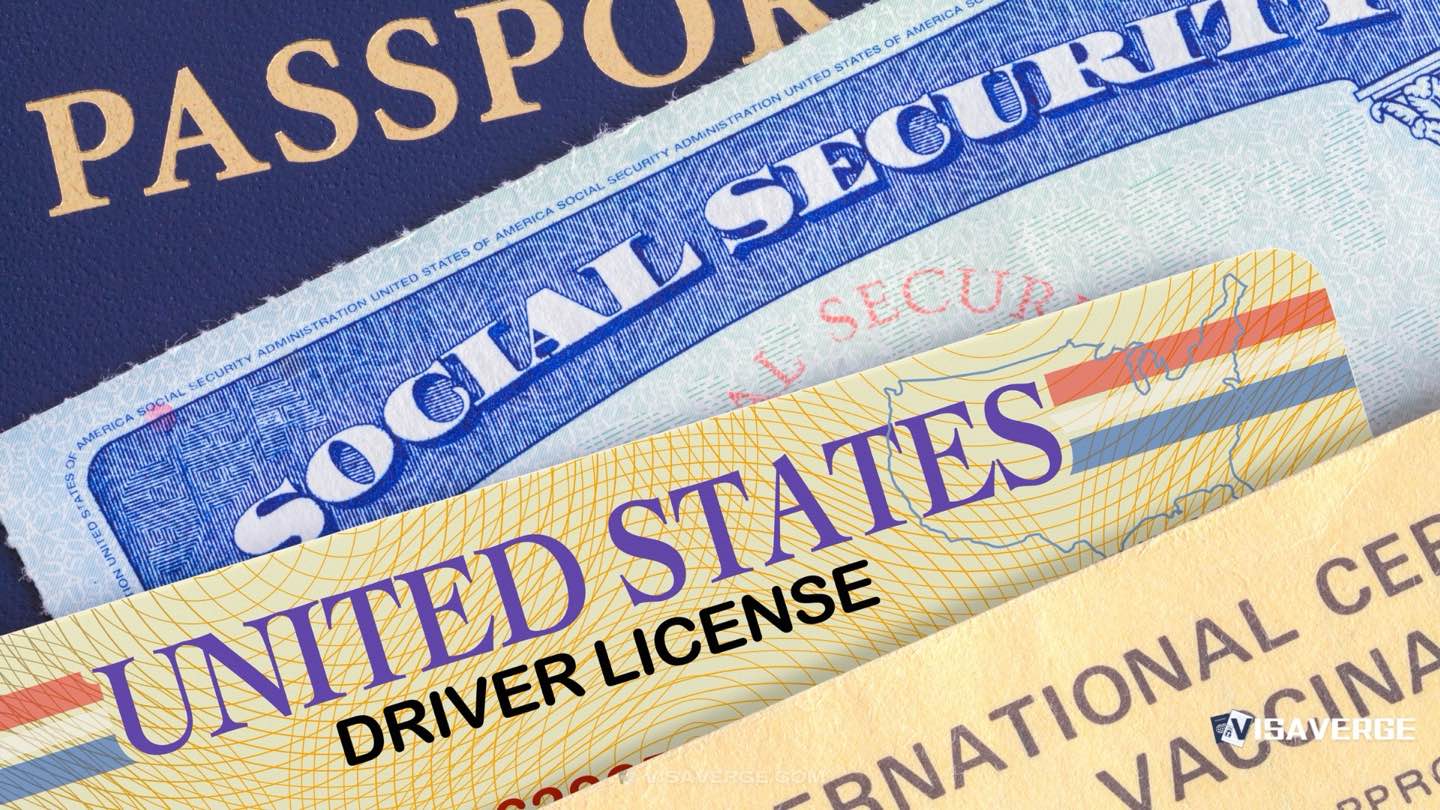
| Government photo ID | Yes | Driver’s license, state ID, or other valid ID. A REAL ID is acceptable, but not always required. |
| Birth certificate | Usually | Bring the original and translation if needed. |
| Marriage certificate or divorce decrees | If applicable | Originals are often reviewed in family-based cases. |
| Form I-94 travel record | If applicable | Useful in adjustment and admission history review. |
| Proof of status | If applicable | EAD, advance parole, approval notices, visa documents. |
| Updated relationship evidence | Marriage-based cases | Joint lease, bank statements, insurance, photos, tax returns. |
| Tax records | Often | Bring recent IRS transcripts if income or support is at issue. |
| Court and police records | If applicable | Bring certified dispositions for any arrest or charge. |
📋 Required Form Notice: Check the interview notice carefully. USCIS often lists extra records for Form I-485, Application to Register Permanent Residence or Adjust Status, or Form N-400, Application for Naturalization.
Applicants adjusting status should also know the basic filing framework behind the interview. The most common forms are Form I-485, Application to Register Permanent Residence or Adjust Status, Form I-130, Petition for Alien Relative, Form I-765, Application for Employment Authorization, and Form I-131, Application for Travel Document. As of June 2026, USCIS fees and form editions should be checked at [USCIS Fees](https://www.uscis.gov/fees) and [USCIS Forms](https://www.uscis.gov/forms) before filing or bringing updates to the interview.
| Form | Purpose | Fee | Typical Processing |
|---|---|---|---|
| I-485 | Adjustment of Status | Check current fee at [USCIS Fees](https://www.uscis.gov/fees) | Varies by field office and case type |
| I-130 | Petition for Alien Relative | Check current fee at [USCIS Fees](https://www.uscis.gov/fees) | Varies by category |
| I-765 | Employment Authorization | Check current fee at [USCIS Fees](https://www.uscis.gov/fees) | Varies by eligibility class |
| N-400 | Naturalization | Check current fee at [USCIS Fees](https://www.uscis.gov/fees) | Varies by field office |
USCIS processing times are estimates, not promises. As of June 2026, applicants should check [USCIS Processing Times](https://egov.uscis.gov/processing-times/). Times vary by service center, field office, and form category. Requests for Evidence, background checks, and interview rescheduling often add months.
Common interview questions depend on the case type. Adjustment applicants are often asked when they last entered the United States, whether they worked without authorization, whether they have ever claimed U.S. citizenship, and whether the information on the application is still correct. Marriage-based applicants should expect questions about daily routines, living arrangements, family members, important dates, and shared finances. Naturalization applicants usually face questions about trips abroad, tax filing, marital history, selective service, criminal history, and attachment to the Constitution, followed by the English and civics tests unless exempt.
Answer only the question asked. Short, truthful answers work best. Do not guess. If a date is uncertain, say that the exact date is not recalled and offer the document that shows it. If an answer has changed since filing, disclose the change and provide proof. Many applicants worry that updates will hurt the case. Hiding them is usually worse.
⚠️ Common Mistake: Applicants often bring copies but leave originals at home. Missing originals can delay a decision or trigger a second appointment.
The day of the interview starts before entering the building. Eat beforehand. Charge the phone, but expect limits on phone use inside. Leave pocketknives, pepper spray, and bulky bags at home. Review the full application once the night before. Do not try to memorize scripted answers with a spouse. Rehearsed phrasing can sound less credible than ordinary conversation.
California applicants who still need a state ID update should not wait until the last week before the interview. The DMV’s past statewide closure for REAL ID training showed that office operations can change quickly during periods of heavy demand. The current extended REAL ID office hours help, but only at select locations and only by appointment. DMV call centers, online services, and DMV Now kiosks remained available during the earlier closure. Those options may help with duplicate cards or other limited transactions, but they do not replace a USCIS interview notice or a passport.
✅ Pro Tip: Bring a valid passport even if the interview notice only mentions photo identification. A passport is often the cleanest proof of identity and travel history.
After the interview, several outcomes are possible. Some applicants receive approval the same day. Others see online case updates within days. An officer may issue a Request for Evidence if a document is missing or stale. The notice will set a deadline. Respond with a complete package, not partial records. In other cases, USCIS places the file under review for additional background checks or supervisor signoff.
A denial can follow if the applicant is not eligible, gave false testimony, failed to provide required records, or did not meet the legal standard for the benefit sought. The notice should explain the reason. The next step depends on the case type. It may involve a motion on Form I-290B, Notice of Appeal or Motion, a refiling, or review with counsel. Interview no-shows also create serious problems. If an emergency prevents attendance, request rescheduling as quickly as possible using the notice instructions and the USCIS Contact Center at 1-800-375-5283.
Applicants with a pending green card case should also watch travel plans. If Form I-131, Application for Travel Document remains pending and advance parole has not been issued, leaving the United States can affect the case. Bring any advance parole document, employment authorization card, and current passport to the interview if they were issued after filing.
Review the interview notice, gather original civil records, check the DMV appointment calendar if a state ID still needs updating, and print the latest case status from [myUSCIS](https://my.uscis.gov). Download the relevant form instructions from [USCIS Forms](https://www.uscis.gov/forms), confirm fees at [USCIS Fees](https://www.uscis.gov/fees), and verify the office location at [Find a USCIS Office](https://www.uscis.gov/about-us/find-a-uscis-office).
📋 Official Resources: Download forms at [USCIS Forms](https://www.uscis.gov/forms). Check processing times at [USCIS Processing Times](https://egov.uscis.gov/processing-times/). Fees and processing times are subject to change, always verify current information at [USCIS](https://www.uscis.gov).