


January 4, 2026
- Renamed article to emphasize 2026 context and interview tightening
- Added 2025–2026 form edition deadlines (I-485 and I-129F acceptance dates)
- Updated policy: interview waivers largely removed and marriage-based interviews required
- Included new guidance on Form I-693 medical submission and COVID-19 vaccine removal (effective Jan 22, 2025)
- Expanded details on longer interviews, increased scrutiny, Stokes interviews, and officer enforcement focus
(UNITED STATES) In 2026, the Green Card Interview is no longer a quick formality for most applicants. USCIS is calling more people in, asking more detailed questions, and tightening document and form rules, especially for applicants who Adjust Status with Form I-485.
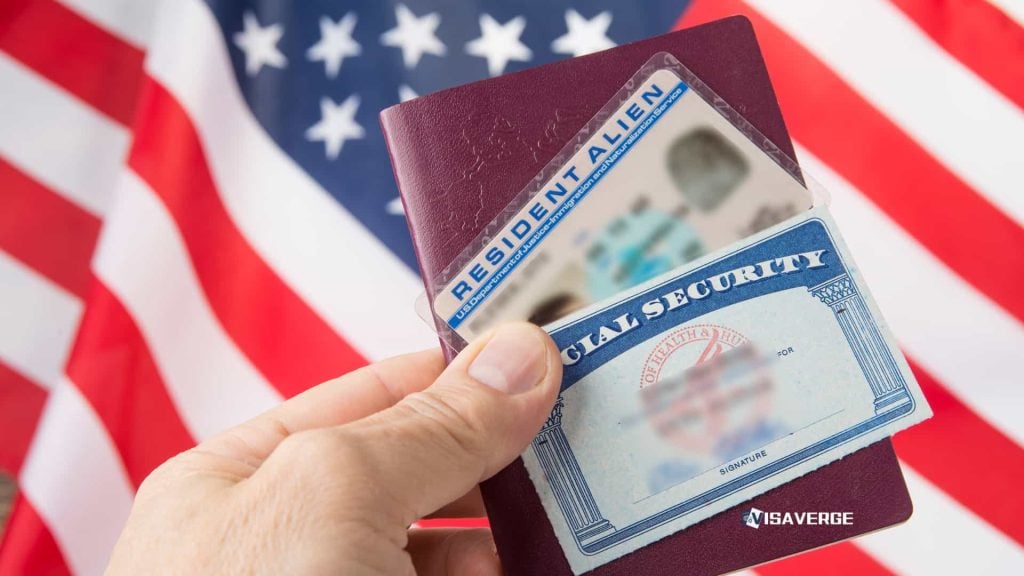
For families, workers, and couples, this matters because the interview often becomes the final gate before approval. Small mistakes now lead to delays, extra evidence requests, or a second interview. Planning early protects your case and your peace of mind.
Free toolCSPA Age-Out Calculator OnlinePurpose and location of the Green Card interview
A Green Card Interview is a formal meeting where an immigration officer verifies that you qualify for permanent residence and that the information in your application is accurate. For most applicants filing inside the United States, it happens at a USCIS field office near your address as part of adjustment of status procedures.
If you filed Form I-485 to Adjust Status, the officer typically:
- Verifies your identity
- Reviews key answers from the form
- Confirms you are admissible (i.e., not blocked by certain crimes or immigration violations)
USCIS explains the broader adjustment process on its official page about adjustment of status procedures.
Many applicants still see interviews scheduled 7 to 15 months after filing their Form I-485, but the wait can stretch as local field offices get busier.
The big 2026 shift: fewer waivers, more scrutiny
The major practical change is that interview waivers have largely disappeared. Applicants who once expected a paper-only review should plan for an in-person appointment.
Key trends:
- Marriage-based cases now require an in-person interview in every case. Both spouses should assume they will be questioned and that the officer will test whether the relationship is genuine.
- Employment-based cases are seeing interview waivers canceled and are being returned to local interview queues.
- Other family-based applicants (beyond spouses) should expect interviews more often than in prior years.
Interviews are reportedly longer and more demanding. Officers dig deeper into work history, immigration entries, and any law enforcement contact. The overall tone has become more enforcement-focused. VisaVerge.com reports this tougher posture has changed how attorneys prepare even “clean” cases, since officers now expect applicants to show consistency across forms, documents, and real-life details.
Form and filing compliance: edition dates and the medical packet
USCIS has tightened form acceptance rules, and using the wrong edition date or omitting required medical documentation can derail an application.
Critical compliance points for 2025–2026:
- From April 3, 2025, USCIS accepts only the 01/20/25 edition of Form I-485, Application to Register Permanent Residence or Adjust Status.
- From May 1, 2025, USCIS accepts only the 01/20/25 edition of Form I-129F, Petition for Alien Fiancé(e) for fiancé routes.
- The family petition stage usually starts with Form I-130, Petition for Alien Relative, which now includes stronger marriage fraud warnings.
- In most cases, Form I-693 must be filed with the application, rather than submitted later. That medical form is Form I-693, Report of Immigration Medical Examination and Vaccination Record.
- As of January 22, 2025, USCIS no longer requires proof of COVID-19 vaccination with the I-693 medical form.
These details may seem bureaucratic, but they determine whether USCIS accepts, delays, or rejects your packet.
Who must attend the interview when adjusting status with Form I-485
Attendance rules depend on the category and who is included in the filing:
- Marriage-based adjustment: the petitioner (U.S. citizen or permanent resident spouse) and the beneficiary (green card applicant) attend together. Children adjusting as derivatives often must appear as well.
- Employment-based adjustment: the employee applicant typically attends; the employer usually does not.
- Other family-based adjustment: the principal applicant attends; derivatives may be required.
If you process through a U.S. embassy or consulate instead of adjusting status, you attend an in-person interview there. The State Department tightened many visa interview waiver categories starting October 1, 2025, reinforcing the shift back toward face-to-face screening.
Document plan to prevent delays at the interview window
The fastest way to lose time is arriving without originals, updated proof, or a full copy of what you filed. Build an interview packet so you can hand over documents within seconds.
Bring these core items to a USCIS field office interview:
- Form I-797C interview appointment notice
- Government photo ID and passport (unless you are a refugee or asylee)
- Travel documents, including advance parole if you used it
- A complete copy of your filed adjustment package (forms and supporting evidence)
- Original civil documents (birth, marriage, divorce, and related records)
- Form I-693 medical results if not already submitted
- Updated sponsor financial evidence for family cases:
- tax return
- W-2/1099
- pay stubs
- employment letter
- For marriage cases: current proof of shared life (joint lease, joint bank statements, children’s birth certificates, insurance, photos)
- For employment cases: employer letter confirming ongoing job and salary
If your life changed after filing, bring proof. A new address, a new job, or a new child can trigger questions, but clean paperwork typically resolves them.
Interview day in four stages (and officer expectations)
- Arrival and security
– Plan to arrive at least 30 minutes early.
– Security works like airport screening; prohibited items can prevent entry.
- Check-in and biometrics confirmation
– Many offices take a photo and fingerprints to confirm identity.
– Keep your notice and ID ready.
- Oath and Form I-485 review
– The officer reviews ID and places you under oath.
– Most questions come directly from Form I-485: addresses, employment, immigration history, and admissibility questions.
- Case-specific questions and next steps
– Marriage cases: relationship questions.
– Employment cases: job questions.
– Outcomes vary: approval, request for more evidence (RFE), or further review.
Many interviews previously lasted 20–25 minutes, but longer sessions are now common.
Stokes interviews and fraud checks: what couples must do differently
USCIS is using Stokes interviews more frequently in marriage-based cases. Spouses may be separated and questioned in different rooms, with answers compared for consistency.
Expect detailed questions about daily life, for example:
- Who pays which bills
- Where you keep clothing
- What you did last weekend
- How you share household responsibilities
The objective is to detect fraud by finding contradictions.
Practical preparation steps:
- Review your filing timeline and key dates together.
- Re-read the I-130 and I-485 answers you submitted.
- Agree on descriptions of important events (first meeting, moving in, wedding).
- Bring current joint documents showing you still share a life.
Officers increasingly check social media and background records. Consistency across your public story and your paperwork matters.
Important: Officers compare answers across documents, public records, and social media. Inconsistent accounts are a major red flag.
Interpreter rules, attorneys, and enforcement risks
- USCIS requires in-person interpreters. Phone or video interpretation is not allowed.
- If you need a language helper, arrange a qualified interpreter to physically attend and bring government-issued ID.
- You may bring a lawyer or accredited representative. To appear with you, the representative must file Form G-28, Notice of Appearance as Attorney or Accredited Representative.
- For applicants with arrests, prior removal orders, or serious immigration violations, legal review before the interview is strongly advised.
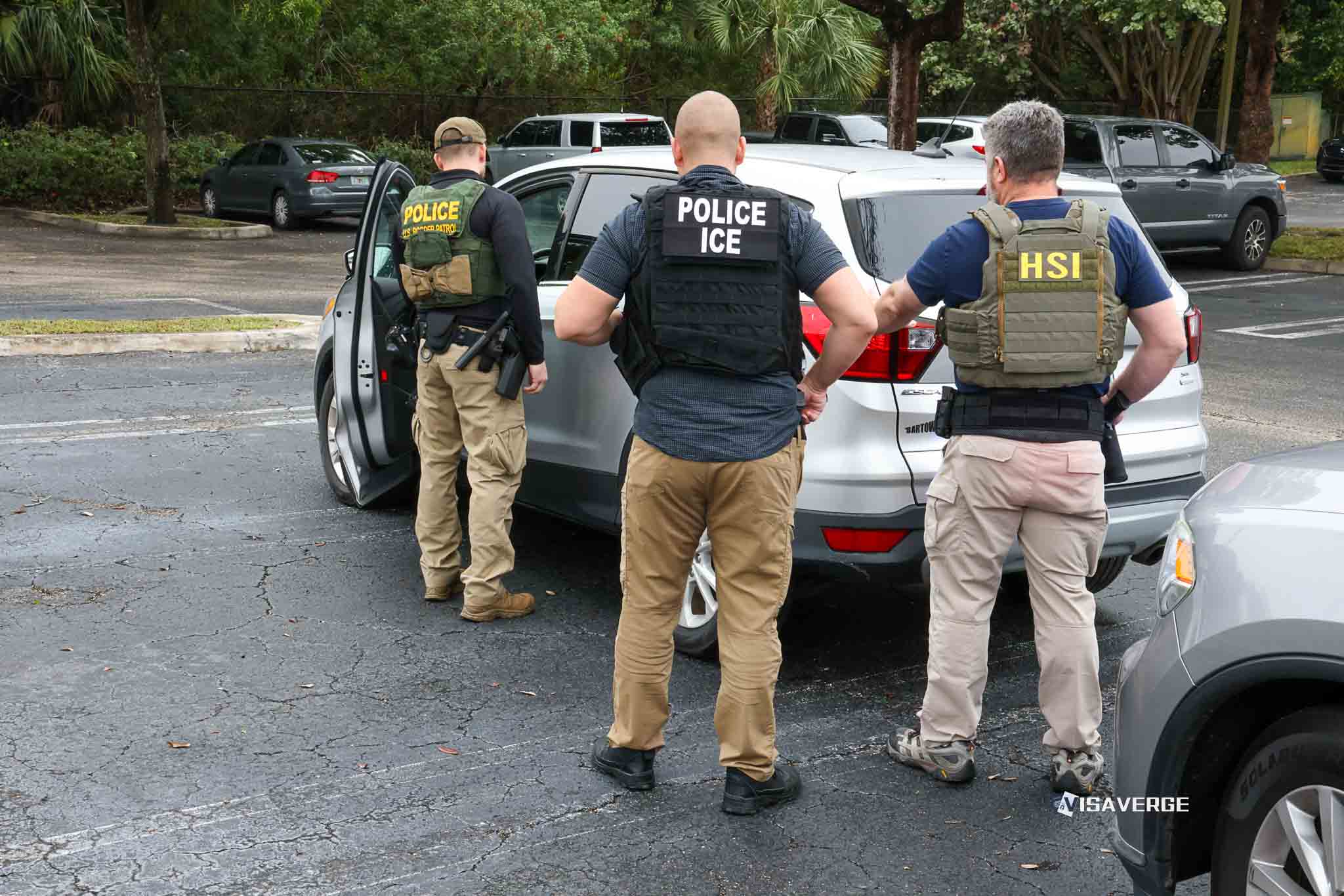
USCIS acknowledged in March 2025 that it assisted ICE with arrests at interviews in South Florida. Reports of similar actions elsewhere followed, often tied to unresolved criminal issues or old removal orders. Treat the interview as an enforcement setting, not merely a paperwork appointment.
If your record includes an arrest, pending charge, warrant, or prior deportation order:
- Build a legal strategy before attending
- Gather case dispositions and court records
- Decide on the safest way to appear
A realistic timeline and three checkpoints you control
Most applicants experience the process as a sequence rather than a single day. Use this planning model with three checkpoints you can control:
- Before the notice arrives
– Keep your address current
– Track receipt notices
– Keep copies of everything you filed
- After the interview notice
– Rebuild your evidence file with updated documents
– Update sponsor income and recent joint records
- The week of the interview
– Organize originals and copies in separate folders
– Confirm interpreter logistics
– Review Form I-485 line by line
You cannot control how fast USCIS schedules your appointment, but you can control how prepared you look when the officer opens your file and starts testing your story.
USCIS has significantly tightened Green Card procedures for 2026, ending most interview waivers and increasing scrutiny for family and employment-based applicants. With new form editions mandatory as of early 2025, applicants must ensure strict compliance. The interview process now features deeper questioning, frequent fraud checks through Stokes interviews, and a focus on enforcement, making thorough document preparation and consistency across all platforms essential for successful approval.



It is really great information Thanks