- European and U.S. authorities are revoking protections and pursuing prosecutions involving Palestinian refugees.
- The DHS launched Operation PARRIS to re-examine thousands of refugee claims through intensive verification.
- New policies have expanded processing holds for individuals from thirty-nine high-risk countries and territories.
(EUROPE) — European authorities have revoked protections and pursued prosecutions involving Palestinian refugees in recent weeks, as the ?? Department of Homeland Security rolls out re-vetting initiatives and processing holds that advocates and lawyers say can leave people in prolonged uncertainty.
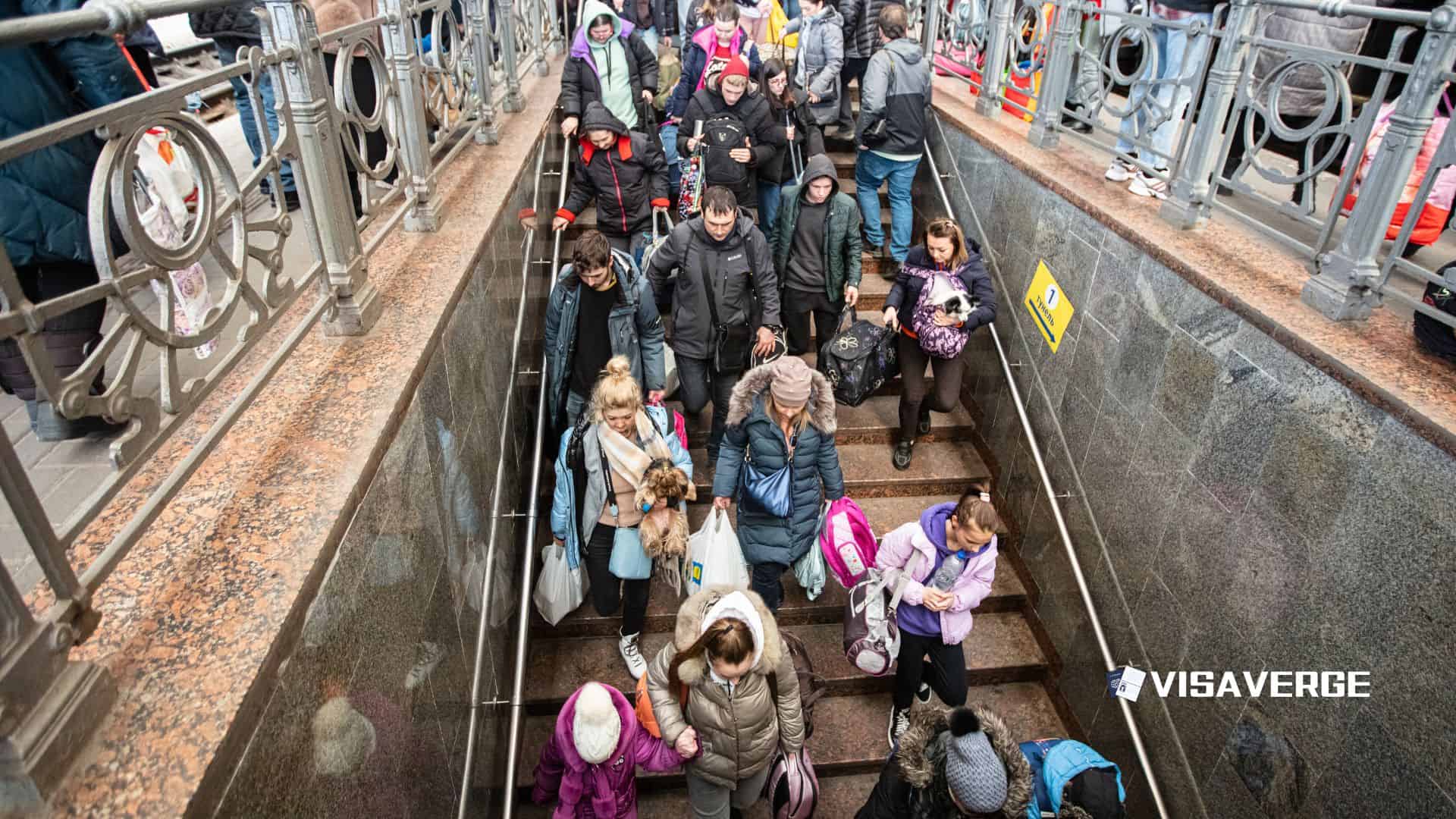
The heightened scrutiny spans people already in the United States, applicants abroad waiting on refugee or visa processing, and refugees and activists living in Europe who face a mix of administrative action and criminal investigation depending on the country and allegations involved.

Across both regions, measures described by officials as security-driven have increased the importance of documenting immigration compliance, tracking case notices, and verifying what policies apply to which benefit types and travel documents.
Free toolSchengen Short-Stay Visa CalculatorUSCIS and DHS have tied several U.S. actions to enforcement of existing law and expanded screening, including guidance touching refugees who have not adjusted to permanent residency and broader pauses on adjudications for certain nationalities and document holders.
A USCIS spokesperson defended a new memo referenced in reporting on February 19, 2026, saying: “The memo directs agencies to implement the plain language of long-established immigration law. This is not novel or discretionary; it is a clear requirement in law. The alternative would be to allow fugitive aliens to run rampant through our country with zero oversight. We refuse to let that happen.”
DHS also issued Policy Memorandum PM-602-0194 on January 1, 2026, expanding a processing hold on pending benefit applications for individuals from “high-risk” countries, including those traveling with Palestinian Authority-issued documents.
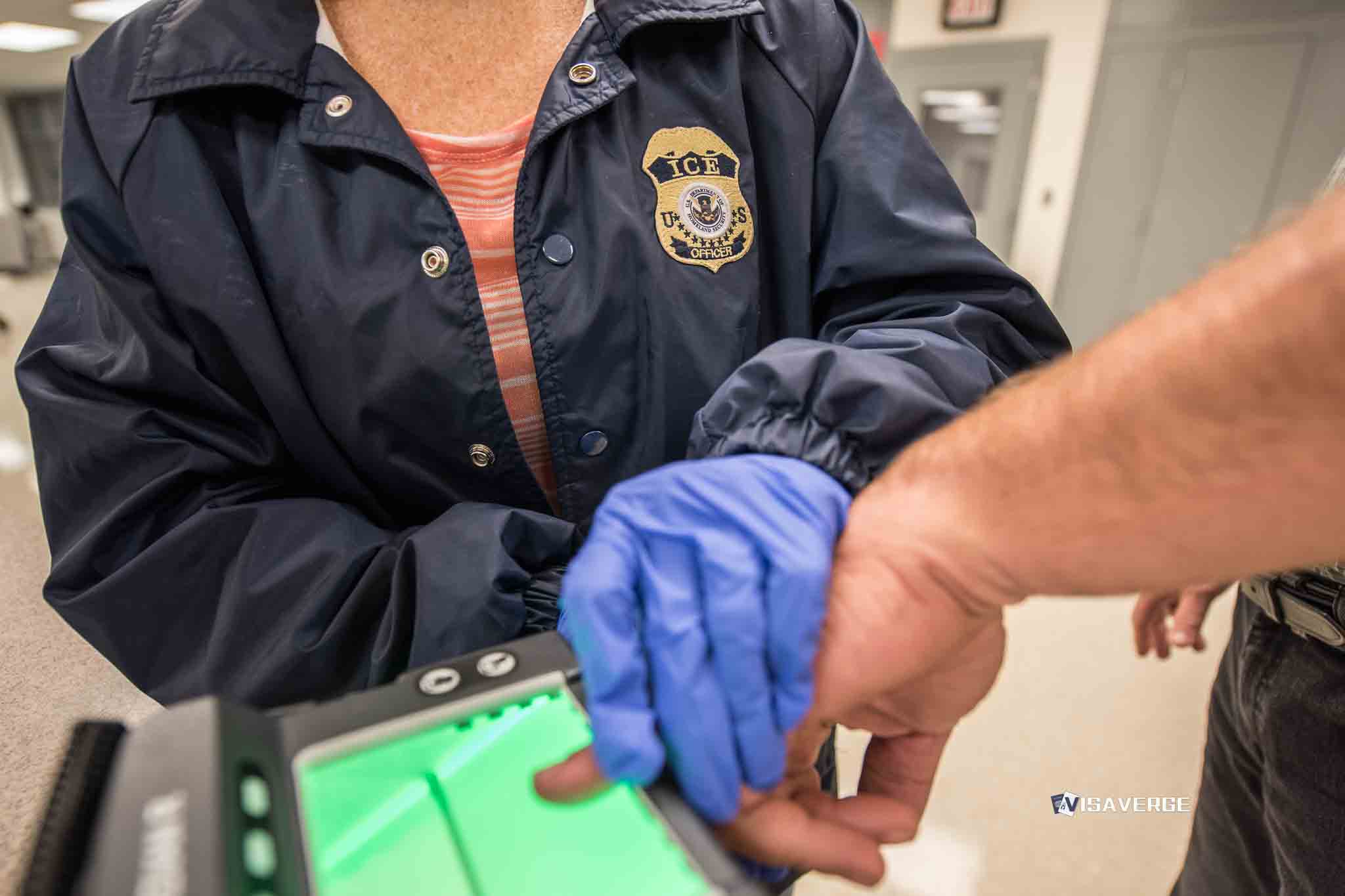
In newsroom updates dated February 20, 2026, DHS announced “Operation PARRIS,” describing it as “reexamining thousands of refugee cases through new background checks and intensive verification of refugee claims” to identify potential security threats and fraud.
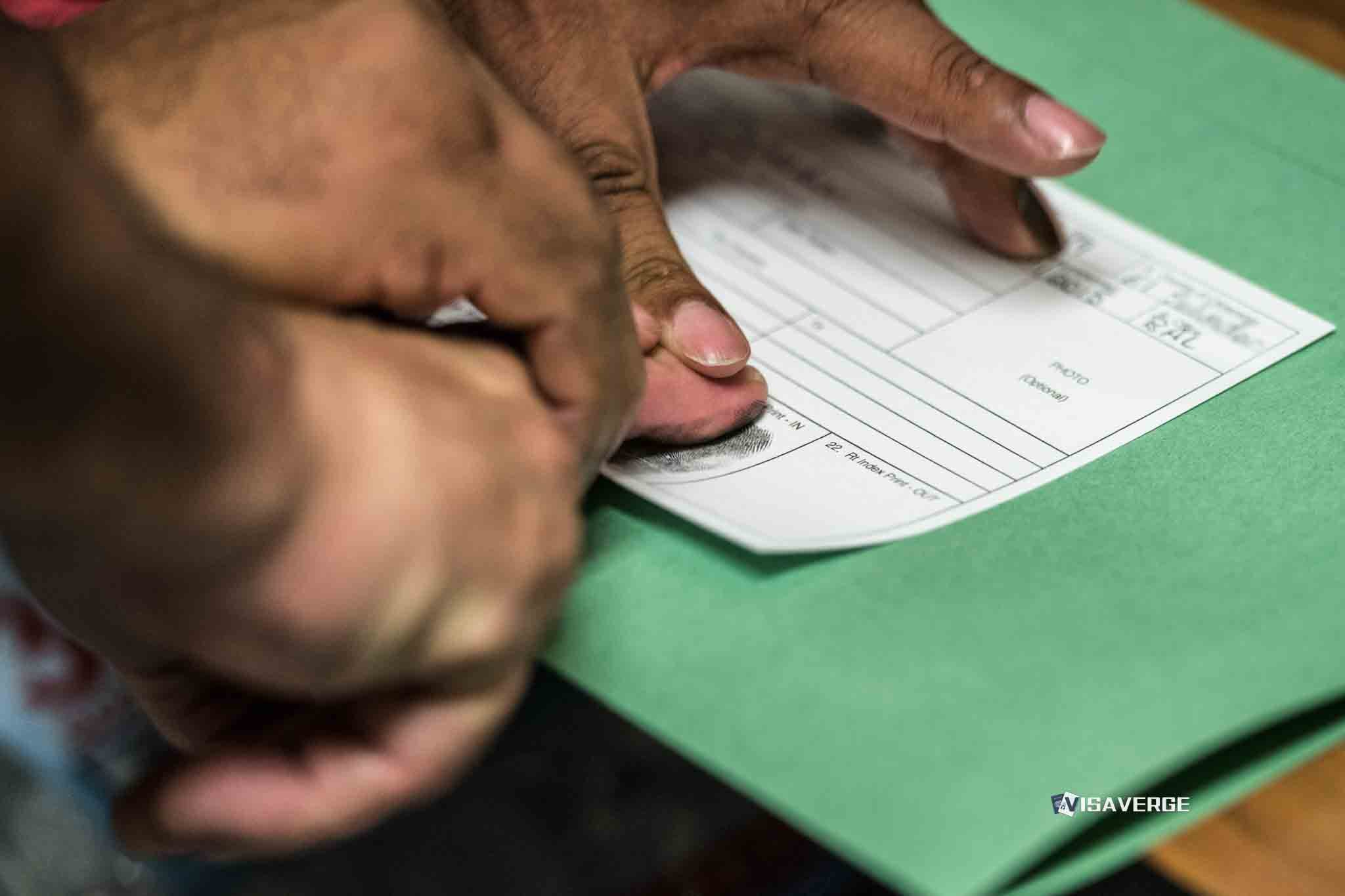
In practice, re-vetting and processing holds can surface through new interview notices, Requests for Evidence, background-check delays, or pauses that affect pending applications and related work authorization timelines, depending on the benefit type and the unit implementing guidance.
The distinction between a policy memo, an operation name, and binding regulation can matter for how quickly changes take effect, who is covered, and what paperwork or interviews follow, making it important for applicants and refugees to track official publication and any implementing instructions.
European cases cited in recent weeks show how enforcement can run through separate pathways, with administrative revocations handled by migration agencies in some cases and criminal courts weighing allegations in others.
Greek authorities revoked the refugee status of Mohannad al-Khatib, a Palestinian from Gaza, on January 20, 2026, and Greek Minister of Migration and Asylum Thanos Plevris said: “We will not accept that any supporter of Hamas or anyone acting illegally be granted protection.”
Italy’s court in L’Aquila sentenced Palestinian refugee Anan Yaeesh in January 2026 to five and a half years in prison for “association with the purpose of international terrorism,” following a legal battle that involved an Israeli extradition request initially rejected due to the risk of torture.
Those examples highlight that administrative withdrawal of protection and criminal prosecution can produce different outcomes, including detention, removal attempts, and travel restrictions that complicate cross-border family plans inside Europe’s Schengen area.
Investigations and proceedings can also draw on online activity and political expression as evidence in some jurisdictions, increasing the importance of record-keeping and understanding how posts, group affiliations, or messaging may be interpreted in a legal process.
Travel and processing disruptions have also widened in the United States after the travel ban list expanded in December 2025 from 19 to 39 countries, explicitly adding the Palestinian Authority as a territory subject to heightened scrutiny and processing holds.
Heightened scrutiny often appears as additional background checks, longer adjudication times, and more documentary requests, which can hit applicants abroad as well as people already in the United States who file for new benefits or travel documents.
For some refugees, delays and holds can collide with deadlines and status expectations after admission, creating risks that range from missed notices to enforcement contact, especially when a case triggers adverse information during re-vetting.
The policy direction described by officials has also reinforced a perception of conditionality in refugee status, with more frequent re-checks at later benefit stages and a greater role for national security screening and credibility assessments across adjudications.
U.S. authorities and European governments have cited national security as a basis for revocation or denial in some cases, while parallel outcomes can still arise through separate legal systems rather than any formally announced coordination.
DHS actions have raised detention concerns for refugees whose adjustment cases stall or fall into processing pauses, and reporting described an estimated 200,000 refugees as at risk of detention if they have not yet received green cards while the process remains halted for many “high-risk” groups.
Advocacy-related allegations can intersect with immigration decisions through security checks, credibility reviews, and discretionary determinations, while European proceedings show that different countries may treat the same underlying conduct through administrative, criminal, or extradition channels.
Officials and advocates have also warned of “bureaucratic limbo” scenarios in which status is revoked but removal faces obstacles tied to conflict, leaving people facing prolonged detention or severe travel limits even as their legal challenges proceed.
For readers trying to confirm what rules apply, government sites remain the primary reference points, including the USCIS Newsroom, the USCIS Policy Manual, DHS’s repository of DHS Policy Memos, and the Federal Register for published notices tied to immigration programs and travel restrictions.