Key Takeaways:
- The Chips and Science Act aims to cut East Asian dependency by investing $55 billion in US semiconductor manufacturing.
- A significant shortage of skilled workers threatens the industry, with a projected deficit of 67,000 by 2030.
- Immigration reforms, like a “chipmaker’s visa,” are proposed to attract and retain high-skilled workers in semiconductor roles.
How Did the Chips Act Aim to Bolster the US Semiconductor Industry?
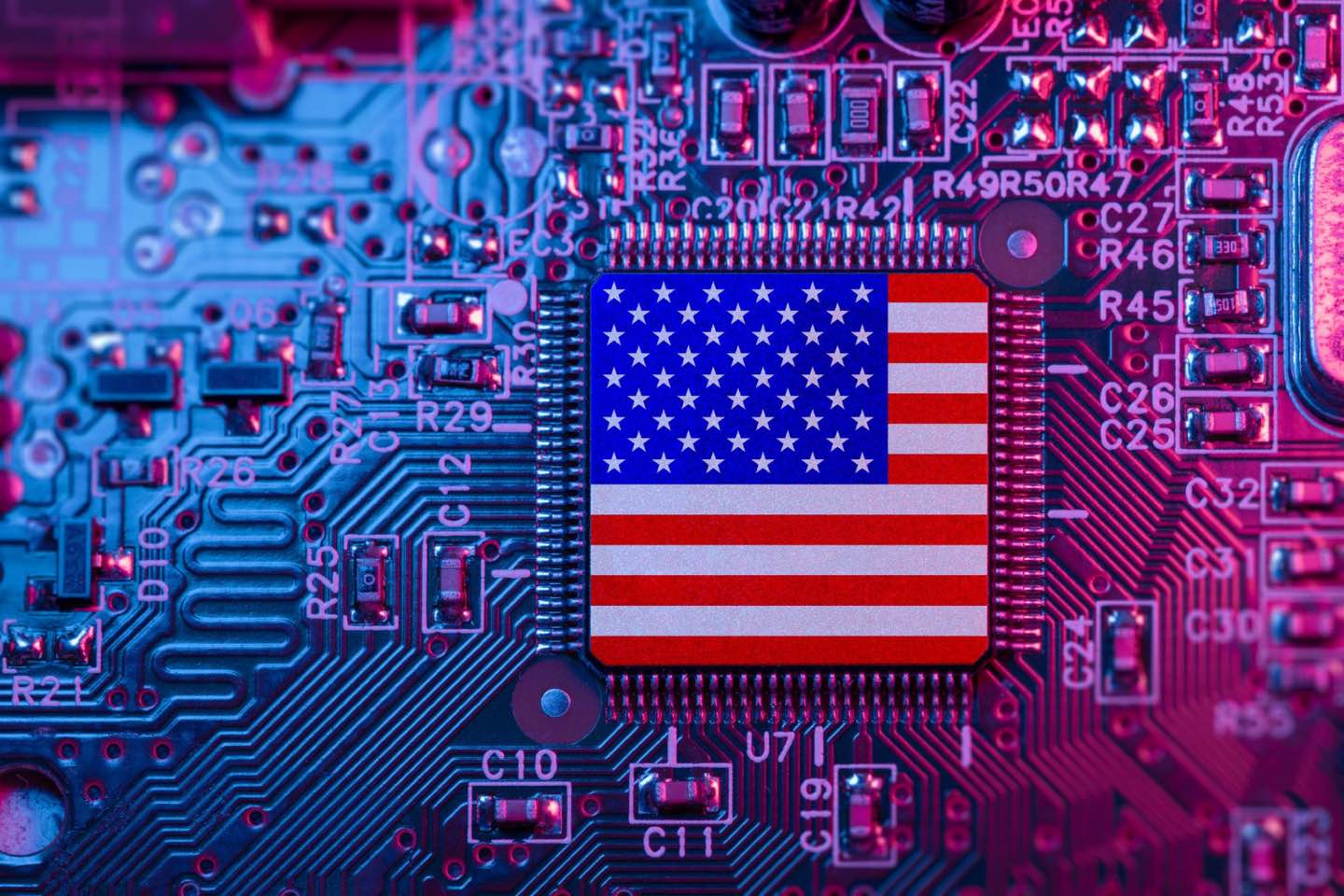
In 2022, Congress passed the Chips and Science Act intending to rejuvenate domestic semiconductor manufacturing. Their goal was to reduce reliance on East Asian manufacturing plants. On paper, the initiative seems like a resounding success, with nearly $30 billion in subsidies and $25 billion in loans already allocated. This has underpinned investments totaling around $350 billion. By 2032, an industry-sponsored study anticipates that US chipmaking capacity will triple, raising the output of advanced logic chips to 28% of global production from zero in 2022.
What Are the Skilled Worker Challenges for the Semiconductor Industry?
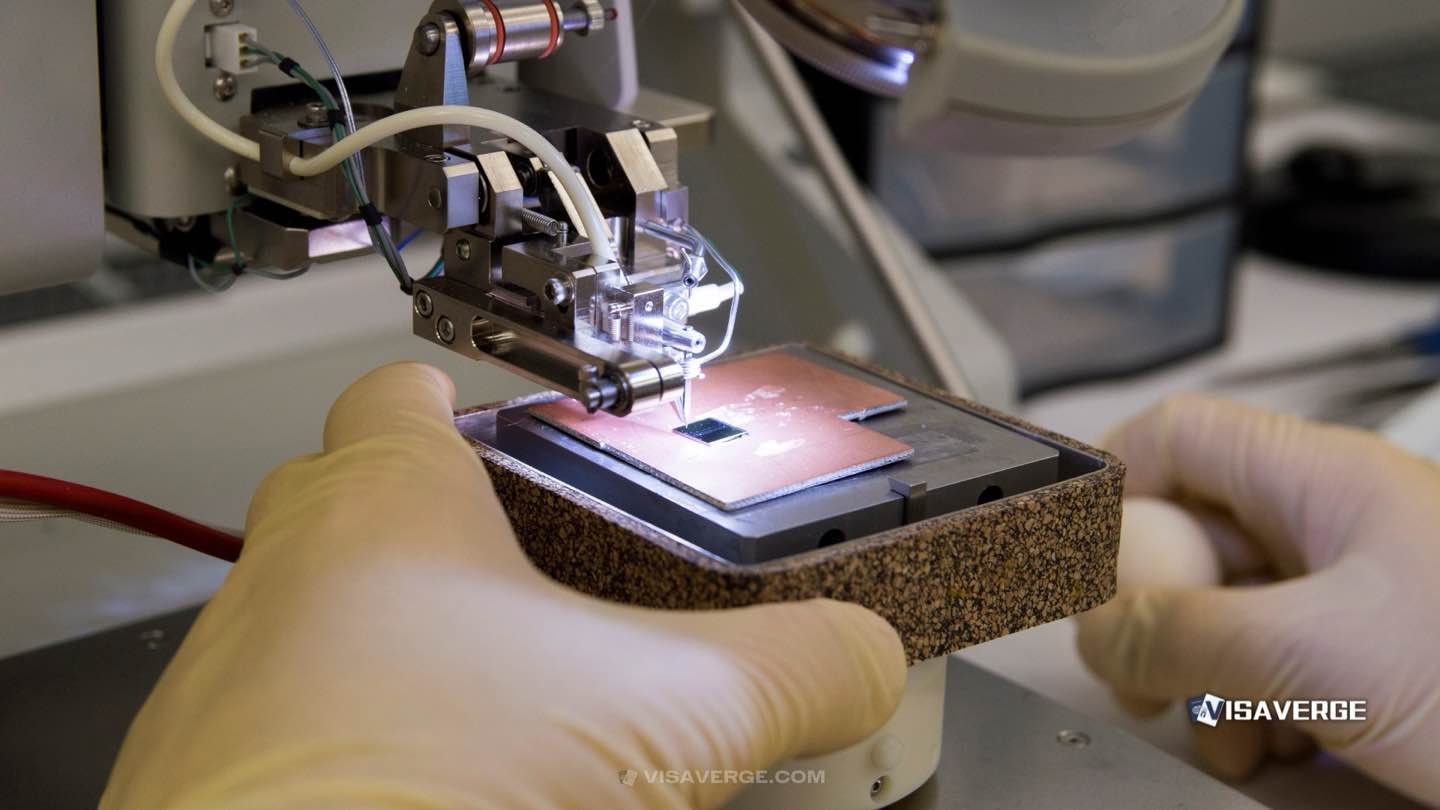
Despite the progress facilitated by the Chips Act, a significant hurdle remains: the shortage of skilled immigrants and workers to build and operate these high-tech facilities. Notably, specialists to install hyper-precise chipmaking equipment are rare in the current US labor market. The situation is compounded by a worrying trend: the number of Americans enrolling in relevant graduate programs has remained stagnant for the past 30 years. Moreover, a third of the current workforce in fabrication plants is 55 years or older, and over half of them are keen to retire soon. The Semiconductor Industry Association predicts a deficit of 67,000 skilled workers by 2030.
What Could Happen if Skilled Worker Shortages Persist?
The Chips Act was supposed to ensure the US remained a leader in technology and enhanced national security. However, without a sufficient workforce, companies may seek additional subsidies or move production to Taiwan and Japan. This migration could cause a snowball effect, drawing more American STEM graduates into different fields altogether, thereby nullifying the anticipated benefits of the Chips Act.
What Solutions Have Been Proposed?
Congress needs to act soon. While comprehensive immigration reform would be ideal, smaller yet impactful steps can still make a difference. One such proposal is the “chipmaker’s visa,” suggested by the Economic Innovation Group. This would involve auctioning a fixed number of visas (perhaps 10,000 per year over ten years) for high-skilled workers, with a salary minimum requirement. Workers could transition between jobs within the industry and gain expedited paths to permanent residency after five years. The auction proceeds would fund scholarships and workforce development programs for American students and workers.
Additionally, the US should consider increasing the overall number of visas for high-skilled immigrants and prioritize candidates with crucial STEM skills. A practical step would be exempting foreign graduates of US schools holding advanced STEM degrees from green-card caps. This group alone could fill the majority of the demand for semiconductor engineers.
Why Is Immigration Reform Vital for the Future of US Chipmaking?
Current US immigration policies, particularly the H-1B visa program, are not sufficient. Caps on visas combined with per-country limits result in long wait times for applicants, especially those from India, who are likely candidates for semiconductor roles. If these issues aren’t resolved, the once-promising Chips Act could fall short of its potential, undermining US technological leadership and national security ambitions.
What Can Be Done Now?
Immediate steps include implementing targeted visa programs like the chipmaker’s visa and easing restrictions on high-skilled immigration. As noted by VisaVerge.com, such pragmatic approaches could bridge the skills gap and help meet the urgent and long-term needs of the semiconductor industry.
It’s essential for Congress to recognize this skilled-worker shortage and take decisive action. If not, the Chips Act, a source of national pride, may well become an operational and political embarrassment.
For more information on US immigration policies and applications, you can visit the US Citizenship and Immigration Services (USCIS) for authoritative and up-to-date details.
The future of US chipmaking hangs in the balance, contingent upon addressing these workforce challenges. Collaboration and sensible immigration policies could unlock the Act’s full potential, solidifying America’s position in the global tech landscape.
Learn Today:
Glossary of Immigration Terms
- CHIPS and Science Act
A US legislative initiative passed in 2022 to rejuvenate domestic semiconductor manufacturing by allocating substantial subsidies and loans to reduce reliance on East Asian manufacturing. - Skilled Worker Shortage
The lack of qualified individuals in specialized fields, such as those required to build and operate high-tech semiconductor manufacturing facilities, which poses a significant challenge for the industry. - Chipmaker’s Visa
A proposed immigration measure that involves auctioning a set number of visas for high-skilled workers in the semiconductor industry, with the goal of filling critical labor gaps and enabling performance-based permanent residency paths. - H-1B Visa Program
A US immigration program that allows employers to hire foreign workers in specialty occupations, including those related to science, technology, engineering, and mathematics (STEM). The program faces challenges due to caps and per-country limits. - Green-Card Cap
The numerical limit on the number of green cards (permanent residency permits) issued annually to immigrants. Exempting certain highly skilled workers, such as foreign graduates with advanced STEM degrees, could address labor shortages in critical industries like semiconductor manufacturing.
This Article In A Nutshell:
The Chips Act, passed in 2022, aims to enhance the US semiconductor industry by providing $30 billion in subsidies and $25 billion in loans. This initiative is set to triple US chipmaking capacity by 2032, boosting the output of advanced logic chips to 28% of global production.
— By VisaVerge.com
Disclaimer: The information provided in this article is for informational purposes only. If you reference or use any content from this article, please attribute it to VisaVerge.com by including a link to the original source. We appreciate your adherence to our content usage policies and your commitment to giving proper credit.
Read more
– Schiphol Airport Trials Digital Travel Credentials with Biometric Passports
– Reactions and Tributes to Kuchipudi Star Amarnath Ghosh’s Death in St. Louis
– Indian Kuchipudi Dancer Amarnath Ghosh Killed in St. Louis Shooting
– Will Congress Approve the H-1B Visa Reform? A Look at the Proposed Chipmakers Visa
– Addressing Chipmaker Talent Shortages: U.S. Semiconductor Industry Proposes Chipmakers Visa