- Airborne flights could land; inbound international arrivals were handled case by case.
- FlightAware counted 1,913 cancellations and 10,494 delays at 6:04 p.m.
- The FAA said departures could resume as enroute facilities recovered, with command-center coordination.
On November 13, 2026, the FAA SMART AI contractor AirSpace Intelligence denied its system caused the nationwide ground stop, while Microsoft said it had no indication its services were connected. The FAA halted departures because of an air traffic control communications problem.
Background: FAA Orders Nationwide Ground Stop for All U.S. Airports Over Communication Failures
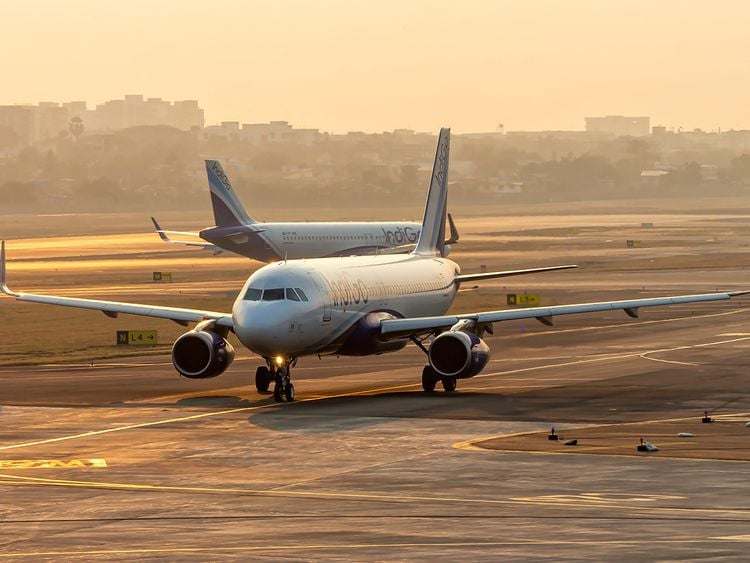
The order took effect at 3:54 p.m. EST and was scheduled to run until 11 p.m. It affected flights departing U.S. airports; aircraft already airborne could land.
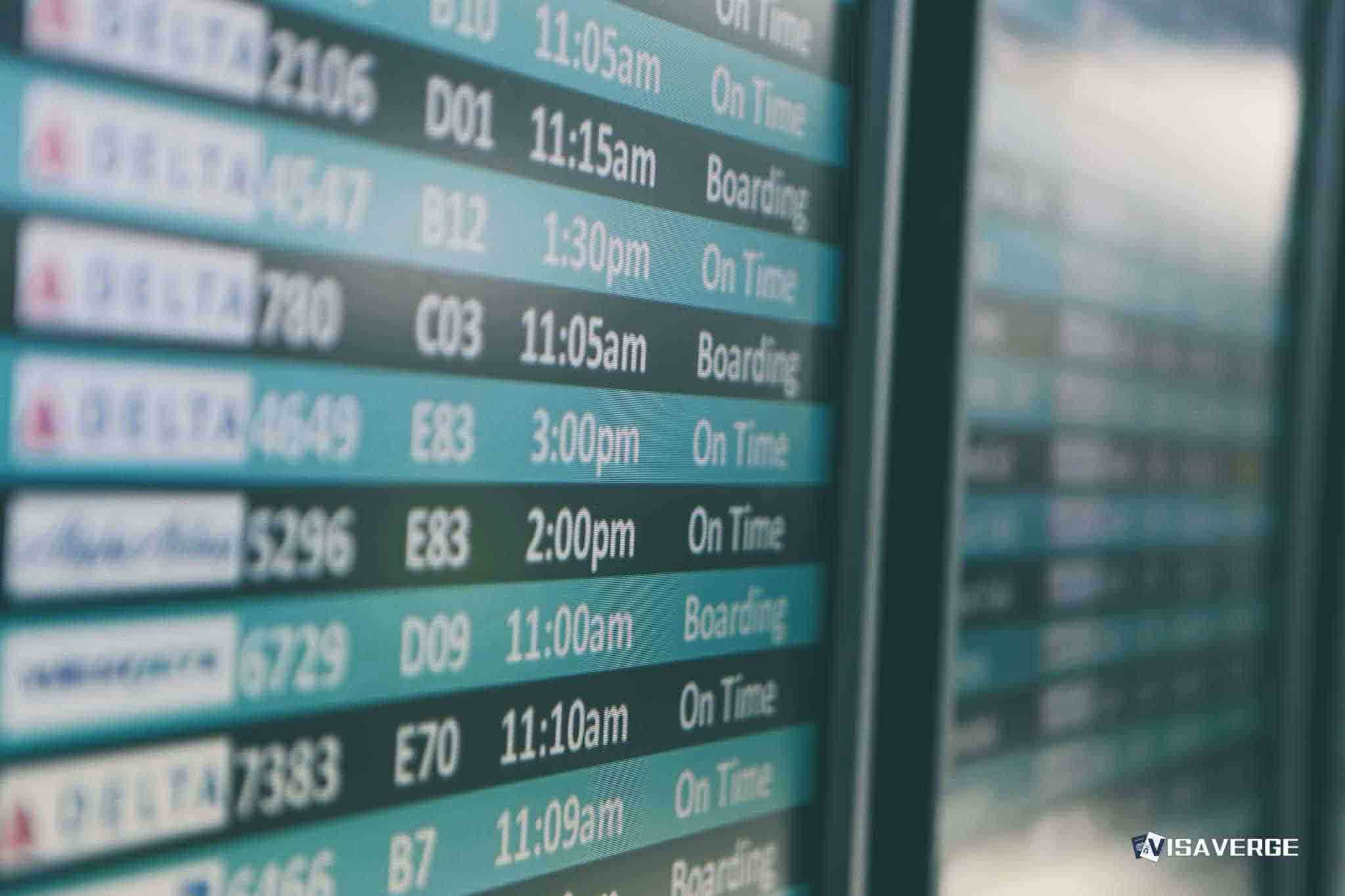
Inbound international flights were handled case by case. By 6:04 p.m., FlightAware counted 1,913 cancellations and 10,494 delays nationwide.
Delta allowed passengers to change flights without extra cost for Friday and Saturday. United offered to waive change fees and fare differences, subject to conditions described below.
The FAA tied the stop to air traffic communications
The FAA ordered the nationwide stop because an issue affected air traffic control communications. The agency later said the stop remained in effect shortly after 6 p.m. ET.
Departures could restart as enroute facilities recovered, the FAA said, with the air traffic control system command center coordinating the process. The agency has not provided a timeline for full restoration of services.
The update offered a conditional path back to departures. It did not give travelers a single restart time.
Officials are examining SMART, but its role remains unsettled
AirSpace Intelligence rejected responsibility for the disruption. The company’s statement covered SMART, its products and its integration with the FAA and air traffic control.
“The current ground stop is not based on or a result of the SMART system, any product of ASI or our integration with FAA and ATC”
Microsoft also denied a known connection. The company said it had no indication its services were related to the FAA stop. The statement came after a separate Microsoft 365 outage began Thursday.
Homeland Security Secretary Markwayne Mullin said the department was examining whether SMART could be connected, through its Cybersecurity and Infrastructure Security Agency. The FAA had not confirmed a link. Mullin said officials had seen no indication of a malicious attack, but were not ruling one out.
“We're looking at that,” Mullin said of the possible SMART connection. He described the FAA problem as a telecommunications outage.
SMART recommends flight schedules and routes using data. FAA specialists review its recommendations, while local facilities decide whether to act on them. The system is part of a 12-year, $875 million FAA contract.
Lawmakers asked the FAA in October to pause SMART use in the Washington area. The available account of that request does not say whether a pause took effect.
Departures depended on facility recovery, while airlines offered waivers
The FAA said coordination through its command center would govern departures as enroute facilities recovered. The agency’s update came while the ground stop remained active.
Delta passengers could change their flights at no extra cost for Friday and Saturday. United said it would waive change fees and fare differences for rebooked trips. The new booking must be on United, in the same cabin and between the same cities as the original ticket.
Passengers weighing a change therefore face different terms. Delta’s waiver covers changes without extra cost on the two stated days; United’s includes carrier, cabin and city restrictions.