How Do H1-B Visas Contribute to U.S. Semiconductor Supremacy?
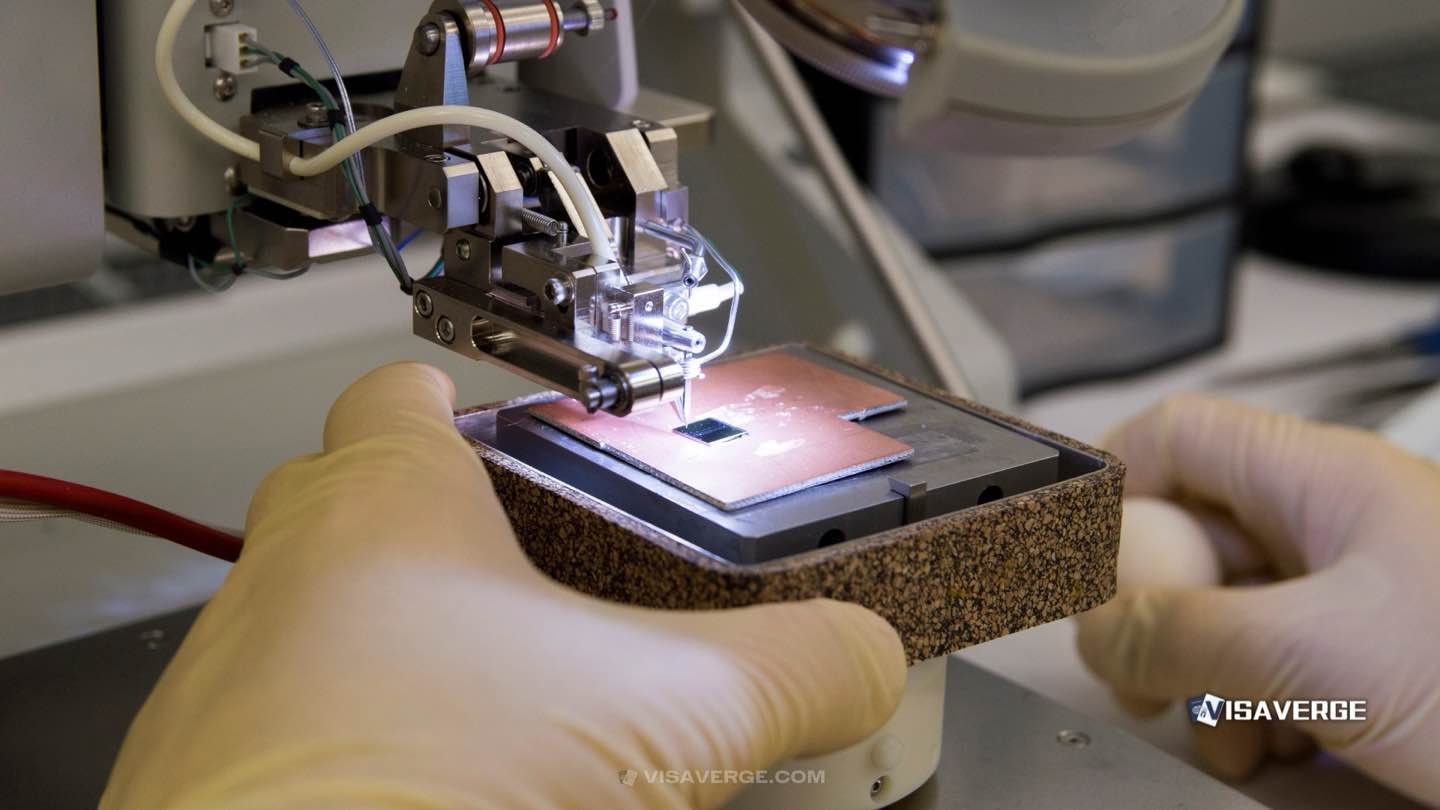
The importance of H1-B visas in supporting U.S. technological advancement and achieving semiconductor supremacy cannot be overstated. Recent developments have highlighted how workforce shortages have led to significant delays in semiconductor manufacturing projects. For instance, in December, Samsung postponed the commencement of operations at its Texas-based chip manufacturing facility. Following closely, in January, Taiwanese chip manufacturing giant TSMC pushed back the timeline for one of its planned Arizona plants. These delays are tangible setbacks in the U.S. strategy, initiated by the passage of legislation in 2021 that allocated $280 billion to enhance domestic semiconductor production over the succeeding decade.
What Challenges are Associated with Workforce Shortages?
The crux of the problem lies in the acute shortage of skilled workers proficient in semiconductor manufacturing. Expert consultants have projected a shortfall reaching up to 1.4 million workers by 2030. This gap was underscored by TSMC two years ago, and reiterated in their January announcement, stressing the deficiency of trained personnel as a primary factor for the delay. Similarly, Samsung acknowledged this challenge and in 2023, collaborated with the University of Texas to establish a “talent pipeline” aimed at bolstering the state’s semiconductor workforce.
Are There Local Solutions to the Skill Gap in Semiconductor Industries?
The U.S. has indeed made strides in nurturing domestic talent to mitigate these shortages. The CHIPS and Sciences Act, dedicated to this cause, provides substantial funding for workforce development. These investments are crucial in building a resilient and skilled workforce. However, the nature of technical training and education means that these are long-term solutions. The immediate need for skilled labor in semiconductor manufacturing remains a pressing concern that requires a more instantaneous solution.
How Can Expanding Skilled Immigration Address These Workforce Shortages?
Expansion of skilled immigration, particularly through the H1-B visa program, stands out as a practical solution to bridge the current gap in the semiconductor industry workforce. In revealing new research focusing on the U.S.’s largest skilled immigration program, it becomes apparent that H1-B visas are pivotal in supplementing the domestic workforce with essential skills required for high-tech manufacturing.
| India | China | ROW | |
|---|---|---|---|
| EB-1 | Feb 01, 2023 | Aug 01, 2023 ▲31d | Current |
| EB-2 | Nov 01, 2013 | Oct 01, 2021 | Apr 01, 2025 ▲90d |
| EB-3 | Jan 22, 2014 ▲21d | Jan 22, 2022 ▲14d | Jun 15, 2024 ▲31d |
| F-1 | Jan 22, 2021 ▲366d | Jan 22, 2021 ▲366d | Jan 22, 2021 ▲366d |
| F-2A | Oct 22, 2026 ▲30d | Oct 22, 2026 ▲30d | Oct 22, 2026 ▲30d |
Analyzing data from the fiscal years 2014 and 2015, our study shows a notable impact of H1-B visas on the sustainability of high-tech firms. Firms that secured all the foreign workers they requested through H1-B visas demonstrated a significantly higher likelihood of survival over the next five years. Specifically, these firms had a 2.6 percentage point higher chance of survival than those that didn’t receive any H1-B visas, with an even greater advantage observed in younger firms, where survival rates improved by 3.5 percentage points.
Why is Skilled Immigration Crucial for Maintaining U.S. Leadership in Tech?
Allowing more skilled foreign workers into the U.S. through H1-B visas is more than just a stopgap measure; it is a strategic approach to maintaining the nation’s competitive edge in global technology arenas, particularly in semiconductor production. Expanding this program will not only alleviate immediate workforce shortages but will also enhance the overall quality and capacity of the U.S. tech industry.
For more detailed information on skilled immigration processes and H-1B visa applications, you can visit the U.S. Citizenship and Immigration Services (USCIS) website.
Conclusion
Investments in local talent development and educational programs are critical, but they require time to yield results. In contrast, skilled immigration offers an immediate resolution to the workforce shortages plaguing the semiconductor industry. The H1-B visa program, therefore, not only supports U.S. firms in filling immediate employment gaps but also contributes significantly to sustaining the nation’s leadership in global technology innovation, particularly in achieving semiconductor supremacy. This approach, combined with long-term domestic workforce cultivation, will ensure the U.S. remains at the forefront of technological advancement.
Learn Today:
- H1-B Visa:
- Definition: The H1-B visa is a non-immigrant visa that allows U.S. employers to temporarily employ foreign workers in specialty occupations that require theoretical or technical expertise. It is widely utilized in high-tech industries like semiconductor manufacturing to bridge skill gaps and enhance workforce diversity.
- Workforce Shortages:
- Definition: Workforce shortages refer to situations where there is an inadequate number of skilled employees available to fill job positions, causing delays in project execution and hindering industry growth. In the context of semiconductor manufacturing, workforce shortages have been identified as a key challenge affecting operational timelines and innovation.
- Skilled Immigration:
- Definition: Skilled immigration pertains to the process of admitting foreign nationals with specialized expertise or qualifications into a country to address labor shortages and contribute to economic development. In the semiconductor industry, skilled immigration, particularly through programs like the H1-B visa, plays a crucial role in meeting the demand for qualified professionals.
- Domestic Talent:
- Definition: Domestic talent refers to individuals who are citizens or permanent residents of a country and possess the necessary skills and qualifications required for specific job roles. Nurturing domestic talent through educational programs and workforce development initiatives is essential for reducing reliance on foreign labor and promoting local workforce sustainability.
- Semiconductor Supremacy:
- Definition: Semiconductor supremacy signifies a dominant position held by a country or region in the global semiconductor industry in terms of technological innovation, manufacturing capabilities, and market leadership. Achieving semiconductor supremacy requires a skilled workforce, cutting-edge research, and strategic policies, making skilled immigration a critical component in maintaining leadership in this sector.
This Article In A Nutshell:
H1-B visas play a crucial role in maintaining U.S. semiconductor leadership. Skilled immigration supplements local talent, aiding technological advancement. Shortages in semiconductor manufacturing highlight the program’s significance. H1-B visas offer immediate solutions to workforce deficits, ensuring sustained innovation and competitive edge in the global tech landscape.
— By VisaVerge.com
Read More:
-
Understanding H4 EAD Validity After H1B Transfer – Discover how an H1B transfer affects the work authorization of H4 visa holders.
-
Can Your Spouse Work in the USA on an H1B Spouse Visa? – A comprehensive guide to work eligibility for H1B visa holders’ spouses in the U.S.
-
Changing Employers During H1B Extension Processing: What You Need to Know – Essential information for H1B holders looking to switch jobs while an extension is pending.
-
Impact of H1B Employer Transfer on H4 EAD Status – Find out how your H4 EAD is affected when transferring to a new H1B employer.
-
Switching from H1B to H4 and Back: Work Eligibility from Receipt Date – Learn about the nuances of changing visa status between H1B and H4 and the implications for work authorization.