What Does the H-1B Visa Program Entail?
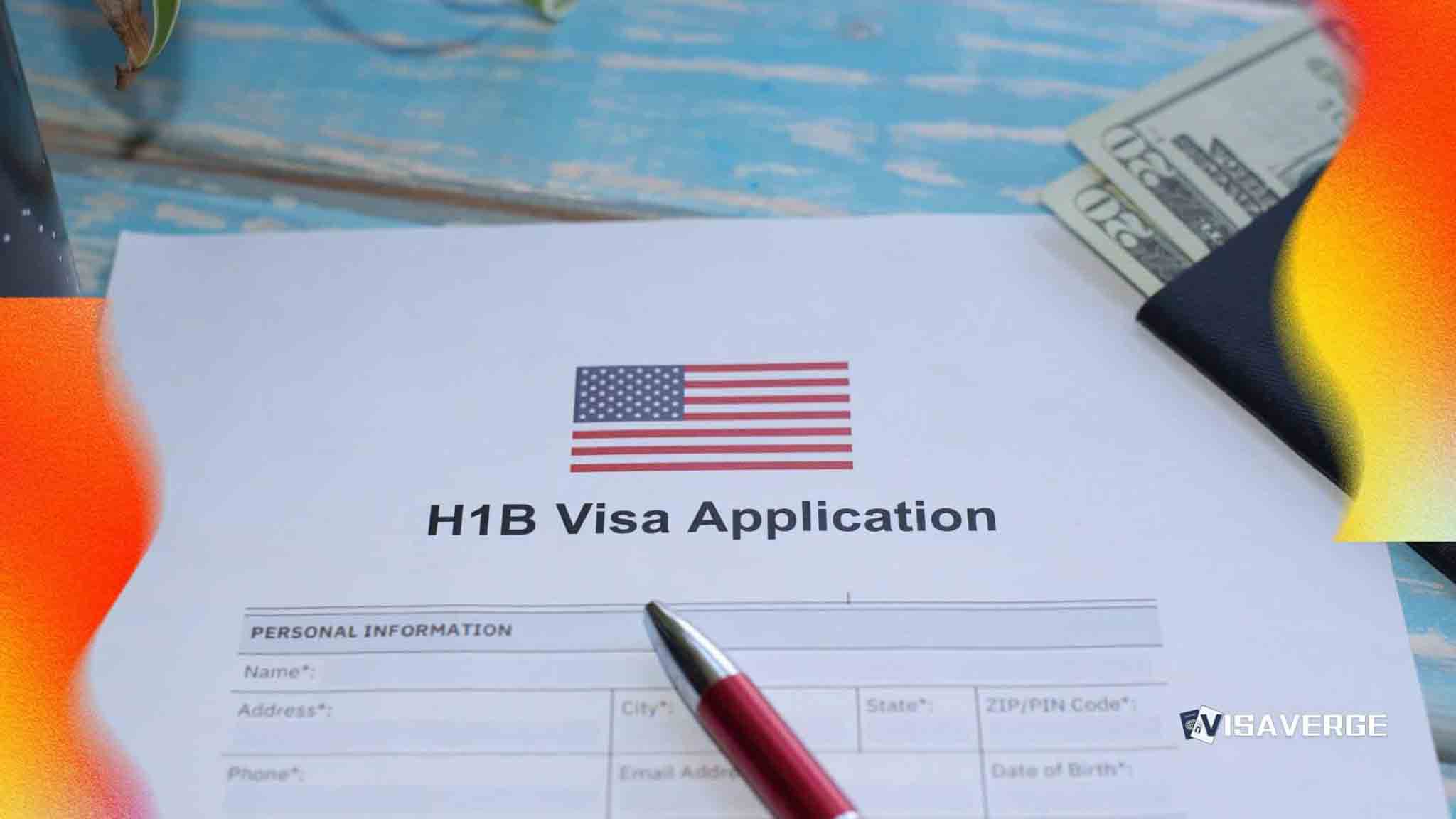
The H-1B visa program allows U.S. employers to hire foreign professionals for specialty occupations for a temporary period. These occupations often require specialized knowledge and a bachelor’s degree or higher. Key sectors using H-1B visas typically include technology, engineering, and medicine. Despite its intended purpose to fill skill gaps in the U.S. workforce, the program has encountered a myriad of scrutiny over its implementation, particularly concerning wage issues.

How Are Visa Limits and Cheap Labor Connected?
The principal topic often brought up in discussions about the H-1B visa is the concern over cheap labor. It has been revealed through various case studies, including practices by firms like Trivers, that employers might be underpaying these foreign workers compared to U.S. standards. For instance, in 2023, Trivers reported a prevailing wage for an architect at only $54,184.00 annually, according to their Labor Condition Application (LCA). However, data from the Bureau of Labor Statistics indicates that the median wage for the same job in St. Louis is significantly higher, at $82,414 annually. Such discrepancies suggest the exploitation of the visa system to save costs, often referred to as the “cheap labor” aspect of the H-1B visa.
Free toolH-1B Cost Calculator OnlineIs There an Enforcement Issue with H-1B Wages?
Strikingly, the enforcement of wage regulations in the H-1B program appears lax. The guidelines stipulate that employers must pay the higher of the prevailing wage or the wage paid to similar employees. This system, however, relies almost entirely on the employers’ “honor system” to report accurate wages. The submitted LCAs, including wage data, are not verified for accuracy by the Department of Labor before approval, as long as the forms are filled out correctly.
For example, an LCA submitted by Trivers in 2017 and again in 2023 shows they claimed a prevailing wage for an architect in St. Louis at far below the median wage for that area. With such practices, Trivers would potentially save about $26,000 annually per hired architect through this visa route—a significant motivation for preferring H-1B hires over local recruits.
What Can Be Done to Address These Problems?
To rectify issues within the H-1B visa framework, especially regarding wage disparities, stringent verification processes need to be introduced. Current regulations preventing the Department of Labor from reviewing LCAs post-approval and the USCIS during the visa procedure could be revised to ensure compliance more effectively.
Furthermore, the application process could be made more transparent, with random audits to verify the data provided by employers. This could help in ensuring that H-1B visas serve their original purpose rather than being exploited as a source of cheap labor.
For more detailed information on H-1B visa requirements and enforcement, you can visit the official U.S. Citizenship and Immigration Services (USCIS) website.
Conclusion
The H-1B visa undoubtedly plays a crucial role in filling the skilled labor gap in the U.S. However, its exploitation for hiring cheap labor due to lax enforcement and oversight has tarnished its intended benefits. Lifting the veil on such practices is essential, as is the role of corrective measures to restore the integrity of the visa process. If properly regulated, the H-1B visa program has the potential to significantly benefit the U.S. economy by filling genuine skill shortages without undercutting American workers or exploiting foreign professionals.
Learn Today:
- H-1B Visa Program:
The H-1B visa program permits U.S. employers to hire foreign professionals for specific occupations that necessitate specialized knowledge and at least a bachelor’s degree for a temporary period. Mainly utilized in sectors such as technology, engineering, and medicine, it aims to fill skill gaps in the U.S. workforce. However, it has faced criticism for potential exploitation, particularly regarding wage issues and cheap labor concerns. -
Specialty Occupations:
Specialty occupations, as defined in the context of the H-1B visa program, refer to jobs that require specialized knowledge and a higher educational qualification, typically a bachelor’s degree or above. Examples include roles in fields like technology, engineering, and healthcare where specific expertise is essential for performing the job duties. -
Prevailing Wage:
The prevailing wage is the average wage paid to workers in a specific occupation within a particular geographic area. In the context of the H-1B visa program, employers are mandated to pay H-1B workers the higher amount between the prevailing wage and the wage paid to similar local employees. Ensuring compliance with prevailing wage requirements aims to prevent the undercutting of local wages and the exploitation of foreign workers. -
Labor Condition Application (LCA):
A Labor Condition Application (LCA) is a document submitted by U.S. employers seeking to hire foreign workers under the H-1B visa program. It includes details about the job, location, and salary offered to the foreign worker. The LCA is a crucial component in the visa application process as it attests that the wage being paid to the H-1B worker meets or exceeds the prevailing wage for that role in the specific area of employment. -
Enforcement Measures:
Enforcement measures refer to the actions taken by government agencies, such as the Department of Labor and USCIS, to ensure compliance with H-1B visa regulations. These measures involve monitoring employers’ adherence to wage requirements, verifying the accuracy of submitted information, and conducting audits to deter any potential misuse or exploitation of the H-1B visa system. Strengthening enforcement measures is essential to address concerns related to wage disparities and the improper use of the H-1B program.
This Article In A Nutshell:
The H-1B visa allows U.S. firms to employ foreign professionals in specialized roles temporarily. However, concerns arise about companies underpaying visa holders compared to U.S. norms. Tightening wage enforcement and increasing transparency in the visa system can combat such issues and maintain the program’s intended purpose of bridging skill gaps ethically.
— By VisaVerge.com
Read more:
-
Understanding Spousal Work Rights: A Guide to H1B Spouse Visa
Learn more about H1B Spouse Visa and work eligibility in the USA -
Transitioning Between H1B and H4 Visas: Work Eligibility Explained
Navigating the switch from H1B to H4 and back, and the implications for work eligibility -
Rights and Remedies After an H1B Layoff: Are Return Trip Costs Covered?
Explore if you can get your return trip costs covered after an H1B layoff -
Status of H4 EAD After H1B Employer Transfer: What You Need to Know
Understanding how your H4 EAD status is affected by an H1B employer transfer