- Thailand’s Board of Investment reported 12,010 LTR Visa approvals over four years, through October fifth, twenty twenty-six.
- Wealthy pensioners led the listed categories with 4,561 approvals, while the category figures total one more than the overall count.
- The agency estimated one point twenty-eight billion dollars in economic value, and launched a digital processing portal in September twenty twenty-six.
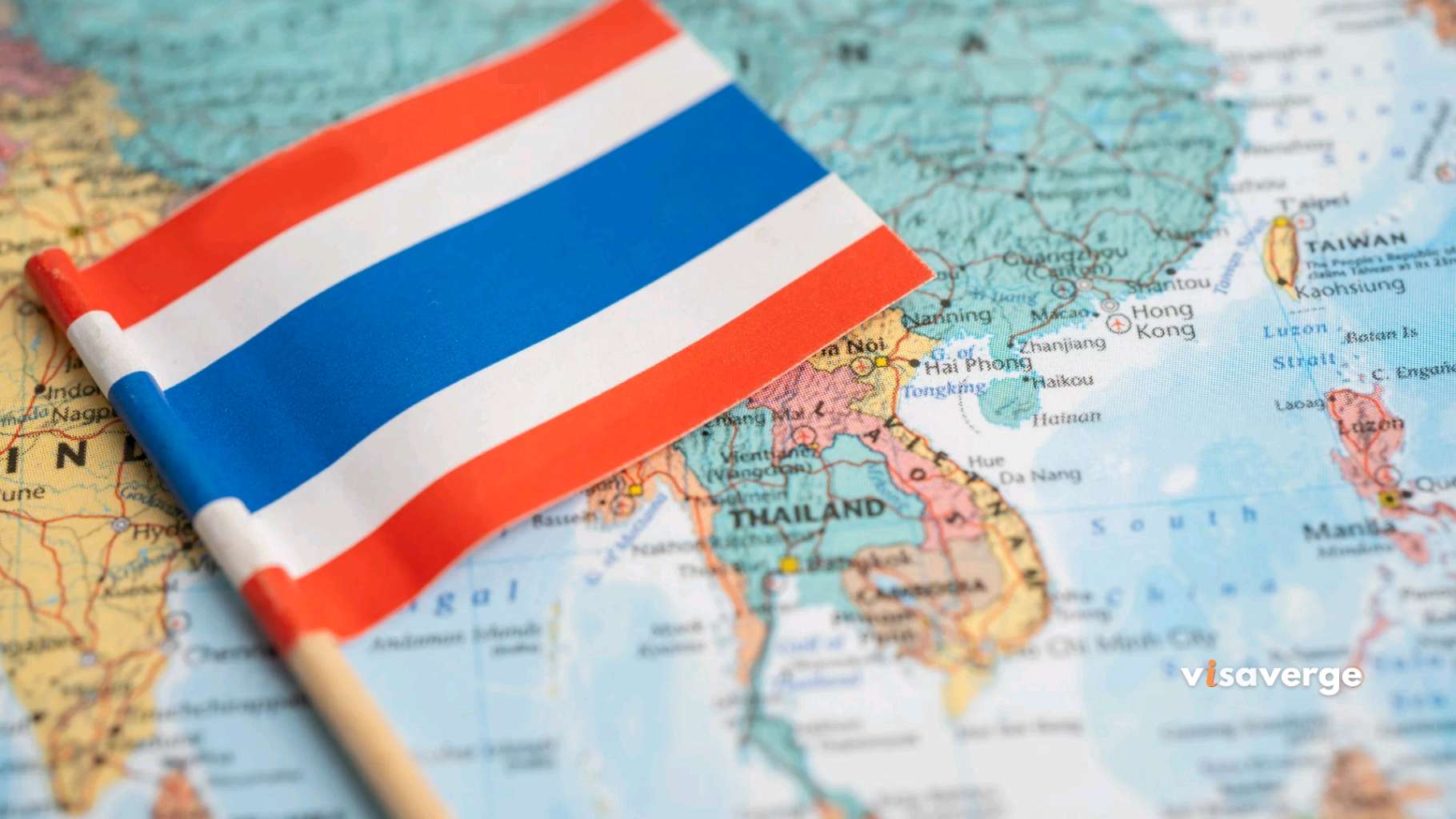
Thailand’s Board of Investment said its Long-Term Resident (LTR Visa) program recorded 12,010 approvals over four years and generated approximately USD 1.28 billion, or THB 43 billion, in economic value by October 5, 2026.
The scheme began in September 2022. It was created to attract high-potential foreign residents, including workers, wealthy individuals and retirees.
Free toolDS-160 Form Filling Online Helper Tool
The agency’s reported total covers approvals across those groups and their dependents. Its valuation is an estimate, not a count of money collected through a single channel.
A breakdown of the approvals shows wealthy pensioners as the largest listed category. The five figures, however, do not exactly match the overall total.
Pensioners lead the five reported approval categories
| Category | Approvals |
|---|---|
| Wealthy pensioners | 4,561 |
| Dependents | 3,891 |
| highly skilled professionals | 1,779 |
| Work-from-Thailand professionals | 1,043 |
| Wealthy global citizens | 737 |
The categories add up to 12,011, one more than the agency’s aggregate of 12,010. The discrepancy comes from the reported figures themselves.
Pensioners make up the largest listed group, followed by dependents. The remaining approvals fall among people identified as highly skilled professionals, people working from Thailand and wealthy global citizens.
The categories distinguish applicants by the group the program is designed to attract. Dependents appear as a separate line in the tally, alongside the four other classifications.
That breakdown offers a different view from the headline total. The overall figure counts approvals, while the category figures describe how the agency divides those approvals among its reported groups.
The economic estimate counts fees, spending, investment and tax
The Board of Investment put the average estimated economic value at more than USD 107,000, or THB 3.6 million, per recipient. It says the calculation includes visa fees, spending in Thailand and direct investment.
The agency also includes tax revenue from highly skilled professionals. Those inputs combine payments and economic activity in one estimate, rather than describing a single revenue stream.
Visa fees form one part of the calculation. Spending in Thailand and direct investment are counted separately, while the stated tax component specifically refers to revenue from skilled workers.
The reported USD 1.28 billion total and the average per-recipient figure are both presented as estimates of economic value. The approval count, by contrast, records the number of foreigners granted the visa over the four-year period.
The distinction is reflected in the components used. Some are payments associated with the visa, while others represent spending, investment or tax revenue included in the agency’s calculation.
A digital portal was rolled out in September 2026
A digital processing portal was rolled out in September 2026 with the stated aim of reducing administrative bottlenecks. The update came during the program’s fourth year.
The portal is the reported administrative change accompanying the milestone figures. The approvals and economic-value estimates describe the program’s reach and estimated contribution; the portal addresses processing.
The program’s launch date remains September 2022, while the portal rollout falls in September 2026. The BOI’s reported approval tally and economic estimate are dated October 5, 2026.