- Thailand plans to extend autogate access to 33 nationalities, but no eligible-country list has been published.
- The expansion is aimed at late-2026 rollout, though officials have not confirmed a start date.
- Thailand also ended its broad 60-day visa exemption on September fifteenth, twenty twenty-six.
Thailand is preparing to extend automated immigration gate access to 33 nationalities, but the public record available by September 18, 2026, does not name the travelers who will qualify. The expansion remains a plan rather than a completed rollout.
The proposed system would let selected foreign nationals use automated border checkpoints instead of relying on a conventional immigration desk. Thai authorities have not released a final roster in the material currently available.
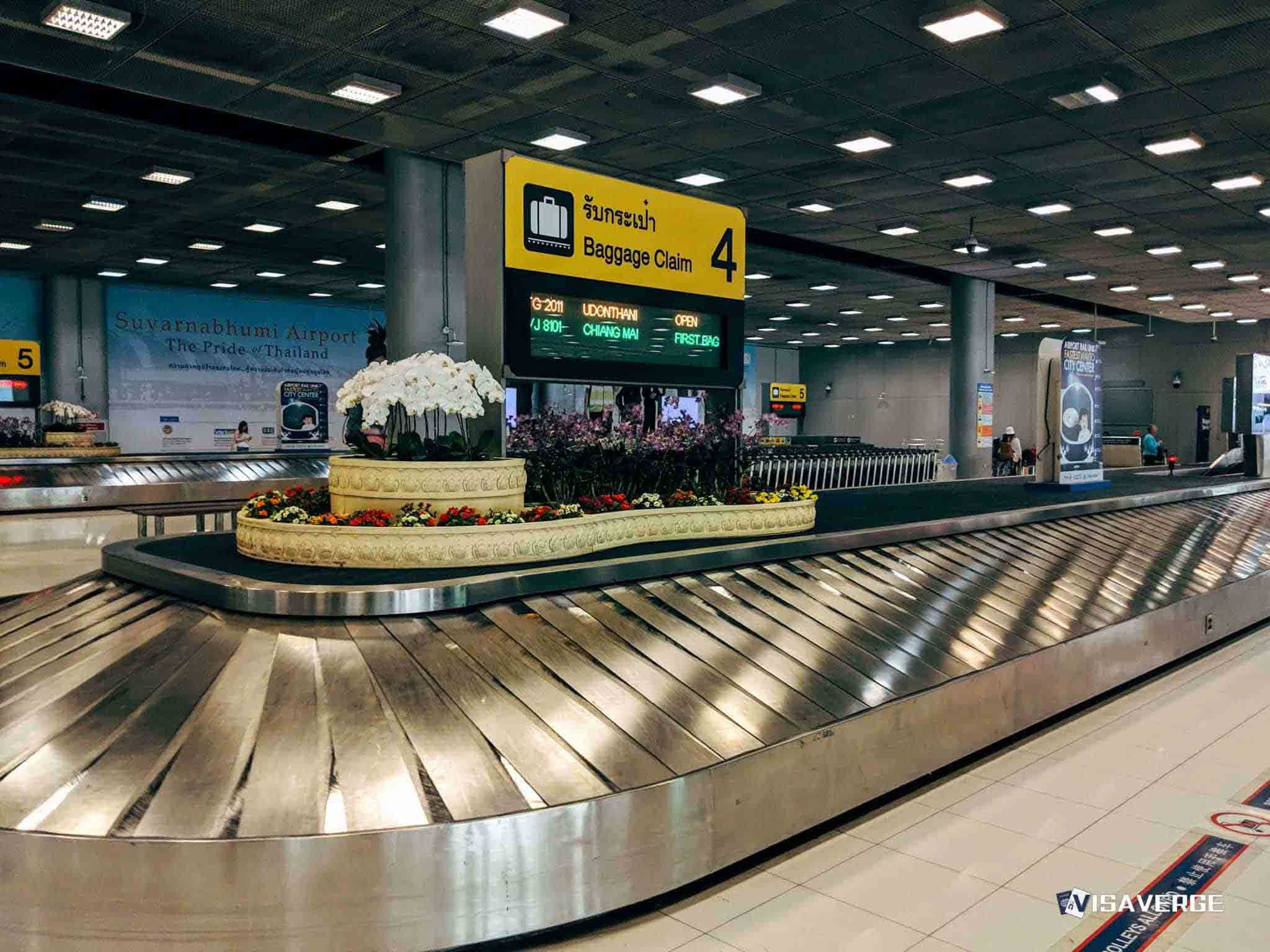
The launch timing also remains open. The plan points to late-2026, while the precise implementation date has not been published.
That leaves travelers with a number, but not a usable eligibility list. The names must come from a published Thai immigration notice before passengers can confirm whether they qualify.
Thailand’s border overhaul pairs faster processing with tighter entry rules
The gate expansion is moving alongside a broader revision of Thailand’s entry framework. The country ended its broad 60-day visa exemption on September 15, 2026.
Sixty nationalities and territories shifted to visa-free stays of 30 days. Mauritius and Seychelles received 15-day access, while Azerbaijan, Belarus, and Serbia remained eligible for Visa on Arrival for up to 15 days.
The categories are separate. A visa exemption does not, by itself, establish eligibility for an automated checkpoint.
Thai government explanations described the wider changes as an effort to improve visitor management, tighten immigration controls and national security, and continue facilitating travel and tourism. The revised framework has therefore combined easier processing for selected travelers with closer screening across the border system.
The planned gates sit inside a wider biometric and electronic system
Thailand’s border modernization includes more than passport kiosks. The wider system includes the Thailand Electronic Travel Authorization, or ETA, platform and automated border control, or ABC, biometric gates.
The technology is intended to support automated processing at the border. The planned nationality expansion forms one part of that modernization effort.
The public material does not identify the Thai official who signed an order covering the 33-nationality expansion. It also does not contain a final document listing the eligible countries or territories.
That distinction affects how travelers should read announcements about the project. A planned expansion is not the same as an active entitlement at every airport or border checkpoint.
The September rules have already changed the arrival calculation
Travelers arriving under the revised framework now need to match their nationality and intended stay to the applicable category. The 30-day exemption applies to 60 countries and territories, while Mauritius and Seychelles receive 15 days.
Azerbaijan, Belarus, and Serbia remain in the Visa on Arrival category for stays of up to 15 days. Those rules took effect on September 15, 2026.
The changes also ended the previous broad 60-day visa-free arrangement. A traveler planning a longer leisure visit may therefore face different conditions even if that traveler later qualifies to use an automated gate.
Tourism-focused commentary described the shorter visa-free period as less convenient for some longer-stay visitors. Thai officials presented the policy as a security and compliance measure.
The government-linked explanation emphasized improved immigration procedures and stronger national security. The stated policy also sought to preserve travel and tourism flows.
The gate program’s final shape will depend on the official publication. Until then, the confirmed fact is the size of the proposed expansion, not the identity of its beneficiaries.
Thai immigration authorities are expected to provide the operational details through the formal autogate list, including the eligible nationalities and the date the expanded access begins. The September 15 entry framework is already in force, but the planned gate roster remains the next document travelers need.