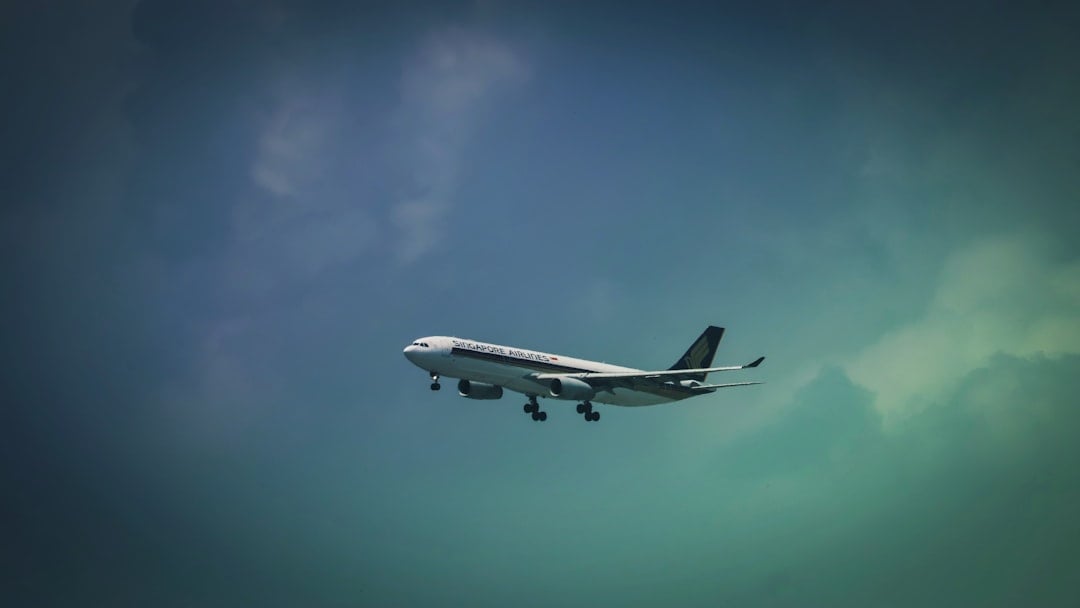
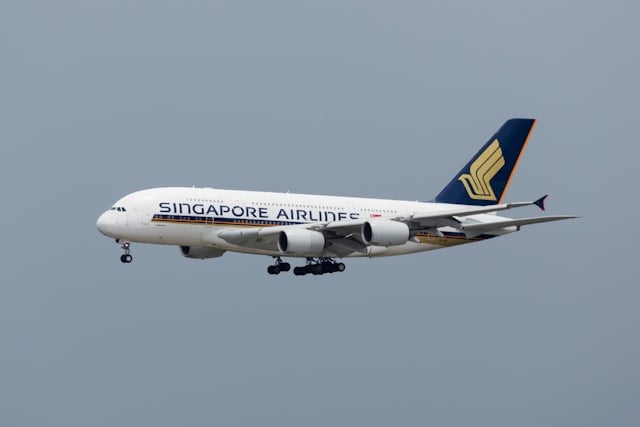
Singapore will introduce a world-first green fuel levy on air tickets from April 1, 2026, making it the first country to mandate a passenger charge dedicated to buying and using Sustainable Aviation Fuel (SAF). The levy will apply to tickets sold on or after that date for flights departing the city-state from October 1, 2026, and it will appear as a separate line on fares for all passengers leaving from Changi or Seletar, with transit passengers exempt. The move marks a clear shift in how countries may fund cleaner flying, with direct costs shared across travelers rather than relying on voluntary offsets or broad carbon taxes.
How the levy works

- The levy will be charged per departing passenger and collected by airlines, which will pass the funds to the government.
- The government will use the collected funds to purchase SAF for use at Singapore’s airports.
- Transit passengers are exempt; the levy applies only to passengers starting their journey in Singapore.
- Cargo operators will also contribute under a per-kilogram structure, extending the policy beyond passenger travel.
Price bands and examples
Each departing passenger will pay between S$1 and S$41.60 per ticket depending on cabin class and distance flown:
- S$1 — Economy/premium economy on short-haul routes (e.g., within Southeast Asia).
- S$10.40 — Economy/premium on long-haul routes (e.g., to the Americas or Europe).
- Up to S$41.60 — Business and first class on long-haul flights.
Examples:
– A family of four flying economy to Europe could pay just over S$40 in total for the levy.
– A solo business-class traveler on a long-haul route could see the top-tier charge.
SAF targets and rationale
Officials say SAF, made from waste oils, agricultural feedstock, and other low-carbon sources, can cut lifecycle emissions by up to 80% compared with conventional jet fuel.
Singapore’s initial SAF targets:
– 1% of jet fuel uplifted at its airports to be SAF by 2026.
– 3%–5% by 2030, subject to global supply and cost conditions.
These modest targets are intended to:
– Keep fares predictable while the SAF market scales.
– Provide a stable early buyer to encourage producers and investors.
– Align with cautious supply growth expectations and avoid sudden fare shocks.
Legal and administrative framework
- The CAAS (Amendment) Bill was introduced in Parliament in September 2025, formalizing the levy and creating a SAF Fund.
- The legislation consolidates how collections will be handled and how the money will be used, clarifying the chain from ticket purchase to fuel blending.
- Regulators have given early notice to airlines and ticketing systems so the levy can be built into fare displays and settlement processes before April 1, 2026.
- Effective travel date is October 1, 2026, allowing a six-month sales window to minimize system changes and confusion.
- The Civil Aviation Authority of Singapore will publish guidance, including how the levy interfaces with airline contracting and airport fuel blending. Official information: Civil Aviation Authority of Singapore.
Distinct line-item charging and close reporting are designed to build public confidence that funds flow to actual SAF purchases, not unrelated projects.
Market effects and industry implications
Benefits for airlines:
– Airlines gain a clearer, centralized purchasing path for SAF through government-funded allocations blended at airports.
– Small carriers may benefit by accessing pooled SAF allocations without negotiating individual deals at higher administrative cost.
– A predictable levy could soften price and supply volatility—long cited by industry groups as the main barrier to SAF adoption.
Wider impact:
– Singapore, as a major global hub, gives the levy an outsized effect on carrier planning and on how other countries gauge public response.
– If other hubs adopt similar schemes, producers could see growing, patchworked demand that scales into a global market, potentially lowering prices.
Consumer perspective and behavior
- The levy adds a modest but visible cost to airfares via a separate line item, which travel agents say will reduce confusion about fare changes.
- Some consumers may compare itineraries or departure points, though the transit exemption reduces the incentive to bypass Singapore.
- The clear fare line item allows passengers to see how the fee varies by class and route.
Monitoring and adjustments
- Authorities have said the fee may be adjusted as supply increases and costs change, signaling an intent to track market conditions rather than fix a long-term figure.
- Questions remain about how quickly the levy could rise if global SAF costs remain high; the government intends to balance affordability with emissions reduction needs.
- The transparent structure is intended to give policymakers data to revise amounts, targets, or supplier incentives as needed.
Policy significance and outlook
- Singapore’s approach establishes a mandatory, aviation-specific funding source tied directly to SAF procurement, unlike offset schemes or general carbon pricing.
- The program is not a pilot or voluntary campaign: it is a mandatory, transparent step to purchase more SAF and cut emissions at one of the world’s busiest gateways.
- Key upcoming milestones:
- April 1, 2026 — Ticketing systems must carry the levy on tickets sold.
- October 1, 2026 — Flights departing under the new rules begin.
- Early procurement and blending volumes will test whether the 1% SAF target for 2026 is achievable.
- 2030 — The 3%–5% range will test supply growth and investor appetite.
If the SAF blend at local airports rises in line with stated targets, the program will demonstrate that a modest, broad-based charge can deliver real fuel switching at a global hub. If supply lags, the transparent levy will still provide data and a mechanism to adjust policy levers and costs.
This Article in a Nutshell
Singapore will mandate a green fuel levy on tickets sold from April 1, 2026, for departures starting October 1, 2026. Charges will appear as a distinct fare line of S$1–S$41.60 per passenger depending on cabin and route; transit passengers are exempt. Airlines collect payments and transfer proceeds into a SAF Fund used to buy Sustainable Aviation Fuel. Targets aim for 1% SAF in 2026 and 3%–5% by 2030, with adjustments based on supply, costs and market response.