- Section 87A offers a full tax rebate for residents earning up to ₹12 lakh in 2026.
- The new tax regime increases the maximum rebate to ₹60,000 for eligible individuals.
- Non-resident Indians and entities like LLPs are strictly excluded from claiming this benefit.
(INDIA) — Section 87A of the Income Tax Act gives eligible resident individual taxpayers a direct rebate that can cut their income tax liability to nil in FY 2025-26, with different limits under the old and new tax regimes.
The provision works after tax is calculated, not before. That distinction shapes its value. Deductions reduce taxable income, while a rebate under Section 87A reduces the tax payable itself.
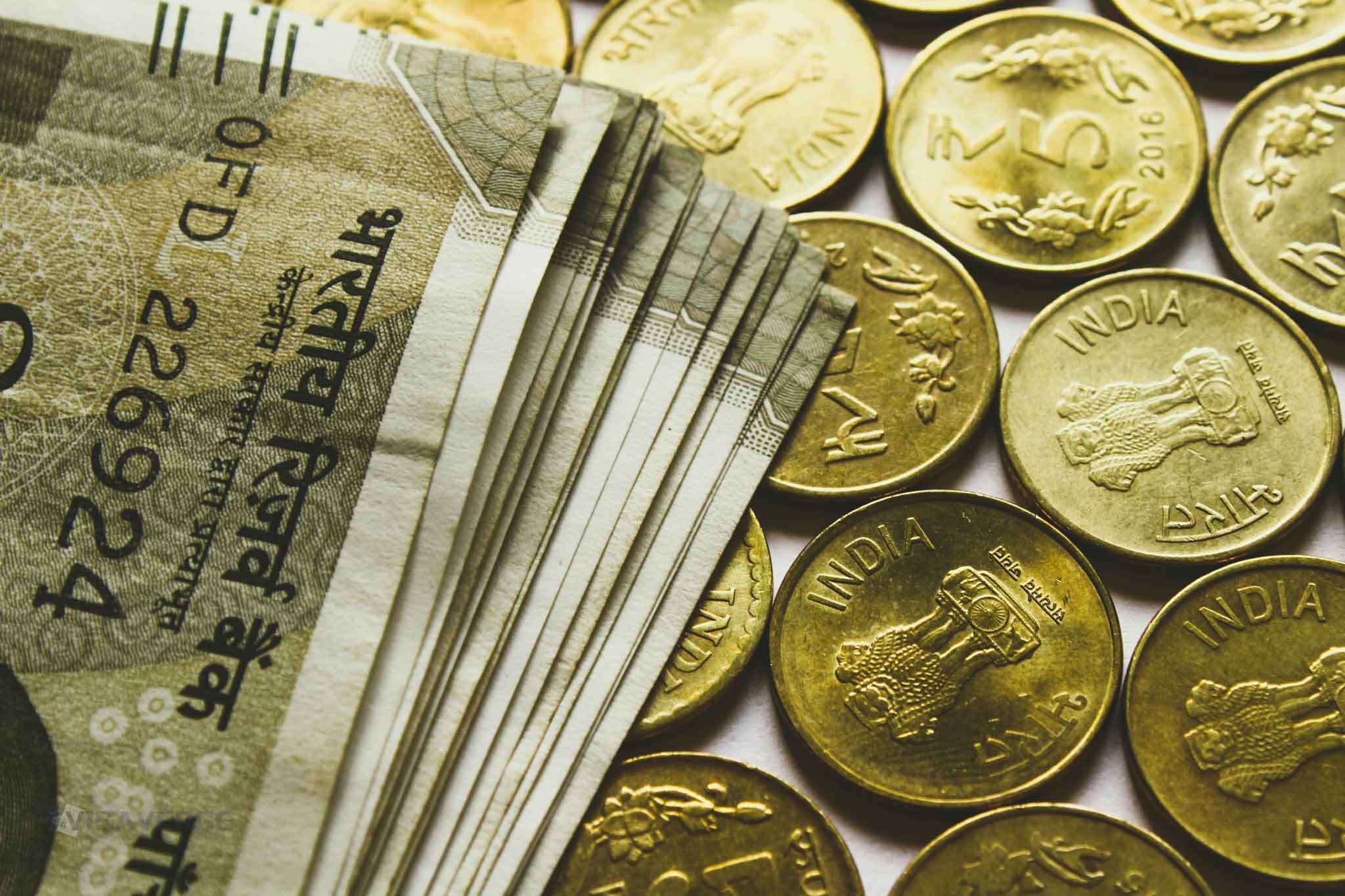
Eligible resident individuals can claim a rebate of up to ₹12,500 under the old regime if total income does not exceed ₹5 lakh. Under the new regime, the rebate rises to ₹60,000 if total income does not exceed ₹12 lakh.
A simple example shows how the rule operates. If tax payable is ₹12,500 and the taxpayer qualifies for a rebate of ₹12,500, the final tax liability becomes nil before cess.
That benefit is limited to resident individuals. Non-resident individuals cannot claim it. HUFs, firms, LLPs, companies, trusts and other non-individual taxpayers also fall outside the rebate.
Residential status sits at the center of eligibility. An Indian citizen or person of Indian origin living abroad may still earn rent, interest, capital gains, pension or investment income in India, but that alone does not open the door to the rebate.
The rule under the Income Tax Act turns on whether the person qualifies as a resident in India for that financial year. NRIs who assume that Indian citizenship settles the issue risk getting the filing wrong.
Returning Indians face the same test from a different angle. Days spent in India, the source of income and the applicable residential status rules all affect whether the rebate can be claimed in a valid return.
Under the old tax regime, the structure is narrower. A resident individual with total income of ₹5 lakh would face tax before rebate of ₹12,500. The rebate under Section 87A would also be ₹12,500, bringing final tax payable before cess to ₹0.
The new tax regime offers a much wider band of relief. A resident individual with total income of ₹12 lakh would face tax before rebate of ₹60,000, and the rebate would match that amount, again bringing final tax payable before cess to ₹0.
Both tax regimes therefore allow nil final tax liability within their respective income ceilings, but the thresholds differ sharply. Under the old regime, the income limit for rebate is ₹5 lakh. Under the new regime, it is ₹12 lakh.
The maximum rebate also separates the two systems. The old regime caps the rebate at ₹12,500. The new regime lifts it to ₹60,000. In both cases, the eligible taxpayer remains the same: a resident individual.
One more difference matters near the upper edge of the benefit. Marginal relief is not generally applicable under the old regime, while the new regime allows it in specified cases where income slightly exceeds ₹12 lakh.
Marginal relief addresses a narrow but important problem. Without it, a small rise in income above ₹12 lakh could trigger an additional tax burden out of proportion to the income increase.
Under the stated rule, the additional tax burden should not exceed the amount by which income exceeds ₹12 lakh. That keeps the new regime from producing a steeper jump in tax than the extra income itself.
Taxpayers still need to watch how the rebate is applied. Section 87A works against income tax before adding Health and Education Cess, and the rebate cannot exceed the tax payable.
The income ceiling also is not tested in the abstract. It is checked after eligible deductions and exemptions, depending on the regime chosen. That means the same gross income figure can produce different outcomes under the two systems.
Choice between the regimes cannot rest on the rebate alone. Salary structure, deductions, exemptions, house property income, investments and other sources of income all affect the final result.
Salaried employees close to the rebate threshold may compare the old regime’s deductions with the new regime’s standard deduction and lower slab rates. Pensioners and small taxpayers face the same arithmetic, though their income mix often differs.
Some forms of income need extra care. Certain incomes taxed at special rates, including some capital gains, may not receive the same rebate treatment, even when total income appears to fall within the broad threshold.
That point matters because broad income figures can mislead. A taxpayer may see total income within ₹5 lakh or ₹12 lakh and assume full relief follows automatically, but specially taxed income can alter the result.
Cross-border taxpayers have another layer to consider. Foreign income reporting, double taxation relief and tax residency issues can all affect the filing position, especially for globally mobile families and returning residents.
Students, visa holders and Indians who moved in or out of the country during the year need to review residential status before claiming the rebate. A wrong claim can lead to tax demand, interest or adjustment during return processing.
Small taxpayers stand to gain the most when the provision is used correctly. Section 87A directly reduces tax payable, which makes it more immediate than a deduction that merely reduces the income on which tax is computed.
Seen side by side, the two tax regimes offer the same endpoint for eligible taxpayers within their limits: nil final tax liability. They reach that result through different ceilings and different rebate amounts, with the new regime providing the larger cushion in FY 2025-26.
The old regime gives up to ₹12,500 where total income does not exceed ₹5 lakh. The new regime gives up to ₹60,000 where total income does not exceed ₹12 lakh. Resident status remains the gatekeeper in both cases.
NRIs and returning Indians therefore face a stricter filing discipline than the headline numbers suggest. Income level matters, but it does not decide the claim by itself. Under Section 87A of the Income Tax Act, residential status and the nature of income decide whether the rebate stands or falls.