- The new pact reshapes asylum processing with stricter security, health, and identity screenings at EU borders.
- A mandatory border procedure lasts up to twelve weeks for applicants from low-recognition-rate countries.
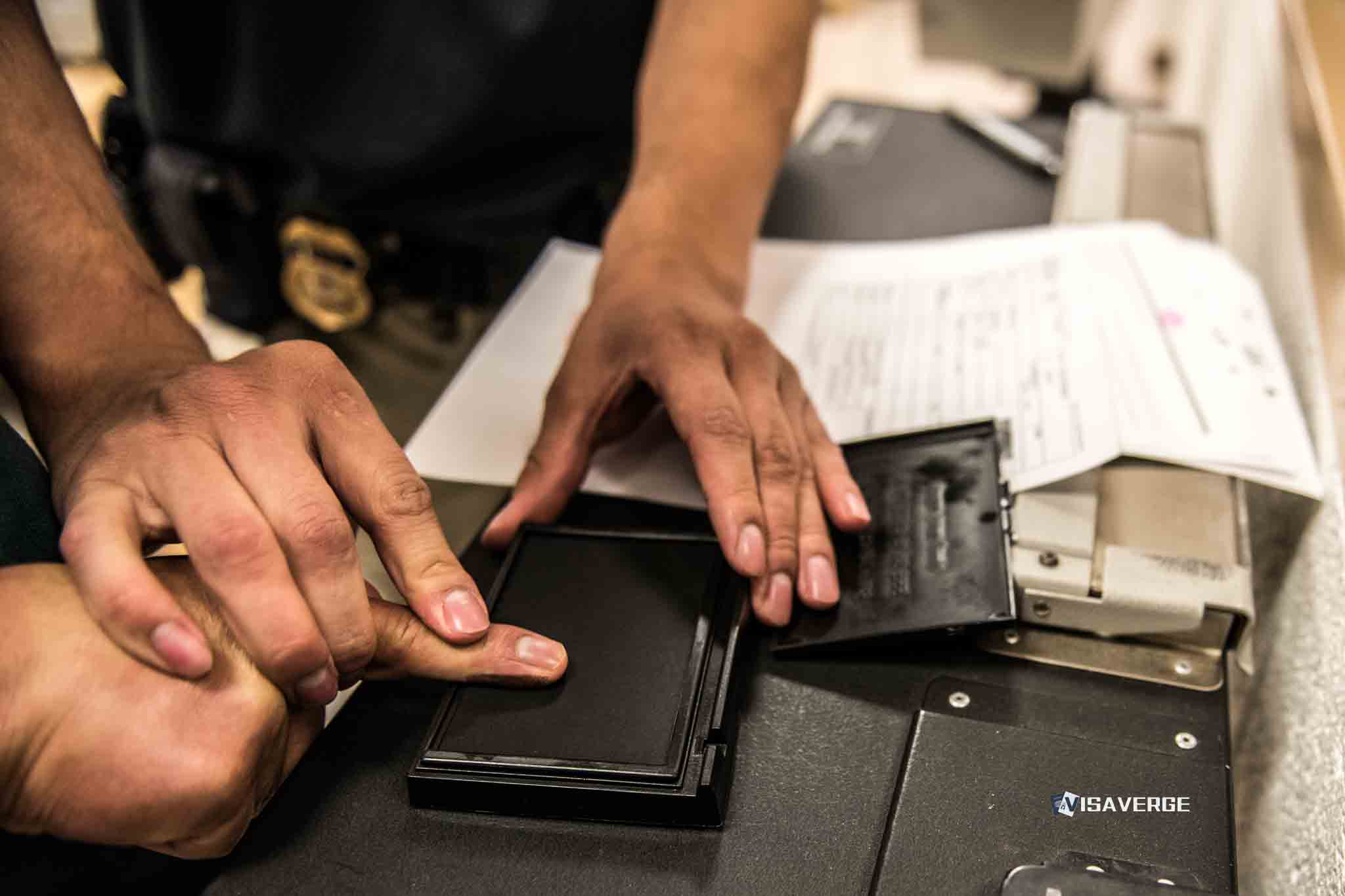
- Biometric collection now includes children aged six and older to improve identification and safety.
The EU Migration Pact began reshaping asylum processing on June 12, 2026, putting irregular arrivals through common identity, security, health and vulnerability checks before authorities route their cases. The first month has shown a stricter entry process, but not yet whether decisions are faster or more consistent across the bloc.
The new rules generally cover asylum applicants who lodged claims on or after June 12. Earlier applications ordinarily remain under the previous Asylum Procedures Directive. The formal lodging date matters, because expressing an intention to seek protection, registering a claim and lodging it are separate procedural stages.

Screening now includes identity and security checks, preliminary health examinations, vulnerability assessments, database searches and the collection or verification of biometric information. Authorities should normally complete it within seven days at an external border and within three days when a person is found inside EU territory.
The process is not an asylum decision. It directs each person toward a regular, accelerated, border, responsibility or return procedure.
| India | China | ROW | |
|---|---|---|---|
| EB-1 | Feb 01, 2023 | Aug 01, 2023 ▲31d | Current |
| EB-2 | Nov 01, 2013 | Oct 01, 2021 | Apr 01, 2025 ▲90d |
| EB-3 | Jan 22, 2014 ▲21d | Jan 22, 2022 ▲14d | Jun 15, 2024 ▲31d |
| F-1 | Jan 22, 2021 ▲366d | Jan 22, 2021 ▲366d | Jan 22, 2021 ▲366d |
| F-2A | Oct 22, 2026 ▲30d | Oct 22, 2026 ▲30d | Oct 22, 2026 ▲30d |
Eurodac, the bloc’s asylum and migration database, also expanded beyond fingerprints. It can now hold facial images, identity details, copies of travel or identity documents, application information, records of irregular entry or stay, and data connected to transfers and relocation.
The first month exposed technical and national readiness gaps
The upgraded database encountered technical problems on June 12. Dutch immigration authorities said it was not fully operational and that several Member States were affected. The European Commission described the disruption as an expected type of launch-day difficulty while countries connected to the system progressively.
The outage did not remove anyone’s right to seek asylum. It could still delay identification, registration, family tracing and decisions over which country handles a claim. People should retain registration documents and record when and where officials collected their biometrics.
The European Union Agency for Fundamental Rights found progress alongside uneven readiness. Gaps remained in Eurodac, screening facilities, border-procedure capacity, transfer systems, fundamental-rights safeguards and measures addressing unauthorised movement.
Denmark said some expanded Eurodac functions could not immediately operate fully without further national legislative amendments. That included the lower age threshold for biometric collection.
On July 16, the European Commission issued an initial assessment covering approximately the first three weeks of the revised responsibility system. It described operational cooperation as adequate in Cyprus and Spain, said Greece had started correcting earlier practices, and acknowledged extensive preparation by Italy. It also said further concrete steps were needed for transfers involving Italy.
Border procedures can keep people near the frontier for 12 weeks
The border procedure is mandatory for specified groups, including people from countries with an EU-wide protection recognition rate of 20% or lower. It can also apply where authorities believe a person intentionally misled them, presents a national-security or public-order risk, or falls under another mandatory accelerated-processing ground.
People placed in the procedure generally must remain at or near the border while officials examine the claim and any appeal. The law treats them as not authorised to enter the country’s territory during that period.
The normal maximum is 12 weeks, including the appeal stage. Certain relocations can extend it to 16 weeks. If authorities do not reach a final decision within the applicable period, the person should move into the regular asylum procedure and enter the territory.
A border procedure is not automatically detention. Authorities may impose movement restrictions or require accommodation in a designated facility without issuing a detention order. Detention requires a legal basis and an individual assessment of necessity and proportionality; EU guidance says it should be a last resort and last for the shortest possible period.
Unaccompanied minors generally remain outside the border procedure unless authorities consider them a security threat. The procedure should also stop when officials cannot provide required support for special procedural needs, ensure adequate reception conditions, handle the case’s legal or factual complexity, or when the claim appears likely to succeed.
That distinction may be tested where people cannot leave remote or secured facilities. The practical difference between movement restrictions and detention is likely to draw litigation.
Safe-country designations bring shorter deadlines
The bloc’s first common safe-country-of-origin list took effect on June 12. It names Bangladesh, Colombia, Egypt, India, Kosovo, Morocco and Tunisia. EU accession candidate countries also receive Union-level safe-country treatment unless an exception applies, including armed conflict, EU restrictive measures linked to fundamental rights or a protection recognition rate above 20%.
Member States may keep national lists containing additional countries. A listed nationality does not automatically defeat a protection claim. Officials must still assess an individual risk of persecution or serious harm.
The designation can, however, send a case into an accelerated or border procedure. Accelerated examination should generally finish within three months, giving applicants less time to obtain medical evidence, locate witnesses, secure translations and document persecution.
The accelerated grounds also include false or misleading information, refusal to provide required biometric data, an abusive claim, certain subsequent applications and security concerns.
A separate safe-third-country rule can have a different result. It concerns a country through which a person travelled, with which the person has a connection, or that is covered by an agreement or arrangement with a Member State. Authorities may declare a claim inadmissible without fully examining the persecution allegations if protection could be obtained there.
A prior personal connection is no longer always required. Transit or an agreement may suffice under the revised rules. Evidence about access to protection, treatment and the risk of removal or harm in that third country should be raised promptly.
Children face earlier biometric collection but receive added safeguards
The new Eurodac framework permits collection from children aged six and over, compared with the previous general threshold of 14. The stated purposes include identifying children, tracing missing minors and reducing trafficking and exploitation risks.
A representative or trained person should attend collection from an unaccompanied child. Staff should use child-sensitive procedures.
The rules also provide for immediate temporary representation and a permanent representative within 15 days after an application is made. The target ratio is no more than 30 unaccompanied children for each representative.
Other safeguards include multidisciplinary age assessment, less reliance on intrusive medical testing, stronger family tracing, education within two months and special consideration before detention or border placement. Medical age testing should generally follow only when an initial multidisciplinary assessment remains inconclusive.
Those protections depend on Member States having enough guardians, psychologists, paediatricians, interpreters and trained caseworkers.
Responsibility rules make unauthorised movement riskier
The revised system keeps one-country responsibility as its central rule. A person generally must apply in the country of first entry or legal stay unless another criterion applies.
Responsibility may instead follow an eligible family member, a current or recent visa or residence permit, visa-free arrangements connected to a country, a recent diploma from an educational institution there, or another legal connection.
Authorities can notify and transfer people back to the responsible country more easily. Someone who moves without authorisation may be transferred, receive only support needed for basic needs outside that country, lose an opportunity to provide information at a personal responsibility interview, or have a later claim treated as a subsequent application.
If the person absconds, the time available to carry out a transfer can extend to three years. Responsibility proceedings may continue during the person’s absence.
Family links remain important. The rules give family cases priority, strengthen tracing, shorten communications between countries, broaden some relationships formed before arrival and reduce reliance on unnecessarily difficult documents. Authorities should not automatically demand DNA tests or original civil records when coherent, verifiable and detailed circumstantial evidence exists.
Applicants should give officials relatives’ names, birth dates, addresses, telephone numbers, immigration details and relationship evidence during initial registration and screening.
Legal counselling and earlier access to school and work add safeguards
The pact creates a right to free legal counselling during the administrative phase. It covers rights and duties, lodging the claim, evidence and interviews, responsibility decisions, border procedures, non-compliance and challenges to adverse decisions.
The right applies in regular, accelerated, border and responsibility procedures. Appeal-stage legal assistance and representation remain subject to applicable legal conditions.
Counselling does not necessarily mean continuous personal representation by a lawyer throughout the first-instance process. National delivery systems, staffing and exceptions can affect the assistance provided.
Children should receive education as soon as possible and no later than two months after lodging an application. Labour-market access should generally come within six months of registration, compared with a previous EU maximum of nine months.
National procedures, documents, local employment conditions and restrictions tied to a person’s procedure can still affect practical access. Remote border facilities may make school or work difficult even where the entitlement exists in law.
Relocation does not create a right to choose a destination
The permanent solidarity system lets Member States contribute by relocating people, accepting responsibility for people already present, providing money, or supplying staff, equipment and other operational support.
Countries generally retain flexibility over the form of their contribution. Relocation may make another country responsible for a claim, but it does not give an individual a general right to select a destination based on language, employment or personal preference.
Family relationships and other responsibility criteria should be considered before relocation or transfer. The Commission also expects cooperation with identity checks, biometric collection, responsibility determinations and transfer decisions.
Repeat claims face tighter admissibility rules. A claim made in one Member State after a final decision in another may qualify as a subsequent application. Without a genuinely new element, it may be rejected as inadmissible; relevant new evidence can still lead to accelerated processing.
In some repeat-claim cases, an applicant may lack an automatic right to remain during the administrative process or appeal. A return decision may therefore be enforceable unless a court permits continued stay. Changed country conditions, later threats and new medical findings should be identified clearly.
The first month cannot yet measure outcomes
Public EU-wide data does not yet show whether average processing times have fallen, how many people entered border procedures, or how often safe-country presumptions were overturned. It also does not establish whether appeals reversed border decisions or whether counselling and vulnerability screening operate consistently.
The same gap applies to detention use, compliance with the six-month employment deadline, relocations under the solidarity mechanism and consistency in recognition outcomes.
Fundamental-rights concerns also continue at external borders. The Fundamental Rights Agency has reported allegations of violence, summary returns and restricted access to asylum, while stressing that screening and border procedures must comply with non-refoulement and other rights obligations.
The new framework creates monitoring duties, but effective monitoring requires independent bodies with access, staff and funding. Its first month therefore records an implementation phase, marked by a difficult database launch and uneven preparation, rather than a settled performance record.
Applicants should ask for confirmation of registration and lodging dates, disclose health conditions, disability, pregnancy, trauma and other vulnerabilities, identify family links and prior EU visas or education, request counselling, attend appointments and obtain written decisions. Legal advice is especially important before moving to another Member State or when a refusal arrives with a return decision.
This article provides general information and is not legal advice. Consult a qualified immigration attorney about your specific case.