- Airport ground staff strike on June 18 will impact Paris CDG, Orly, and Le Bourget airports.
- Disruptions target ground operations only, meaning runways remain open but queues and baggage delays will spike.
- Charles de Gaulle (CDG) faces the highest risk for travelers due to its complex flight connection networks.
(PARIS, FRANCE) — If your trip touches Paris on Thursday, 18 June 2026, CDG is the riskiest option, Orly should be slightly easier, and Le Bourget is the least likely to affect most commercial flyers. The strike is set for 24 hours and targets ground operations, so the biggest problems should be queues, baggage delays and missed connections rather than a shutdown of French airspace.
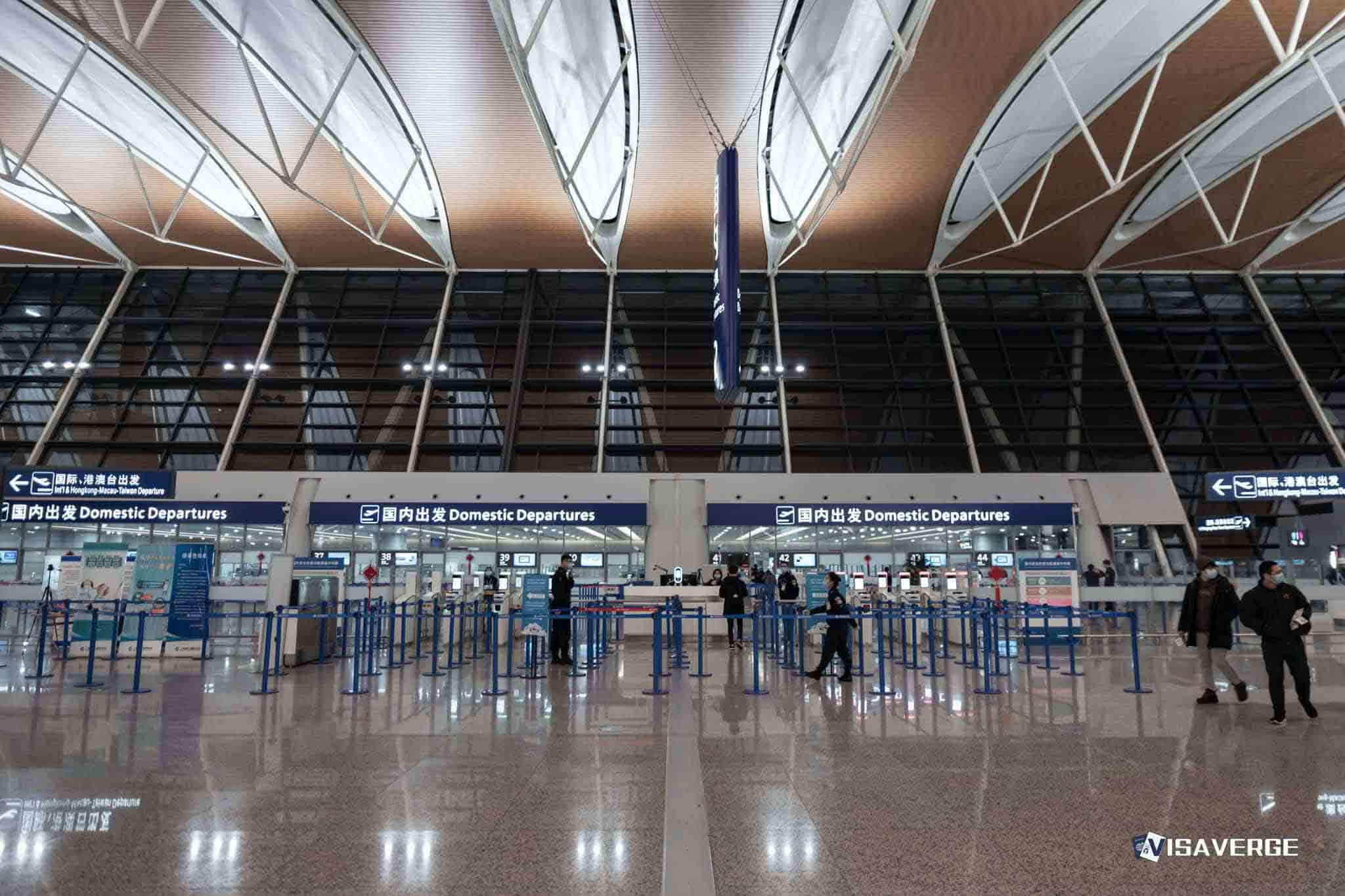
Travellers using Paris Charles de Gaulle (CDG), Orly (ORY) or Le Bourget (LBG) should expect a rough operating day. The action has been called by airport workers, not air traffic controllers, which changes the profile of the disruption. Runways stay open. The pressure points sit on the ground: check-in desks, baggage belts, ramps, boarding flows and aircraft turnaround times.
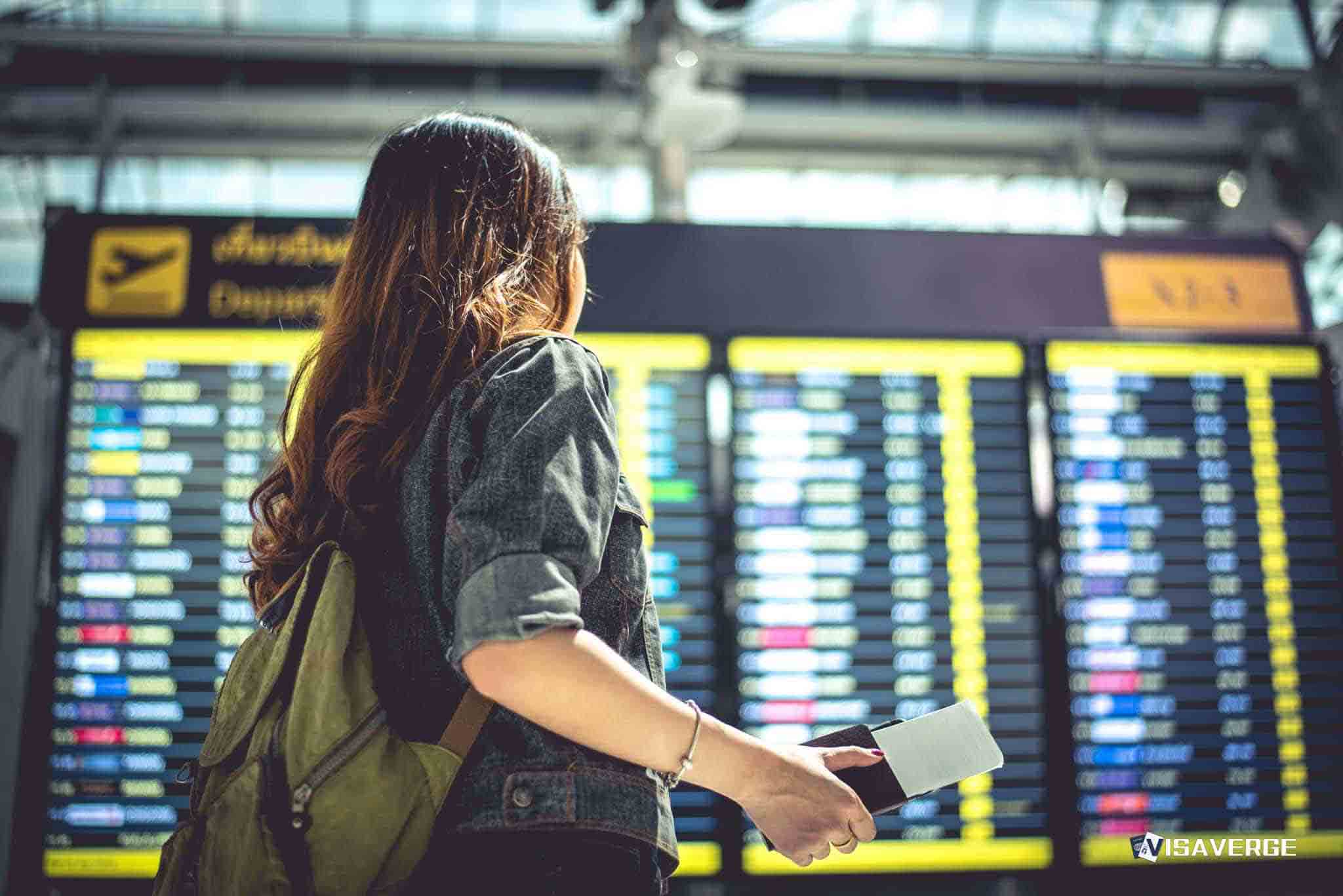
That distinction matters most at CDG, where tight connections are already common. A short layover that normally looks safe can become a problem fast if a baggage cart is late or a departure pushes back by 20 minutes. Orly should see less network-wide fallout, but it is still part of the action. Le Bourget is included in the strike call, though most passengers only encounter it indirectly through private, business or charter operations.
Here is the quick comparison.
| Factor | CDG | Orly | Le Bourget |
|---|---|---|---|
| Strike exposure | Highest | Moderate | Lower for most commercial travellers |
| Main risk | Missed connections, baggage delays, long queues | Delayed departures, slower ground handling | Operational disruption for affected flights and airport services |
| Connection sensitivity | High, especially on short layovers | Lower than CDG, but still present | Limited for most scheduled airline passengers |
| Who feels it most | Long-haul and connecting passengers | Point-to-point travellers | Business aviation and airport staff-dependent operations |
| Best approach | Build in a wide buffer | Check status early, then again before leaving | Confirm access and timing well ahead of departure |
The strike has been called by baggage handlers, ramp agents, check-in staff, security-badge holders, cleaning crews, retail workers and other ground personnel. Their complaint centers on tighter rules for issuing and renewing airport security badges, which they say could affect access to secure areas and job security. Air traffic controllers are not part of the strike, so this is not the kind of stoppage that typically closes airspace or grounds flights nationwide.
That difference is important because ground-staff strikes usually work differently from ATC walkouts. A controller strike can force cancellations across the system. A ground operation strike tends to create a messier but more local problem. Flights still operate, but they do so more slowly, with more friction and less margin for error.
Paris airports have already flagged specific operational pressure points. A demonstration at 10:00 a.m. is planned in front of the Roissy-CDG airport prefecture offices, Terminal 1. The mobilization includes staff in security, handling, cleaning and retail, so the disruption will not be uniform. One terminal may run close to normal while another gets bogged down.
That unevenness is what makes the day hard to read from home. A departure board can still look healthy in the morning, then slide as queues build and aircraft start arriving late to gates. Baggage is one of the first places travellers notice the strain. One delayed bag cart can ripple through an entire bank of departures.
Airlines are likely to respond in different ways depending on staffing, load factors and how much slack sits in the schedule. Some will absorb the delays and try to operate normally. Others will issue rebooking options or voluntary changes if the day starts slipping. If you are holding a reward ticket, keep the airline app open and check for schedule-change offers as soon as the first alert lands. Rebooking on the app is often faster than waiting on the phone, especially during a strike.
The practical difference between the airports is straightforward.
- CDG is the main casualty. It handles the bulk of Paris’s long-haul and transfer traffic, so any delay there has more places to spread.
- Orly is less transfer-heavy, which helps, but the strike still affects ground operations.
- Le Bourget is mainly a different kind of airport altogether, so the average scheduled-airline passenger will feel less direct impact there.
If your ticket runs through CDG, the connection risk is the part to watch most closely. Even a modest delay on the inbound leg can wipe out a short layover. That is especially true if your bags need to be transferred and your next flight leaves from a busy terminal. The safest answer is to leave a larger buffer than usual, even if that means choosing a later connection or an overnight stop.
If you are flying into or out of Orly, the best move is still simple: check flight status before leaving home, then check again before departure. The airport may never look chaotic from the curb, but a slower ramp operation can still push a flight off schedule. If you are checking a bag, expect slower handling and plan around it. A cabin bag reduces one layer of risk, even though it does nothing for boarding delays.
Le Bourget sits in a different lane. Most travellers will not pass through it on a typical commercial itinerary. The strike list includes it because airport workers there are part of the action, but the practical disruption is likely to be concentrated around the flights and services that actually operate there. Business aviation customers and airport staff should confirm timing early and avoid tight handoffs.
That makes the choice between routing options fairly clear.
Choose CDG if your itinerary is already locked in and the fare or award seat is worth the risk, but give yourself the widest possible connection window. If you can avoid a same-day transfer through Paris, do it.
Choose Orly if your trip starts or ends there and you want the less transfer-heavy option. The airport is still affected, but the consequences should be more contained than at CDG.
Choose Le Bourget only if your travel is specifically tied to that airport. Most commercial passengers will not need to plan around it directly.
⚠️ Heads Up: The biggest risk on 18 June is not a full shutdown. It is a day of slow ground handling, longer queues and missed connections that snowball as the schedule slips.
The broader context also favors caution over panic. A ground-staff strike usually leaves more flights operating than an air traffic control action, and that means passengers often get stuck in delay mode rather than cancellation mode. The trip still happens, just later and with more uncertainty. That is harder to plan around than a clean cancellation, because the problems unfold in stages.
Airline messaging will matter. The first alert may only show a minor delay. The second can turn into a rebooking notice. The third can force a missed connection onto a later flight. Keep notifications turned on and watch both the airline app and your email. If the carrier offers a schedule-change option, act quickly before the better alternatives disappear.
Frequent flyers should also think about the points side of the trip. When a flight is delayed but not cancelled, elite benefits and paid-fare earning usually remain tied to the rebooked itinerary. Award tickets can be easier to move than cash fares if the airline opens alternate space, but the options depend on carrier policy and available inventory. If you are chasing status, a missed connection can also change where and when your segments post, which matters near the end of a qualification period.
That is especially true for passengers connecting through Paris on multi-airline itineraries. A delay at CDG can affect more than one carrier, and the rebooking chain may depend on partner inventory rather than the original flight alone. If your journey includes separate tickets, the risk rises again. One delayed arrival can leave the second airline no obligation to wait.
The safest play is to treat 18 June as a day to simplify. Pick nonstop flights if the fare gap is reasonable. If that is not possible, choose the longest connection you can tolerate. Pack essentials in your cabin bag. Keep airport arrival times generous. And if your itinerary runs through CDG, assume the connection clock starts ticking the moment the first inbound aircraft leaves the gate.
The strike may not close the skies over Paris, but it can still make a normal day feel fragile. If you are booked through CDG, the best protection is extra time. If you are passing through Orly, keep a close eye on status updates. If your plans touch Le Bourget, confirm the operation directly and do not rely on a last-minute airport run. The schedule on Thursday, 18 June 2026 is likely to reward patience more than precision.