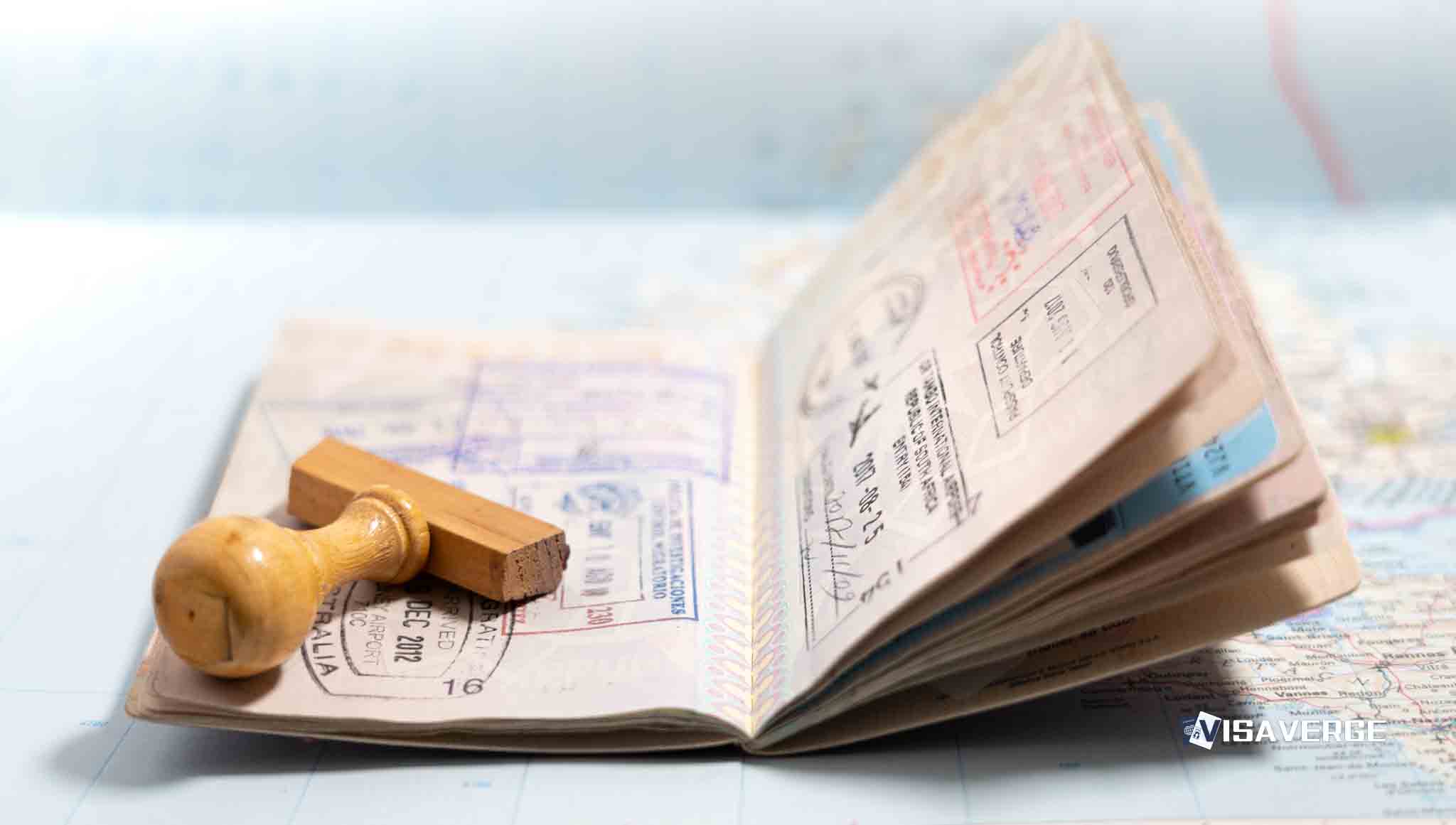
- Citizens of Saudi Arabia and Russia enjoy visa-free travel for tourism and business stays up to 90 days.
- Russian law limits visa-free stays to a total of 90 days per calendar year for Saudi travelers.
- Overstaying in Russia can lead to fines and entry bans of up to three years.
- The agreement excludes work and study, requiring specific visas for these categories.
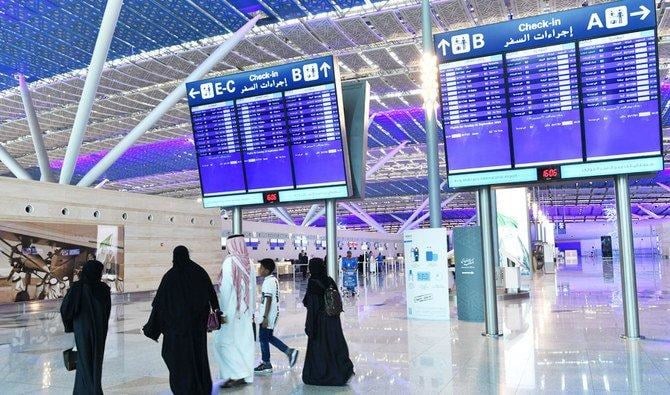
(SAUDI ARABIA, RUSSIA) – Saudi Arabia and Russia are operating a mutual visa-free travel agreement that took effect on May 11, 2025, allowing citizens of each country to enter the other for tourism or business stays of up to 90 days.
The arrangement remained in force as of May 11, 2026, with no reported changes or suspensions. It covers short visits for tourism and business, not broader categories of travel that still require visas.
Free toolB1/B2 Tourist Visa Stay Calculator online
Saudi citizens heading to Russia can enter without a visa for stays of as long as 90 days, but the current Russian rule is tighter than a simple per-trip allowance. In 2026, Russia limits visa-free stays for most nationalities, including Saudis under this agreement, to 90 days within any one calendar year, from January 1 through December 31, under Federal Law No. 260-FZ, which took effect on January 1, 2025.
That annual cap replaced the earlier system of 90 days within 180-day rolling period. A Saudi traveler can leave Russia and return later in the same year, but re-entry remains tied to the total number of days already used in that calendar year.
Unused days do not carry over from one year to the next. Russian authorities track time spent in the country through migration cards and border databases, a detail that matters for repeat travelers who split visits across several trips rather than using one uninterrupted stay.
Internal travel inside Russia also counts toward the same 90-day limit. A visitor who enters Moscow and later moves to another city does not restart the clock, and anyone who loses a migration card must report it to local police or the OVM.
Russia allows extensions in limited cases, including employment, education, or family ties to Russian nationals. Travelers seeking extra time must submit a request to the MVD before the permitted stay expires.
Overstaying carries financial and immigration penalties. Saudi travelers who remain beyond the limit can face fines of up to 7,000 RUB and potential 3-year entry bans.
The visa-free arrangement does not cover every type of travel document or purpose. It does not apply to work, study, or diplomatic and service passports, which still require visas, and a valid passport remains necessary for travel in both directions.
Biometric passports are preferred in some cases. That point appears repeatedly in the practical guidance tied to the agreement, alongside the broader requirement that travelers carry valid documents that match the purpose and duration of their visit.
Russian citizens traveling to Saudi Arabia can also use the pact for tourism or business visits of up to 90 days per visit. The agreement places Russians alongside other travelers who can make short entries without going through the standard visa process for each trip.
Saudi Arabia still maintains other visa channels for Russian citizens who need them. The [Tourist eVisa](https://visa.visitsaudi.com) is valid for 1 year (365 days), permits stays of up to 90 days per visit, allows multiple entries, and costs SAR 535.
Saudi authorities say travelers should apply online through [visitsaudi.com](https://visa.visitsaudi.com) at least 2 business days before travel for the Tourist eVisa. That route covers tourism, Umrah outside Hajj, events, and visits to family or friends.
A second option remains available through the Stopover Transit eVisa. It carries a validity of 90 days, permits a stay of up to 96 hours, allows a single entry, and is free.
The stopover route applies to citizens or residents of more than 60 countries and to holders of GCC, UK, USA, or Schengen tourist visas. Those options matter mainly when a traveler falls outside the visa-free travel arrangement or needs a different entry framework for the trip.
Saudi Arabia already allows citizens of Kuwait, Oman, and the UAE to enter visa-free for 90 days for tourism and short visits. Russians now travel under a similar baseline through the newer pact, placing them within a wider regional pattern of short-term access for selected nationalities.
The first year of operation appears to have brought administrative stability rather than repeated rule changes. The agreement activated on May 11, 2025, and the current position on May 11, 2026 is that it remains fully operational.
Travelers still need to distinguish carefully between the bilateral agreement and each country’s domestic immigration rules. Saudi citizens can enter Russia without a visa for short tourism or business trips, but Russian law now measures their stays against a yearly total under Federal Law No. 260-FZ, not the older rolling-period formula.
That detail carries practical consequences for businesspeople who make repeated visits. A traveler who spends several weeks in Russia early in the year keeps drawing down the same annual allowance, and a later return trip remains possible only if the total time spent in 2026 stays below 90 days.
Saudi Arabia’s side of the arrangement reads more simply from the traveler’s perspective. Russian citizens can make tourism or business visits of up to 90 days under the pact, while those who need a separate visa can check terms through the [Saudi visa portal](https://visa.visitsaudi.com).
Russian travelers looking for official guidance on entry rules can also check [mid.ru](https://www.mid.ru) alongside MVD clarifications. Saudi travelers bound for Russia face the stricter compliance burden because the count of days, re-entry, extensions, and overstay penalties all sit inside Russia’s domestic enforcement system.
Saudi Arabia’s travel guidance also includes a safety advisory against travel to Sudan and Syria. That advisory sits outside the Russia agreement itself, but it remains part of the broader official information travelers may encounter while checking eligibility and trip planning.
The deal’s appeal is straightforward: visa-free travel for tourism and business, short stays of up to 90 days, and simpler entry rules than the standard visa process. Its limits are just as clear, especially in Russia, where annual time caps, migration records, and penalties for overstays shape how freely travelers can use the agreement after that first entry stamp.