- Ryanair and Vodafone Ireland signed a nine-year contract to renew their technology partnership through 2035.
- The deal covers connectivity, cloud, security and managed services across more than 400 European locations.
- The airline supports about 26,000 handheld devices as it targets 300 million passengers annually by 2034.
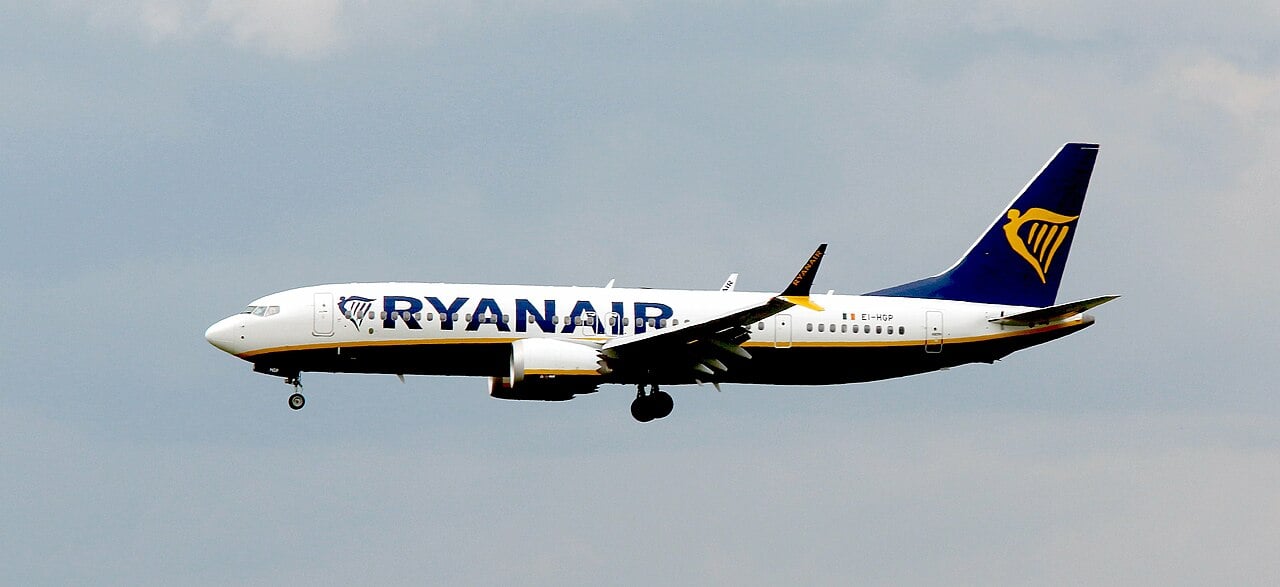
Ryanair and Vodafone Ireland renewed their long-standing partnership Monday with a nine-year contract, extending an arrangement that began in 2001. The deal will provide technology services across the airline’s European operations.
The agreement covers connectivity, cloud, security and managed services. It also brings telecommunications, cybersecurity and other support under one managed framework.
The companies announced the renewal on September 21, 2026. The provider will serve more than 400 locations in Europe, including offices, hangars and training centres.
The arrangement comes as the airline pursues a major expansion in passenger numbers. It currently carries 214 million passengers this year across 35 countries and has set a target of 300 million passengers annually by 2034.
Jo Gilfoy, Director of Vodafone Business, Vodafone Ireland, said the renewed agreement “reflects the strength of the partnership and the shared ambition to use technology to drive innovation, efficiency and exceptional customer experiences.”
The technology framework will support the airline’s next growth phase
The contract supports about 26,000 handheld devices used throughout the airline. Pilots, cabin crew, operations teams, engineers and ground staff rely on those devices in their daily work.
The services are designed to keep information moving between airport teams and the wider operation. They support crew communications, maintenance updates, operational reporting and passenger service tools.
Real-time flight information is also part of the system. That gives staff access to operational data while aircraft and ground teams carry out their work.
The companies described the arrangement as a continuation of a relationship that has operated for 25 years. The original partnership began in 2001.
Crew and ground teams will use one managed technology framework
The expanded framework combines several functions that airlines typically need across dispersed locations. Connectivity links sites and workers, while cloud services support digital operations and security measures protect the network and information it carries.
The scope reaches beyond aircraft operations. Offices, hangars and training centres are included among the more than 400 European locations covered by the deal.
About 26,000 handheld devices form the frontline technology layer. Staff across flight operations, engineering, maintenance and passenger services use them to receive updates and report activity.
The system also supports the airline’s operational reporting and passenger-facing tools. Those functions connect technical work with the airport experience.
The partnership now runs toward a 2034 passenger target
The airline’s 2034 goal would represent a substantial increase from the 214 million passengers it says it is carrying this year. Its network currently spans 35 countries.
The contract gives the technology partnership a nine-year horizon alongside that growth plan. Vodafone’s services will cover the infrastructure and devices used across the airline’s European footprint as the target approaches.