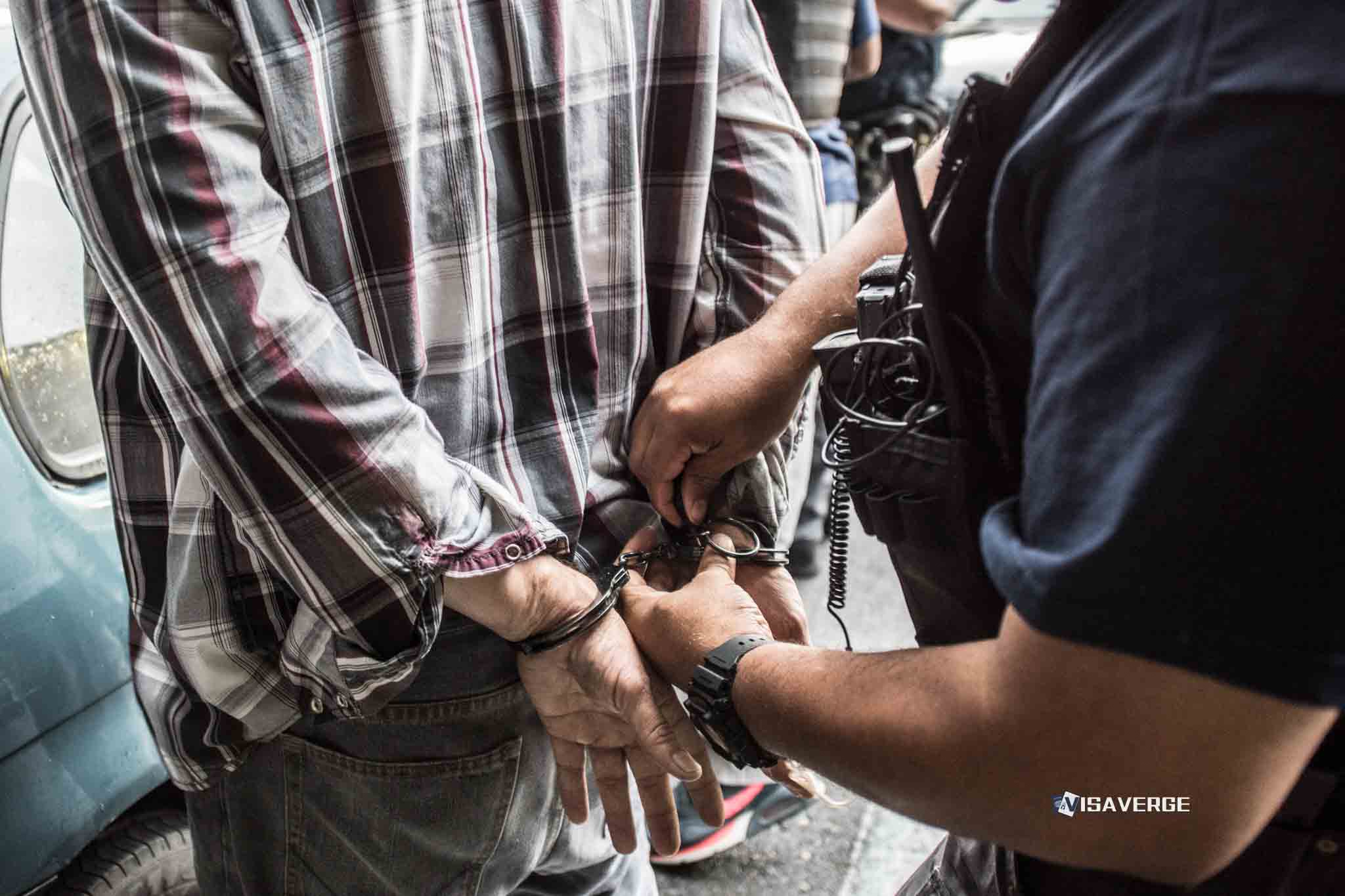
Secretary of State Marco Rubio warned in a press briefing that Americans could one day be arrested in Europe for old social media posts when they land at airports. He framed the possibility as a growing concern tied to European speech rules and enforcement actions.
“Are we going to live in a world where some American puts up a social media post and then gets to some airport somewhere and is arrested?” Rubio asked, describing the risk as part of broader pressure from European regulators and officials.

Rubio’s response and U.S. measures
Rubio called European officials’ talk of pursuing U.S. citizens over posts on American platforms “unacceptable”. He said the Trump administration would counter such actions, including visa bans on former EU Commissioner Thierry Breton and four others accused of coercing U.S. platforms to censor content.
Free toolSchengen Short-Stay Visa CalculatorThis response aligns with a wider U.S. conservative pushback against European regulation of online platforms, including the European Union’s Digital Services Act (DSA). Rubio cited the DSA when describing pressure on companies such as X and the risk of multimillion-dollar fines.
Political and industry echoes
Rubio’s remarks echoed critiques from other prominent figures:
- House Judiciary Chair Jim Jordan, who praised the policy stance.
- Vice President JD Vance, who delivered a speech at the Munich Security Conference in February 2025.
- Meta CEO Mark Zuckerberg, amid GOP pushback on Europe’s Digital Markets Act and DSA.
European leaders, including Henna Virkkunen, the European Commission tech chief, have denied targeting U.S. companies.
Specific incidents cited as warnings
Rubio pointed to public statements and cases in the UK and Europe as signals that speech policing could spill into travel consequences for Americans who post online.
Key incidents referenced in the debate include:
| Date | Person | Location | Allegation / Action |
|---|---|---|---|
| August 2024 | Mark Rowley (statement) | London | London Metropolitan Police Commissioner threatened extradition and jail for U.S. citizens posting online content “egging on” UK riots. |
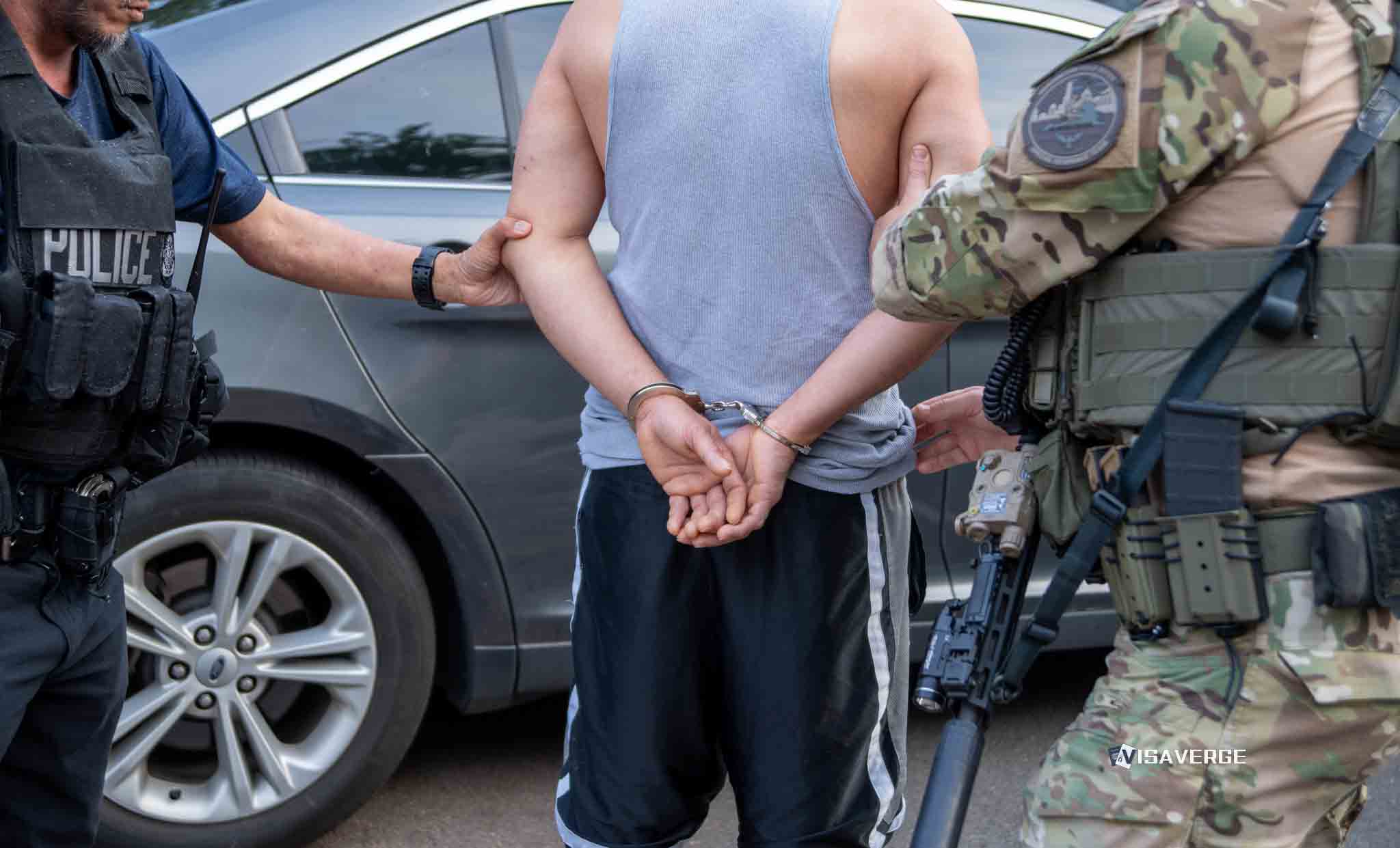
| September 1, 2025 | Graham Linehan | Heathrow Airport, UK | Arrested by five armed officers for “anti-trans” X posts made months earlier while in Arizona. |
| 2020s (various) | 55-year-old woman | UK | Arrested for “publishing written material to stir up racial hatred” and “false communication” during riots. |
| 2020s (various) | Lucy Connolly | UK | Sentenced to 31 months for a tweet deemed to incite unrest. |
| Since 2021 | Robert Habeck (complainant) | Germany | Filed over 800 criminal complaints; cited case of a pensioner raided at 6 a.m. over a parody tweet calling Habeck “Schwachkopf Professional” (professional idiot). |
| 2020s (various) | Maxie Allen & Rosalind Levine | UK | Held for 8 hours over WhatsApp complaints about a school headmaster selection. |
| 2020s (various) | Rose Docherty, 74 | UK | Arrested near an abortion clinic for silently holding a sign: “coercion is a crime, here to talk, only if you want.” |
| 2020s (various) | 21-year-old Black woman | UK | Prosecuted for using the n-word about a soccer player. |
Notable quote used in reporting
“We will throw the full force of the law at people. whether you’re in this country. or committing crimes from further afield online we will come after you,” — Mark Rowley, London Metropolitan Police Commissioner (August 2024).
How these cases were used in the debate
Rubio and allies linked these episodes to broader warnings about:
- European talk of shutting down social media during unrest for “hateful content”.
- Police raids tied to alleged “anti-feminist comments”.
- Laws such as the UK’s Online Safety Act, which critics say enables arrests for “malicious communications”.
These examples were presented as signals that enforcement of European speech rules could create real travel risks for Americans, even if prosecutions under U.S. free speech norms would be unlikely.
Legal perspective and travel implications
Legal specialists cited in the discussion emphasized differences between U.S. and UK law:
- Aaron Terr (Foundation for Individual Rights and Expression) noted that UK laws differ from U.S. First Amendment protections, making U.S.-style prosecutions unlikely but meaning travel risks are real.
- Jonathan Turley described UK arrests as a “warning” for U.S. free speech.
Important takeaway: The immediate legal risk appears to be to travelers — potential detention or entry denial — rather than criminal prosecutions under U.S. constitutional standards.
Current status and caveats
Rubio presented the issue as an emerging threat, but as of the latest reports in May 2025, no confirmed arrests of U.S. citizens in Europe for social media posts have been verified.
The debate continues to center on the tension between European online-safety regulations and U.S. free speech norms, and on whether enforcement actions in Europe could produce unintended consequences for Americans traveling abroad.
Secretary of State Marco Rubio warned that Americans traveling to Europe risk arrest for old social media posts due to strict local speech regulations. He criticized the EU’s Digital Services Act and announced retaliatory visa bans against European officials. While legal experts confirm a disparity between U.S. and European speech protections, they note that no U.S. citizens have yet been detained for online activity under these specific circumstances.