(UNITED STATES) — The European Commission warned on Wednesday it could retaliate against what it called “unjustified” U.S. visa bans after the U.S. State Department imposed entry restrictions on five Europeans, including former EU commissioner Thierry Breton.
The Commission said it “strongly condemns” the decision and has requested clarifications from U.S. authorities. “If needed, we will respond swiftly and decisively to defend our regulatory autonomy against unjustified measures,” it added in a statement dated December 24, 2025.

U.S. visa restrictions: who was targeted
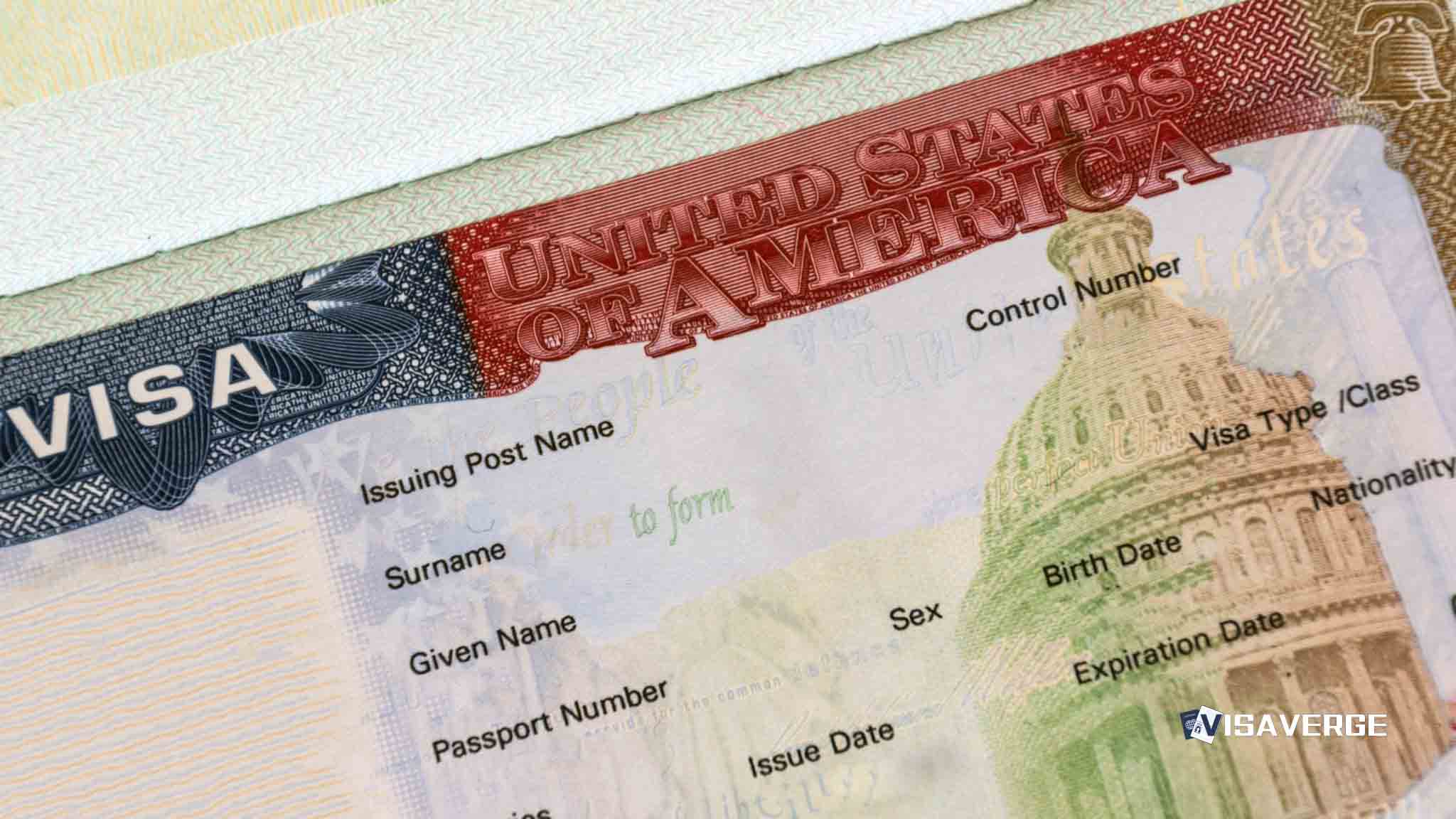
The U.S. State Department announced the visa restrictions on December 24, 2025, barring five Europeans from entering the United States:
Free toolDS-160 Form Filling Online Helper Tool
- Thierry Breton — former EU Internal Market Commissioner
- Imran Ahmed — CEO of the Centre for Countering Digital Hate
- Josephine Ballon — described as a leader of HateAid
- Anna‑Lena von Hodenberg — described as a leader of HateAid
- Clare Melford — of the Global Disinformation Index
These individuals were linked to advocacy and research organizations that have worked on online hate, disinformation, and platform accountability. Breton’s inclusion, as a former senior EU official with a high profile in tech and regulation debates, elevated the dispute beyond a targeted visa action.
| India | China | ROW | |
|---|---|---|---|
| EB-1 | Feb 01, 2023 ▲109d | Jul 01, 2023 | Current |
| EB-2 | Nov 01, 2013 | Oct 01, 2021 ▲30d | Jan 01, 2025 |
| EB-3 | Jan 01, 2014 | Jan 08, 2022 ▲7d | May 15, 2024 ▼109d |
| F-1 | Jan 22, 2020 | Jan 22, 2020 | Jan 22, 2020 |
| F-2A | Sep 22, 2026 ▲31d | Sep 22, 2026 ▲31d | Sep 22, 2026 ▲31d |
U.S. rationale and policy background
The U.S. action was taken under a visa‑restriction policy first announced in May 2025 that targets foreigners accused of involvement in the censorship of protected speech in the United States.
EU officials demanded clarifications and signaled potential countermeasures, illustrating how digital policy debates can spill into visa and travel rules.
Secretary of State Marco Rubio used that rationale when announcing the December restrictions, saying the State Department was targeting people who have “led organized efforts to coerce American platforms to censor, demonetize, and suppress American viewpoints.”
“led organized efforts to coerce American platforms to censor, demonetize, and suppress American viewpoints.” — Secretary of State Marco Rubio
European reaction and political framing
European leaders and the Commission reacted swiftly and strongly, framing the U.S. move as an attack on Europe’s ability to regulate digital platforms:
- European Commission: “strongly condemns” the decision; requested clarifications; warned it would “respond swiftly and decisively to defend our regulatory autonomy against unjustified measures.” (Statement dated December 24, 2025)
- French President Emmanuel Macron: called the restrictions “intimidation and coercion aimed at undermining European digital sovereignty” (on X, formerly Twitter).
- German Foreign Minister Johann Wadephul: described the entry bans as “not acceptable.”
- HateAid (organization tied to Ballon and von Hodenberg): called the move “an act of repression.”
These reactions positioned the bans as a challenge to European rulemaking and regulatory autonomy rather than a narrow bilateral consular issue.
Diplomatic posture and next steps
The Commission’s statement pointed to possible countermeasures but did not outline specific steps. Instead it:
- Requested explanations and clarifications from U.S. authorities.
- Emphasized readiness to act if needed to defend regulatory autonomy.
No specific retaliatory measures were announced in the reporting for December 24–25, 2025, even as public criticism from France and Germany increased pressure for a response. The Commission’s language left open how Brussels might respond, signaling a willingness to escalate if the clarification request does not resolve the dispute.
Broader context and significance
This clash occurs amid ongoing transatlantic disagreements over how governments should address disinformation and online harms while protecting free expression. Key points:
- The State Department framed the May policy and the December list as defending U.S. speech from foreign pressure on American platforms.
- The Commission rejected that framing, calling the U.S. measures “unjustified.”
- The inclusion of civil-society figures and researchers raised debate over whether the visa bans target specific alleged conduct or aim to deter Europeans involved in platform accountability work.
- Member‑state reactions (France, Germany) reinforced the Commission’s stance, adding national political weight to Brussels’ response.
Key quote and closing
The Commission’s statement, central to the EU institutional response, combined condemnation with a conditional warning:
“If needed, we will respond swiftly and decisively to defend our regulatory autonomy against unjustified measures.” — European Commission statement, December 24, 2025
The statement set up an immediate diplomatic exchange; the timing and substance of any U.S. reply were not detailed in the material. For now, EU officials treat the U.S. visa bans as a challenge to European rulemaking rather than a purely bilateral consular dispute.
The European Commission is threatening to retaliate against U.S. visa restrictions imposed on five European figures, including Thierry Breton. Washington claims the individuals were involved in censoring protected American speech, while the EU views the bans as an unjustified attack on its regulatory rights. Tensions are rising as France and Germany support the Commission’s stance, framing the issue as a defense of European digital sovereignty.