(UNITED STATES) A Republican bill led by Rep. Andy Biggs (R-Ariz.) would require the Department of Homeland Security to create a public database naming noncitizens with final deportation orders who remain in the United States ??. The proposal, introduced in the House and not yet enacted, would list full names, photographs, and last known state of residence for these individuals.
Supporters say the database would improve public safety and bring more accountability after high-profile cases where people with removal orders stayed at large. Critics warn it could fuel harassment and place people at risk while raising serious privacy and due process questions.
How the database would operate
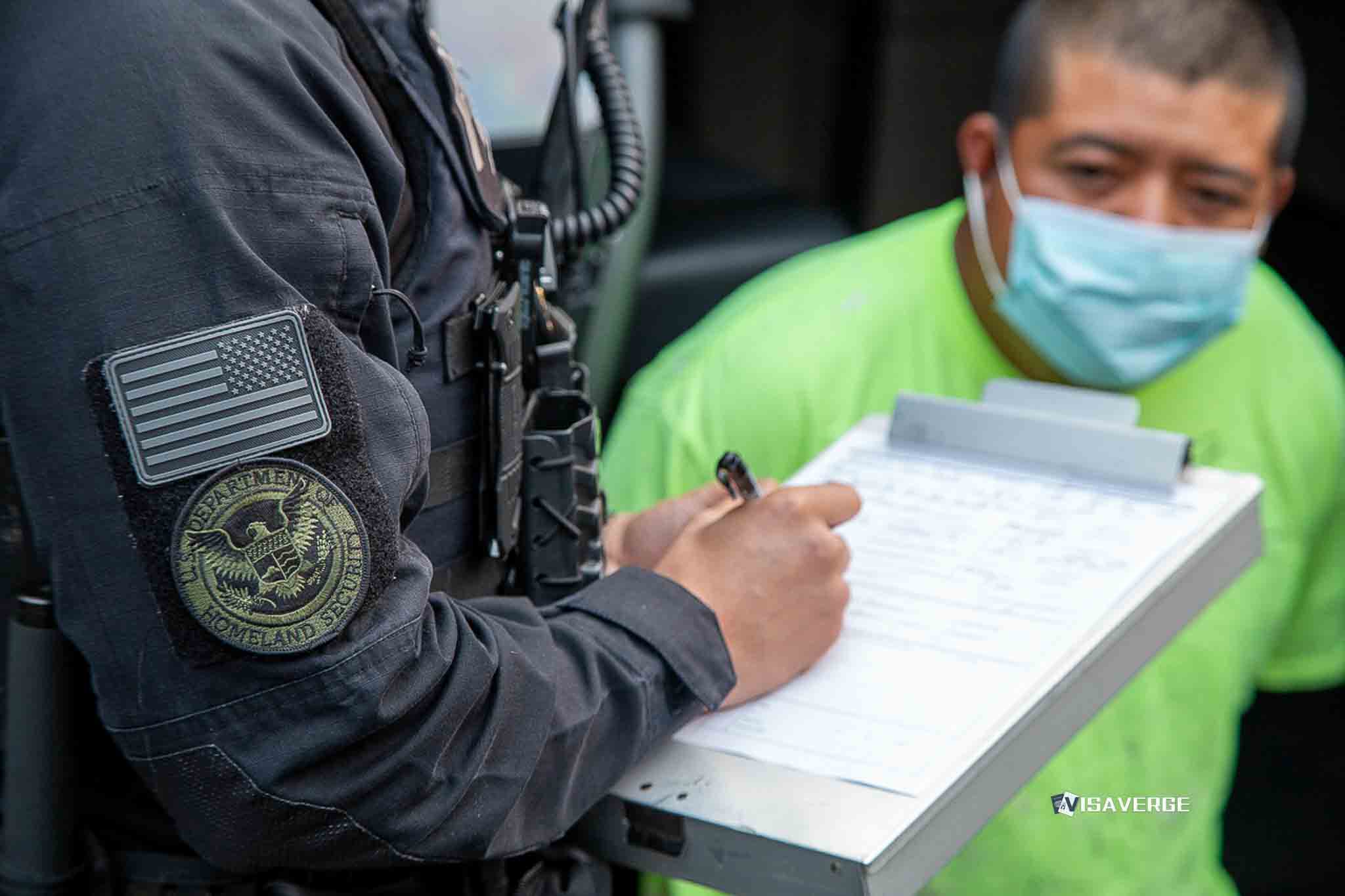
Under The bill, DHS would build and maintain a searchable online registry accessible to anyone. The database would focus on people with “final removal orders,” a legal term meaning a court or immigration judge has ordered deportation and all appeals are complete.
Free toolUSCIS Receipt Number Decoder- DHS would draw from existing enforcement records and confirm an order is final before publishing records.
- The listing would include full name, photograph, and last known state of residence.
- The system would be managed by DHS, which oversees Immigration and Customs Enforcement (ICE).
The bill’s sponsor, Andy Biggs, said the measure is part of a broader push to tighten immigration enforcement and reduce the number of people who remain in the country after receiving final orders.
The proposal aims to provide deterrence, transparency, and public safety by making information about final removal orders public.
ICE already shares some enforcement information publicly—such as arrest statistics and “most wanted” lists—but a broad national public database of people with final orders would be new and far more expansive. For official bill texts and status tracking, see the U.S. Congress website.
Context and legislative status
- As of late 2024, proponents cite that more than a million people with final removal orders were reportedly still present in the U.S.
- The bill has been introduced but is not law. It would need passage in both chambers of Congress and the President’s signature to take effect.
This proposal arrives amid Republican pushes for tougher enforcement—goals that include higher numbers of removals per year, expanded expedited removal, and closer coordination with local police. Supporters view public posting as a way to increase pressure on those who ignore final orders and to address concerns about repeat offenders.
Privacy, legal, and civil rights concerns
Civil rights groups and immigrant advocates strongly oppose the plan, raising several concerns:
- Doxxing, harassment, and vigilantism risks by publishing faces and locations of people facing deportation.
- Harm to families: people listed may have U.S. citizen children or long-established community ties.
- Chilling effect on cooperation with police—mixed-status families might avoid reporting crimes for fear of exposure.
Legal scholars highlight potential due process and accuracy issues:
- Government records can be outdated or incomplete. Someone may adjust status, win a motion to reopen, or receive protection—would their listing be promptly removed?
- Mistaken identity risk is high when names are common across states.
- Critics call for strict accuracy checks, rapid correction tools, and clear appeal rights for anyone wrongly listed.
Advocates also question how DHS would handle sensitive categories:
- Minors, survivors of crime, and people seeking protection who later receive relief require special consideration.
- The bill’s text does not fully describe safeguards for these groups.
VisaVerge.com reports major advocacy coalitions are preparing legal strategies should the bill advance, including arguments based on privacy law and First Amendment concerns about compelled exposure. Analysis by VisaVerge.com also suggests local governments could face pressure—public postings may spark protests or demands for additional enforcement in certain states.
Administrative and community impacts
If enacted, DHS would face a heavier workload:
- A national registry requires constant updates, error reviews, and coordination with ICE field offices.
- DHS would need processes for:
- Challenging listings,
- Quickly removing records when legal status changes,
- Auditing for accuracy and timeliness.
Without robust safeguards, even short delays could cause harm—affecting employment, children’s schooling, or medical care.
Community and law enforcement effects could be mixed:
- Some police departments might welcome a centralized tool to confirm final orders.
- Others worry it would damage trust with immigrant communities, making witnesses less likely to come forward.
- Employers and landlords could face pressure to check the database, raising discrimination and compliance concerns.
Political debate and alternatives
The proposal has become a flashpoint in broader political debate:
- Supporters, including allies of President Trump, describe it as a transparency measure and a way to support ICE.
- Opponents call it public shaming, arguing it distracts from investments needed in immigration courts—more judges, access to counsel—and from community-based alternatives like check-in programs.
Possible alternative or narrower approaches discussed by lawmakers include:
- Limiting public postings to people with serious criminal convictions.
- Creating a law-enforcement-only system with controlled access.
- Requiring stronger privacy guardrails and audited accuracy standards before public release.
Practical advice for affected families
For families and individuals with final orders, advocates suggest practical steps:
- Keep copies of court documents and stay in touch with legal counsel.
- Maintain records of any motions, appeals, or status changes that could affect case status.
- Seek calm, legal advice and avoid confrontations that could escalate risk.
A parent listed online could face social and economic fallout; a wrong listing can cause urgent, real-world consequences while waiting for DHS to correct it.
What comes next
As Congress debates the measure, Rep. Andy Biggs and allies portray it as a path to more effective removals and better public information. Opponents frame it as a threat to privacy and civil rights that could harm many who pose no danger.
The bill’s future depends on committee action, floor scheduling, potential amendments, and eventual votes. For now, it remains a proposal—controversial, closely watched, and tied to a wider enforcement agenda that shows no sign of slowing.
This Article in a Nutshell
Rep. Andy Biggs has introduced a bill directing DHS to build a public, searchable registry of noncitizens with final removal orders, listing full names, photographs, and last known states of residence. Proponents say the measure would increase public safety, deterrence, and transparency amid concerns about individuals remaining in the U.S. after deportation orders. Civil-rights groups warn of heightened risks of doxxing, harassment, mistaken identity, and chilling cooperation with law enforcement, especially for families with U.S. citizen children. Legal experts emphasize accuracy, speedy correction mechanisms, and due-process safeguards. The bill remains under consideration in Congress and would need passage and the president’s signature to become law.