- Starting November 16, 2026, New Zealand expands post-study work rights for international Level 7 graduate diploma holders.
- A new Short-term Graduate Work Visa provides six months of open work rights for Level 5-7 graduates.
- Eligible Level 7 graduates must hold a prior bachelor’s degree to access standard post-study visa pathways.
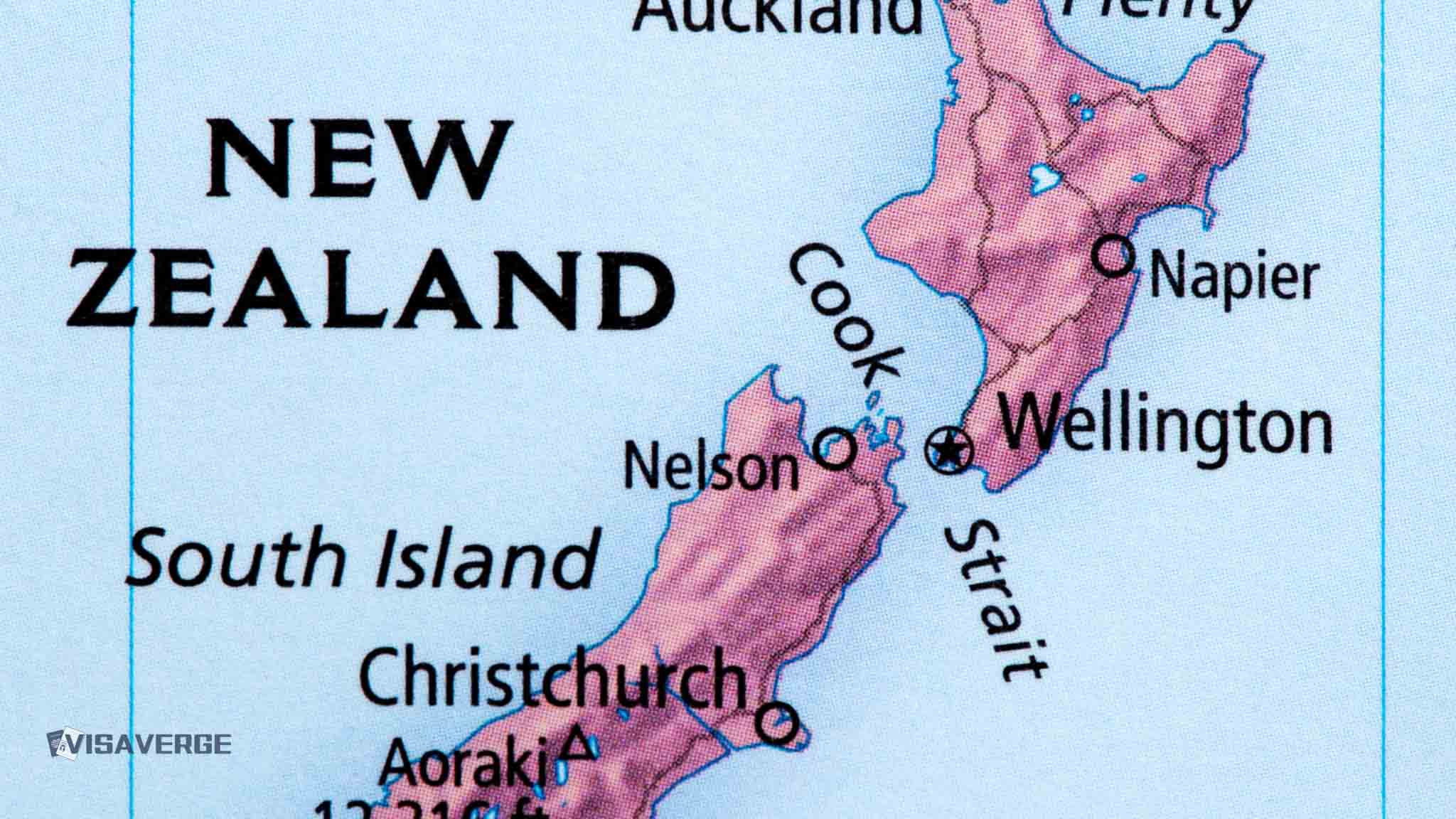
(NEW ZEALAND) — Immigration New Zealand will expand post-study work rights for international graduates starting November 16, 2026, opening a new pathway for certain Level 7 graduate diploma holders and introducing a six-month Short-term Graduate Work Visa for graduates who do not qualify for the standard Post Study Work Visa.
The changes target students completing NZQCF Level 5 to Level 7 qualifications, creating work opportunities for graduates of vocational and career-focused programs that previously offered limited or no post-study work rights.
Free toolOPT Timeline Calculator Online
Graduates who complete a Level 7 graduate diploma in New Zealand may now qualify for a Post Study Work Visa if they also hold a bachelor’s degree, whether completed in New Zealand or overseas. The visa duration will match the time spent studying the graduate diploma, up to a maximum of one year.
The new Short-term Graduate Work Visa will give eligible graduates six months of open work rights to search for employment and potentially transition to an Accredited Employer Work Visa. Applicants must have at least NZD $5,000 available to support themselves.
Immigration New Zealand has framed the changes as supporting international education while helping graduates move into work that aligns with the country’s skill needs.
Post-study work rights rank among the biggest factors international students weigh when choosing a study destination. Students frequently compare tuition fees, work rights during study, post-study options, job opportunities, and possible residence pathways across Canada, Australia, the UK, and New Zealand.
New rules may make New Zealand more competitive for students seeking shorter, job-focused study routes. The rules remain technical, and not every diploma, graduate diploma, or certificate will automatically lead to post-study work rights.
The exact qualification level, study duration, whether the study was full-time, whether the student holds a bachelor’s degree, and whether the qualification appears on the eligible list can all determine eligibility.
New Zealand’s existing Post Study Work Visa allows eligible international graduates to stay and work in the country after completing an approved qualification. Depending on what the student studied, the visa can allow graduates to remain for up to three years.
The visa gives graduates time to gain New Zealand work experience, find an employer, and explore longer-term work or residence pathways. It can generally be granted only once, making advance planning essential.
Under the new Level 7 graduate diploma pathway, eligibility requires full-time study in New Zealand for the full duration of the qualification. Cross-crediting or recognition of prior learning will not count.
No time limit applies to when the bachelor’s degree was awarded. This benefits students who completed a bachelor’s degree in India or another country and now want to pursue a graduate diploma in New Zealand.
Visa duration will not automatically be three years. Students comparing New Zealand with Canada, Australia, or the UK should understand that a one-year work period may require rapid job searching after graduation to build experience and plan the next visa step.
Applicants relying on the graduate diploma pathway must provide evidence of both the graduate diploma and the bachelor’s degree. Required documents include a degree certificate showing the qualification type and awarding institution, plus an official academic transcript.
An International Qualification Assessment is not required for overseas bachelor’s degrees under this specific rule. The agency retains the authority to verify qualification authenticity for immigration purposes.
A Level 7 graduate diploma holder without a bachelor’s degree faces a narrower path. They may qualify for a Post Study Work Visa only if the graduate diploma appears in Appendix 13 of New Zealand’s Immigration Operational Manual.
Graduates qualifying through Appendix 13 may be required to work in the specified occupation for the duration of the visa. If the diploma is not listed and the graduate lacks a bachelor’s degree, the Post Study Work Visa is unavailable.
That graduate may instead apply for the new Short-term Graduate Work Visa.
Key Eligibility for the Short-term Graduate Work Visa
To qualify, graduates must have completed a Level 5 to 7 qualification studied full-time for at least 24 weeks in New Zealand. English-language, foundation, and bridging qualifications do not qualify.
Only qualifications that do not make the holder eligible for the Post Study Work Visa will count. Applicants must also meet health and other immigration requirements.
This visa can be granted only once. Anyone who has already held a Post Study Work Visa is ineligible for the Short-term Graduate Work Visa.
Open work rights on the Short-term Graduate Work Visa come with restrictions. Work must be performed for an employer under an employment agreement or a contract for services. Business ownership is not permitted.
Its purpose is to let graduates seek employment, not to start or own a business. Students hoping to use it as a bridge to longer-term work should understand employer accreditation requirements and Accredited Employer Work Visa rules before relying on this pathway.
Short-term Graduate Work Visa holders cannot support a partner for a work visa or children for a Dependent Child Student Visa. Partners may apply for work visas on their own merit, and children may apply for student visas as international students if they meet requirements.
This differs from the Post Study Work Visa, where holders may support visas for partners and dependent children if requirements are met. Students planning to bring a spouse or children should compare the two visa options before choosing a study program.
Many Indian students prefer study pathways that combine education, work experience, and possible long-term settlement options. The changes may appeal to students who already hold a bachelor’s degree and want to complete a Level 7 graduate diploma in a focused area.
These changes should not be treated as a guaranteed residence route. A post-study work visa provides temporary work rights and does not guarantee a job, employer sponsorship, or residence.
Pre-Enrollment Checklist for Students
Job market research should come before course selection. Qualifications should align with New Zealand’s skill needs, and students should verify whether employers are hiring in that field, whether the occupation can support an Accredited Employer Work Visa, and whether it may later support a residence pathway.
Common mistakes include assuming every Level 7 graduate diploma leads to a Post Study Work Visa, ignoring the bachelor’s degree requirement, choosing a qualification without checking its NZQCF level, and relying only on agent promises.
Additional errors include assuming six months of short-term work rights is enough to secure long-term employment, ignoring family visa limitations, assuming open work rights mean business ownership is allowed, and paying tuition before getting written confirmation of qualification level and post-study eligibility.
Before enrolling, students should ask education providers about the exact NZQCF level, whether the program is a degree, graduate diploma, diploma, certificate, foundation course, or bridging course, and whether the study is full-time.
Confirmation is also needed on how many weeks of study are required in New Zealand, whether the qualification supports a Post Study Work Visa, whether it could support a Short-term Graduate Work Visa, and whether it appears in Appendix 13 if relevant.
Written confirmation from the provider should be cross-checked with official Immigration New Zealand guidance.
Students already studying in New Zealand should check their qualification, study duration, visa expiry date, and whether they must apply within a specific deadline after their student visa expires.
Those applying from overseas should compare course start date, course length, expected graduation date, and post-study visa options before paying fees.
Neither the Post Study Work Visa nor the Short-term Graduate Work Visa automatically leads to residence. Graduates may need a skilled job, employer support, occupational registration, qualifications, wage thresholds, or other requirements depending on the residence pathway.
Some graduates may use the Short-term Graduate Work Visa to move toward an Accredited Employer Work Visa if they find suitable employment. Six months is a narrow window, and graduates should begin job research before finishing their course, not after the visa is granted.