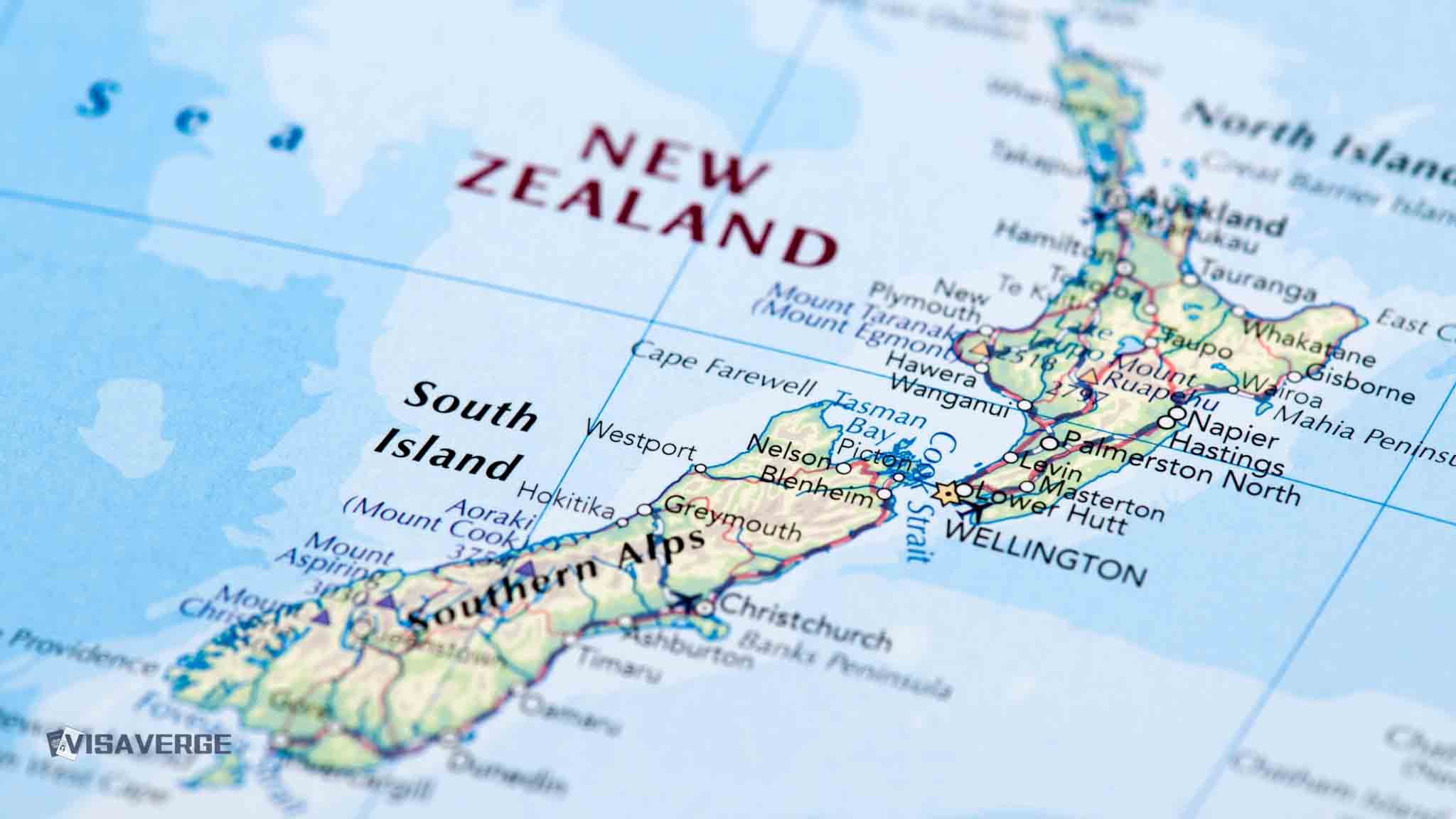
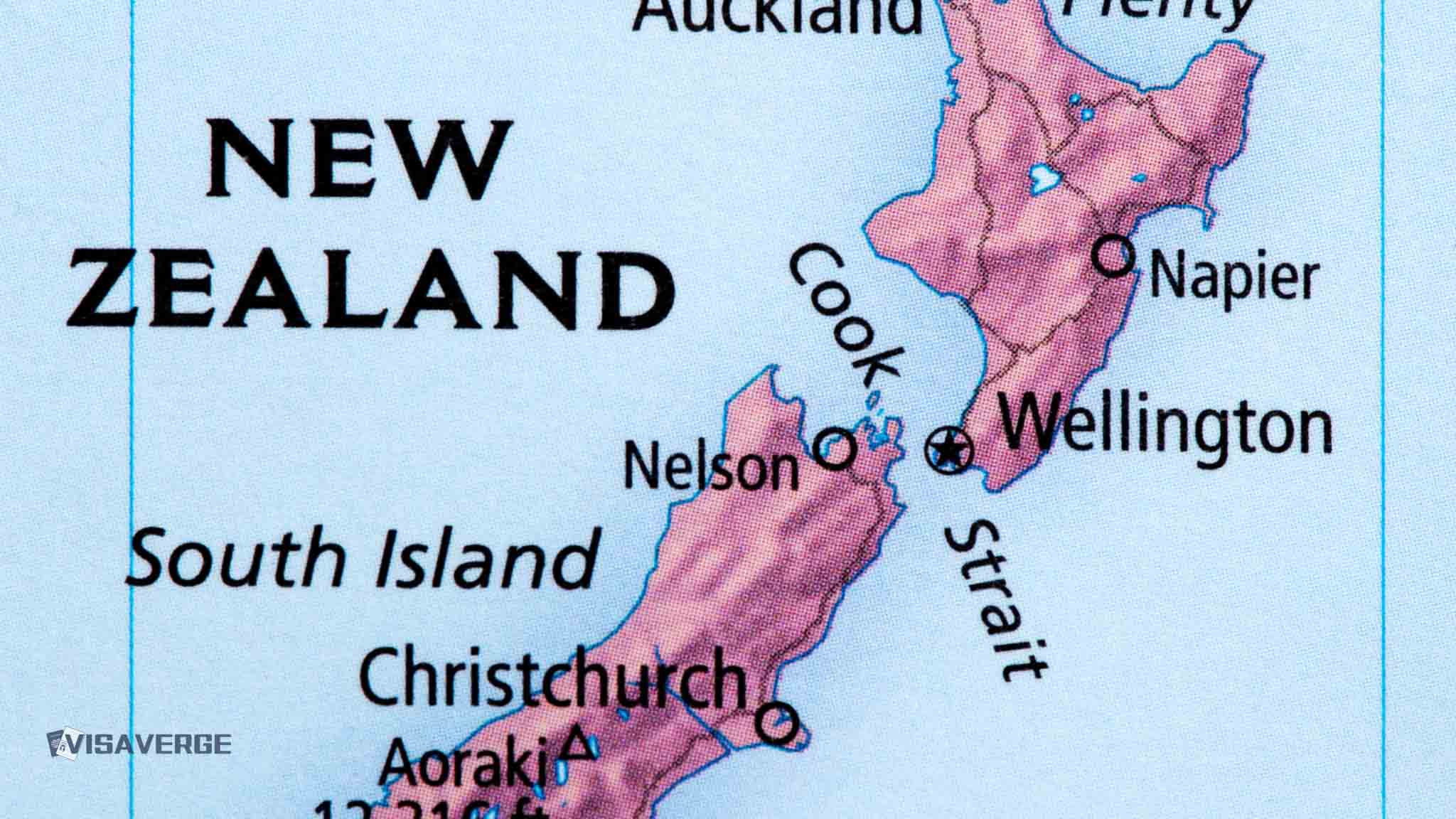
New Zealand-India FTA Eases Work Visas and Student Mobility, but the new routes are not open yet. The agreement was signed in New Delhi on April 27, 2026, after negotiations concluded on December 22, 2025, and it remains concluded but not in force until both countries finish their legal approval steps.
If you are an Indian student, graduate, or skilled worker, this deal matters because it gives clearer treaty-level promises on student work rights, post-study work visas, temporary skilled jobs, and a working holiday scheme. But you still need to meet New Zealand’s regular visa rules, including health, character, qualification, and document requirements.
What Changes Under the New Zealand-India FTA
The FTA puts immigration mobility inside a trade agreement. That gives Indian applicants more certainty than a policy announcement alone. The biggest benefits are for four groups:
Free toolDS-160 Form Filling Online Helper Tool- Indian students entering recognised New Zealand education institutions
- Indian graduates seeking post-study work rights
- Skilled Indian professionals in listed occupations
- Young Indian citizens using the new working holiday route
The agreement includes a dedicated Students’ Mobility and Post-Study Work Visa Annex. That is unusual in a trade deal. It means New Zealand made formal commitments on study and graduate work options, not just on trade in goods and services.
Ratification Status: Signed, But Not Yet Active
You cannot apply under the FTA benefits until the agreement enters into force. Right now, that has not happened.
New Zealand has described the agreement as “concluded but not in force”. After the April 27, 2026 signing, New Zealand must complete domestic approval steps, including parliamentary consideration of implementing legislation.
The New Zealand Parliament will review the deal through the Foreign Affairs, Defense, and Trade Committee. That process includes a national interest assessment and public consultation. The approval path is expected to take at least 6 months.
That timing matters. The FTA creates the legal framework, but the visa routes become useful only after both countries finish ratification and New Zealand activates the operational rules.
What Indian Students Get: Stronger Work Rights During Study
The FTA gives Indian students an important protection. Under the student mobility annex, both countries agree not to impose numerical limits on admission and entry of students from the other country into recognised education institutions, subject to institutional eligibility rules.
The annex also says students must be allowed to work for at least 20 hours per week under national student visa policies.
This does not create unlimited work permission. It creates a minimum floor. New Zealand’s current domestic policy is already more generous for eligible students. Immigration New Zealand states that eligible student visa holders can work up to 25 hours per week during study, depending on the exact conditions on the visa.
You should check the work conditions shown on your eVisa or visa letter. Those conditions still control your actual permission to work.
Why the 20-hour guarantee matters
Student work rights often affect your real cost of study. A treaty-level guarantee reduces the risk of a future policy shift cutting eligible Indian students below 20 hours per week.
That matters to families comparing New Zealand with Australia, Canada, the United Kingdom, and the United States. It also matters to students who need part-time earnings to support rent, food, and transport while studying.
Post-Study Work Rights: Exact Rules for Bachelor’s, Master’s, and Doctoral Graduates
The strongest student benefit in the FTA is the post-study work commitment. New Zealand agreed to maintain temporary work opportunities for Indian students who complete their full programme of study in New Zealand through recognised education institutions, subject to immigration requirements.
The annex sets these periods:
- Up to 2 years after a bachelor’s degree
- Up to 3 years after a master’s degree
- Up to 4 years after a doctoral degree
There is also a special STEM rule. New Zealand agreed to extend the possible stay from 2 years to 3 years for Indian students graduating in New Zealand with bachelor’s degrees with First Class Honours in STEM fields, including ICT.
That creates a sharper advantage for Indian students choosing science and technology pathways. A standard bachelor’s route and a high-performing STEM honours route do not lead to the same outcome.
How this compares with current New Zealand policy
Immigration New Zealand says the Post Study Work Visa allows eligible graduates to stay and work in New Zealand for up to 3 years, depending on what they studied. It also states that the visa can lead to a resident visa.
That last point is important. A post-study work visa is not permanent residence. It is a temporary bridge. Long-term settlement still depends on your job, occupation, salary, qualifications, registration requirements, and New Zealand’s residence rules when you apply.
The 30-Week Rule Still Controls Eligibility
The FTA helps, but it does not replace New Zealand’s normal immigration requirements.
Immigration New Zealand’s current post-study work rules still require a New Zealand qualification that qualifies for the Post Study Work Visa. For degree level 7 or higher qualifications, students must have studied full-time in New Zealand for at least 30 weeks.
The FTA annex uses the same core concept. It says a programme is considered to take place “in New Zealand” if students study full-time in New Zealand for at least 30 weeks each year.
This rule is easy to miss. It matters a lot if you are considering:
- Hybrid courses
- Offshore study components
- Accelerated programmes
- Changing providers
- Short study periods in New Zealand
A course can look attractive on paper and still fail to support your immigration goal. If your real plan is to work in New Zealand after study, check the qualification level, the in-country study length, and whether the programme supports the post-study visa outcome you want.
Skilled Work Visas: What the 5,000 Number Actually Means
The most repeated figure in public discussion is 5,000. You should read that number carefully.
India’s Press Information Bureau describes the FTA as creating a Temporary Employment Entry visa pathway with a quota of 5,000 visas for skilled Indians for stays of up to 3 years. The listed sectors include IT, engineering, healthcare, education, and construction, along with AYUSH practitioners, yoga instructors, Indian chefs, and music teachers.
New Zealand’s official explanation is more specific. It says New Zealand agreed to provide the equivalent of 1,667 three-year Temporary Employment Entry visas per year, capped at a maximum of 5,000 at any point in time.
Within that structure:
- 1,467 per year are set aside for 13 skilled occupations drawn from Immigration New Zealand’s Green List
- 200 per year are reserved for iconic Indian occupations such as yoga, music, chefs, and ayurvedic practitioners
That means the practical reading is not “5,000 fresh visas every year.” It is closer to a rolling stock of up to 5,000 people in the system at one time, with a yearly equivalent of 1,667 three-year visas.
Who benefits most from the Temporary Employment Entry route
This route helps two distinct groups.
First, it gives a clearer pathway to professionals in mainstream shortage sectors such as:
- IT
- Engineering
- Healthcare
- Education
- Construction
Second, it formally recognizes occupations that often sit outside standard skilled migration conversations, including:
- AYUSH practitioners
- Yoga instructors
- Indian chefs
- Music teachers
For these occupations, evidence rules will matter. Community reputation, work history, and occupation-specific proof can be just as important as formal degrees.
Working Holiday Scheme: 1,000 Places Each Year
The FTA also creates a Working Holiday Scheme for Indian citizens. New Zealand will make available up to 1,000 visas annually.
The scheme is aimed at younger applicants and is expected to support tourism and rural industries. The age range is 18 to 30. The visa allows work, travel, and living in New Zealand for up to 12 months, with multiple-entry travel.
This route is very different from a skilled work visa. It is designed for short-term experience, not for a direct long-term career move. Still, it can help you build New Zealand work history, test the job market, and make local employer connections.
Scholarships and University Links for Indian Students
The FTA package is not just about visas. It also supports student recruitment and academic ties.
New Zealand announced a NZ$260,000 partial scholarship package under the New Zealand Excellence Awards (NZEA) 2025 for Indian students pursuing higher education in New Zealand.
Institutional collaboration also features in the package, including:
- University of Auckland partnerships with Manipal Academy of Higher Education and IIT Kharagpur
- A Virtual Internship Programme offering 30 IIT Delhi students the chance to intern remotely with New Zealand companies
These links matter because they connect study choices with employer exposure. For many students, that makes the path from classroom to job more realistic.
Current New Zealand Visa Rules You Still Need to Meet
The FTA does not waive New Zealand’s standard immigration checks. Applicants still need to satisfy the usual visa requirements, including:
- Health checks
- Character checks
- Proof of identity
- Qualification documents
- Work history records
- Occupation-specific evidence, where required
For current post-study work applications, Immigration New Zealand’s published rules also include practical details that affect planning:
- You must apply within 12 months of completing the qualification
- The application fee is NZD $700
- You must show NZD $5,000 in funds
- 80% of applications are processed in 2.5 weeks
Those points matter because timing and funds often decide whether a student can stay in status between graduation and work.
Separate Graduate and Skilled Migration Changes Planned for Late 2026
New Zealand is also rolling out broader immigration changes outside the FTA framework. Scheduled changes for late 2026 include:
- A new 6-month short-term graduate work visa
- Expanded Post-Study Work Visa eligibility for Level 7 Graduate Diplomas for applicants who already hold a bachelor’s degree
- A reduction in required work experience under the Skilled Migrant Category from 3 years to 2 years
These changes matter because the FTA works best when it connects to New Zealand’s domestic migration system. A student who studies, works after graduation, and then qualifies for skilled residence uses all three layers together.
What This Means for Indian Students and Professionals Right Now
If you are an Indian student, the clearest opportunity is the stronger study-to-work bridge. New Zealand has now tied student entry, part-time work rights, and post-study work periods to a treaty structure.
If you are a skilled worker, the biggest practical question is not whether the FTA exists. It is whether your occupation fits the actual allocation system and whether you can document your qualifications and experience under New Zealand rules.
If you are a younger applicant, the 1,000-place working holiday route creates a lower-commitment way to enter New Zealand legally and gain local exposure.
For Indian families comparing destinations, New Zealand is trying to send a clear message: study can lead to legal work, and targeted occupations can lead to temporary employment and then, for some people, residence.
Best Next Steps Before the FTA Enters Into Force
You should match your plan to the route that fits your goal.
- Choose whether your aim is study, temporary skilled work, or a working holiday.
- Check that your course or occupation fits New Zealand’s actual visa rules, especially the 30-week study rule and occupation evidence requirements.
- Prepare your documents early, including passports, degree records, work references, and any licensing or registration proof.
- Track the FTA’s ratification progress and the operational rollout of the visa categories.
- Review the latest official visa instructions at Immigration New Zealand.
The immediate deadline is not an application filing date. It is the ratification window. The agreement was signed on April 27, 2026, and the parliamentary review process is expected to last at least 6 months. That gives you time to pick the right course, line up documents, and make sure your plan fits the rules that will actually decide your visa.