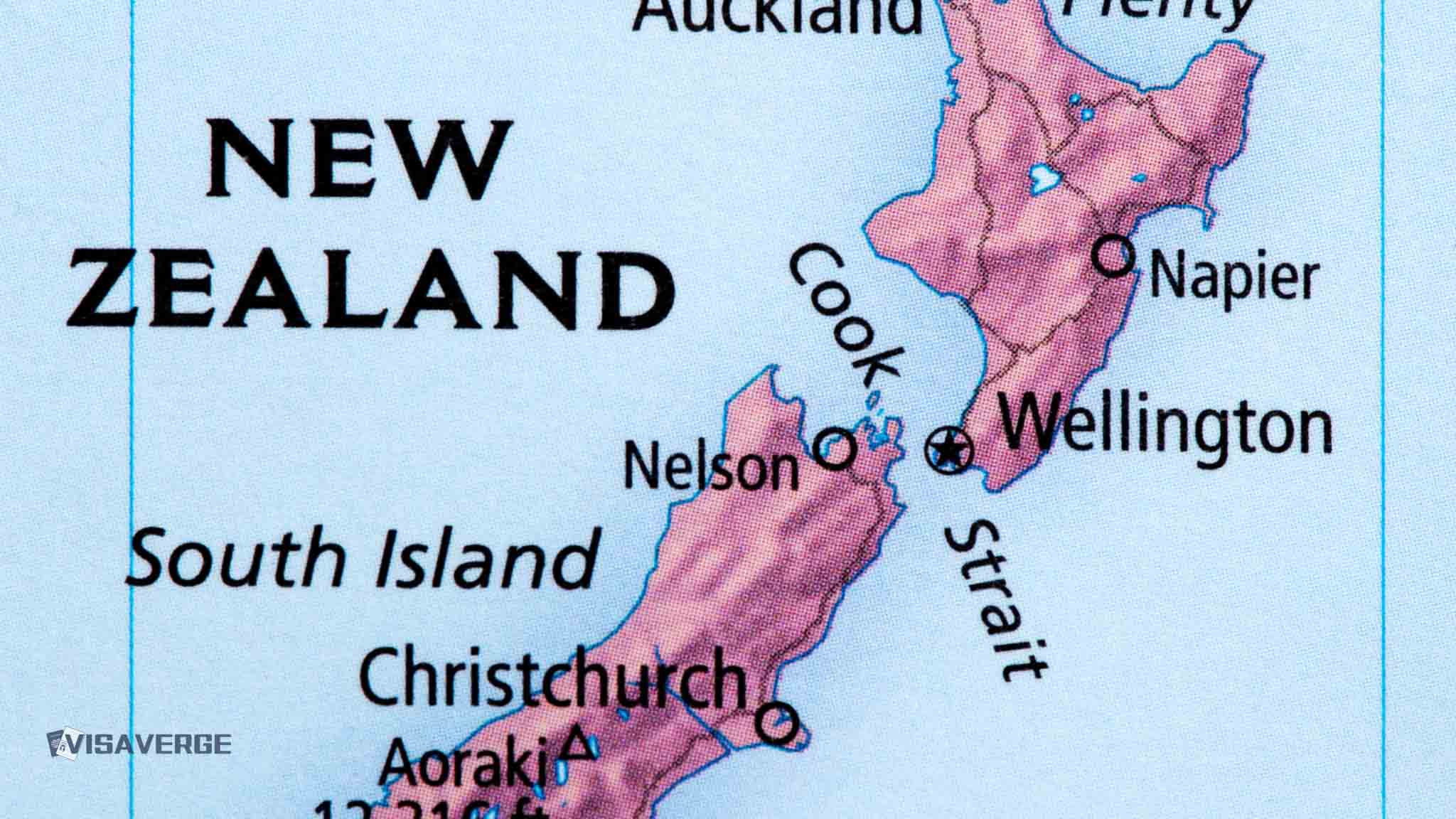
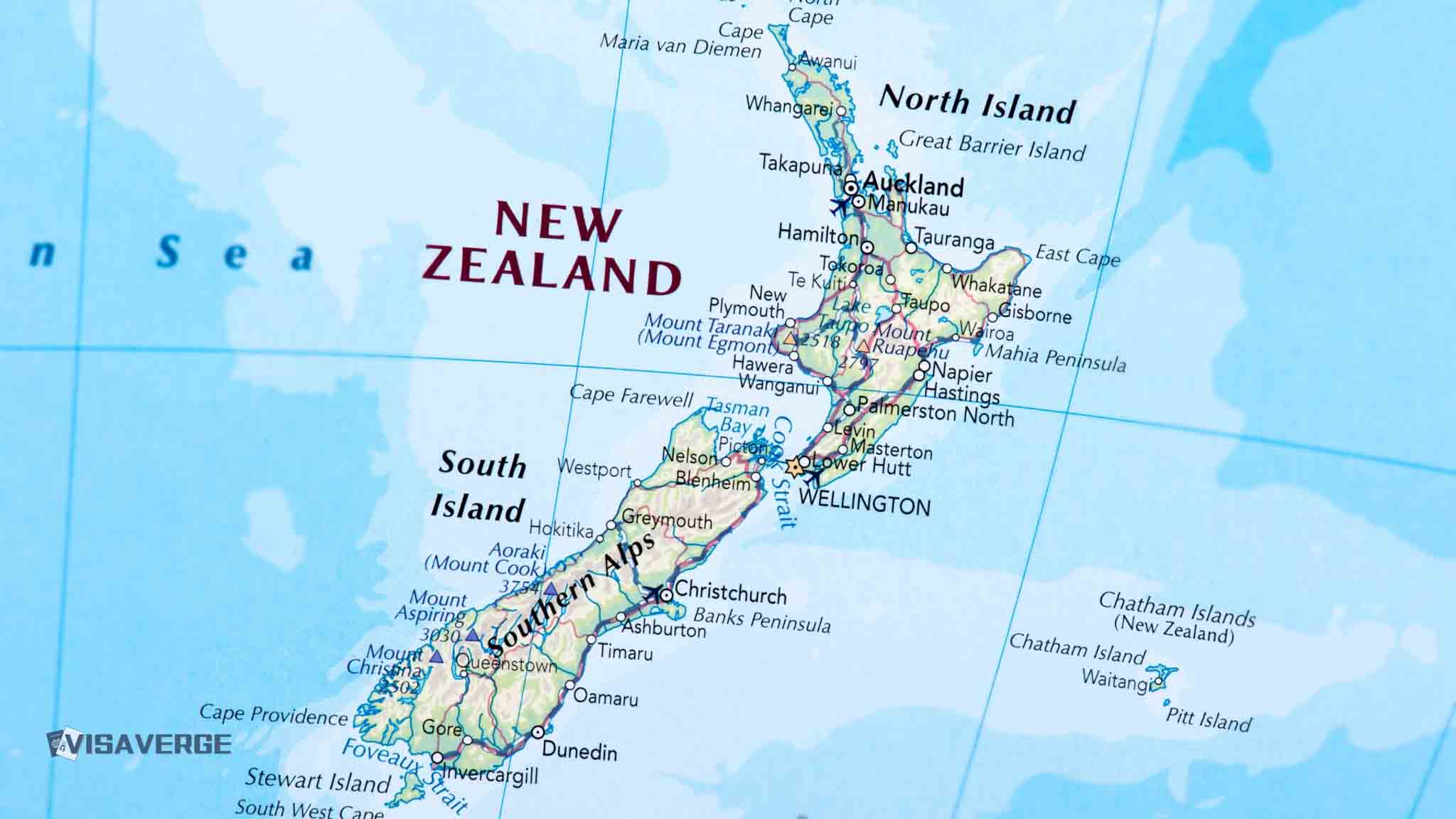
- New Zealand launched a six-month work visa for international graduates at NZQCF levels 5 to 7.
- Applicants must apply within three months of graduation and show NZD $5,000 in funds.
- The visa serves as a short-term transition bridge toward longer-term employer-sponsored work visas.
(NEW ZEALAND) – Immigration New Zealand announced a new Short-term Graduate Work Visa on May 29, 2026, creating a six-month work route for international graduates who do not qualify for the standard Post Study Work Visa.
Applications for the visa open on Monday, November 16, 2026. Immigration New Zealand said the visa grants 6 months of open work rights, giving eligible graduates time to find a job and move into longer-term options such as the Accredited Employer Work Visa, or AEWV.

The measure targets graduates who completed qualifications at NZQCF Level 5 to 7. To qualify, they must have studied full-time in New Zealand for at least 24 weeks, show access to at least NZD $5,000, and apply within three months of their student visa expiring.
Immigration New Zealand also set tight limits on the new visa. It is a one-time grant, it cannot be extended, and holders cannot run a business or support family members for dependent visas.
The announcement adds a new layer to New Zealand’s post-study work rights at a time when the government is trying to pull more international students into its education sector. Officials tied the policy to the “International Education Going for Growth“ strategy launched in 2025.
That strategy sets a target of lifting international student enrollments to 105,000 by 2027. It also aims to raise the sector’s economic impact to NZD $7.2 billion by 2034.
The new visa fills a gap for graduates who finish vocational or diploma-level study but fall outside the standard Post Study Work Visa settings. Instead of facing an immediate departure after graduation, they now get a short window to secure local employment and build a record in the labor market.
That bridge matters most for students in programs below the threshold for broader post-study access. A six-month permit does not guarantee a job, but it gives graduates legal time to remain in New Zealand’s workforce and seek an employer-backed pathway.
The New Zealand move landed during a period of sharper policy changes in the United States, where international graduates faced a different direction. On May 22, 2026, USCIS recast adjustment of status as an unusual outcome rather than a normal route for many temporary residents seeking permanent residence.
In a press release issued that day, USCIS said: “We’re returning to the original intent of the law to ensure aliens navigate our nation’s immigration system properly. From now on, an alien who is in the U.S. temporarily and wants a Green Card must return to their home country to apply, except in extraordinary circumstances.”
The shift affects the choices facing international graduates in the United States, including people on Optional Practical Training and some workers on H-1B visas. Consular processing in the home country now stands as the default route for many who want a Green Card, rather than filing to adjust status from inside the country.
Four days later, on May 26, 2026, DHS announced a separate enforcement push on asylum fraud. DHS Secretary Markwayne Mullin directed ICE to pursue administrative fraud cases more aggressively, with attention on alleged coaching by legal representatives.
In that statement, Mullin said: “Immigration attorneys representing illegal aliens frequently coach their clients to conceal their past and even outright lie in their asylum claims. DHS is taking additional steps to crack down on fraudulent asylum claims.”
The two U.S. announcements did not address New Zealand’s internal student visa policy, but they shaped the same period for international graduates deciding where to study, work, and seek longer-term status. New Zealand expanded a narrow work option for a defined group of recent graduates; U.S. authorities narrowed one route that foreign nationals had used to move from temporary status toward permanent residence.
That contrast is especially sharp for students comparing post-study choices. In New Zealand, the new Short-term Graduate Work Visa offers a limited but direct bridge into local employment for those who meet the study and timing rules. In the United States, recent policy shifts point in the other direction for many graduates who had hoped to remain in-country while pursuing permanent residence.
The New Zealand visa also comes with strict timing pressure. A graduate whose student visa expires must file within three months, and the six-month term leaves little margin for delay in finding an employer willing to move them into a longer-term category.
Maintenance funds form another threshold. Immigration New Zealand requires proof of access to NZD $5,000, which means recent graduates must show they can support themselves while job hunting, even though the visa is designed to speed entry into work.
Restrictions on business activity and family sponsorship narrow the visa’s reach further. Holders can work, but they cannot use the visa to start a business, and they cannot use it to back dependent visas for family members.
Those limits show the visa’s intended role: a short transition mechanism, not a broad settlement route on its own. Its value lies in buying time after study ends, especially for graduates who can convert that period into an employer-sponsored visa.
Immigration New Zealand published the policy under its post-study work options announcement dated May 29, 2026. The government information is available through [Immigration New Zealand post-study work options](https://www.immigration.govt.nz), while the U.S. announcements appeared in the [USCIS newsroom](https://www.uscis.gov/newsroom/news-releases) and [DHS press releases](https://www.dhs.gov/news/press-releases).
With applications set to open on November 16, 2026, the new visa gives New Zealand another recruitment tool as it tries to raise student numbers and economic returns from international education. Whether it succeeds will rest on a short equation: six months, a job offer, and a pathway beyond graduation.