- The Canadian government proposed new asylum regulations on June twentieth, twenty twenty-six, to modernize processing and clarify eligibility.
- A constitutional challenge argues the policy exposes refugees to United States detention and deportation despite the twenty twenty-three Supreme Court ruling.
- The Safe Third Country Agreement remains a central dispute as critics demand better protection for claimants turned back at the border.
(CANADA) — Canada proposed new regulations on June 20, 2026 to modernize its asylum process and clarify how eligibility under the Safe Third Country Agreement is determined after legal changes.
As a new constitutional challenge argues the policy still sends vulnerable refugee claimants back into the U.S. detention and deportation system, the dispute centers on the STCA, the pact under which asylum seekers who reach Canada from the United States are generally required to seek protection in the first safe country they entered.
In practice, that means some people who arrive at the Canadian border from the United States are turned back and must pursue their claims there instead. Advocacy groups and refugee lawyers say that arrangement leaves some claimants exposed to U.S. immigration detention or removal proceedings after Canada refuses to hear their claims.
Free toolCanada Express Entry Points CalculatorThey argue that Canada, by treating the United States as the default venue for many cases, still fails to protect people who face serious risks if sent back. Federal material published in June laid out the government’s current explanation of the agreement and its operation.
An official explanation prepared for a February 9, 2026 committee appearance was posted publicly on June 11–12, 2026, followed by the new asylum-regulation proposal on June 20, 2026. That proposal aims to update asylum processing and to spell out how STCA eligibility should be assessed after recent legal developments.
The government has presented it as an administrative step tied to changes in the law, not as a retreat from the agreement itself. The constitutional challenge, launched in June 2026 and reported on June 17–18, 2026, contends that Canada still does not protect refugees from being returned to the United States even after a ruling by the Supreme Court of Canada in 2023.
That case revived a central argument in the long-running fight over whether Canada can continue to rely on the United States as a safe country for refugee claimants arriving at the border. The 2023 ruling by the Supreme Court of Canada recognized a safety-valve for people facing unnecessary detention or the risk of deportation to a country where they could be harmed.
Critics say the current system still falls short because the existence of a safety-valve does not change what happens to many people at the border: they are directed back into the U.S. system first. That point sits at the heart of the current legal and political dispute.
Canada’s policy does not automatically deport every asylum seeker to the United States, but it makes the United States the default first-country venue for many claimants, and lawyers challenging the policy say that default carries real consequences. Under the STCA framework described in the federal material, the first question is not whether a claimant fears return to a home country, but whether Canada will hear the claim at all when the person arrives from the United States.
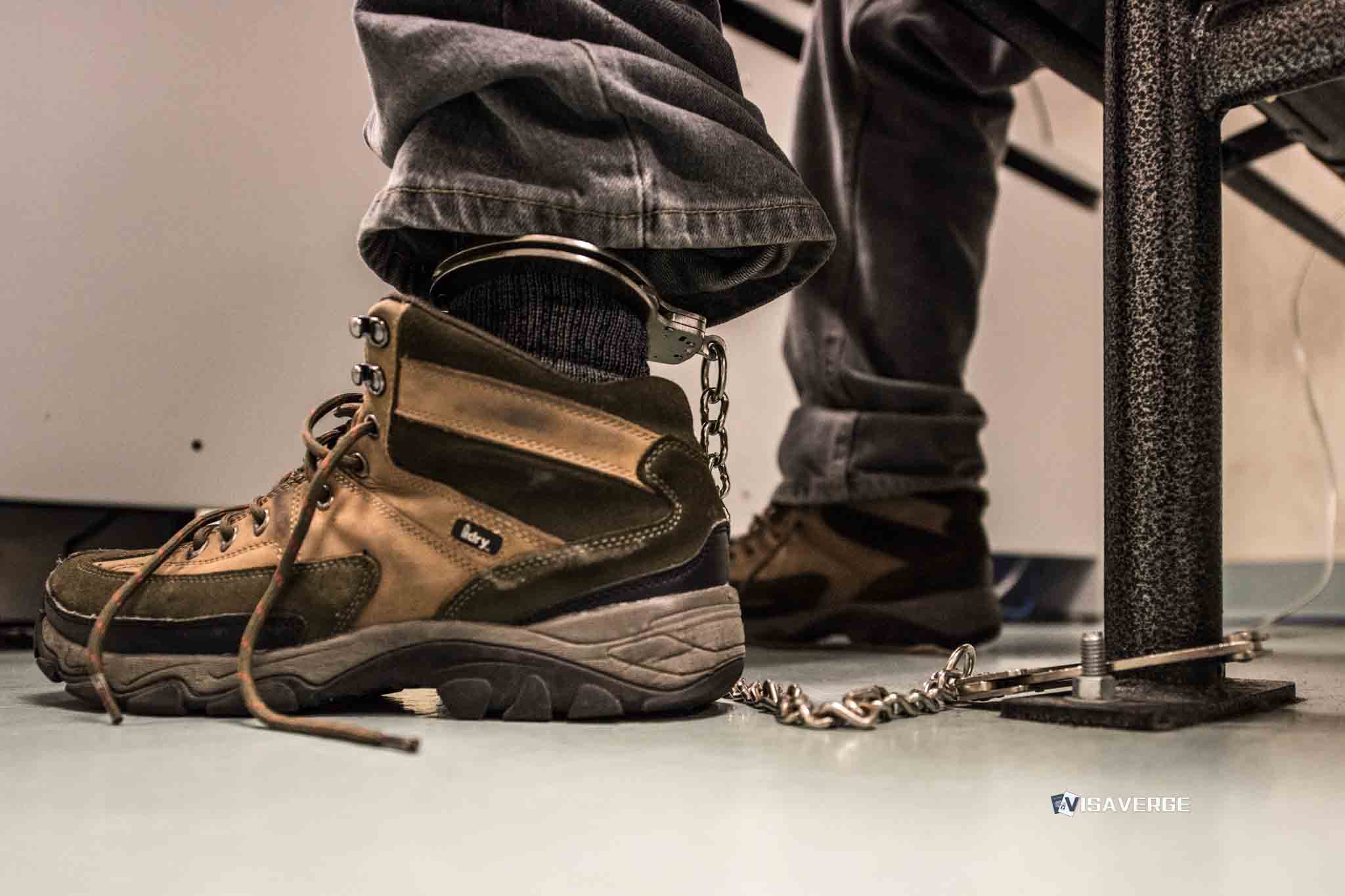
If the agreement applies, the claimant can be sent back south of the border and left to the American asylum and immigration-enforcement system. Advocacy groups argue that this structure exposes people to detention in the United States before the merits of their need for protection are assessed in Canada.
Refugee lawyers make a related point: even if Canada is not itself carrying out a deportation to the country a claimant fled, its refusal to hear the claim can place that person into a process that may end in removal from the United States. That criticism has sharpened since the Supreme Court of Canada ruling in 2023.
The court’s recognition of a safety-valve addressed one part of the legal challenge, but the constitutional challenge filed in June says Canada still fails to protect refugees who are turned away under the agreement. The latest government move suggests Ottawa is trying to adapt the asylum system to that legal environment without abandoning the agreement.
By proposing regulations on June 20 to modernize procedures and clarify eligibility under the STCA, the government signaled that it expects the policy to remain in force even as its operation faces renewed scrutiny. The timing is notable because the administrative proposal and the constitutional challenge arrived within days of each other.
One track runs through regulation and committee explanations; the other through the courts, where critics are again asking judges to test whether Canada’s reliance on the agreement complies with constitutional protections for refugee claimants. At issue is a narrow but consequential feature of Canadian asylum policy.
The STCA does not decide whether a person is a refugee. It determines where many people must seek that determination first, and critics say the answer, in too many cases, is a U.S. system where detention and deportation remain possible outcomes.
Federal material released this month indicates the government wants clearer rules after legal changes, especially on how officers determine whether the agreement applies. Refugee advocates see the same legal moment differently.
They argue that clearer administration of the policy is not the same as curing its underlying defect if people continue to be returned to a country where they may be detained or removed. That leaves the present debate over the Safe Third Country Agreement on two fronts at once.
Ottawa is refining the machinery of asylum screening, while lawyers and advocacy groups are pressing the courts with a broader claim: that routing asylum seekers back to the United States still exposes some of them to the very harms the refugee system is supposed to guard against.