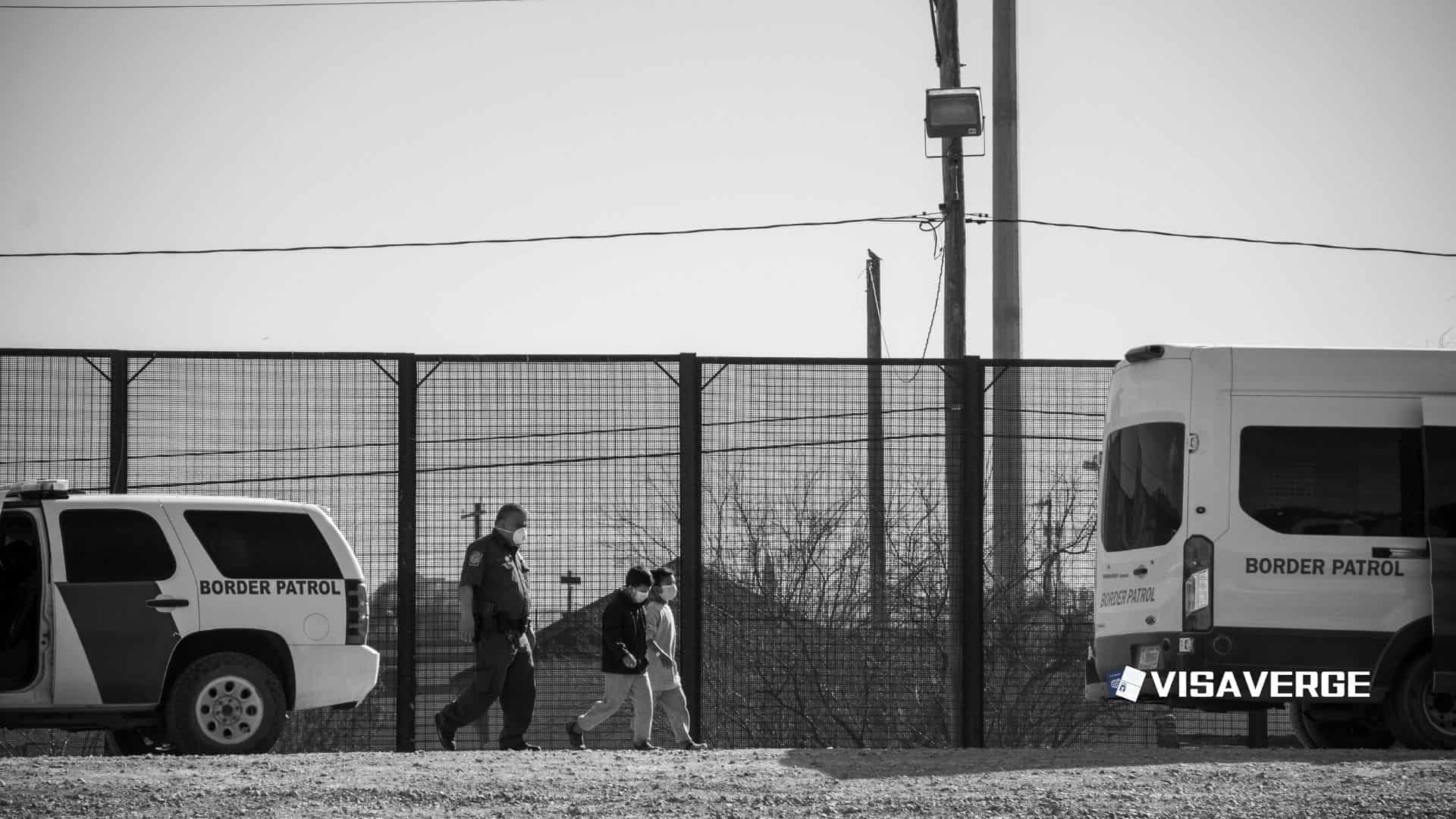
- Bill C-2 grants sweeping new powers to the CBSA for cargo inspections and warrantless mail searches nationwide.
- Asylum seekers now face a strict 14-day deadline to file claims after crossing the Canadian border.
- New financial rules ban cash transactions over ten thousand dollars to combat money laundering and smuggling.
(CANADA) Bill C-2, the Strong Borders Act, has already changed Canada’s immigration and enforcement landscape, and its most immediate effects are now being felt at the border, in asylum processing, and in financial reporting rules. Introduced on June 3, 2025 by Public Safety Minister Gary Anandasangaree, the 139-page bill moved from proposal to partial law with unusual speed.

By March 28, 2026, royal assent had triggered border security and financial measures right away, while asylum limits and some surveillance powers were set to roll out later. That staggered timeline matters for asylum seekers, transport companies, banks, and ordinary residents who now face tighter checks and heavier compliance demands.
A fast-moving law with staggered start dates
Bill C-2 passed third reading in the House of Commons on February 12, 2026, after a confidence vote. The Senate approved an amended version on March 15, 2026, following 18 days of hearings with refugee advocates, privacy experts, and CBSA officials. Governor General Mary Simon granted royal assent on March 28, 2026.
Free toolCanada Express Entry Points CalculatorNot every provision is active yet. Asylum rules are scheduled for May 1, 2026. Some surveillance powers remain on hold because a Federal Court injunction issued on March 20, 2026 blocked warrantless data seizures until a full hearing in July 2026. Public consultations continue through April 2026, and regulations are expected by summer.
According to analysis by VisaVerge.com, this is one of the most ambitious border-law shifts Canada has attempted in years, because it reaches far beyond immigration files and into trade, policing, privacy, and finance.
For official parliamentary tracking, readers can review the bill on LEGISinfo.
Border powers now reach deeper into warehouses and cargo chains
The Strong Borders Act gives the Canada Border Services Agency and the RCMP broader tools to fight smuggling, fentanyl trafficking, and irregular crossings. CBSA officers can now enter the private premises of transporters, trucking firms, and warehouse operators without prior notice for import and export checks.
Those inspections apply to land, sea, and air cargo. They build on a $1.3 billion infrastructure investment announced in 2025. In pilot zones along the Ontario-New York border, the new powers have already produced a 15% rise in seizures since March 28, 2026.
Transporters must also allow outbound container searches. The Canadian Coast Guard now plays a larger security role in coastal waters and shares data in real time with the U.S. Coast Guard under an updated memorandum signed January 15, 2026.
A new North American Border Strike Force began operating on February 1, 2026. It targets fentanyl and human smuggling. The policy directly answers U.S. complaints, including tariff threats from President Trump in December 2025.
Asylum rules now move faster, and the deadlines are much tighter
The sharpest change for migrants is the new asylum timeline. People who cross from the United States outside official ports must claim asylum within 14 days of entry. Claims filed after that deadline are not eligible for refugee status.
Bill C-2 also creates a retroactive one-year limit. People who entered Canada after June 24, 2020 and waited more than one year to claim asylum are barred from refugee protection. The government says this affects about 8,500 pending claims, including 2,000 from international students whose study permits were curtailed in 2024 and 2025.
The Safe Third Country Agreement between Canada and the United States was updated bilaterally on November 30, 2025, and Bill C-2 closes what lawmakers describe as loopholes around foot crossings between ports. Under the new rules, those crossings are inadmissible unless a claim is made immediately.
People who cannot claim refugee status still have access to pre-removal risk assessments, or PRRA. That safeguard is narrower now. It excludes persecution claims tied to the United States.
Data sharing, mail searches, and cash rules expand nationwide
Bill C-2 also widens federal data powers. Amendments to the Canada Post Corporation Act allow the RCMP and CBSA to open mail without warrants in exigent cases, such as an imminent threat. Electronic communications still require judicial oversight after a Senate amendment in 2026.
The bill also expands lawful access powers, letting agencies demand subscriber data from internet providers in urgent situations. That part is delayed by the court injunction. Intelligence sharing with U.S. agencies also grows under the Five Eyes framework.
Financial rules are tighter too. Cash transactions over $10,000 are banned, and third-party deposits face limits. FINTRAC reporting thresholds were lowered on March 28, 2026, producing 12,000 suspicious activity reports in the first week.
These rules apply across Canada, not just at the border. For many people, that is the most unsettling part of the law.
Who feels the pressure first
Asylum seekers and migrants face the clearest risk. More than 10,000 irregular U.S.-Canada crossers a year now face higher rejection rates. International students and family reunifiers are also exposed, especially where claims were delayed.
Businesses are under direct scrutiny. More than 5,000 firms face mandatory audits, and fines for non-compliance can reach $500,000. Cross-border trade volumes fell 8% in March 2026, and trucking firms reported border delays that were 20% to 30% longer.
Banks and payment systems must also adjust. Financial institutions process 1.2 million restricted transactions each month. Everyday Canadians can face penalties too, especially for large cash dealings. Broad metadata requests could reach about 2 million internet users.
Civil liberties groups see a much wider reach
Amnesty International Canada and privacy expert Michael Geist have called Bill C-2 a Charter threat. Their concern is not limited to asylum. It also covers warrantless access, retroactive limits, and the use of border law for broader surveillance powers.
UNHCR said in March 2026 that the retroactive asylum changes violate refugee protections. Amnesty estimates 3,000 people are at risk of refoulement, meaning forced return to danger. The BC Civil Liberties Association filed a Charter challenge on March 25, 2026, citing section 8 protections against unreasonable search.
Minister Gary Anandasangaree defended the law on March 30, 2026, saying it aligns with the Charter and balances security with liberty. The government points to annual audits and sunset clauses for surveillance powers, which expire in 2031 unless renewed.
What applicants, employers, and institutions are being told to do now
Asylum seekers must track deadlines closely and keep proof of entry dates. The easiest path is to act immediately, because the 14-day rule starts on May 1, 2026. For current risk-assessment guidance, the official IRCC website remains the main public starting point.
Businesses should review inspection procedures before April 30, 2026 and train staff who handle cargo or records. Financial users should move away from large cash payments and use traceable transfers. Employers should also check workforce records for compliance.
The government says judicial reviews could still reshape parts of the act by mid-2026. For now, Bill C-2 is already changing how Canada screens borders, processes asylum claims, and watches money flows under the Strong Borders Act.