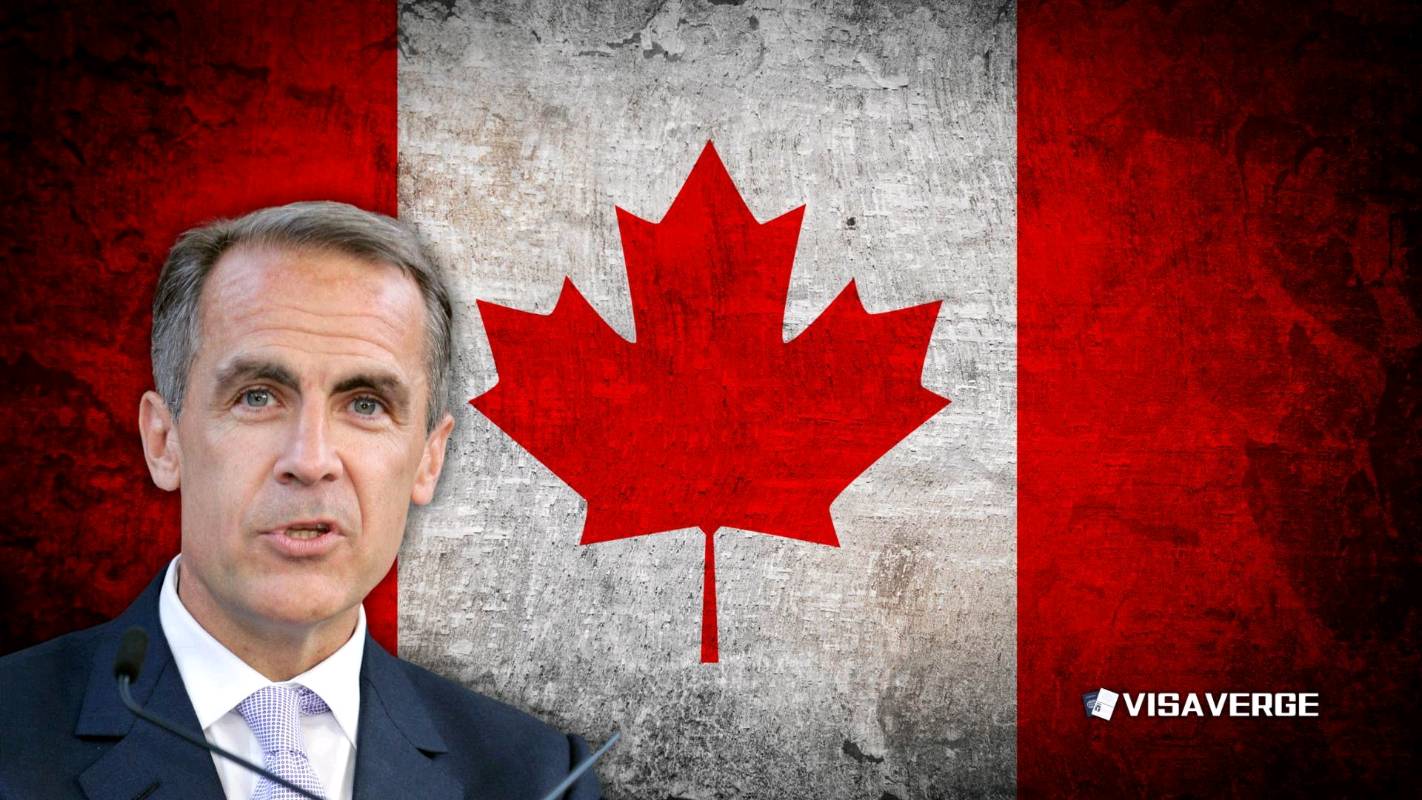
- Prime Minister Mark Carney said Canada will seek long-term concessions for its four largest airports, not outright sales.
- Toronto Pearson, Montreal Trudeau, Calgary, and Vancouver are first under review; Ottawa keeps ownership of land and core assets.
- The plan could shift federal spending to smaller airports, but public and labor opposition is already building.
(CANADA) — Prime Minister Mark Carney said Tuesday that Ottawa will seek private investment to operate Canada’s four largest airports through long-term concessions while the federal government retains ownership of the land and core assets.

Speaking at an investment summit in Toronto on September 15, 2026, Carney identified Toronto Pearson, Montreal’s Trudeau airport, Calgary and Vancouver as the first airports to be considered under the plan. He described the approach as a way to “unlock their true value” by bringing in new capital and expertise.
The model would not involve an outright sale of the airports. Private investors would receive long-term operating concessions, while Ottawa would continue to own the underlying land and infrastructure.
Free toolCanada Express Entry Points CalculatorCarney said shifting some federal spending away from the operating costs of the largest airports could help support smaller regional airports and local infrastructure. The government has linked the plan to its stated goal of making regional and remote air travel more affordable.
Announcement Follows Months of Discussions
The announcement gives concrete form to months of earlier discussions about airport privatization. In late April 2026, Transport Minister Steven MacKinnon said Ottawa was in the “early stages” of talks with airport authorities and other partners about possible changes.
Carney said on May 6 and May 14 that the government was examining whether to spin off airports or sell ownership stakes so capital tied up in those assets could be redirected toward projects supporting economic growth.
The 2025 federal budget said Ottawa would “consider options for the privatization of airports,” while the spring 2026 economic update referred to efforts to “unlock the full value of airports” through alternative ownership models.
The federal government has framed that approach as “asset recycling,” involving the sale or lease of existing holdings and the use of proceeds to fund new infrastructure and other national priorities. Earlier statements described airports as public assets whose capital could be “redeployed” elsewhere.
Key Details Still to Be Determined
The September announcement narrows the debate from whether private investment should be allowed to how the concessions would work. Ottawa has not announced the length of the concessions, the eligibility rules for investors, the governance structure, passenger protections or the degree of operational authority private companies would receive.
Those decisions would determine whether the arrangement functions as a partial privatization, a long lease or a more limited public-private partnership. The federal government would retain ownership, but private operators could assume greater responsibility for management, investment and daily operations.
Canada’s Largest and Most Important Airports
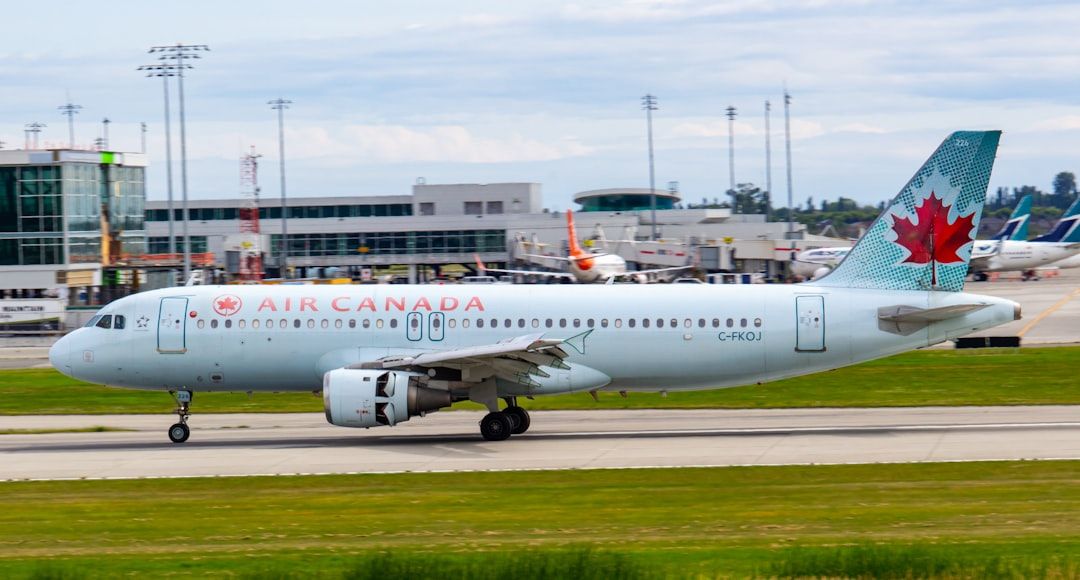
Toronto Pearson, Montreal’s Trudeau airport, Calgary and Vancouver are Canada’s largest and most commercially important airports. They serve the country’s main international air corridors and generate much of the passenger traffic and airport-related revenue.
Canada currently has 23 airports leased to 21 private airport authorities. Under the existing airport authority model, the federal government owns the land and leases it for long periods to not-for-profit authorities.
Opening the largest hubs to private operating control would go beyond that structure. If Ottawa completes concessions at the four airports, the arrangement could provide a model for later investment rounds or additional concessions, although the government has not announced a wider schedule.
Interest From Pension Funds and Foreign Investors
Pension funds and infrastructure investors have shown interest in airport assets if Ottawa opens the market to private capital. Airports have attracted such investors because they offer long-duration infrastructure holdings and relatively predictable cash flow.
Foreign participation also remains possible. During remarks in Mirabel in May, Carney said Canada was “wide open” to foreign investment. Ottawa has not set out foreign ownership thresholds, national security screening rules or limits on control rights for Canadian entities.
Public and Labour Opposition
The government will face public opposition as it develops the plan. A Nanos survey found that 53 percent of Canadians opposed or somewhat opposed opening airports to private investors, while 15 percent were unsure.
Labor groups have also criticized the proposal. The Canadian Labour Congress urged Ottawa not to put airports on the agenda and released arguments against airport privatization ahead of the September summit.
Concerns include higher passenger fees, job security and accountability if private operators pursue stronger returns. Airport-user charges, parking fees and other travel costs could rise if concession holders seek additional revenue, while the government has not announced rules to prevent or limit such increases.
Possible Legislative and Regulatory Hurdles
Governance changes could require more than a cabinet decision. Any restructuring of the largest airports could involve changes to the current airport authority system, alterations to lease terms or legislation, depending on the framework Ottawa adopts.
That process could bring the proposal before Parliament and regulators. It would also force the government to explain how it would preserve public oversight while granting private investors greater control over operations.
Impact on Newcomers and Regional Travel
Airport changes would affect immigrants, international students, temporary workers and visitors who rely on Canada’s major hubs to enter the country and travel between provinces. Terminal operations, processing times, baggage handling, signage, customer service and accessibility all shape the first experience many newcomers have after arriving.
Improved investment could produce better facilities and more efficient operations. Higher costs or congestion would create a different result, particularly for newcomers managing settlement expenses, traveling frequently to visit relatives or relocating across the country.
Regional air service is another part of the government’s argument. Carney has said the plan could shift more federal spending toward smaller airports and local infrastructure. Improved service in those communities could help immigrants living outside Canada’s largest cities, especially in remote and northern regions where air travel is often necessary.
Airport policy also intersects with Canada’s ability to attract students, workers and visitors. Efficient international gateways support business travel, tourism and family reunification, while higher costs and poor service can add pressure to people already facing expensive travel and relocation.
What Comes Next
Ottawa must now define the concession framework, identify the rights and obligations of operators, establish rules for foreign investment and explain how any proceeds would be used. The government also must set out how it will protect passengers, workers and public oversight.
Carney’s plan places Canada’s four largest airports on the table for private operation while keeping ownership with the federal government. The proposal moves airport privatization from a general policy discussion into an active design process, with the terms of the concessions still to be negotiated.