- Southwest Airlines launched assigned seating on May 28, 2025, sparking immediate operational challenges and passenger complaints.
- A new nine-group boarding system prioritizes premium fares and elite status while placing basic economy last.
- Increased overhead bin competition and technical bugs forced the airline to rethink the rollout within weeks.
(UNITED STATES) – Southwest Airlines’ switch to assigned seating was supposed to end the old scramble for a good seat. Instead, it brought new boarding lines, more carry-on tension, and a process that forced the carrier to rewrite parts of the system within weeks of the May 28, 2025 launch.
The change mattered immediately for passengers who had grown used to Southwest’s open-seating routine. Travelers now had to learn nine boarding groups, with the earliest boarding tied to premium fares, extra legroom purchases, and elite status, while the last group was left with the weakest options.
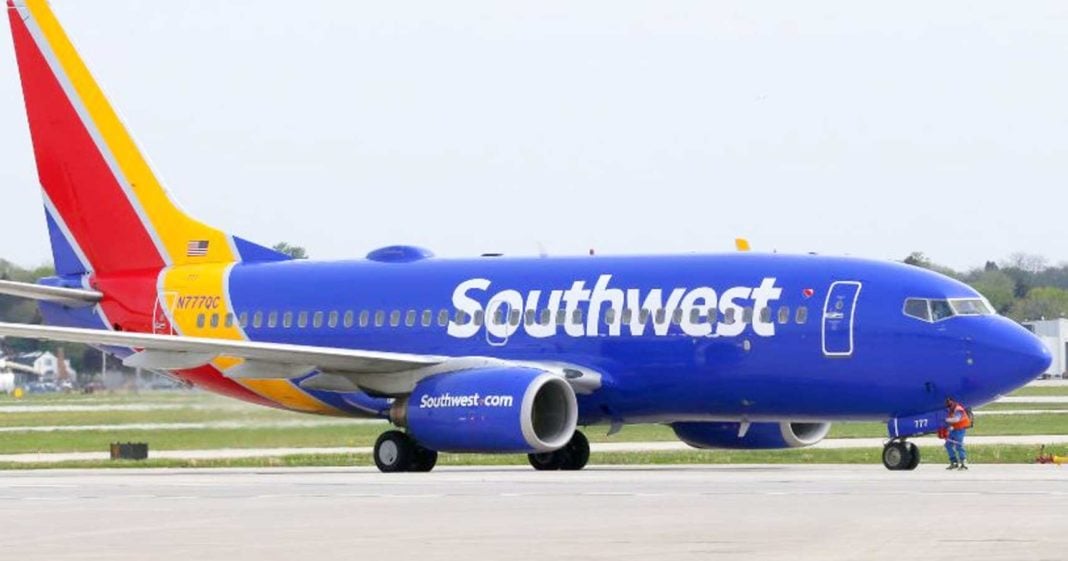
That did not end the rush at the gate. Group 1 and Group 2 passengers were still told to line up before boarding began, which recreated one of the behaviors assigned seating was meant to erase. The result was familiar to anyone who has flown a crowded short-haul route: people standing early, watching the clock, and hoping to board before the bins filled up.
Southwest also entered the rollout with a new pressure point that the old system never had to confront at this scale. Checked bag fees pushed more people to bring bags on board, and that meant more overhead-bin competition. Passengers stopped in the aisle, found no space near their seats, walked back toward the front, and then tried again. The aircraft cabin turned into a moving bottleneck.
Gate agents and flight attendants were left managing the mess in real time. They handled crowding, kept boarding moving, and tried to stop the pile-ups that formed when passengers hesitated or backtracked. Larger bins did not solve that problem. The bags still had to fit somewhere, and everyone wanted space close to their seat.
The launch was also rough on the technical side. Southwest’s website ran into errors on day one, and system bugs required fixes after the rollout. That added another layer of frustration for travelers trying to book, check in, or simply figure out where they fit in the new order.
Passenger reaction followed quickly. The loudest complaints were simple: the lines were still long, the process did not save time, and the new hybrid setup felt awkward rather than efficient. Weeks after launch, Southwest began rethinking pieces of the plan and backing away from some open-seating habits that had defined the airline for years.
| Detail | Before | After |
|---|---|---|
| Seating model | Open seating | Assigned seating |
| Boarding flow | Traditional numbered boarding positions | Nine boarding groups |
| Earliest access | Best spot depended on boarding order | Groups 1-2 for highest fare class, extra legroom buyers, and A-List Preferred elites |
| Middle access | Limited distinction beyond boarding order | Groups 3-4 for the next fare tier, Choice Preferred, and A-List elites without extra legroom |
| Lower access | No formal seat assignment advantage | Group 5 for Southwest credit card holders; Groups 6-8 for standard fare passengers without status |
| Last boarding position | Not formally defined this way | Group 9 for Basic Economy passengers |
Groups 1 and 2 got the best treatment on paper. That included the highest fare class, extra legroom seats, and A-List Preferred elites. Groups 3 and 4 followed with the next fare tier, Choice Preferred, and A-List elites who did not buy extra legroom.
Group 5 sat in the middle of the pack, reserved for Southwest credit card holders. Groups 6 through 8 covered standard-fare passengers without status. Group 9 boarded last, and that meant Basic Economy travelers faced the weakest seat choice and the highest chance of finding overhead bins already crowded.
The airline’s shift also changed how loyalty and payment habits showed up at the gate. Southwest credit card holders gained a clearer boarding benefit, while elite members kept their edge through earlier access. That matters on routes where bins fill fast, because earlier boarding can decide whether a carry-on stays with the traveler or gets gate-checked.
In practice, the boarding groups did not eliminate the old Southwest habits that had built up over years of open seating. The earliest groups still formed queues before boarding, and that alone created pressure around the jet bridge. Once on board, passengers still behaved as if overhead space was a scarce resource, because it was.
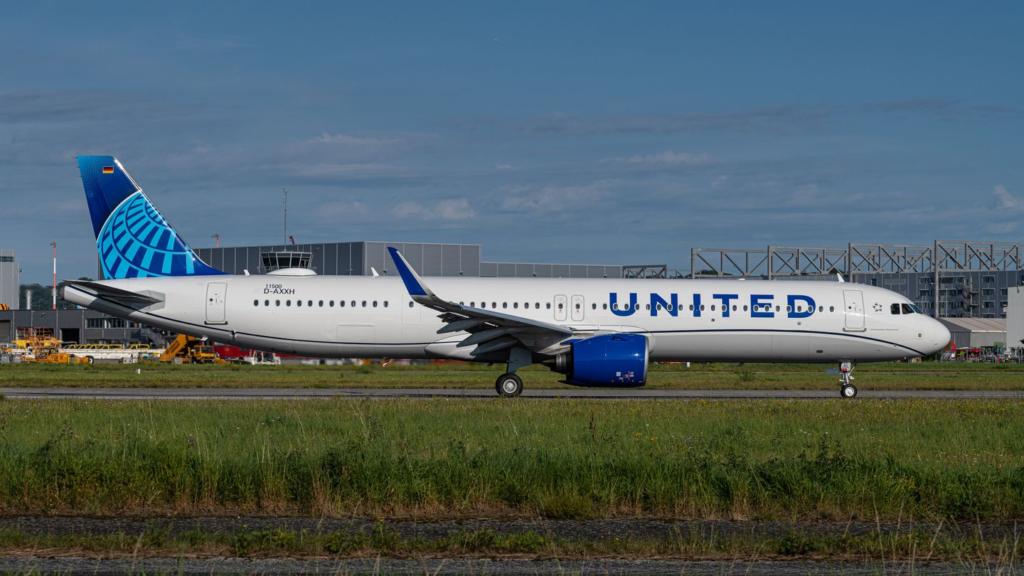
Southwest’s move also invited comparison with competitors that had spent years fine-tuning assigned seating and boarding order. United, for example, already had a more established system in place. Southwest’s version looked newer, but not smoother. The difference showed up in the gate area first, then in the cabin, then in the customer complaints that followed.
Some of the biggest frustration came from the sense that passengers absorbed the downsides of both systems at once. They lost open seating, but they did not get a clean boarding experience in return. They gained seat assignments, but they still had to think about boarding position, overhead space, and the timing of when their group would be called.
Heads Up: The first big test for Southwest’s revised boarding setup came on May 28, 2025, and the airline began adjusting course within weeks. Travelers on upcoming Southwest flights should check their boarding group before departure and expect overhead-bin space to go quickly, especially if they are in Groups 6-9.
Key Date: Southwest’s assigned-seating rollout began on May 28, 2025. Passengers booking after that date entered the new nine-group boarding system, and Basic Economy travelers were placed in Group 9.
Anyone flying Southwest on a packed route should still plan like bin space is limited. Boarding earlier, packing lighter, and knowing where the fare class sits in the nine-group order can reduce the odds of a gate-check surprise. The new system changed the seat map, but it did not end the race for space overhead.