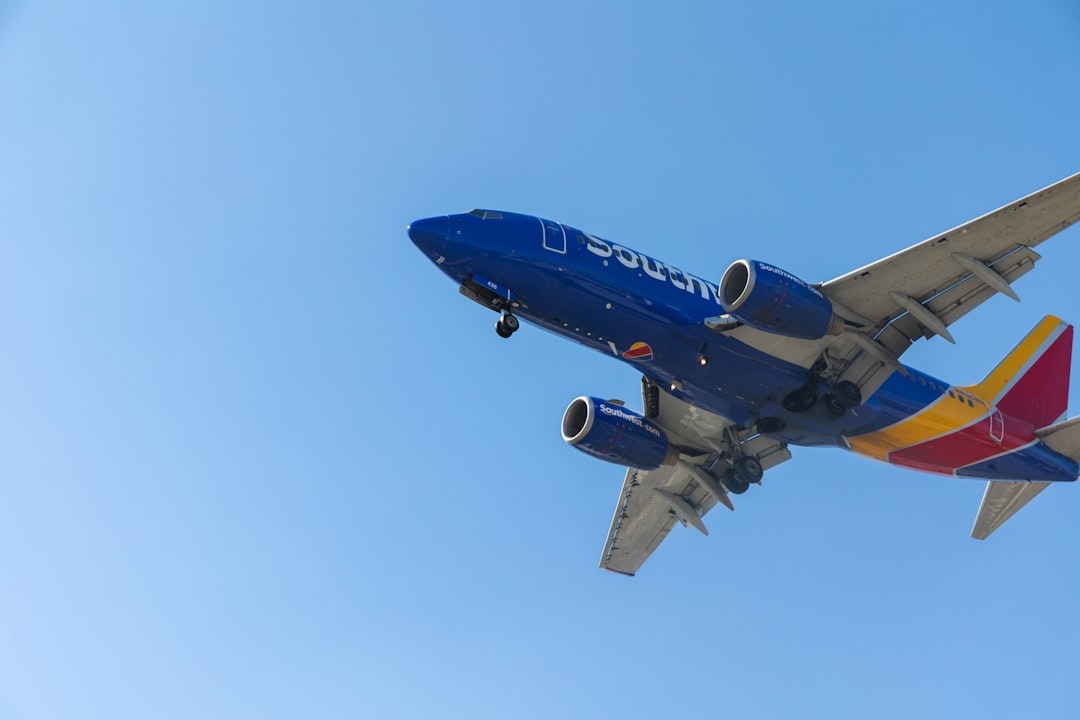
Passengers who want the most legroom or the earliest boarding must pay more or hold elite status. Travelers who want the lowest fare can still buy it, but they face added baggage charges and less favorable seat selection.
Families can reserve seats together instead of relying on luck at the gate. Business travelers can guarantee forward seats and earlier exits. Budget flyers can still avoid bag fees by packing into a carry-on and personal item, though they give up some flexibility.
Southwest said the transition balances revenue needs with the airline’s low-cost roots. Whether that balance holds may depend on how much longtime customers accept a system that looks more like the rest of the industry than the airline they knew for decades.
For now, the race for a better boarding number is over. On Southwest flights in 2026, the seat is already waiting.
- Southwest Airlines ended its 53-year open-seating policy on January 27, 2026, implementing assigned seats.
- A new eight-group boarding system replaces the old A, B, and C boarding lines for all flights.
- Three seat categories—Extra Legroom, Preferred, and Standard—now offer different price points and boarding priorities.
Southwest Airlines fully switched to assigned seating and an eight-group boarding system on January 27, 2026, ending the carrier’s 53-year open seating policy for all flights departing that day and beyond.
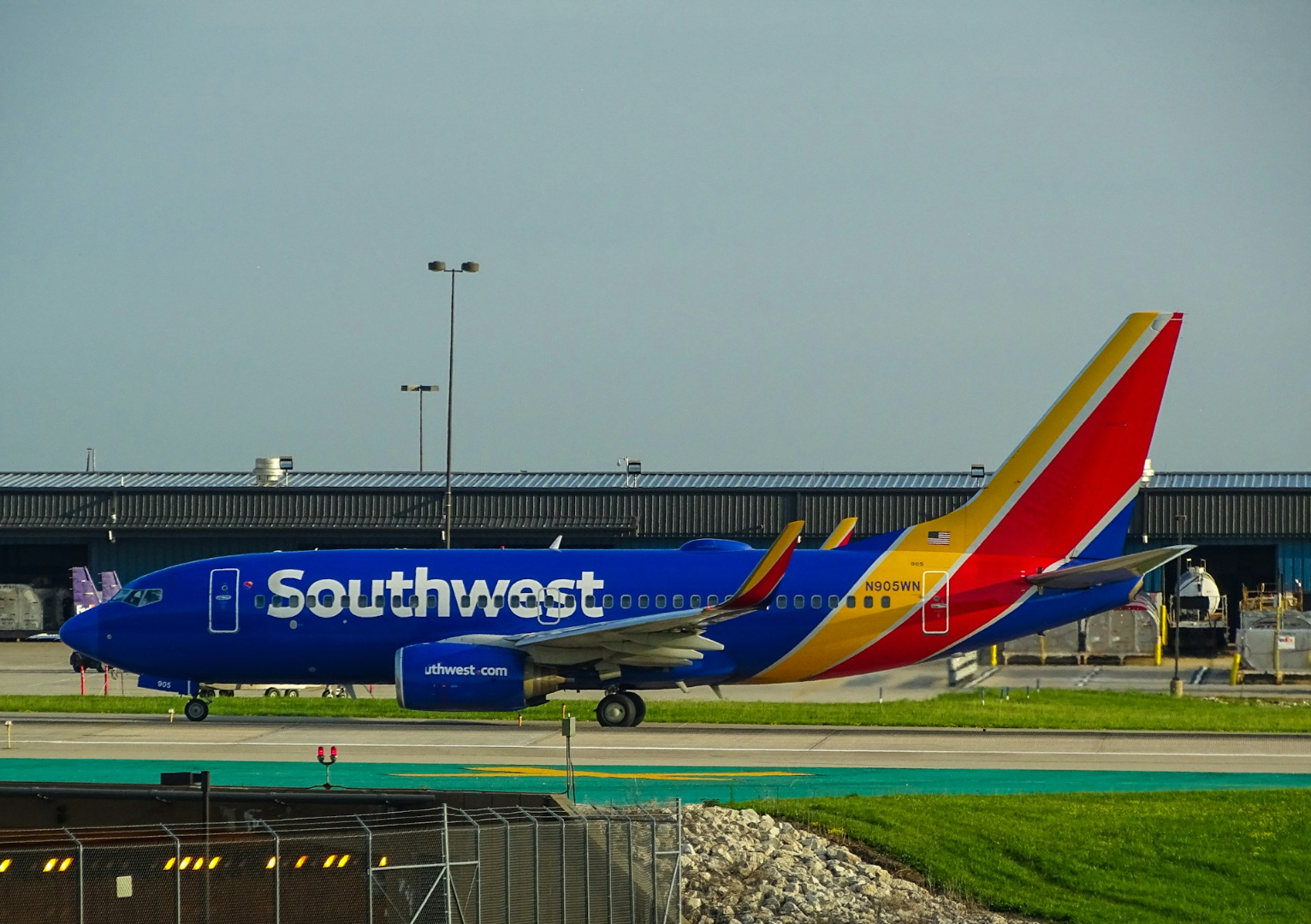
Passengers now pick seats at booking from three categories — Extra Legroom, Preferred and Standard — and board by group numbers printed on their boarding passes. The change replaces the old scramble for a place in A, B or C lines with a system tied to seat location, fare type and loyalty status.
The overhaul marks one of the biggest operational changes in Southwest’s history. It also adds new revenue streams through premium seat fees and fare differences, while changing what travelers can expect at the gate and in the cabin.
How Southwest Rolled Out Assigned Seating
Southwest announced assigned seating in July 2024, then opened seat selection on July 29, 2025, for flights operating on or after January 27, 2026. The carrier said the shift followed internal research showing 80% of current customers and 86% of potential ones prefer assigned seats.
Bob Jordan, Southwest’s CEO, cited the loss of business travelers and families to rival airlines as a reason for the move. The airline also tied the change to a projected $1.8 billion in annual revenue from premium options after losses in 2025.
The final open-seating flight departed Honolulu for Los Angeles on January 27, 2026. The first flights under the new system took off the same day from San Juan to Orlando and from Manchester to Chicago’s Midway Airport.
By March 2026, Southwest said the new process was operating smoothly across a network that serves 175 million annual passengers. Digital gate screens now show boarding groups in sequence, replacing the old poles and long lines that often formed before boarding began.
Seat Types and Boarding Groups
Under the assigned seating model, Extra Legroom seats sit at the front of the cabin, in bulkhead rows and at exit rows. Those seats offer 3-5 extra inches of legroom beyond the standard 31-32 inches and come with boarding priority in Groups 1-2.
Preferred seats are located in the forward and middle parts of the cabin. They keep standard legroom but offer faster access on arrival and a better chance at nearby overhead bin space, with boarding generally in Groups 3-5.
Standard seats fill the mid-cabin and rear sections and board in Groups 6-8. They do not carry an extra seating charge beyond the base fare, but Basic passengers do not receive complimentary seat selection and may end up in middle seats.
Pricing for those options is dynamic. Southwest estimated Extra Legroom seats at $30-60 per flight segment and Preferred seats at $10-30 per flight segment, with prices varying by route, demand and season.
Seat maps appear after travelers select a flight on Southwest.com or in the airline’s app. Instead of checking in as early as possible to get a better boarding place, passengers now know their seat before arriving at the airport.
That change reaches beyond convenience. Families, older travelers and passengers needing accessibility accommodations no longer have to rush aboard to sit together or secure a seat with preferred access.
Who Boards in Each Group
The eight-group boarding structure also resets how Southwest handles priority. Groups 1-2 include A-List Preferred members, Business Select customers and travelers who buy Extra Legroom seats. Groups 3-5 include A-List members, Choice Preferred customers and Southwest credit card holders. Groups 6-8 cover general passengers and those flying on Basic fares.
Southwest framed the finer breakdown as a way to keep its fast turnarounds while matching the assigned-seat systems used across much of the U.S. airline industry. Boarding now proceeds by group announcements and digital displays rather than a rush to line up for the best available seat.
Some travelers have welcomed the calmer pace. Others miss the flexibility that came with the old system, where a passenger could choose a window, aisle or empty row after boarding.
Other Southwest Policy Changes
The boarding change came after Southwest had already started reshaping its fare and baggage rules. On May 28, 2025, the airline ended its longtime two-free-checked-bags policy for passengers who do not hold elite status or qualifying fares, closing another 53-year tradition.
Under the new baggage rules, Rapid Rewards A-List Preferred members and Business Select passengers still receive two free checked bags, each up to 50 lbs and 62 linear inches. A-List members and some other travelers receive one free checked bag.
Everyone else — including passengers on Wanna Get Away, Wanna Get Away Plus and Basic fares — now pays for first and second checked bags. Southwest also charges $100-125 for bags weighing 51-100 lbs or measuring 63-80 inches.
Carry-on rules remain unchanged. Travelers can still bring one carry-on bag measuring 24x16x10 inches and one personal item measuring 18.5×8.5×13.5 inches without charge.
Flight credits tied to bookings made from May 28, 2025, expire within one year. That marked another change from a carrier that had long marketed itself as more flexible than many rivals.
Southwest also introduced a Basic fare on May 28, 2025. The new lowest-priced option earns fewer points, does not include complimentary seat selection and subjects passengers to baggage fees. Wanna Get Away fares also earn fewer points than before, while Business Select benefits expanded.
Some of Southwest’s older selling points remain in place. The airline still does not charge change fees, Rapid Rewards points do not expire, and hotel bookings through Rapid Rewards continue to avoid resort fees.
Alongside the assigned seating rollout, Southwest updated its “Customer of Size” policy. Passengers who need more space must now pre-purchase an extra seat rather than request one at the gate, and the airline no longer offers a refund if the extra seat goes unsold.
That policy change drew criticism over accessibility, but Southwest has said the pre-booking requirement creates a more predictable process. The airline also said it gives customers certainty before travel instead of leaving the issue for the airport.
Preparing for the Transition
Operationally, Southwest had been preparing for the switch well before the January rollout. Some aircraft were retrofitted quietly before launch to add Extra Legroom seating, and the airline tested elements of the new process at select airports in late 2025.
By October 2025, Southwest had released final details of the new seating and boarding model. The debate spread online, where #SaveSouthwestSeating reflected resistance among longtime customers who viewed the open seating policy as part of the airline’s identity.
That identity had set Southwest apart since its founding in 1971. For decades, passengers checked in early to improve their boarding position, then searched the cabin for the seat they wanted after stepping onboard.
The old routine created a culture of speed and improvisation. It also created stress, especially on full flights, when passengers hovered in aisles, searched for bin space and tried to avoid middle seats.
How Travelers Are Affected
Southwest now argues that assigned seating and eight-group boarding reduce those frictions. With seats already assigned, travelers head directly to their row, and gate areas no longer fill as early with passengers trying to protect a better boarding place.
The airline said early feedback from tests was positive, with many travelers appreciating that they no longer needed to arrive 45 minutes early to compete for a better place in line. By March 2026, Southwest reported no major disruptions tied to the new system.
The move also aligns Southwest more closely with Delta, United and American in how passengers buy seats and board aircraft. At the same time, the carrier has tried to preserve lower-cost options through Standard seats and Basic fares, even as it pushes premium products more aggressively.
Southwest has widened its commercial reach in other ways as well, including bookings through Expedia and a partnership with Icelandair. Those changes, together with the seating and baggage overhaul, reflect a broader effort to attract new customers while improving revenue.
What It Means in 2026
For travelers in 2026, the practical impact is straightforward. Booking now involves choosing not only a fare but also a seat tier, with price differences that can change by route and date.
Passengers who want the most legroom or the earliest boarding must pay more or hold elite status. Travelers who want the lowest fare can still buy it, but they face added baggage charges and less favorable seat selection.
Families can reserve seats together instead of relying on luck at the gate. Business travelers can guarantee forward seats and earlier exits. Budget flyers can still avoid bag fees by packing into a carry-on and personal item, though they give up some flexibility.
Southwest said the transition balances revenue needs with the airline’s low-cost roots. Whether that balance holds may depend on how much longtime customers accept a system that looks more like the rest of the industry than the airline they knew for decades.
For now, the race for a better boarding number is over. On Southwest flights in 2026, the seat is already waiting.