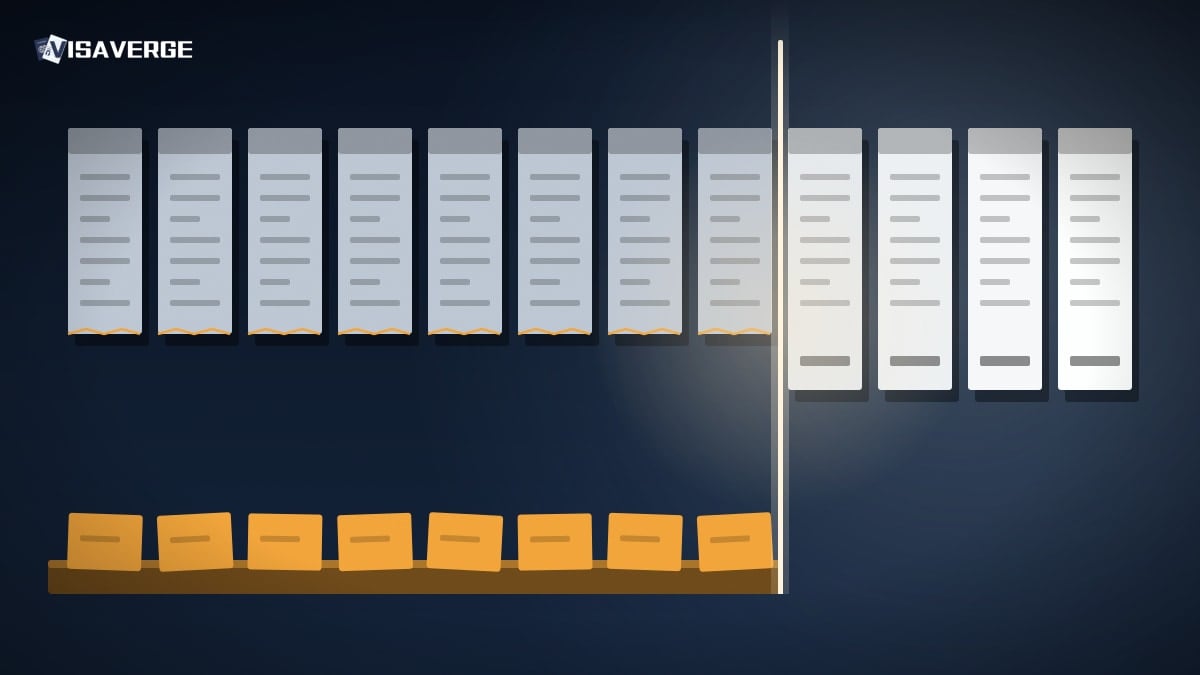
- Immigration New Zealand moves group-tour visas to Immigration Online on August 24, 2026.
- Individual travelers must file separate visitor visa applications before linking them to the group.
- Existing drafts not submitted by the transition date may require manual rebuilding.
Immigration New Zealand will move new group-tour visa applications to its enhanced Immigration Online platform on August 24, 2026, requiring operators to connect separate applications for each traveler before submitting the group file.
The change affects travel agencies, schools, religious organizations and other tour organizers. Applications can still be submitted through the existing system before the launch date.

The new process will not create one visa decision for an entire tour. Every traveler must file an individual visitor visa application and independently meet identity, health, character, financial and genuine-visitor requirements.
The group leader links those applications. One missing traveler can disrupt submission.
| India | China | ROW | |
|---|---|---|---|
| EB-1 | Feb 01, 2023 | Aug 01, 2023 ▲31d | Current |
| EB-2 | Nov 01, 2013 | Oct 01, 2021 | Apr 01, 2025 ▲90d |
| EB-3 | Jan 22, 2014 ▲21d | Jan 22, 2022 ▲14d | Jun 15, 2024 ▲31d |
| F-1 | Jan 22, 2021 ▲366d | Jan 22, 2021 ▲366d | Jan 22, 2021 ▲366d |
| F-2A | Oct 22, 2026 ▲30d | Oct 22, 2026 ▲30d | Oct 22, 2026 ▲30d |
The launch date was moved to August 24 to allow additional system testing. The redesigned platform is intended to provide clearer status information, more self-service functions and a simpler user experience.
Four visa products are moving to the enhanced platform
New applications started on or after the transition date will be directed to the enhanced service. The affected products are:
| Product | Coverage |
|---|---|
| General group visa | Groups traveling for a common purpose and under common arrangements |
| Approved Destination Status group product | Groups traveling under the relevant destination-status arrangement |
| Tour Escort Visitor Visa | Eligible overseas-employed escorts traveling with a group |
| General Visitor Visa | ADS Free and Independent Travellers |
The group route may suit organized tourist parties, school study tours, religious pilgrimages, cultural groups, conference delegations, corporate incentive groups, community organizations, academic delegations, and families or associations traveling under one itinerary.
A shared label does not establish a qualifying group. The travelers’ purpose, itinerary and arrangements must genuinely connect, and a group leader must accept responsibility for the file and travel plans.
The department normally grants a group visa for up to one month. Some study tours may receive a longer period, depending on the travel purpose, proposed itinerary and individual circumstances.
The published cost starts at NZD $271. The department also says 80% of applications are processed within approximately 1.5 weeks. Those figures are current service indicators, not guaranteed decision deadlines, and operators should recheck them before lodging.
Unfinished drafts may need to be rebuilt after August 24
The July 2026 transition information does not confirm that every unsubmitted group or escort draft will transfer automatically to the new platform. Further information is expected closer to the change, while functions for sharing applications with group members and agency staff are still being developed.
A draft is not a lodged application. It does not preserve a place in a processing queue, a fee, the current form, a processing timeframe or planned travel dates.
Operators with nearly complete files should check every traveler’s information, obtain signatures and declarations, upload the evidence, link the correct members, and submit and pay before the change where appropriate. They should retain the acknowledgment and payment receipt.
Groups that are not ready should record all entered data, save every uploaded file, preserve passport details and member lists, and download drafts where possible. Account and payment records should also be kept so the applications can be recreated.
Do not file incomplete applications merely to beat the transition. Missing evidence can delay processing or lead to refusal.
Applications submitted before August 24 remain accessible through the old system. Applicants can log in to view those files and respond to requests for further information.
The group file has two separate application layers
The published workflow starts with an individual visitor visa application for every relevant group member. Each application must reach the required group-ready status before the organizer can select and link it.
The organizer then creates the group application, adds the individual files and uploads shared material such as the cover letter, itinerary and transport plan. The system can combine the applicable charges into one payment, while the invoice continues to identify the charge attached to each individual application.
Personal evidence belongs under the relevant traveler. Group evidence belongs in the group section. An itinerary uploaded to one person’s file does not necessarily establish the itinerary for the entire party.
Individual files may require a passport information page, compliant photograph, personal details, employment or study evidence, bank statements or sponsorship records, travel history, family or financial ties, health and character information, and evidence of a genuine visit. Minors may need parental consent.
The group file may contain the final member list, common itinerary, accommodation bookings, transport plans, an invitation from a New Zealand host, an event schedule, leader details, funding arrangements, escort documents and an explanation of how the group formed.
Each traveler must show enough money for the stay or coverage through an acceptable sponsor. Each must also show onward or return travel, or sufficient funds or sponsorship to purchase it.
A statement that all expenses are covered is weaker when it does not identify the payer, covered costs, available amount, funding source and emergency arrangements.
Escort duties decide whether a visitor or work visa is needed
An overseas-employed person who travels with the group, remains with it and leaves New Zealand with it may qualify for a Tour Escort Visitor Visa. The person generally must live outside New Zealand and provide an employer letter confirming the role.
The letter must be no more than 12 months old when the group arrives. An escort may coordinate arrivals and departures, manage the itinerary, communicate with travelers, provide translation, handle logistical problems and accompany the group.
The visa normally allows a stay of up to three months. Its listed cost starts at NZD $441, and 80% of applications are shown as being processed within approximately one week.
A local guide follows a different visa route. Someone employed by a New Zealand business to lead activities or provide local guiding services generally needs a Specific Purpose Work Visa. Calling the person an escort does not change the actual duties.
An escort holding a passport from a visa-waiver country generally does not need a separate visitor visa, but must obtain an NZeTA and carry a letter from the overseas employer. An NZeTA does not authorize work as a New Zealand-employed guide.
Organizers should build one master file before filing
The master file should use each traveler’s name exactly as shown in the passport. It should contain:
- The final traveler list, passport numbers and expiry dates
- Nationality, date of birth and individual application reference
- Tour purpose, arrival and departure dates, itinerary and accommodation
- Domestic travel, leader and escort details
- New Zealand host or sponsor
- Funding arrangements and emergency contacts
- Parental contacts for minors
The organizer’s cover letter should explain who arranged the tour, how participants were recruited, whether they have traveled together before, who pays the costs, whether accommodation is prepaid, the leader’s role, the escort’s duties, return arrangements and why members will leave New Zealand.
School groups should add school registration and contact details, a principal’s or head teacher’s letter, the participating students and teachers, parental consent, safeguarding arrangements, host-school information, accommodation, supervision, the educational itinerary and confirmation that students will return to their home-country school.
A visitor visa can ordinarily permit study for up to three months. Longer or different educational activity may require checking whether student visas are needed.
Religious and community groups should identify the organization’s legal status, the New Zealand host, event invitation, programme dates, accommodation, funding source, member-selection process and each participant’s role. Work for gain or reward may require a different visa even when the visit is religious, cultural or charitable.
Organized tourist groups should prepare any applicable agency licence or registration, hotel and transport arrangements, payment evidence, return or onward travel, leader details, the escort’s employer letter and evidence that the itinerary is genuine and commercially organized.
File formats and translations can delay the whole group
Documents should generally be uploaded as readable PDFs. Multi-page records should normally be combined into one file. Password-protected and compressed files are rejected.
Photographs must use JPG or JPEG format and meet New Zealand’s photo standards. Altered or AI-enhanced photographs are not accepted.
Passport information pages should be clear, complete at every edge, correctly oriented, free of glare and saved as PDFs. The department says an online passport information-page scan must be under 10 MB.
Non-English visitor visa documents require full English translations. Common examples include bank statements, payslips, employment letters, leave approvals, flight itineraries, identity documents other than passports, school letters and organizational records.
Ordinary supporting-document translations generally do not need certification. Medical and police certificate translations must be certified. The translator cannot be the applicant, a family member or the immigration adviser handling the application. The translator’s identity, contact details and relevant experience must also be provided.
Both the original-language document and English translation should be uploaded. Partial translations of bank statements or other financial records may not be accepted.
Clear file names can help operators manage large files. Examples include 01_Passport_Ravi_Kumar.pdf, 02_Bank_Statements_Ravi_Kumar.pdf, 03_Employment_Letter_Ravi_Kumar.pdf, Group_Itinerary_August_2026.pdf and Tour_Escort_Employer_Letter.pdf.
Operators should plan well before the travel date
For organized events, Immigration New Zealand recommends notifying it preferably around three months before the event. Applications should generally be submitted at least four weeks before intended travel.
The published processing indicators do not guarantee a decision by a chosen travel date. Files may take longer when a traveler has incomplete documents, passport details conflict, funds are unclear, evidence requires verification, minors are included, health or character information is required, the escort role is uncertain or further information is requested.
Operators should wait for approval before making non-refundable bookings. The processing figures should not be used as the date for purchasing tickets or other arrangements that cannot be refunded.
Before payment, organizers should verify the following:
- The correct visa product was selected
- Every traveler’s name matches the passport
- Every member has an individual application linked to the correct group
- The escort has the correct visa or NZeTA and a current employer letter
- Dates, accommodation and transport evidence match across the files
- Funding is explained for each traveler
- Onward travel is documented
- Minors have parental permission
- Translations are complete
- PDFs are readable and not password-protected
- Photographs meet the requirements
- Group documents are in the group section
- No traveler appears twice
- Payment covers every intended application
- Copies of the submission and receipt have been retained
The agency should also decide whose account owns the group, who can edit individual applications, who uploads group documents, who makes payment, who receives correspondence, who responds to further-information requests and who stores the final decisions.
The department says it is developing a sharing function for group members and tour agency staff. Operators should confirm what that function supports when the enhanced platform launches on August 24.