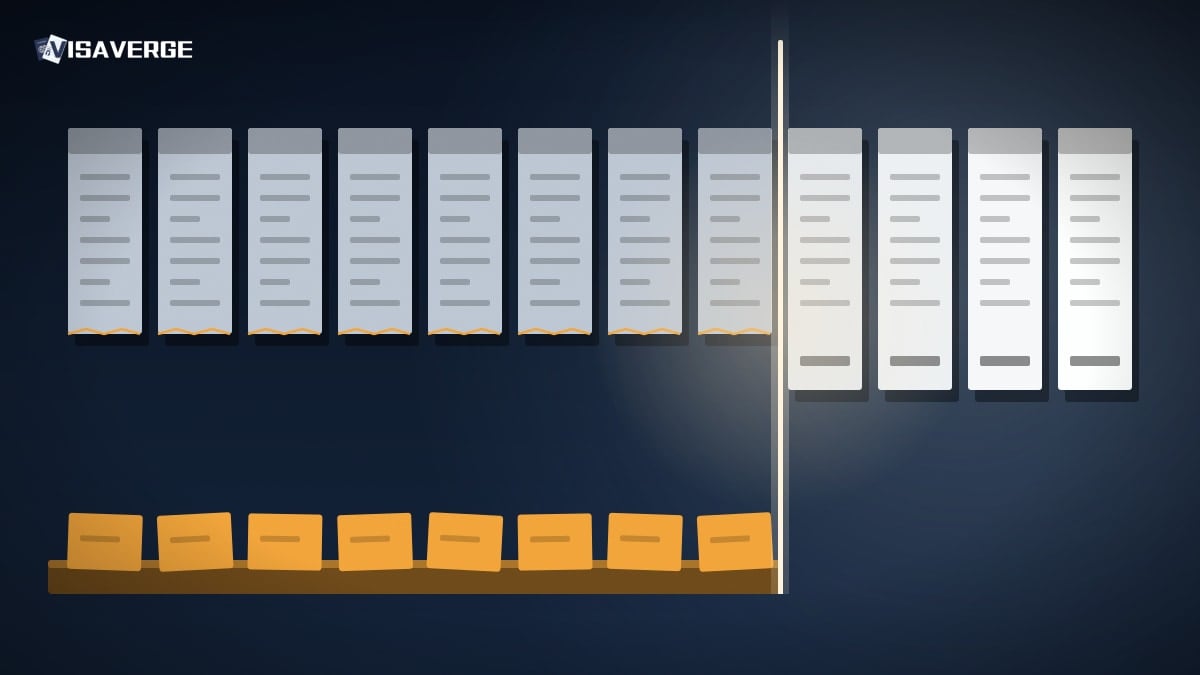
- Taxpayers can discard unverified income tax returns to fix serious errors before the filing is processed.
- Discarding a return after the July 31 deadline makes the replacement belated, potentially triggering penalties.
- The discard facility for Assessment Year 2026-27 is available until December 31, 2026 on the portal.
A taxpayer who spots a serious mistake in an unverified Indian Income Tax Return can cancel that filing and submit a fresh one, but the timing can determine whether the replacement remains timely. The Income Tax Department’s e-Filing portal treats a discarded return as though it was never filed.
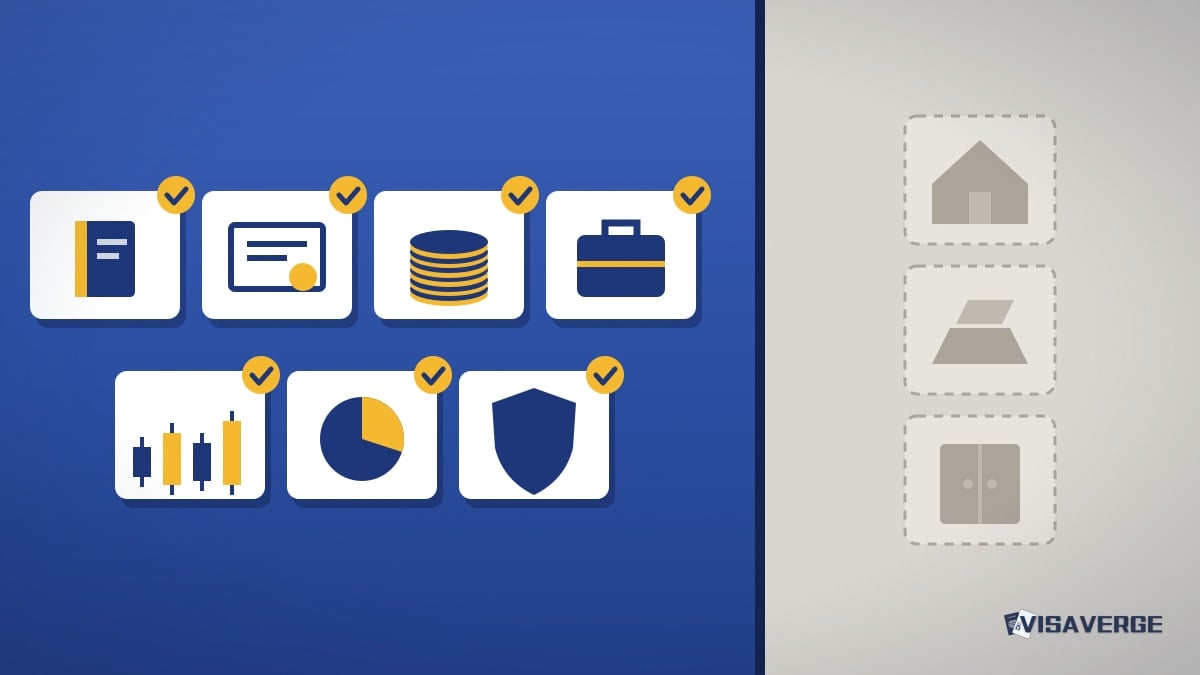
That option covers mistakes such as choosing the wrong form, omitting income, missing tax deducted at source, entering an incorrect bank account or reporting the wrong residential status. It is available to residents and Non-Resident Indians, provided the return still shows “Unverified” or “Pending for verification.”
The original filing cannot be restored after discard. The taxpayer must prepare and submit another return.
A return discarded after the regular deadline may create a new problem. The fresh filing can become belated, even if the original return was uploaded on time.
For Assessment Year 2026-27, income earned from April 1, 2025 to March 31, 2026 is generally reported in that assessment year. The regular deadline for most salaried taxpayers, pensioners, investors and non-audit individuals is July 31, 2026.
The portal removes the unverified return completely
Discarding cancels an uploaded return that remains unverified or pending verification. The department says the particular return is treated as not filed, will not be processed as a valid return and cannot be retrieved.
The taxpayer can then file a replacement containing corrected information. The replacement does not use the acknowledgement details of the discarded filing.
This differs from a revised return. A revised return replaces an earlier return that was validly filed, while discard eliminates the earlier unverified submission. A further revised return may be possible within the applicable period, but a discarded return cannot be brought back.
The facility currently covers an unverified original return under section 139(1), a belated return under section 139(4) and a revised return under section 139(5). It does not apply to an Updated Return filed through ITR-U under section 139(8A).
The facility can be used more than once when each return remains eligible and the applicable portal deadline has not expired. The irreversible step applies to the specific return discarded, not necessarily to every later unverified return.
| Return or action | Relevant position for AY 2026-27 |
|---|---|
| Regular return for most non-audit individuals | July 31, 2026 |
| Belated return | December 31, 2026 |
| Revised return | March 31, 2027 |
| Discard facility under the portal’s current FAQ | December 31, 2026 |
The revised-return period runs to March 31, 2027, or the completion of assessment, whichever is earlier. A revision filed after December 31 and up to March 31 attracts the prescribed fee under section 234I.
The current portal FAQ separately describes December 31 of the relevant Assessment Year as the Discard availability date, “as of now.” Taxpayers should not assume that the March 31 revised-return extension also extends the discard window.
Discarding after July 31 can turn a timely filing into a belated one
Consider a return uploaded on July 30, 2026 and left unverified. If the taxpayer discards it on August 10, the July 31 regular deadline has already passed.
The replacement filed on August 10 will ordinarily fall under section 139(4). The earlier July 30 date disappears with the discarded return.
That can lead to a late-filing fee under section 234F, interest under sections 234A, 234B or 234C where applicable, and the loss of timely-filing status. Certain losses may also face restrictions on carry-forward.
The same timing issue appears in a practical example. A taxpayer who discards a July 30 filing on August 5 generally has to treat the fresh filing as belated and may face the consequences attached to section 139(4).
A taxpayer should first check whether the original section 139(1) deadline remains open. A clean replacement before the deadline can still be filed as an original return.
Serious form and income errors may justify starting again
Discarding is most useful when correcting the existing return would require extensive changes. Situations may include:
- Selecting an incorrect ITR form.
- Omitting substantial income schedules.
- Reporting the wrong residential status.
- Using ITR-1 despite being ineligible.
- Choosing the wrong tax regime, subject to applicable legal restrictions.
- Filing under the wrong section.
- Entering incorrect personal or bank information.
- Preferring to prepare the return afresh rather than correct numerous entries.
Resident taxpayers may also need to restart after omitting salary from a second employer, bank or fixed-deposit interest, capital gains or information appearing in the Annual Information Statement. Other issues include claiming tax deducted at source that does not appear in Form 26AS, claiming an ineligible deduction or answering questions about foreign assets or directorships incorrectly.
A minor omission generally points toward revision after verification rather than discard. The choice depends on the error and whether preserving the initial filing date matters.
NRIs face added risks from status and form mistakes
Non-Resident Indians often need to review residential status before submitting a replacement return. A resident classification can affect the return broadly, as can the selection of an ineligible form.
Common errors include treating the taxpayer as resident instead of non-resident, using ITR-1, leaving out interest from NRO deposits, treating taxable NRO interest as exempt, or omitting Indian rental income and capital gains.
Other potential errors involve an incorrect Double Taxation Avoidance Agreement claim, a wrong foreign address or bank account, and selection of the wrong ITR form. An NRI without business or professional income would generally use ITR-2 where the income profile requires it. Business or professional income would generally require ITR-3.
An NRI who discovers the mistake before verification may obtain a cleaner result by discarding and filing afresh. The taxpayer should first establish whether the original section 139(1) due date has passed.
Verified returns require revision instead
Once the return has been successfully verified, the discard facility is no longer the appropriate remedy. The taxpayer should generally use a revised return under section 139(5).
For AY 2026-27, that revised return can be filed until March 31, 2027, unless assessment finishes earlier. A fee under section 234I applies to a revision filed after December 31, 2026.
The fee is ₹1,000 where total income does not exceed ₹5 lakh and ₹5,000 where total income exceeds ₹5 lakh. A revised return remains possible even when the original return was filed belatedly.
The same approach applies when an NRI verifies ITR-2 and later finds that NRO interest was omitted. The verified return cannot normally be discarded; the correction must proceed through revision within the applicable deadline.
Sending ITR-V changes the discard decision
The department says taxpayers should not use the discard option after sending the signed ITR-V to the Centralised Processing Centre, even when the document remains in transit and has not yet arrived.
The portal requires an undertaking about this point before a discard request is confirmed. Taxpayers in that position should review the verification status and use the revised-return route after the original filing becomes validly verified.
The current portal route is Login → e-File → Income Tax Return → e-Verify ITR → Discard. The taxpayer then selects a return marked “Unverified” or “Pending for verification,” reads the warning and undertaking, confirms that ITR-V has not been sent to CPC, and confirms the request.
The process has a final step. After preparing the corrected return, the taxpayer must submit it under the correct filing section and verify it within the permitted period.
The replacement return still needs verification
Electronic transmission alone does not complete the filing. The general verification period is 30 days from the date the return is transmitted electronically.
Available electronic methods include Aadhaar OTP, net banking, a bank-account Electronic Verification Code, a demat-account Electronic Verification Code and a Digital Signature Certificate where applicable. Failure to verify within the permitted period can affect the return’s validity and filing date.
A taxpayer who files the correct ITR-2 before July 31 after discarding an unverified ITR-1 can still submit it as an original return under section 139(1), where capital gains made ITR-1 inappropriate. A return left unverified after December 31, 2026 may no longer qualify for discard under the portal FAQ, even though revision remains available until March 31, 2027.
The filing calendar should therefore be checked before the discard confirmation is made. The date that matters is the date of the fresh, valid filing, not the date of the return that no longer exists.
This article is for informational purposes only and does not constitute tax advice. Consult a qualified tax professional or CPA about your specific situation.