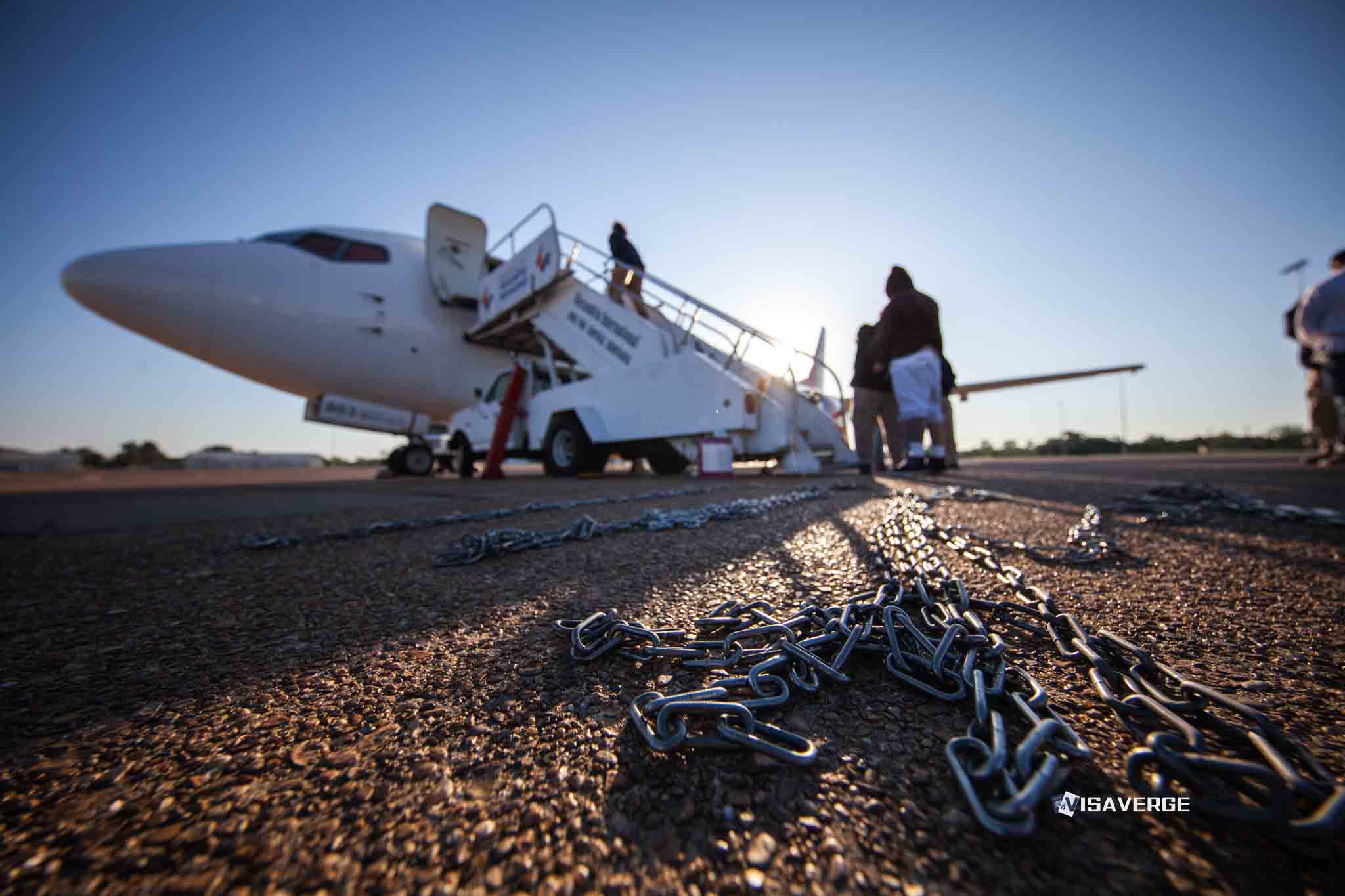
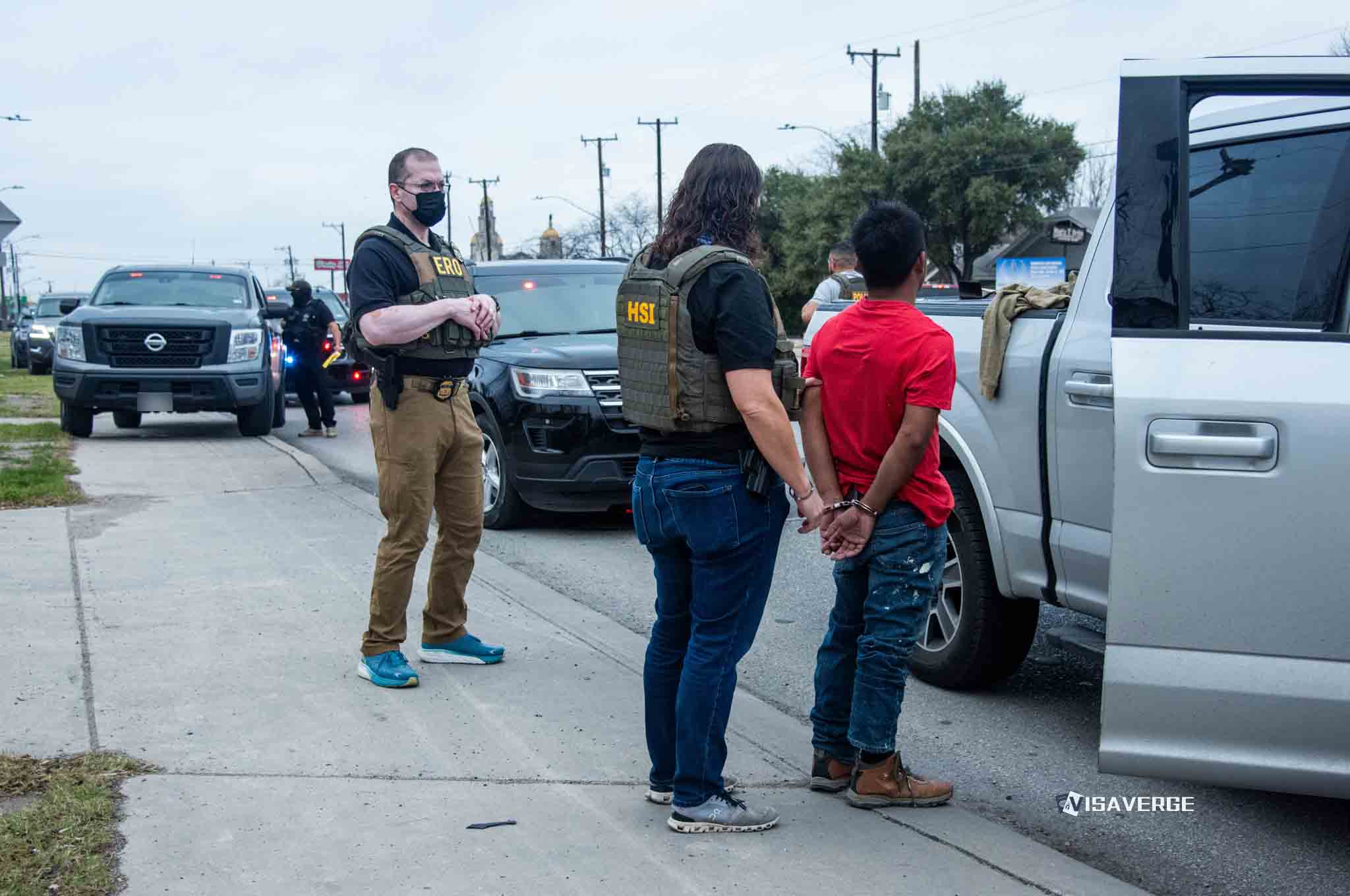
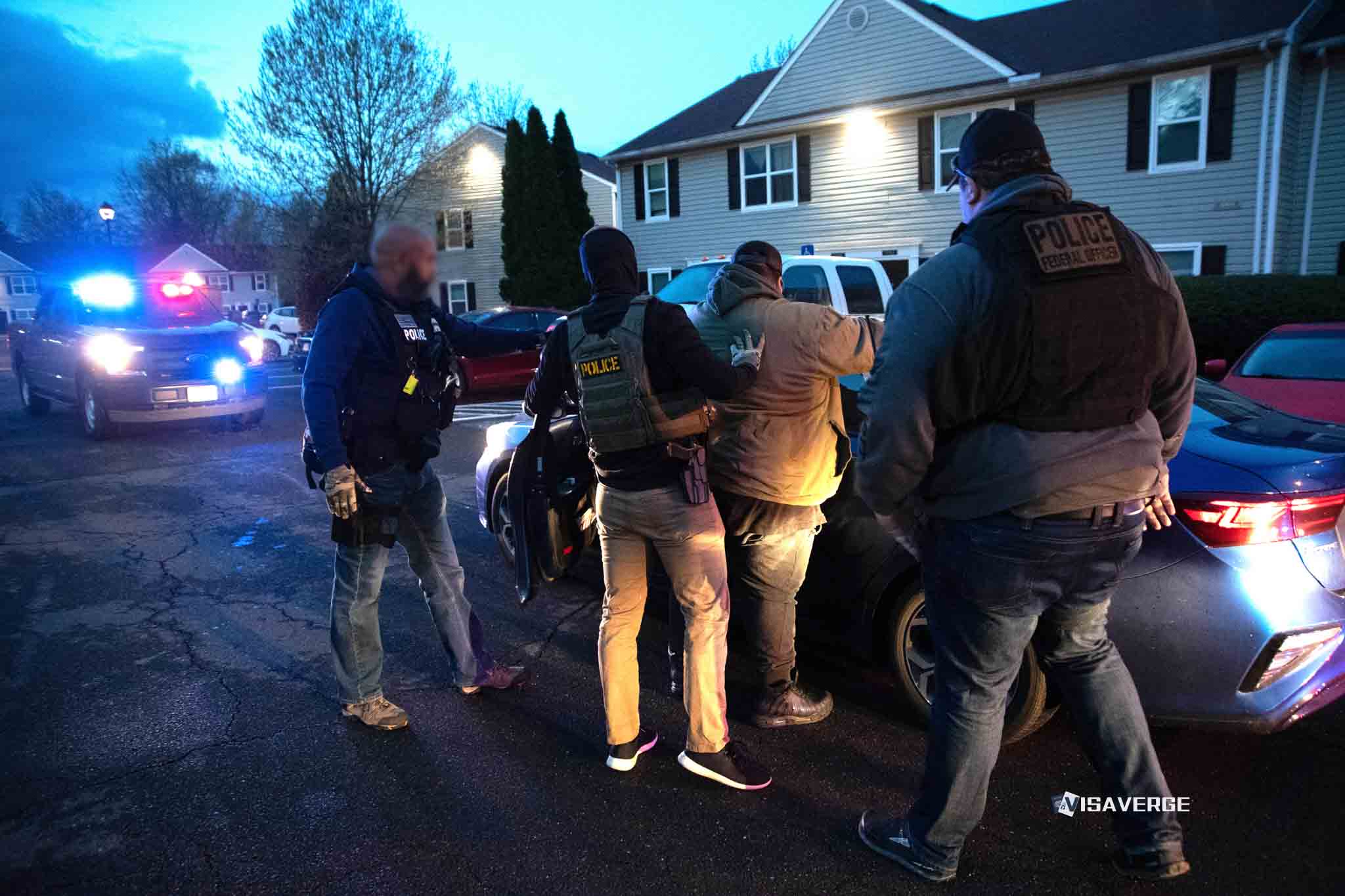
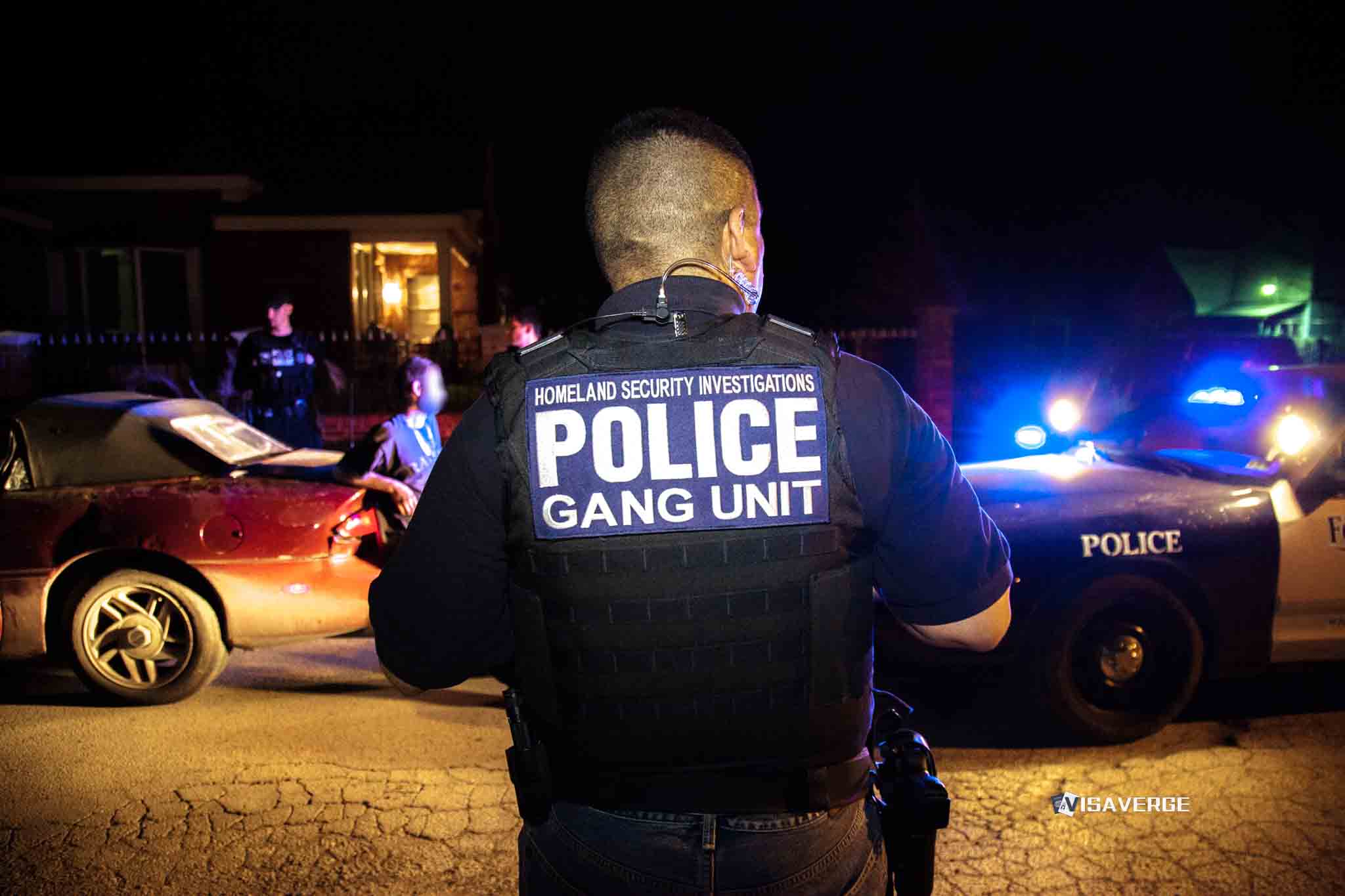
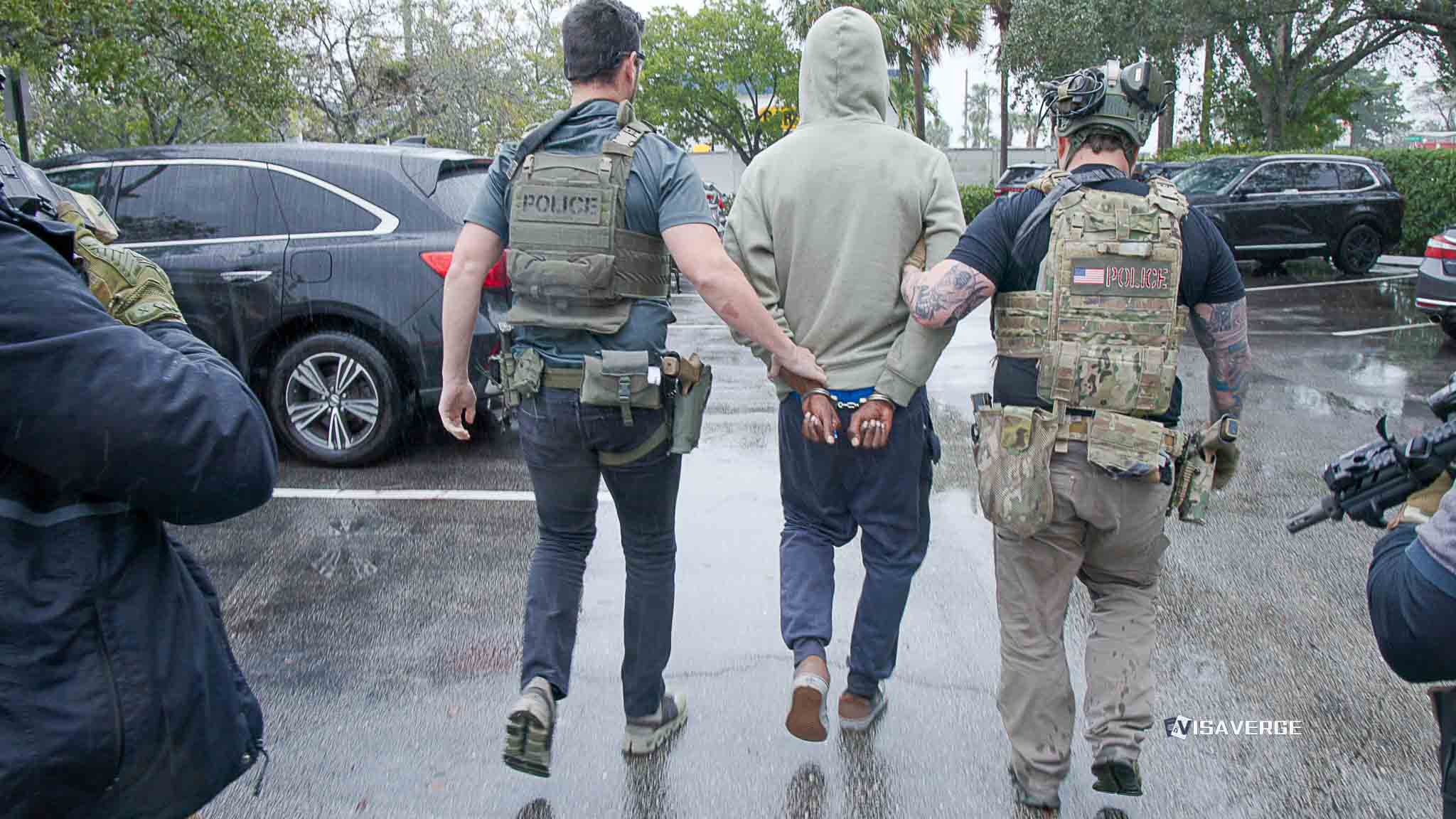
(SONORA) Julio César Chávez Jr. was deported from the United States to Mexico and jailed in Sonora on August 19, 2025, after spending 46 days in U.S. Immigration and Customs Enforcement custody. The former WBC middleweight champion was arrested by ICE in Studio City, Los Angeles, on July 2, 2025, days after a high-profile loss to Jake Paul.
Mexican President Claudia Sheinbaum confirmed the transfer at a press conference, saying, “I understand he was deported… they told us he will come to Mexico.” Mexican authorities placed him in a Sonora prison, where he faces charges tied to organized crime, arms trafficking, and alleged links to the Sinaloa Cartel.

DHS officials said the removal followed a review that found Chávez Jr. had overstayed a tourist visa and submitted “multiple fraudulent statements” in a permanent residency application based on marriage to a U.S. citizen. U.S. authorities also cited public safety concerns and his alleged cartel ties. According to analysis by VisaVerge.com, this combination—overstay, suspected fraud, and possible cartel involvement—can fast-track removal decisions when DHS determines a person is in the country without lawful status.
Detention and deportation timeline
- July 2, 2025: ICE agents arrested Chávez Jr. in Los Angeles (Studio City).
- June 27, 2025: DHS records show officials determined he was removable by this date.
- 46 days detained: He remained in ICE custody while travel documents and transfer plans were finalized.
- August 19, 2025: Removed to Mexico and handed over to Mexican authorities at the border; immediately incarcerated in Sonora.
Mexico’s Attorney General, Alejandro Gertz Manero, has overseen an investigation into Chávez Jr. since 2019, focusing on organized crime and firearms trafficking. As of August 19, 2025, Mexican prosecutors had not announced a trial date. Chávez Jr. is expected to remain in custody while proceedings move forward.
The deportation capped a turbulent stretch for the boxer. Beyond the loss to Paul, he has a history of personal and legal trouble, including a 2012 DUI conviction in Los Angeles and a January 2024 arrest in the U.S. tied to two AR-style ghost rifles. Those incidents, together with the immigration case, have overshadowed his legacy as the son of Mexican legend Julio César Chávez Sr., drawing wide attention across sports and legal circles in both countries.
| India | China | ROW | |
|---|---|---|---|
| EB-1 | Feb 01, 2023 | Aug 01, 2023 ▲31d | Current |
| EB-2 | Nov 01, 2013 | Oct 01, 2021 | Apr 01, 2025 ▲90d |
| EB-3 | Jan 22, 2014 ▲21d | Jan 22, 2022 ▲14d | Jun 15, 2024 ▲31d |
| F-1 | Jan 22, 2021 ▲366d | Jan 22, 2021 ▲366d | Jan 22, 2021 ▲366d |
| F-2A | Oct 22, 2026 ▲30d | Oct 22, 2026 ▲30d | Oct 22, 2026 ▲30d |
Immigration basis for removal
Chávez Jr. entered the U.S. on a tourist visa that expired in February 2024. He was later paroled back into the country at the San Ysidro port of entry on January 4, 2025, during the Biden administration. In April 2024, he applied to become a lawful permanent resident based on marriage to a U.S. citizen.
DHS officers flagged that filing for alleged false statements and concerns over links to the Sinaloa Cartel. By late June, officials concluded he was in the U.S. unlawfully and removable under immigration law.
Key practical points about this pathway:
- Overstay of a nonimmigrant visa (e.g., tourist visa) exposes a person to removal.
- A marriage-based green card application faces extra scrutiny if officers suspect fraud, misrepresentation, or public safety risks.
- Alleged ties to organized crime can weigh heavily in detention and bond decisions and may speed deportation once removability is established.
U.S. officials emphasized that public safety and the integrity of the immigration system drove their decision. The case also arrives as the U.S. steps up attention on cartel-related activity. Authorities have described the Sinaloa Cartel as a terrorist organization under recent policy actions, and officials cited those ties in discussing broader enforcement. Both President Trump and President Biden have backed tougher steps against cartel-linked individuals, and Chávez Jr.’s case reflects that trend.
For official policy updates, the Department of Homeland Security maintains a newsroom with current enforcement actions and statements: DHS Newsroom.
Wider policy context and human impact
The immediate jailing in Sonora demonstrates close coordination between U.S. and Mexican officials on cross-border crime. Mexican prosecutors have pursued organized crime and trafficking charges tied to cartel networks since 2019 in this case, and Mexican courts will now set the pace.
There is no sign the U.S. will seek extradition for separate charges at this time; any shift would likely depend on Mexico’s proceedings.
Notable implications for U.S. immigration law and practice:
- Scrutiny of marriage-based filings
- Officers can deny or refer for removal if they find false statements or other red flags in a green card case.
- In high-risk cases, applicants may be detained pending proceedings.
- Parole is not a status
- The January 2025 parole at San Ysidro allowed entry but did not cure the prior overstay or guarantee residency.
- Parole is a temporary permission to enter or remain for urgent or humanitarian reasons; it does not erase immigration violations.
- Public safety concerns
- Criminal history—such as a DUI or firearms case—doesn’t always determine an immigration outcome alone.
- When combined with status violations, criminal history can influence detention, bond, and final removal orders.
Boxing figures have voiced sadness over the fall of a one-time champion whose career was marked by drug problems, failed tests, and uneven performances. Many remember the promise of a fighter carrying a famous name; others point to repeated off-ring problems that now carry serious criminal and immigration consequences.
Families with loved ones in detention will recognize the anxiety of long holds, sudden transfers, and uncertain court timelines. While Chávez Jr.’s profile is unique, the stress felt by spouses and parents in stalled cases is not.
Some human rights advocates have raised concerns about due process and detention conditions in similar cases, though no major group had issued a formal statement specific to Chávez Jr. by August 19, 2025. Advocates often call for:
- Consistent access to counsel
- Clear timelines for cases
- Transparent health care in custody
Possible outcomes and practical advice
What happens next will unfold in Mexican courts. Potential scenarios:
- If convicted, Chávez Jr. could face a long sentence.
- If acquitted, he would still confront U.S. immigration bars that follow from fraud findings and a removal order, which can block return for many years.
- Any future bid to enter the U.S. would likely meet heavy resistance due to the combination of removal, alleged fraud, and the Sinaloa Cartel allegations.
Practical notes for families in similar situations:
- Keep copies of all immigration filings and receipts.
- Tell the truth on every form and in every interview; misstatements can have lasting effects.
- Understand that parole does not fix an overstay and does not guarantee a green card.
- Monitor official statements and case updates through DHS and ICE.
- For general inquiries on detention and removal, ICE lists a public line at 1-866-DHS-2-ICE.
Chávez Jr. is now a cautionary tale at the intersection of sports fame, criminal probes, and strict immigration enforcement. As proceedings continue in Sonora, U.S. and Mexican officials will keep sharing information on a case that blends celebrity, alleged organized crime, and the consequences that follow when a person is found deported after a visa overstay and suspected fraud tied to the Sinaloa Cartel.
This Article in a Nutshell
High-profile deportation spotlighted immigration enforcement: Julio César Chávez Jr. was removed August 19, 2025, after visa overstay, alleged I-485 fraud, and suspected cartel links, ending 46 days in ICE custody and prompting Mexican criminal proceedings in Sonora amid cross-border coordination.