(WASHINGTON) Federal immigration officials carried out an enforcement operation at the Bear Gulch wildfire in Washington State on Wednesday, August 27, 2025, arresting two firefighters working for private contractor crews at the Olympic National Forest west of Seattle. The action, led by U.S. Border Patrol and joined by other federal officers, unfolded as nearly 400 personnel fought the state’s largest active wildfire, a blaze that covered almost 9,000 acres and was 13% contained that morning.
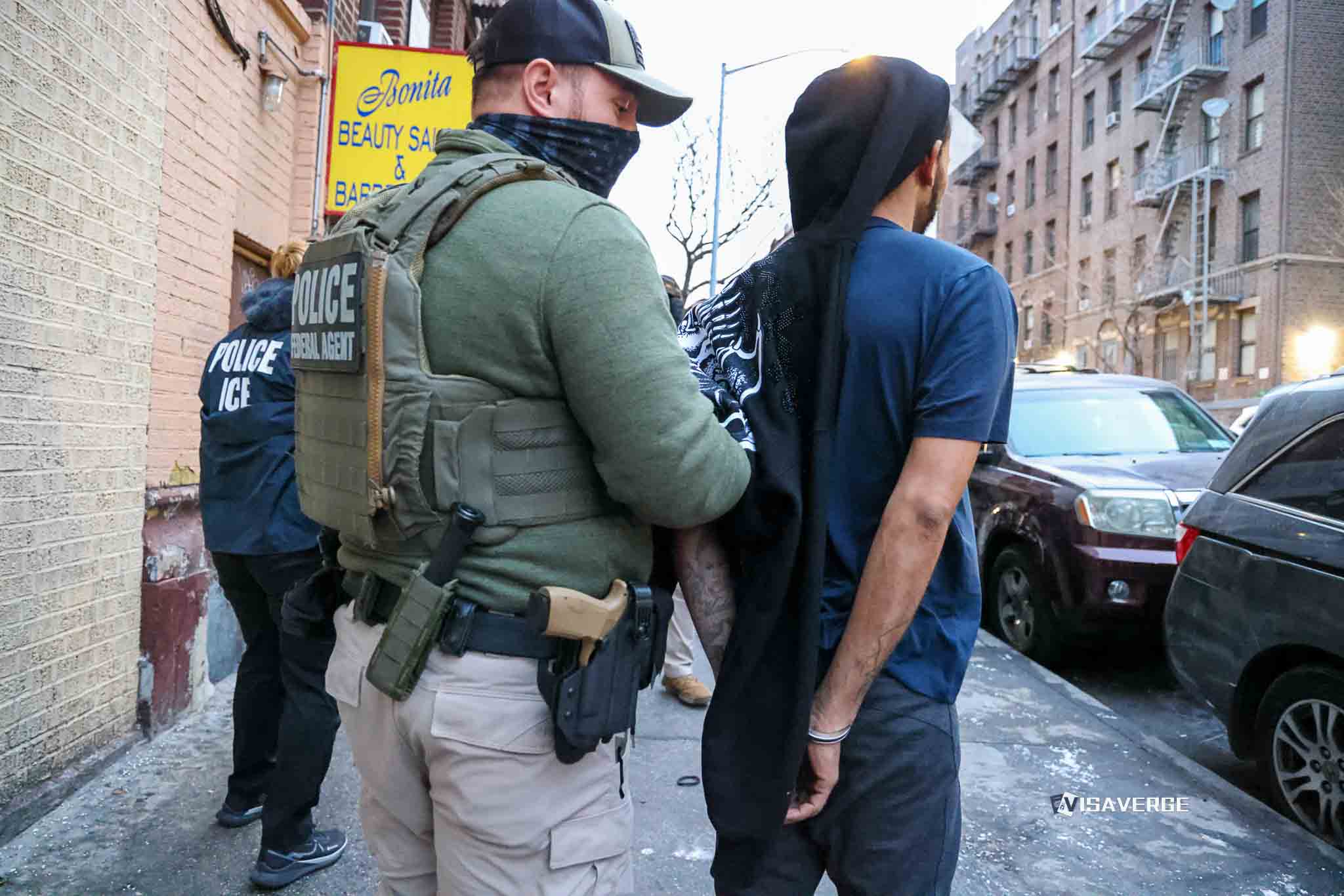
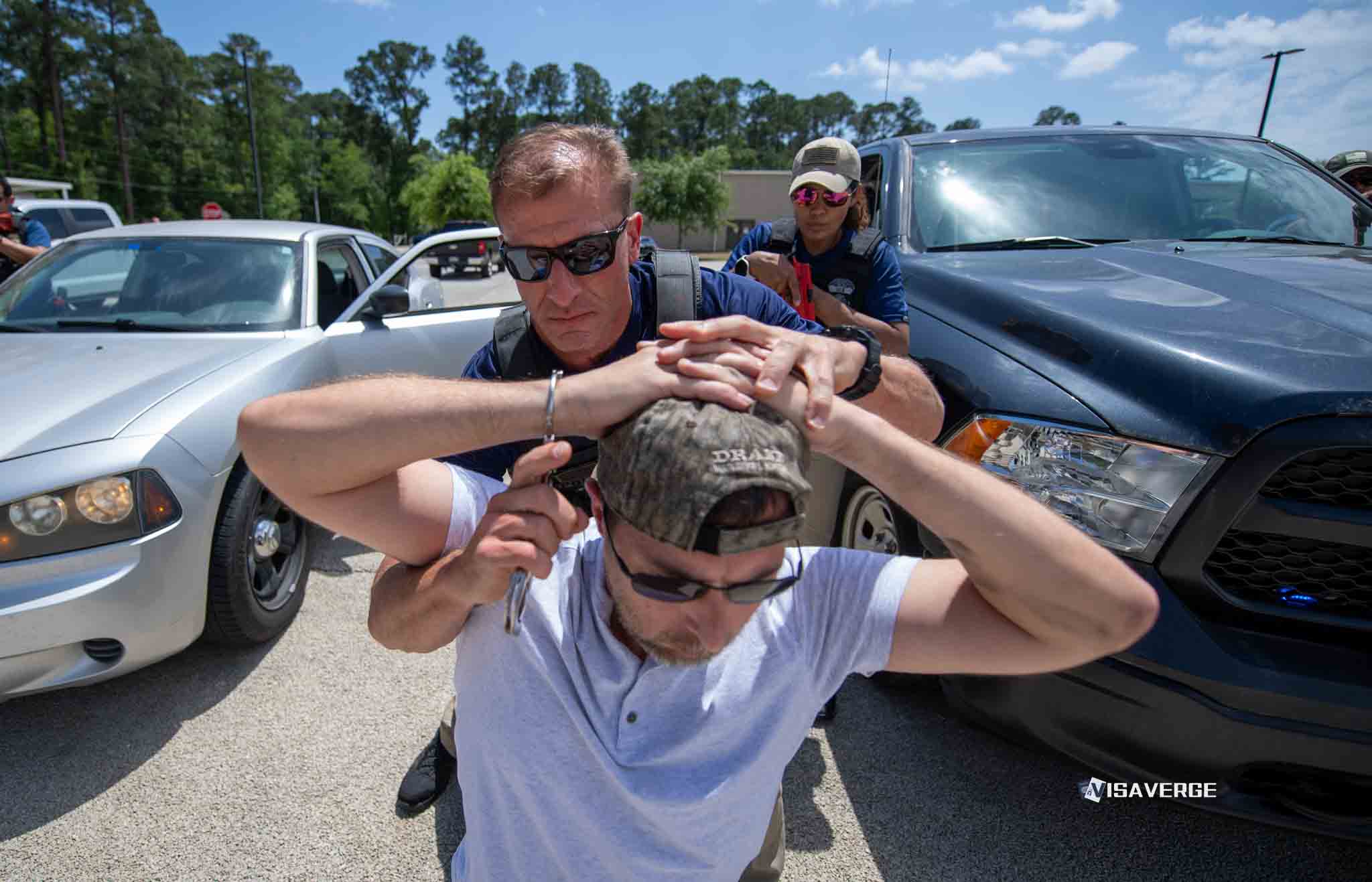
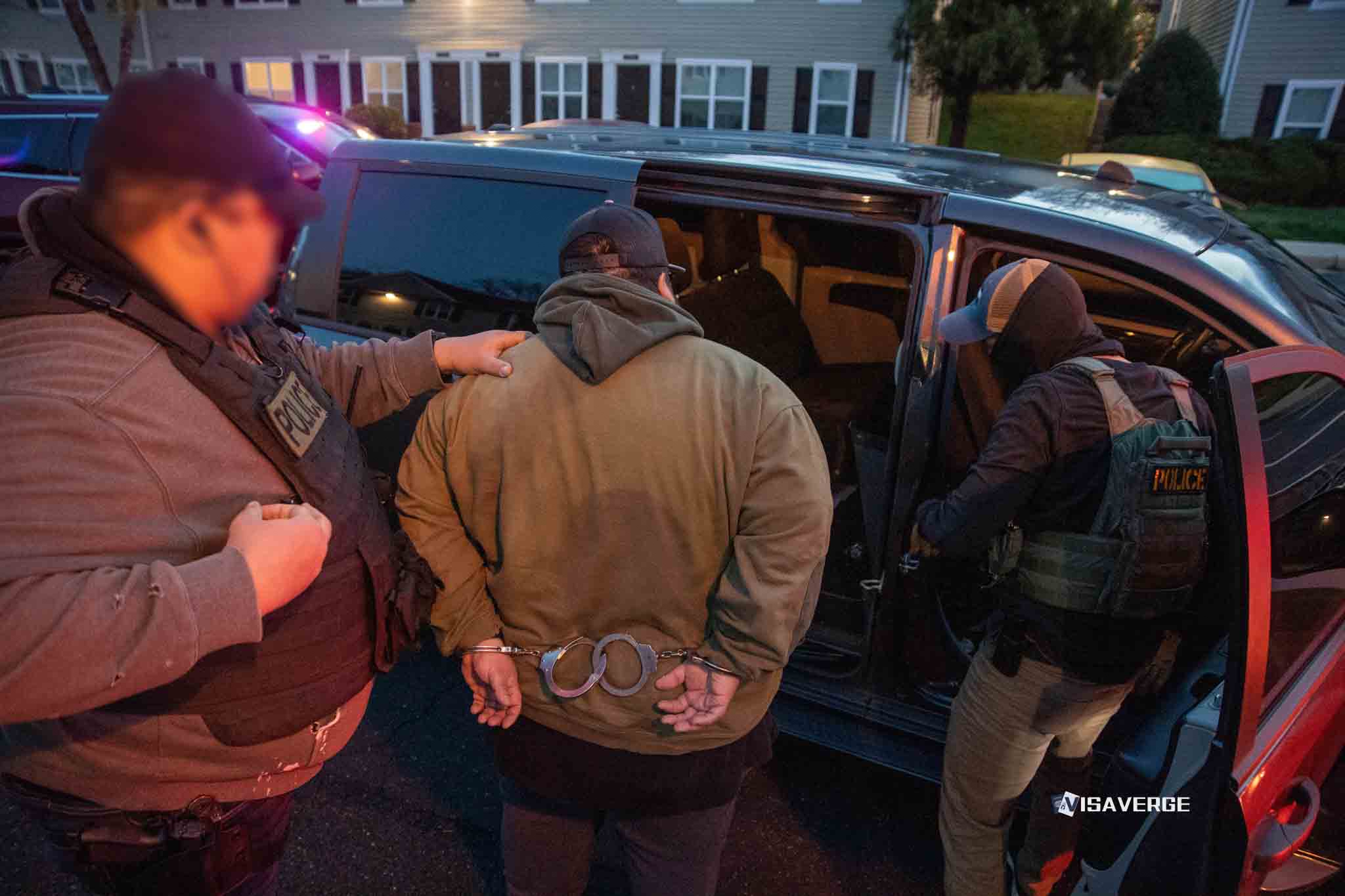
Witnesses said agents drove into the fire camp around 9:30 a.m., ordered members of two contractor crews to stand in a line, and demanded identification from everyone present. According to several crew members, officers told them not to record the encounter. One firefighter was placed in handcuffs in front of colleagues before both detained workers were taken away without time to speak with their teams.
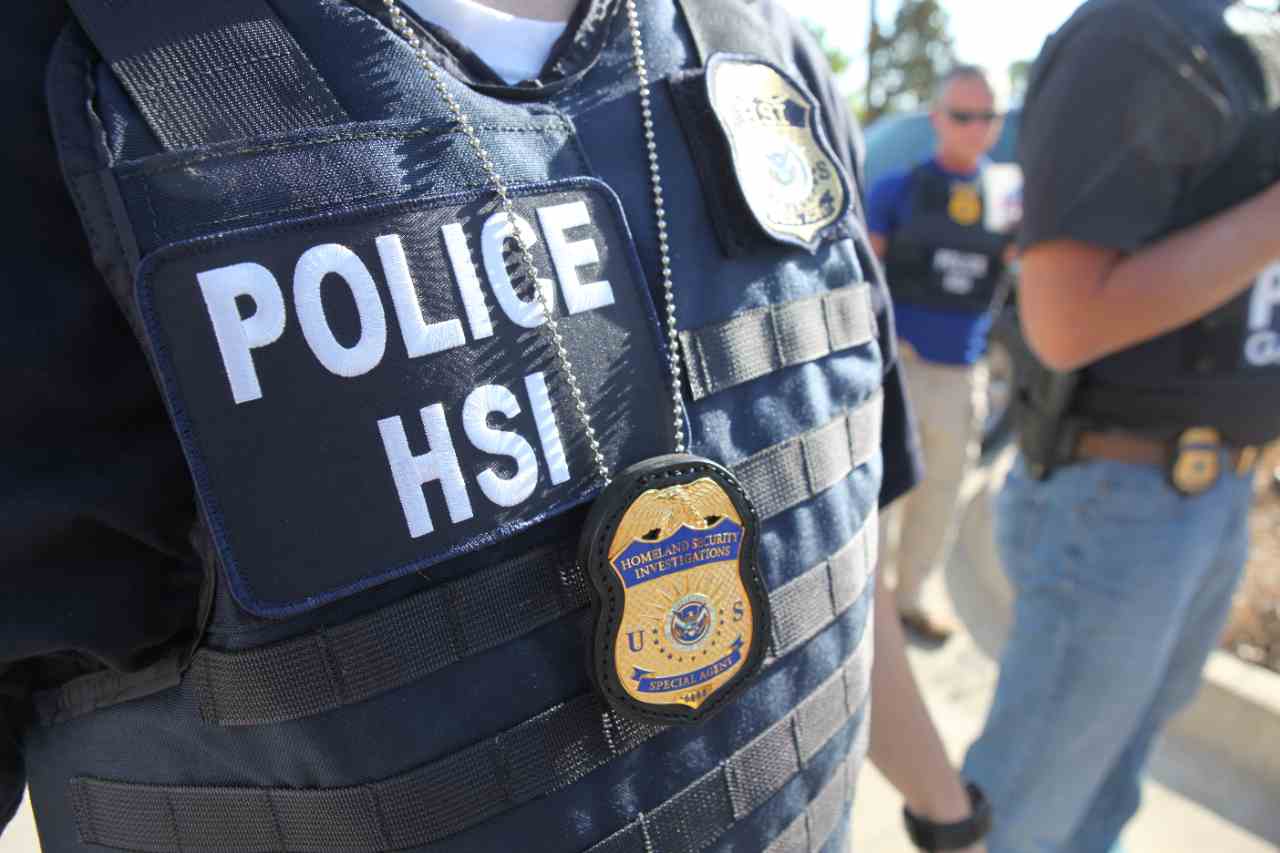
The Incident Management Team, which coordinates strategy and safety at the site, confirmed it was aware of the operation and said it did not interfere with suppression efforts. The team referred all questions to the Port Angeles Border Patrol station. As of Thursday, CBP, ICE, and the Department of Homeland Security had not explained the legal basis for the arrests or announced charges. State authorities in Washington have also not released a formal, incident‑specific statement, though the episode has fueled already tense relations over immigration enforcement.
Free toolUSCIS Receipt Number DecoderAccording to analysis by VisaVerge.com, the Bear Gulch wildfire arrests mark an escalation in field operations during disasters under President Trump’s second-term agenda, which has pushed broader, faster immigration enforcement across the United States.
Policy context and federal–state standoff
In early 2025, the administration rescinded a 2021 policy from President Biden’s administration that discouraged enforcement at “sensitive locations,” including disaster sites, schools, and hospitals, unless there were exigent circumstances. Removing that guardrail has opened the door to actions at wildfire camps and other emergency settings that were previously avoided.
Federal officials have also signaled tougher action on denaturalization and immigration fraud, with a June 2025 Justice Department initiative adding resources to those efforts.
Another front is the fight over sanctuary rules. In April 2025, President Trump signed an executive order aimed at penalizing cities and states that limit cooperation with federal immigration officials. Washington State was on that list. On August 13, 2025, U.S. Attorney General Pam Bondi warned the state’s governor in writing that “This ends now,” giving notice that federal grants and contracts were at risk if Washington did not change course. The state refused. Attorney General Nick Brown and Governor Bob Ferguson called the threats “intimidation tactics” and said they would defend state law.
Those laws include the Keep Washington Working Act, which restricts local engagement with federal immigration enforcement. Constitutional scholars cite the anti‑commandeering doctrine as a barrier to forcing states to enforce federal policy. While the federal government controls immigration, prior court rulings have limited its ability to compel state and local participation. Because the Department of Justice has previewed penalties that touch funding streams, more court fights appear likely if the pressure continues.
On‑the‑ground impact and legal questions
On the fireline, the immediate question is safety. Fire season depends on large numbers of skilled workers who move quickly and take risks. The Bear Gulch wildfire had six 20‑person hand crews, five of them private contractors.
After the arrests, several firefighters described anger and fear, saying they were warned not to film and felt the operation undercut people who were there to protect communities. Advocacy groups echoed that alarm. Some public figures, including Joe Rogan, criticized the action as heavy‑handed and harmful.
The Incident Management Team says suppression work continued. But emergency managers warn that even a brief disruption can have second‑order effects when crews must shift attention from fire behavior to law enforcement activity. Experts who study wildfire staffing say that stepped‑up immigration actions at disaster sites may drive away the very contractor workforce that keeps response operations running, particularly among immigrant workers and mixed‑status families who fear arrest. That could slow containment on future fires and weaken trust between emergency managers and private companies.
Federal agencies have not said why the two workers at Bear Gulch were targeted. With CBP, ICE, and DHS silent so far, there is no public information about allegations, prior history, or whether the case involves immigration status, document fraud, or something else. The lack of explanation has left firefighters, local officials, and families waiting for clarity while the fire still burns.
Reported sequence of events at the camp
What happened at the camp followed a clear pattern reported by multiple people present:
- Agents arrived at the wildfire site and identified private contractor crews.
- Everyone in the two crews was told to line up and present identification.
- Two workers were detained on suspicion of immigration violations.
- Crew members were told not to record or film the interaction.
- The detained firefighters were taken off site without a chance to speak with colleagues.
The scene raised civil liberties questions for some observers, including whether workers could film a federal operation in a public area of a fire camp and what policies govern identification checks away from a border or port of entry. Legal analysts note that while federal authority is broad, courts have repeatedly drawn lines around how far Washington, counties, or cities must go to help. In short, federal officers can act, but states do not have to assist.
At the state level, officials are trying to measure risk. Washington has long argued that limiting local cooperation with federal immigration officials keeps trust with communities and improves safety. Prosecutors and sheriffs say they rely on witnesses from all backgrounds. The Bear Gulch wildfire arrests test that stance in an emergency setting where safety and speed are paramount.
Political backdrop and responses
The political backdrop remains charged. The Justice Department’s April order set up a summer of letters and legal positioning. On August 13, Attorney General Bondi’s “This ends now” message to Governor Ferguson raised the stakes. State leaders repeated that they will defend the law in court and protect the state’s approach to public safety.
Immigration advocacy groups called the Bear Gulch operation proof that enforcement has moved deeper into daily life, even into the lanes of emergency response. Federal agencies have urged patience while they review internal actions, but no timeline for a statement has been given.
The IMT continues to fight the fire and says resources remain in place. Private contractors are weighing how to answer worker concerns, including whether to accept new assignments where immigration enforcement may occur. Company managers say they fear last‑minute crew shortages if workers believe they are at risk during deployments.
For residents near the Olympic National Forest, the top concern remains the fire. With the burn at roughly 9,000 acres and containment at 13% on the morning of the arrests, any blow to morale or staffing matters. Local officials worry that hesitancy among contractors could ripple across a season already stretched by drought and heat.
Current status and where to follow updates
- As of Thursday, there were no public charges against the two detained individuals and no detailed federal explanation.
- Washington officials did not issue a fresh statement tied only to Bear Gulch, but the state has already refused to change its broader policy, setting up more friction if similar operations continue.
- The administration has signaled plans in public statements to “turbocharge” enforcement, which could mean more actions at critical infrastructure and disaster sites if current policies remain in place.
For official updates, people can check U.S. Customs and Border Protection and monitor state agencies involved in the wildfire response:
– U.S. Customs and Border Protection
Key takeaway: The Bear Gulch arrests highlight a new friction point between federal immigration enforcement and state policies intended to keep emergency response operations focused on safety. The lack of public explanation about the detentions has raised legal, practical, and public‑trust concerns while the wildfire continues to burn.
This Article in a Nutshell
On August 27, 2025, U.S. Border Patrol detained two firefighters working for private contractor crews at the Bear Gulch wildfire in Olympic National Forest while roughly 400 personnel fought the blaze of nearly 9,000 acres and 13% containment. Witnesses reported agents ordered two crews to line up for identification around 9:30 a.m., warned people not to record, and removed the detained workers without time to speak to colleagues. The Incident Management Team said suppression continued and referred questions to the Port Angeles Border Patrol. The arrests come after the administration rescinded a 2021 ‘‘sensitive locations’’ policy in early 2025 and signaled tougher immigration enforcement, prompting state pushback from Washington officials who cite anti-commandeering limits and sanctuary protections. Officials from CBP, ICE, and DHS have not explained the legal basis for the detentions or announced charges. Observers warn such operations can erode trust, deter immigrant contractor workers, and risk slowing future emergency responses, while legal and political fights over federal authority and state protections are expected to continue.