Key Takeaways
01
Governor Pritzker supports deporting violent undocumented criminals, aligning with Trump’s hardline immigration stance but questions broader deportation plans.
02
Pritzker balances public safety with inclusivity, investing in services for non-citizens while wary of broad deportation effects.
03
Illinois faces challenges with increased immigration and prepares legal responses to potential federal mass deportation efforts.
Illinois is currently at the center of heated immigration debates with recent remarks from Governor J.B. Pritzker. The Illinois Governor voiced that “violent” illegal immigrants—those without legal status who have committed serious crimes—should be deported. This statement echoes the hardline stance of the incoming Trump administration, underlined by the strategies laid out by Tom Homan, Trump’s appointed “border czar.” Homan is eyeing Chicago as a key location for a large-scale deportation effort, adding urgency to this national conversation.
Free toolUSCIS Receipt Number DecoderA Shifting Political Landscape
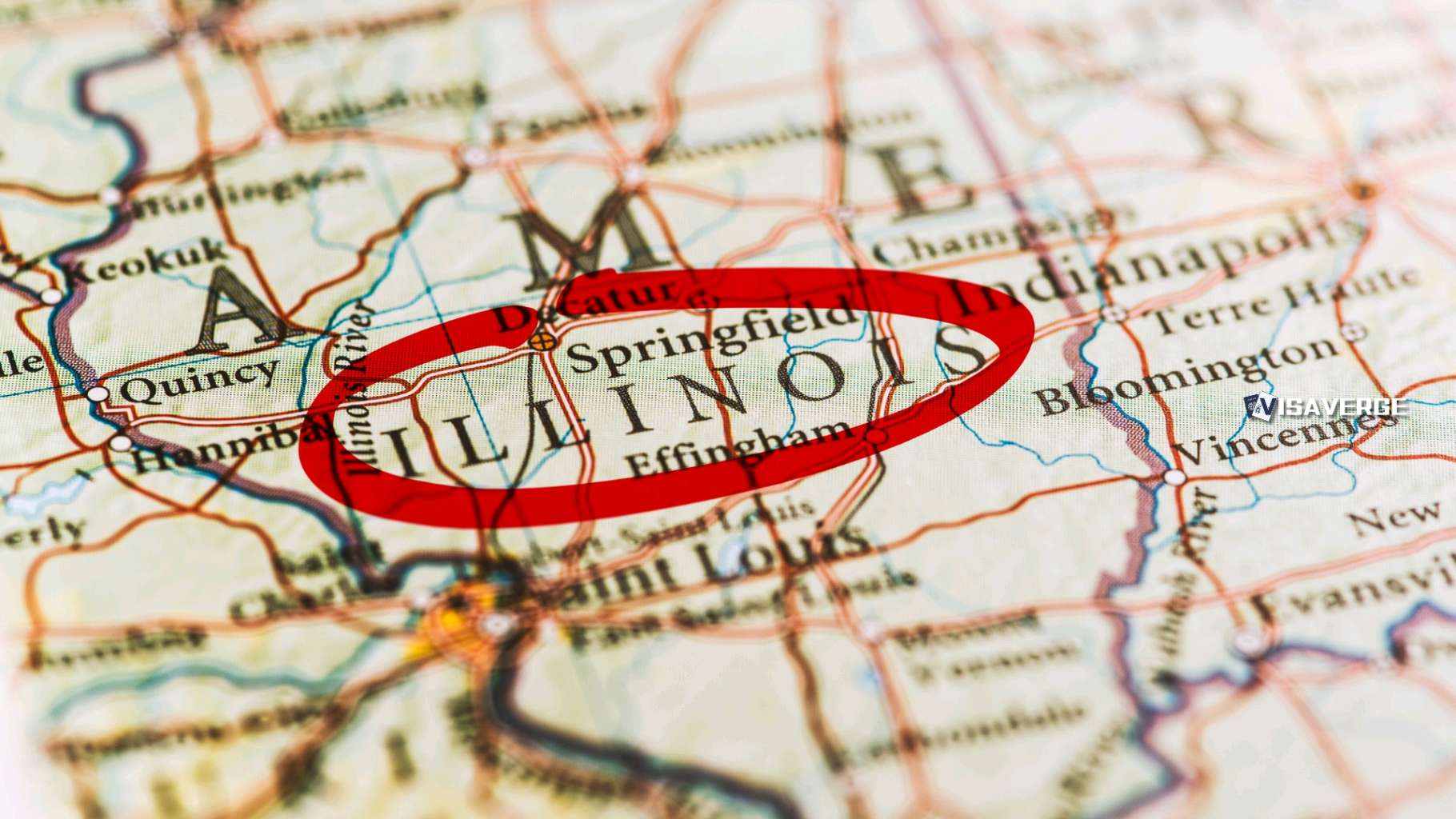
Governor Pritzker’s stance is noteworthy because it comes amid a national polarization on immigration matters. Illinois is recognized as a “sanctuary state,” meaning it typically limits cooperation between local law enforcement and federal immigration authorities, like Immigration and Customs Enforcement (ICE), without a judicial warrant. These policies aim to protect undocumented individuals from sudden deportation. However, Pritzker is clear about his priorities: “Violent criminals who are undocumented and convicted of violent crime should be deported. I do not want them in my state; I don’t think they should be in the United States.”
The governor’s willingness to discuss matters with Trump officials signals a significant political shift. While Pritzker agrees with deporting those convicted of violent crimes, he expresses concerns about the full extent of Trump’s deportation agenda. He questions the legal authority that Homan, as “border czar,” holds, given that this title is not an official government role.
Balancing Safety and Inclusivity
Pritzker’s approach is a careful balancing act between public safety and inclusivity. His administration in Illinois has painstakingly invested in services like healthcare and education for non-citizens, reflecting a broader commitment to welcoming immigrants. Despite supporting deportations for those who pose legitimate threats, the governor is leery of sweeping initiatives that might paint with too broad a brush, affecting individuals who contribute positively to societal fabric.
Legal and Societal Hurdles
The plans announced by Trump’s team for mass deportations have ignited resistance from Democratic governors nationwide, including Pritzker. Illinois is preparing to potentially counteract federal actions by collaborating with Attorney General Kwame Raoul to explore legal defenses. Critics of these deportations warn of severe social consequences such as family separations and economic fallout, not to mention fears of racial profiling and intimidating practices by law enforcement executing these strategies.
Immigration Patterns in Illinois
Reflecting on Illinois’ demographic trends offers a deeper layer to these discussions. The state has experienced a sharp increase in its migrant population—surging by 821% from 2021 to 2023. This growth has demanded more state resources and fueled debates over taxpayer spending for immigrant services. Data showcases that immigrants form roughly 15% of Illinois’ population, equating to about 1.88 million people as of 2023, a mix of documented and undocumented residents. This underlines the multi-faceted nature of immigration issues faced by the state.
Changes in ICE Enforcement
ICE’s latest statistics reveal a noticeable rise in enforcement under Joe Biden’s administration, and these may escalate further with Trump’s policies. In Q3 of fiscal year 2024, ICE deported nearly 68,000 people—a 69% jump compared to the same timeframe in 2023. This increase highlights the ongoing federal zeal to enforce immigration laws, especially concerning those deemed public safety risks.
Conclusion
Governor J.B. Pritzker’s pronouncements depict a nuanced stance on immigration for Illinois. He backs the removal of those who are considered dangerous, yet he voices caution over broader federal policies that might cause disruptions in communities and stress state resources. As the Trump team gears up to advance its immigration strategy, Illinois is poised to continue grappling with these multi-layered challenges. The trajectory chosen by the state will likely hold significant outcomes for its immigrant communities and its dealings with federal authorities in the future.
This intricate dance of immigration policy—meshing safety with compassion—will undoubtedly influence how Illinois navigates these waters. Pritzker’s leadership during this period will be pivotal in shaping not only state policy but also its legacy on the national stage concerning immigration matters. For further official information on immigration policies, you can visit the U.S. Citizenship and Immigration Services website.
The unfolding events, extensively covered by platforms like VisaVerge.com, will continue to captivate interest, reflecting the broader American immigration debate today. As the nation watches, the dialogue initiated by Governor Pritzker demonstrates the ongoing necessity of navigating the complex intersection between enforcement and empathy in immigration policy.
Learn Today
Sanctuary State: A state with policies limiting cooperation between local law enforcement and federal immigration authorities, protecting undocumented immigrants from deportation.
ICE (Immigration and Customs Enforcement): A federal agency responsible for enforcing immigration laws, often involved in arresting and deporting undocumented immigrants.
Border Czar: An unofficial title for a person overseeing border security and immigration enforcement, without formal government recognition or specific legal authority.
Undocumented Immigrants: Individuals residing in a country without legal immigration status or authorization from the government.
Deportation: The formal removal of a person from a country where they are not legally allowed to reside, often due to immigration violations.
This Article in a Nutshell
Governor J.B. Pritzker’s nuanced immigration stance balances safety with compassion in Illinois. While advocating deportation for violent undocumented criminals, he warns against Trump-era mass deportation policies, fearing community disruption. This approach highlights the complex dialogue between federal enforcement and state empathy, shaping Illinois’ evolving role in national immigration discussions.
— By VisaVerge.com
Read more:
• Healthcare Access for Undocumented Immigrants in Illinois 2024
• Illinois E-Verify Senate Bill 0508: New Employee Protections
• Illinois Law Allows Undocumented Immigrants to Get Driver’s Licenses
• Illinois Budget Cuts Affect Immigrant Health Care Benefits
• Tragic Death of Akul Dhawan: Negligence Alleged by Parents After University of Illinois Hypothermia Incident