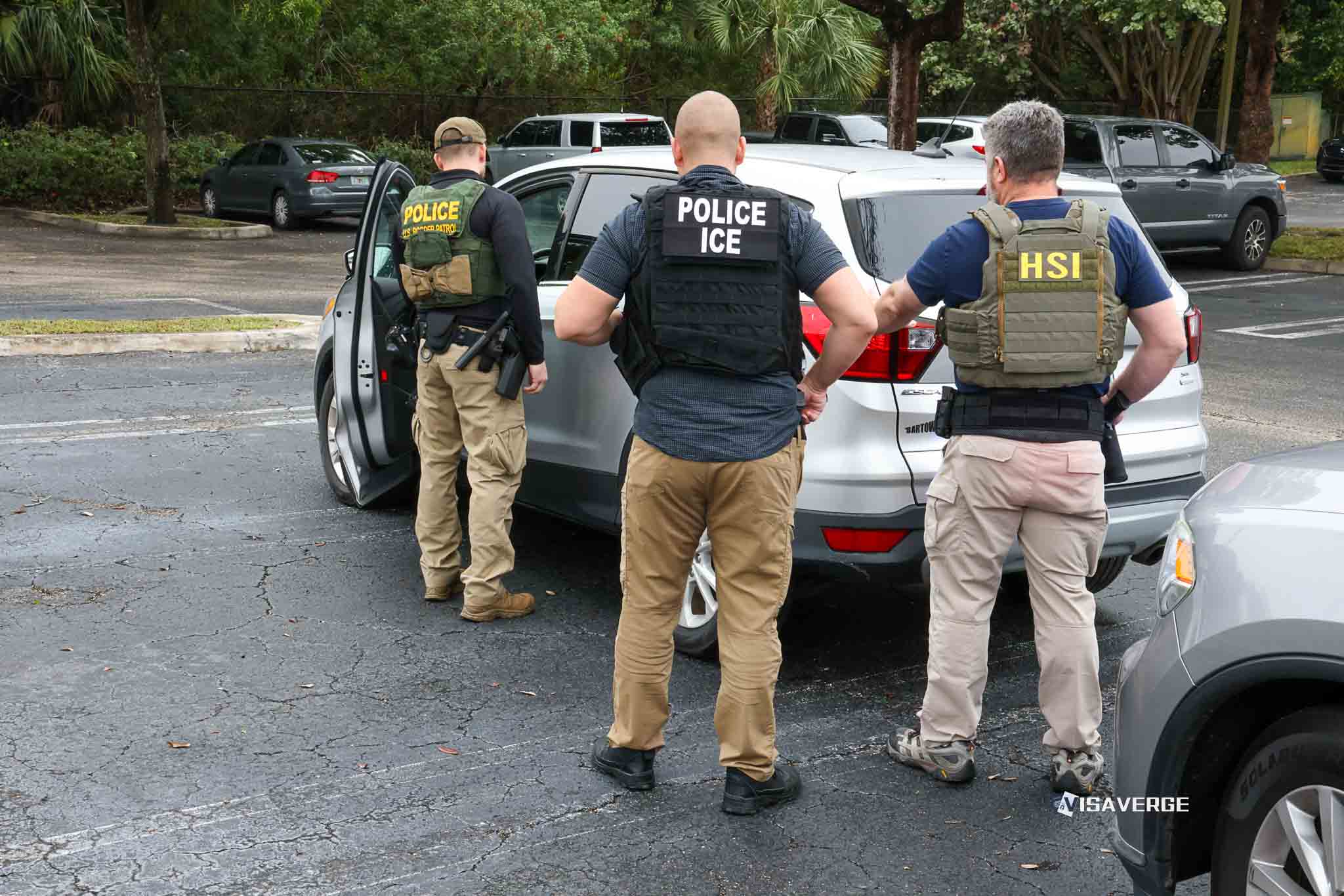
(CHICAGO) The Department of Homeland Security launched Operation Midway Blitz in Chicago on September 8, 2025, with federal officials saying the campaign targets undocumented immigrants with criminal convictions. City Hall says it received no advance notice of the rollout, sharpening an already tense standoff between the Trump Administration and sanctuary city leaders. The decision to begin enforcement actions immediately in Chicago ?? has sparked protests, legal warnings, and fresh debate over how far federal agents can go without local cooperation.
DHS and U.S. Immigration and Customs Enforcement officials said the name of the operation honors Katie Abraham, who was killed in a hit-and-run by an undocumented driver in Illinois. Assistant Secretary Tricia McLaughlin described the focus as “the worst of the worst criminal illegal aliens in Chicago,” a phrase federal leaders used repeatedly as they highlighted cases involving gang members and people with violent felony records.
As of Monday, DHS had not released arrest totals from the first days of Operation Midway Blitz, but officials referenced the earlier Operation Patriot in May, which they say produced about 1,500 arrests nationwide.
Free toolUSCIS Receipt Number DecoderNotice, Coordination, and the Policy Rift
The mayor’s office confirmed the city “received no notice” before DHS announced the plan. That mirrors complaints from other sanctuary jurisdictions that argue federal officials are bypassing established communication channels.
City aides say unannounced raids unsettle entire neighborhoods. DHS leaders counter that notice would compromise officer safety and allow targets to flee. This disagreement reflects a deeper policy clash about:
| India | China | ROW | |
|---|---|---|---|
| EB-1 | Feb 01, 2023 ▲109d | Jul 01, 2023 | Current |
| EB-2 | Nov 01, 2013 | Oct 01, 2021 ▲30d | Jan 01, 2025 |
| EB-3 | Jan 01, 2014 | Jan 08, 2022 ▲7d | May 15, 2024 ▼109d |
| F-1 | Jan 22, 2020 | Jan 22, 2020 | Jan 22, 2020 |
| F-2A | Sep 22, 2026 ▲31d | Sep 22, 2026 ▲31d | Sep 22, 2026 ▲31d |
- Public safety
- Constitutional limits
- The role of local police when immigration is involved
Governor J.B. Pritzker has also come under fire from federal officials, who blame state and city sanctuary rules for making Chicago a “magnet for criminals.” The governor’s team and city lawyers push back, arguing those claims unfairly paint all immigrants with one brush and ignore legal guardrails around detainers.
Under Chicago policy:
- Local jails don’t hold people for ICE without a judicial warrant.
- Police avoid asking about immigration status in routine encounters.
Legal scholars note courts have often blocked efforts to punish sanctuary cities, and any federal overreach could face rapid legal challenge in Illinois.
Federal Rationale and Local Pushback
DHS says Operation Midway Blitz follows the “success” of Operation Patriot and will prioritize people with:
- Violent convictions
- Gang ties
- Prior removal orders
Officials claim many listed were released from local custody despite federal detainers—a common outcome in sanctuary jurisdictions that require judges—not ICE officers—to sign off on holds. Federal leaders argue the city’s stance puts the public at risk. Local leaders counter that broad enforcement drives families into hiding and makes witnesses less likely to cooperate with police.
Federal officials emphasize operational security, saying giving notice could tip off targets and reduce safe arrests. The mayor’s team says no advance notice frays trust, makes it harder for city agencies to prepare, and spreads panic.
Community groups reported a surge in hotline calls with questions about:
- Where officers were operating
- Whether schools or churches were safe
- What rights people have at home and at work
The White House has also floated deploying the National Guard to support federal operations. Legal and military experts warn troops are not trained for local policing and have legal limits. Local officials expect Guard personnel would likely be confined to securing federal buildings rather than participating in arrests. The possibility has fueled protests from clergy and advocacy groups.
How the Operation Works
DHS and ICE describe a step-by-step approach similar to previous national campaigns:
- Target identification
- ICE compiles lists of undocumented immigrants with criminal convictions, prioritizing those released despite federal detainers.
- Enforcement actions
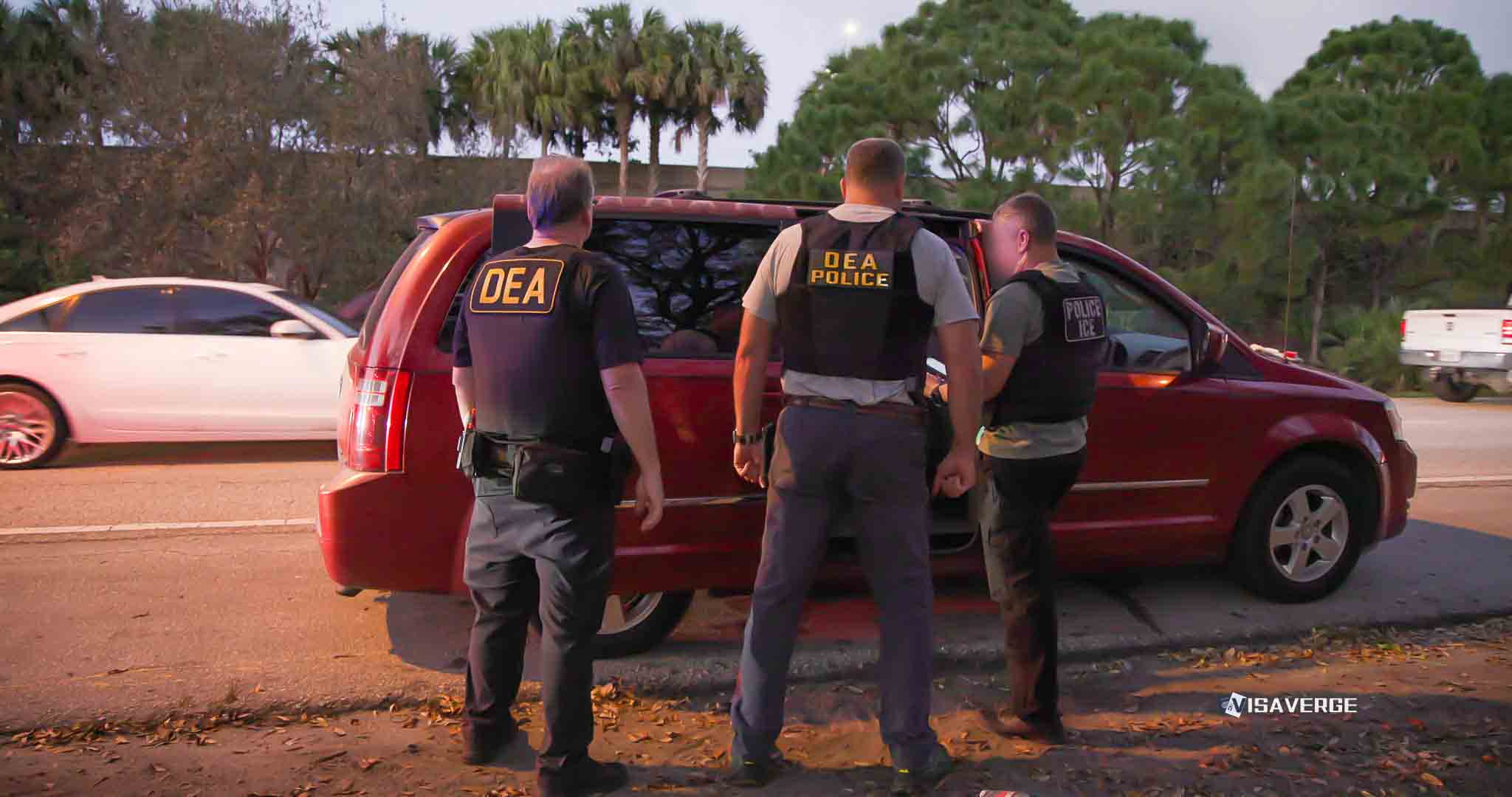
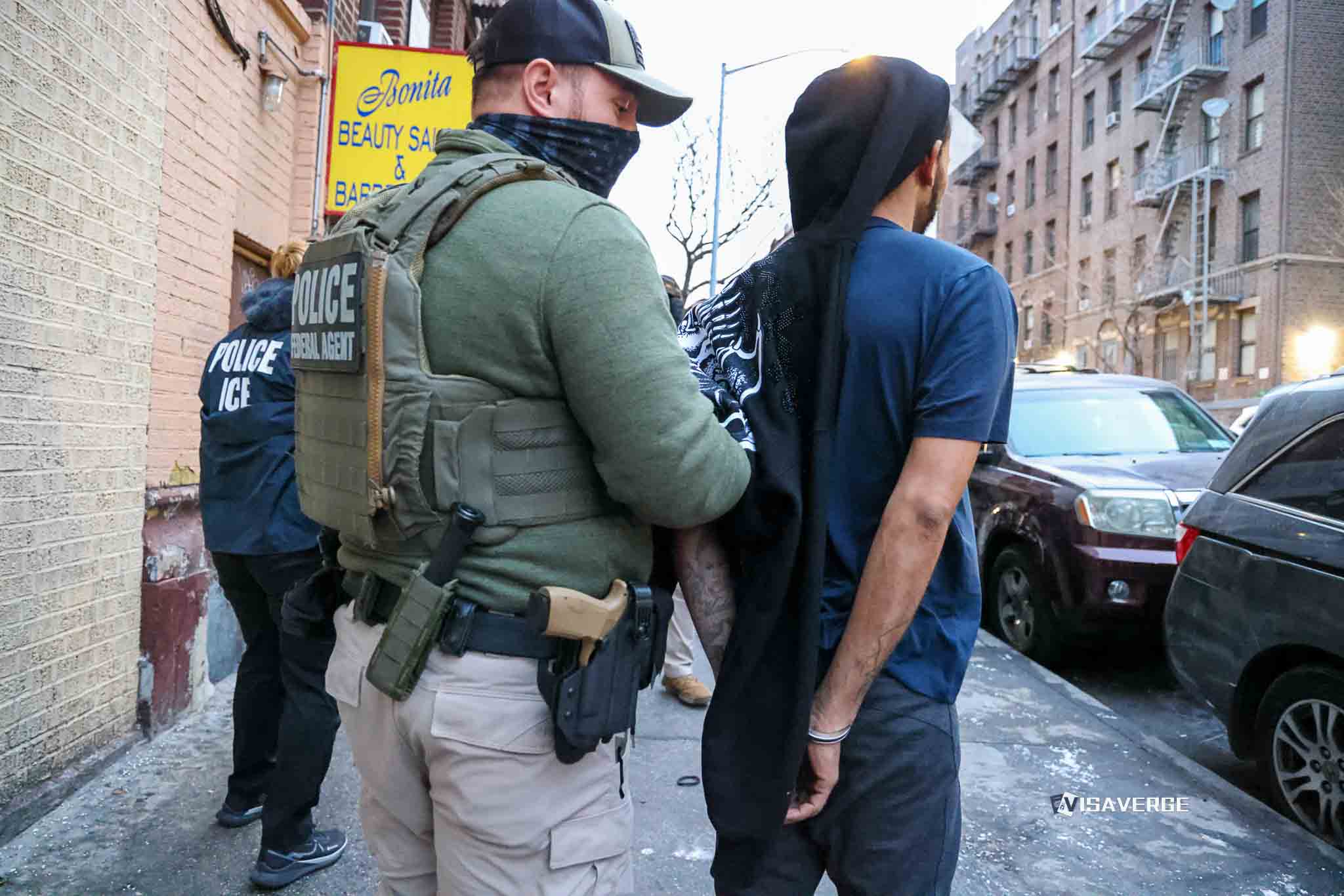
- Agents conduct focused arrests—often at homes, workplaces, or during check-ins—without prior coordination with local police.
- Detention and removal
- Those arrested are processed for deportation, with expedited removal possible for people with prior orders or certain serious criminal histories.
- Public communication
- DHS releases selected case examples to highlight the operation’s aims and types of crimes involved.
Officials say the strategy aims to avoid broad sweeps and concentrate on the highest public-safety risks. Still, immigrant advocates report “collateral arrests”—people not on target lists detained during operations. DHS did not provide numbers on collateral arrests in Chicago this week.
City officials say they will monitor for patterns of arrests that exceed federal authority or violate due process.
For official updates and policy statements, readers can consult the Department of Homeland Security at https://www.dhs.gov. According to analysis by VisaVerge.com, the lack of coordination has become a hallmark of federal actions in sanctuary cities during this administration, with DHS citing officer safety while local leaders warn of broader costs to public trust.
Community Impact and Legal Stakes
Across Chicago neighborhoods, the operation rekindled fears that everyday activities—school drop-offs, doctor visits, rides to work—could lead to encounters with federal agents.
Advocacy groups say community members ask basic legal questions:
- Do agents need a warrant signed by a judge to enter a home?
- Can a child open the door?
- What if an officer shows papers that do not list a judge’s name?
Lawyers advise families to keep documents safe and prepare child-care plans in case a parent is detained. While the city cannot control federal enforcement, it funds legal aid and “know-your-rights” outreach to help residents avoid misinformation and manage stress.
Chicago police leadership stresses local officers are not participating in immigration arrests to keep crime reporting steady. Advocates warn trust can still erode when federal activity increases, causing:
- Survivors of abuse and labor violations to avoid reporting crimes
- Parents to skip work to reduce perceived risk, worsening financial strain
- Churches and schools to host quiet meetings for worried families
Legal observers say the courts could be the next frontline. The city may sue if agents enter homes without proper warrants or detain people in ways that violate constitutional protections. Previous federal attempts to punish sanctuary cities by cutting grants largely failed in court, but challenges here would likely focus on specific arrests and whether the Fourth Amendment and due process were respected.
DHS says it plans similar actions in other sanctuary cities in the weeks ahead, repeating the Operation Patriot model. That could make Chicago a test case:
- If the city documents overreach, it may strengthen resistance elsewhere.
- If DHS demonstrates focused arrests on serious offenders, federal leaders may claim momentum.
Either way, the absence of a shared protocol keeps confusion high on the ground.
Practical Questions for Families and Employers
Immediate concerns include routine interactions and workplace risks:
- Can a traffic stop lead to an immigration check?
- Should people carry identification?
- Are landlords allowed to share tenant information with ICE?
Legal guidance and advocacy messaging include:
- Carry valid identification and avoid false documents (which can trigger criminal exposure)
- Know that landlords and employers are not immigration officers
- Those who threaten tenants or workers based on immigration status may face state legal penalties
Public defenders and private attorneys in Chicago expect a spike in calls for representation, especially for people with:
- Old deportation orders (who may face expedited removal)
- Green cards combined with certain criminal convictions (which can still carry immigration consequences)
Legal clinics warn that voluntary travel to an immigration office without counsel can be risky during active operations.
Political Context and Oversight
Operation Midway Blitz is unfolding amid a broader political push by President Trump to portray sanctuary policies as threats to public safety. Supporters say the Chicago campaign demonstrates resolve; city leaders call it a publicity exercise that makes neighborhoods less safe by driving residents away from police and schools.
As the first week continues, attention shifts to oversight:
- Aldermen are seeking briefings on arrest locations and patterns near schools, hospitals, and transit hubs.
- Civic leaders urge calm while encouraging residents to learn their rights.
- Federal officials urge people with outstanding warrants or prior orders to surrender, promising prioritization of serious offenders for removal.
That message is received differently across communities—relief for some, fear for many.
For now, one fact stands out in a city weary of immigration fights: DHS gave Chicago no advance notice before launching Operation Midway Blitz. That decision set the tone—leaving City Hall scrambling to answer questions, community groups racing to hold workshops, and families weighing hard choices about work, school, and daily life.
The next moves—by agents on the street, lawyers in court, and leaders on both sides—will determine whether this enforcement wave alters the policy debate or deepens the divide.
This Article in a Nutshell
On September 8, 2025, DHS began Operation Midway Blitz in Chicago to arrest undocumented immigrants with violent convictions, gang ties, or prior removal orders. The city says it received no advance notice, heightening tensions between federal authorities and sanctuary-city leaders and prompting protests, legal warnings, and community anxiety. DHS defends the lack of notice as necessary for operational security, citing Operation Patriot as precedent. The operation follows steps of identifying targets, conducting focused arrests often without local coordination, and processing detainees for removal, including expedited procedures. Advocates report collateral arrests and increased calls to hotlines; local rules restrict jails from honoring ICE detainers without judicial warrants. Legal experts expect swift court challenges over potential Fourth Amendment and due-process violations. The campaign could become a legal and political test case that shapes future federal-local interactions on immigration enforcement.