- The Trump administration tightened immigration rules in 2026, impacting work permits and public benefits access.
- A proposed rule would lengthen work permit waits for asylum seekers from 150 to 365 days.
- Over 1.5 million people have lost humanitarian protections or parole since 2025 due to policy shifts.
(U.S.) — President Trump’s administration has tightened a series of immigration rules and enforcement policies in 2026 that put hundreds of thousands of people with humanitarian protections at risk of losing work permits, public benefits or legal safeguards.
The changes touch immigrants with Temporary Protected Status, Deferred Action for Childhood Arrivals, humanitarian parole, refugee and asylum protections, and asylum work authorizations. They also reach people from dozens of countries affected by new travel and visa restrictions.
Federal actions since mid-2025 include agency rescissions on benefit eligibility, a widened travel ban, a pause on immigrant visa approvals for nationals from 75 high-risk countries, and a Department of Homeland Security proposal that would sharply lengthen the wait for work permits for asylum seekers.
Free toolI-94 Expiration Calculator OnlineThose moves have landed as a partial DHS shutdown stretches past 45 days in early April 2026, slowing benefits processing while deportation efforts continue. Congress is debating funding tied to border security.
The Department of Health and Human Services rescinded a 1998 policy on July 10, 2025, reclassifying programs including Head Start, Community Mental Health Services, the Health Center Program and Title X family planning as federal public benefits. That change cut off access for many immigrants with humanitarian protections under a stricter reading of the 1996 Personal Responsibility and Work Opportunity Reconciliation Act, or PRWORA.
A day later, the Department of Justice withdrew its 2001 interpretation, with the change taking effect August 15, 2025. That ended broad exemptions for vulnerable groups, including domestic violence survivors and people needing urgent care, leaving only narrow statutory exceptions and requiring providers to verify immigration status.
The Trump administration then widened entry restrictions through Presidential Proclamation 10998, issued December 16, 2025, and effective January 1, 2026. The proclamation expanded restrictions to 39 countries, including Burkina Faso, Mali, Niger, South Sudan, Syria, and Palestinian Authority document holders.
Those restrictions consider birth country, dual nationality, prior residence and travel history. Enforcement varies by port of entry, with heightened scrutiny delaying returns for some travelers.
In January 2026, the State Department suspended immigrant visa approvals for nationals from 75 high-risk countries, a move the administration said aimed to prevent welfare use. The pause does not affect nonimmigrant visas, but it blocks roughly half of legal immigration and is facing legal challenges in the Southern District of New York.
DHS added another layer on February 20, 2026, when it proposed extending the employment authorization document wait for asylum seekers to 365 days from 150 days. The proposal would also allow U.S. Citizenship and Immigration Services to halt initial work permit applications if asylum backlogs exceed 180 days.
That threshold has already been crossed, with more than 1.5 million pending cases. In FY2023, asylum filings reached 454,000.
For recipients of Deferred Action for Childhood Arrivals, renewals continue for existing beneficiaries, but new applications remain blocked by litigation. About 538,000 recipients held active DACA status as of September 30, 2024.
Those recipients also face another loss. A June 25, 2025, Centers for Medicare & Medicaid Services rule removed DACA recipients from Affordable Care Act Marketplace eligibility effective August 2025, raising uninsured rates among young workers.
Temporary Protected Status holders remain eligible to renew under existing country designations, including for Haiti, Venezuela and Ukraine, but renewal windows now carry deeper uncertainty. Legal challenges and expanded scrutiny threaten work authorizations, and mixed-status families have begun preparing for lapses by arranging powers of attorney and other emergency plans.
The broader toll is large. Over 1.5 million people have lost TPS or parole since 2025, and humanitarian parole cancellations alone affect 1.5 million.
Refugees, asylees and parolees face separate pressures. Refugee admissions have remained suspended since January 27, 2025, follow-to-join processing is restricted, and a DHS memo expands Immigration and Customs Enforcement detention for pre-green card refugees flagged in databases, even after earlier vetting.
Afghan Special Immigrant Visa travel continues on a self-funded basis. USCIS has also ended statelessness protections.
Asylum seekers face the new work permit proposal and a wider use of expedited removal for people present in the United States for under two years, unless they claim asylum. That combination threatens to leave applicants without lawful work for far longer as the court and agency backlog grows.
Other protection categories have narrowed as well. Deferred Enforced Departure for certain Palestinians remains in place, but Special Immigrant Juvenile protections have ended.
The administration’s immigration overhaul reaches beyond humanitarian programs. More than 100,000 student and worker visas were revoked in 2025, while H-1B reforms added $100,000 fees and shifted visa selection toward wage-based lotteries.
A USCIS Vetting Center launched on December 5, 2025, to centralize screening for threats, fraud and criminals. That extra screening has slowed processing for work permit renewals and status adjustments.
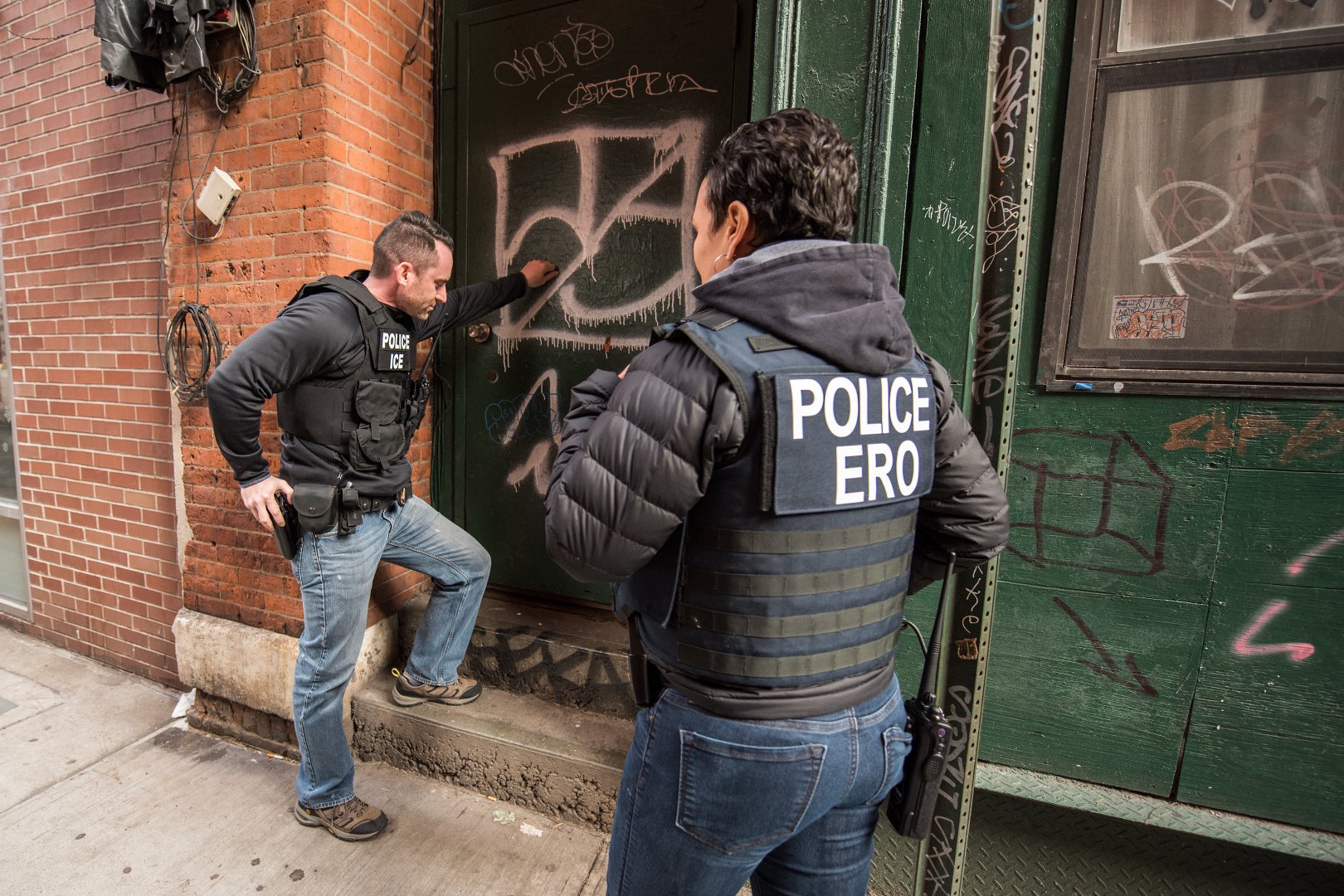
Enforcement on the ground has also widened. Raids now use race, language and jobs as triggers, and expedited removal allows immigration authorities to bypass hearings for some recent arrivals.
The Laken Riley Act adds mandatory ICE detention for people accused of theft or burglary. Third-country deportation deals are also expanding, including Costa Rica’s agreement to accept 25 weekly migrants.
DHS is offering $1,000 voluntary departure stipends, but people who accept can trigger 3-10 year or permanent bars on returning to the United States. Immigration advocates are urging affected immigrants to seek legal advice before agreeing to leave.
The impact is reaching households, schools, clinics and workplaces. Mixed-status families fear separations, U.S.-citizen children risk losing access to a parent’s clinic services, and workers with accented English are avoiding places where they fear raids.
For people who rely on federally supported health and education programs, the 2025 benefit policy shifts are already reshaping daily life. A parent with Temporary Protected Status and U.S.-citizen children can lose Health Center Program access used for diabetes management, while schools and clinics now verify immigration status more often and report enrollment drops and longer waits.
Employers are also adjusting. Companies that depend on foreign workers are tracking employment authorization expiration dates more closely as renewal delays grow, and they face added strain from H-1B fees, work permit gaps and enforcement risks.
Health systems and service providers say the administrative burden has surged. As immigrants withdraw from programs out of fear, providers expect more disenrollment and wider public health problems.
The shutdown has added another obstacle. With DHS operating under a partial shutdown for more than 45 days, benefits processing has slowed further even as deportation priorities remain in place.
Lawyers and advocates are urging immigrants with temporary or humanitarian protections to act early. For DACA, that means renewing 120-150 days before expiration; for TPS, it means filing as soon as the renewal window opens.
They are also urging families to gather passports, birth certificates, immigration filings, receipt notices and approval documents, and to keep both physical and digital copies. Many families are sharing those records with trusted relatives or friends in case a parent is detained.
People at risk are also being told to update their addresses, track court hearing dates, memorize attorney and hotline numbers, and prepare emergency packets covering child care, finances and medical needs. Non-essential international travel has become harder to justify under the widened travel restrictions and heavier port scrutiny.
The legal fight over several of these policies is still moving. The Supreme Court heard a challenge to birthright citizenship on April 1, 2026, and a ruling affecting DACA also remains pending.
At the same time, April 2026 visa bulletin movement offered some relief for employment-based immigrants, with EB-2 and EB-3 listed as current for many applicants. That progress, however, is unfolding alongside visa pauses, vetting delays and the risk of future retrogression.
Congress has seen bipartisan immigration bills, including the DIGNITY Act with 31 sponsors and the Keep STEM Talent Act, but enforcement policy has dominated the 2026 agenda. Broader reform has not advanced.
For now, the people most exposed are those whose legal foothold depends on administrative programs rather than permanent status. That includes DACA recipients who can still renew but cannot submit new applications, TPS holders waiting through renewed scrutiny, asylum seekers confronting longer waits for asylum work authorizations, and parolees whose protections can disappear with little warning.
The result is a system in which legal presence, work permission and access to basic services can all shift at once. For many immigrants with long U.S. ties, the next deadline, filing date or court ruling may decide whether they keep a job, stay insured or remain together as a family.