- The Trump administration has accelerated deportation operations through expanded ICE raids and increased detention capacity.
- Visa pauses and tighter screenings now affect over 75 countries and various work and student visas.
- New legislation has funded 100,000 detention beds to facilitate faster removals across the United States.
(MAINE) U.S. deportation risk has climbed in 2026 as ICE operations have widened, visa pauses now cover nationals from more than 75 countries, and new spending has strengthened detention and border security. The result is faster removals, more arrests in workplaces and neighborhoods, and far less room for delay for people without secure status.
The Trump administration has pushed enforcement on several fronts at once. Operation Catch of the Day in Maine showed how local raids now fit into a broader national push. At the same time, officials are using larger detention capacity, expanded expedited removal, and tighter visa screening to move cases faster. According to analysis by VisaVerge.com, the shift is reshaping daily life for undocumented immigrants, recent arrivals, and many visa holders who once felt far safer from deportation.
The enforcement machine now runs faster
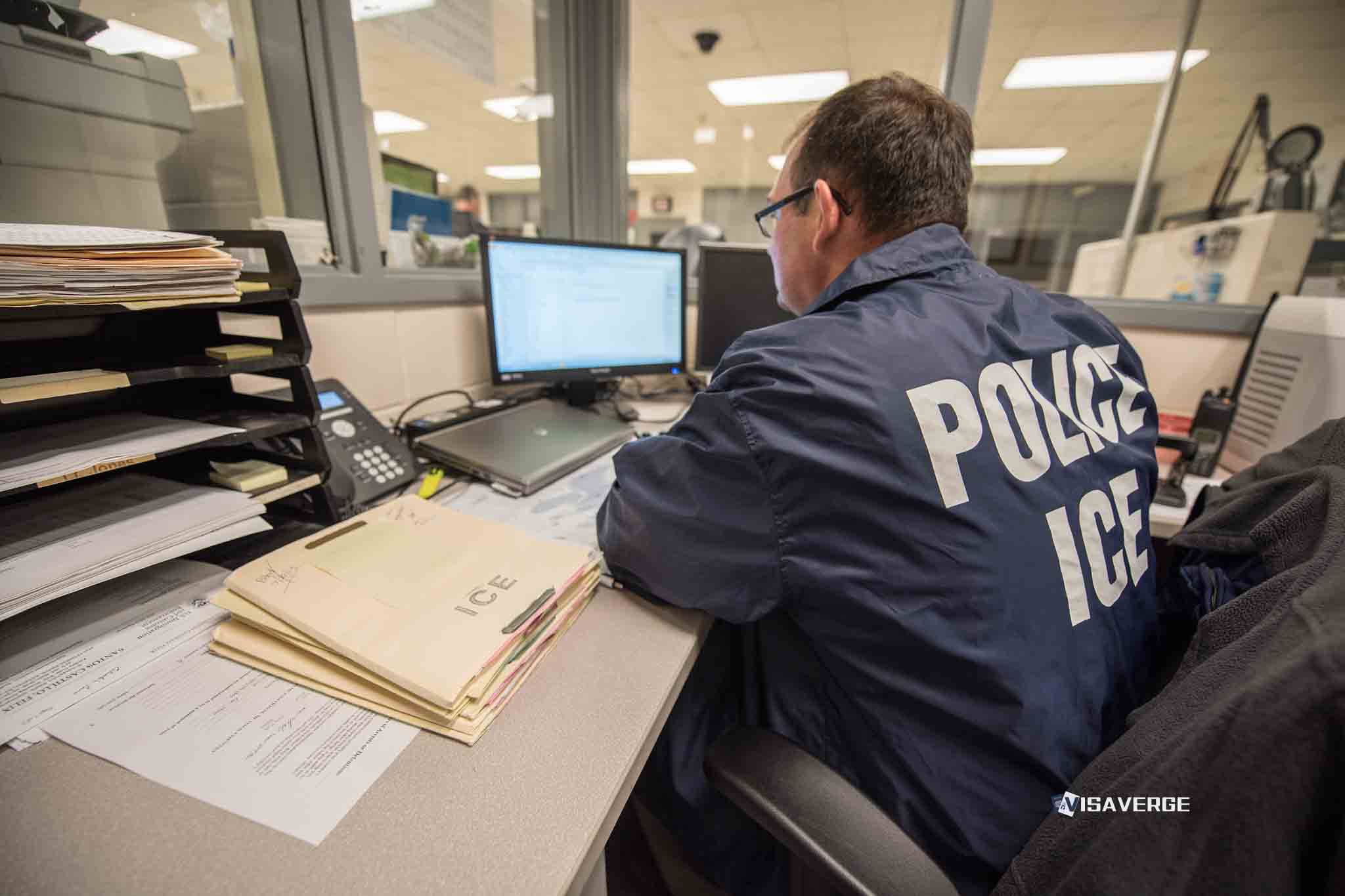
ICE has broadened its focus on people described by officials as public safety or national security risks, including those with criminal records, recent border crossers, and visa overstays from paused countries. Yet arrests still sweep up many people with no criminal record. The administration says it is targeting the “worst first.” Critics say the pace of ICE operations tells a different story.
Congress has also backed this approach with money. The “One Big Beautiful Bill Act” expands detention beds toward a capacity of more than 100,000 and adds support for border barriers and interior enforcement. That matters because detention changes everything. People held in custody have less time to gather records, find counsel, or prepare for a hearing.
Executive orders, including “Protecting the American People Against Invasion,” have widened enforcement priorities and increased pressure on sanctuary cities. The practical effect is clear: more local-federal cooperation, more raids, and more removals that move before families can react.
| India | China | ROW | |
|---|---|---|---|
| EB-1 | Feb 01, 2023 | Aug 01, 2023 ▲31d | Current |
| EB-2 | Nov 01, 2013 | Oct 01, 2021 | Apr 01, 2025 ▲90d |
| EB-3 | Jan 22, 2014 ▲21d | Jan 22, 2022 ▲14d | Jun 15, 2024 ▲31d |
| F-1 | Jan 22, 2021 ▲366d | Jan 22, 2021 ▲366d | Jan 22, 2021 ▲366d |
| F-2A | Oct 22, 2026 ▲30d | Oct 22, 2026 ▲30d | Oct 22, 2026 ▲30d |
A partial DHS shutdown has strained parts of the system, but it has not stopped enforcement. A two-step funding resolution is moving toward June 1. Even while agencies have faced delays, removal operations have continued.
Who faces the highest deportation risk in 2026
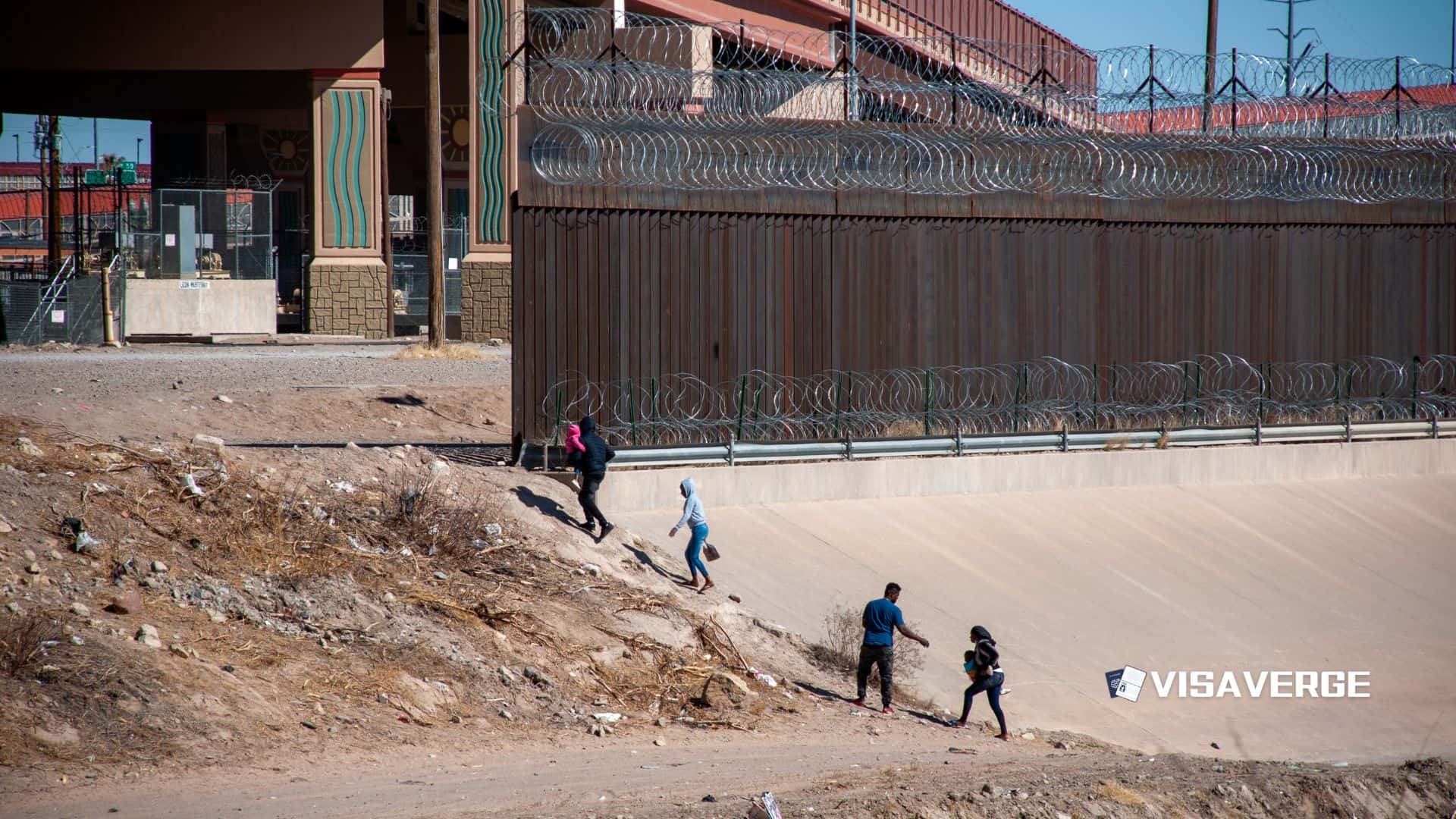
Undocumented immigrants remain the clearest target. Recent entrants face expanded expedited removal nationwide if they cannot prove two years of continuous U.S. presence. Border crossers are especially exposed.
Nationals from about 75 countries face another layer of pressure. An indefinite pause on immigrant visas that took effect on January 21, 2026, has blocked many family-based and employment-based green card cases. On top of that, expanded proclamations effective January 1, 2026, fully or partly suspend entry and visa issuance for 39 countries. USCIS has paused adjudications and re-reviewed approvals dating back to January 20, 2021. That can lead to revocations and deportation risk.
Work visa holders and students now face tighter scrutiny too. New H-1B rules impose a $100,000 fee for new overseas petitions and restrict entry for petitions filed after September 21, 2025. Proposed wage changes would push entry-level H-1B pay up by 33%. For students and exchange visitors, proposed changes would end “duration of status,” set fixed I-94 dates, cut the grace period from 60 days to 30 days, and require more USCIS extensions. Since December 15, 2025, expanded social media vetting has also flagged inconsistencies for H-1B, H-4, F-1, and J-1 applicants.
Refugees and asylees face fewer admissions, tighter border rules, and more pressure at ports of entry. The old “Remain in Mexico” logic has not disappeared; it now appears in stricter screening and reduced access.
How ICE contact starts
Many people first meet ICE through ordinary moments that turn into enforcement events. Workplace sweeps remain common. Traffic stops can lead to questioning. Community raids, including Operation Catch of the Day, show how local encounters can become detention fast. Lawsuits continue to challenge forced entries and warrantless searches.
Applications can also trigger trouble. When a person from a paused country files a benefit request, processing can halt. USCIS re-reviews of post-2021 approvals create another layer of risk. Online vetting now matters more too. Social media checks and USCIS security screenings can flag fraud, past violations, or security concerns.
Status lapses are another danger point. Shorter work permits, ended auto-extensions after October 30, 2025, and H-1B entry limits can push someone out of status quickly. Once that happens, ICE operations often move faster.
Local cooperation also matters. When state or city agencies share information with federal officers, undocumented residents face higher exposure in everyday life.
The legal protections that still apply
Aggressive enforcement has not removed due process. Immigrants still have the right to counsel at no government expense. ICE must issue a Notice to Appear before immigration court proceedings. Most people get a hearing before an immigration judge. Some asylum seekers also receive credible fear interviews.
Bond review remains available in many cases. Detained people can ask for release if they are not viewed as high risk. Alternatives like ankle monitors are also in use.
Court challenges continue to test the limits of these policies. Lawsuits against travel bans and some ICE searches remain active. Supreme Court arguments on birthright citizenship took place on April 1, 2026. For official guidance on agency procedures, the U.S. Immigration and Customs Enforcement website remains the primary federal reference point.
What families, employers, and communities are feeling
The human impact is broad. Mixed-status families live with constant fear of separation. Schools report enrollment drops when parents fear contact with authorities. Employers in agriculture and technology face worker shortages as raids and visa rules collide with daily operations.
Some businesses want exemptions for farm labor. Others are trying to keep wage and compliance records in order before audits begin. Community trust also weakens when people avoid hospitals, schools, and local police because they fear information sharing.
Faith leaders and advocates keep pushing for balance, arguing that border security should not erase family unity or long-settled lives. That tension now defines the debate around detention and border security.
Steps people are taking now
People who have contact with ICE are being urged to stay calm, ask for identification, and not open the door without a judicial warrant. They should request a lawyer, avoid signing papers without review, and document every detail they can. Families are also preparing emergency plans, naming guardians for children, and keeping records in a safe place.
Visa holders are watching for USCIS re-reviews and filing renewals early. Employers are checking compliance more closely. As immigration rules tighten, one missed notice can change a case fast.