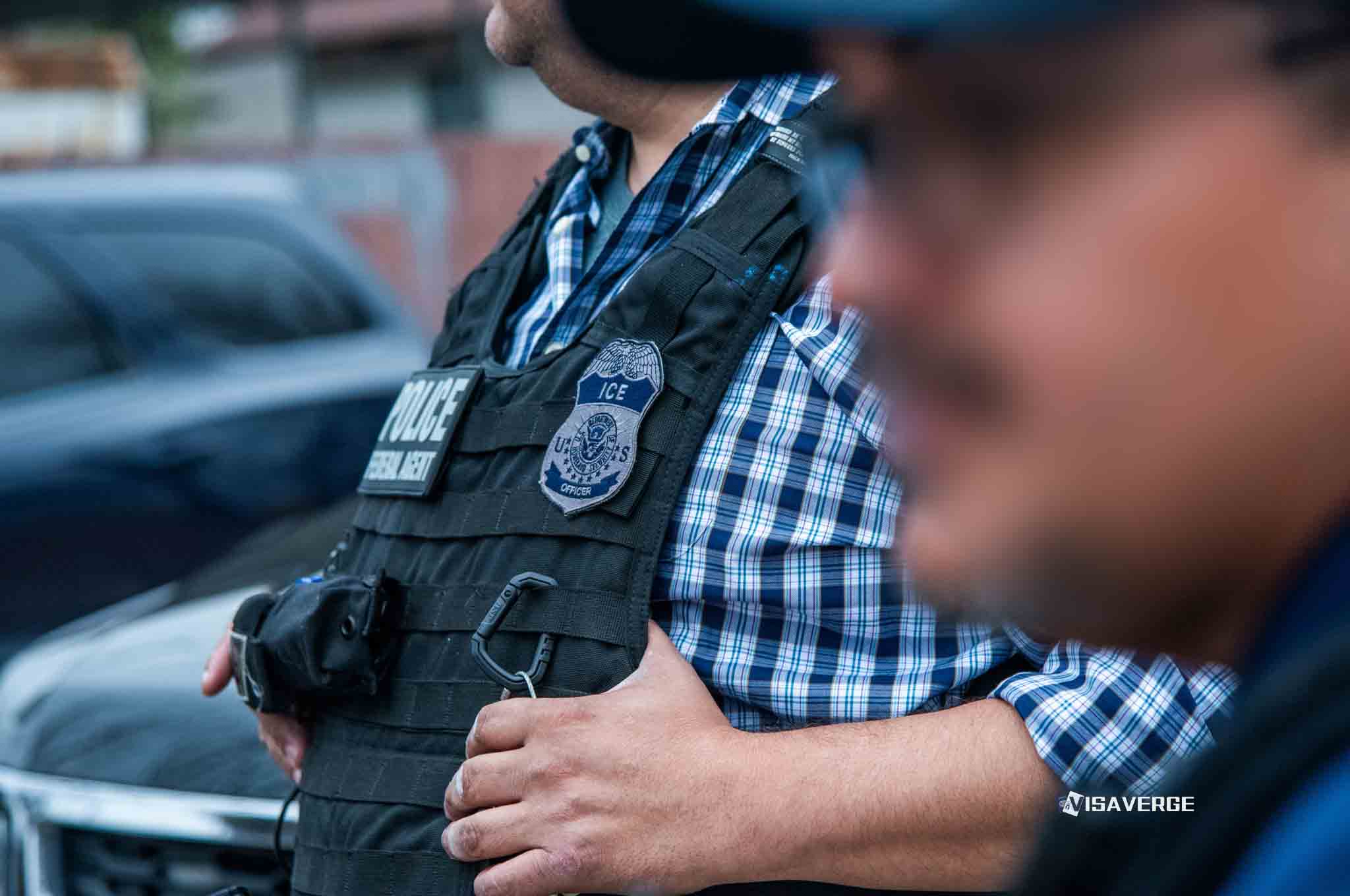
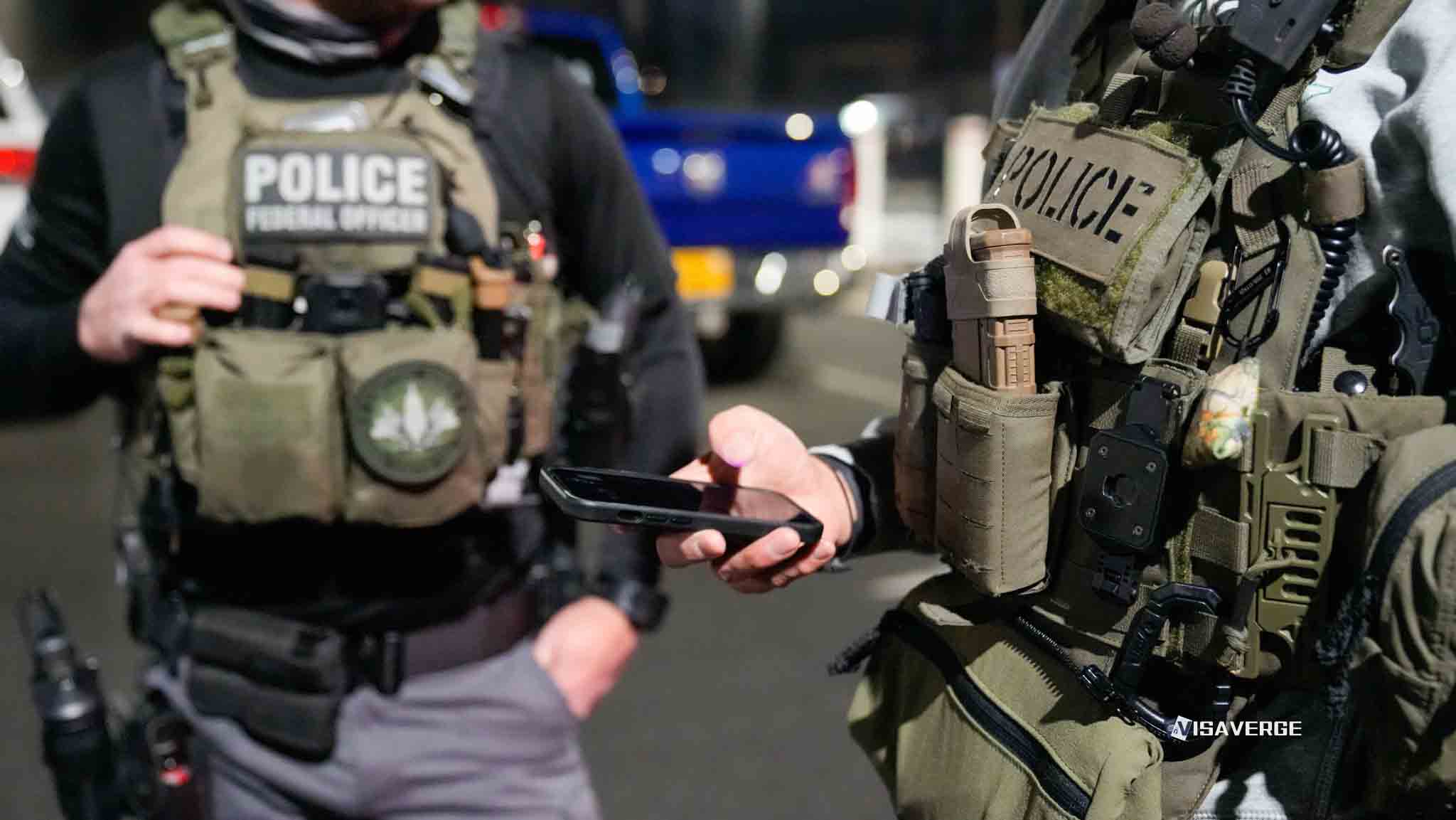
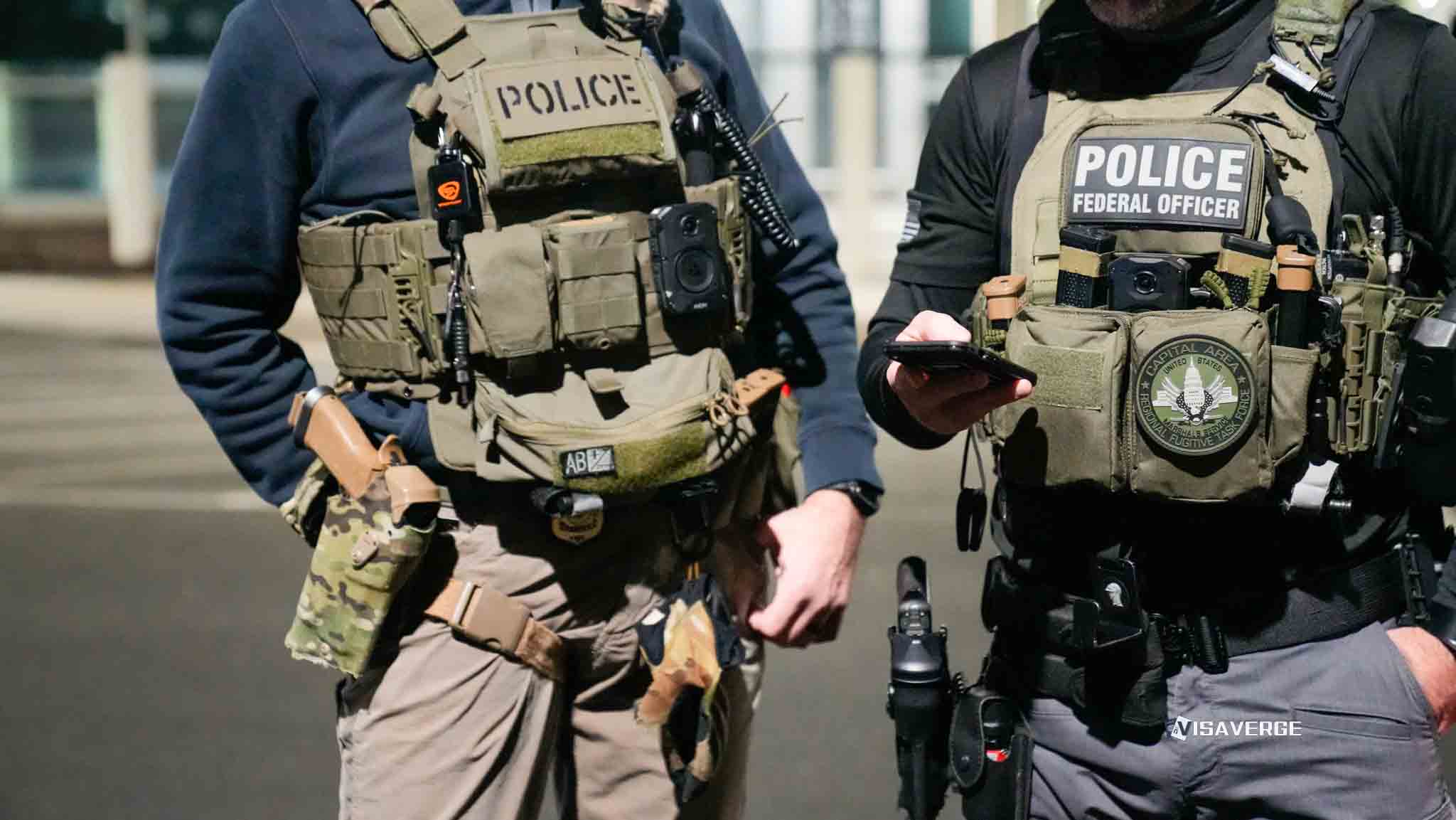
- CBP officers shot and wounded two Venezuelan nationals during a targeted vehicle stop in Portland.
- DHS claims the driver weaponized the vehicle while attempting to run over law enforcement agents.
- Portland city leaders demanded a pause in federal operations while the FBI conducts an investigation.
(PORTLAND, OREGON) — U.S. customs and border protection (CBP) officers shot and wounded two venezuelan nationals during a targeted vehicle stop in the Hazelwood neighborhood of East Portland on January 8, 2026, prompting demands from Portland city leaders for federal immigration operations to pause while investigators review the use of force.
Both people were hospitalized in stable condition after the shooting near the Adventist Health hospital campus at approximately 2:18 p.m. local time, authorities said. DHS identified the wounded individuals as Luis David Nino-Moncada, the driver, and Yorlenys Betzabeth Zambrano-Contreras, the passenger.
Shooting and immediate aftermath
DHS said the encounter unfolded during a “targeted vehicle stop,” a term that typically signals a planned effort to detain specific people rather than a routine patrol interaction. Officials have not publicly provided a detailed step-by-step narrative beyond the self-defense account and the asserted use of a vehicle as a weapon.
Free toolUSCIS Receipt Number DecoderAuthorities said Nino-Moncada sustained a gunshot wound to the arm and Zambrano-Contreras was shot in the chest. Both were taken to the hospital and were in stable condition, authorities said.
After his release from the hospital, Nino-Moncada was taken into FBI custody. The Portland shooting came less than 24 hours after an ICE officer fatally shot Renee Nicole Good in Minneapolis on January 7, 2026, a separate incident in which DHS used a similar “weaponized vehicle” narrative.
DHS statements and characterizations
dhs defended the shooting as self-defense and described the stop as part of an operation aimed at apprehending a suspected member of Tren de Aragua, which the administration has designated a foreign terrorist organization. The agency’s account drew scrutiny from Portland officials and immigrant advocates who challenged federal characterizations of the two people.
dhs assistant secretary Tricia McLaughlin said on January 9, 2026:
“when agents identified themselves to the vehicle occupants, the driver weaponized his vehicle and attempted to run over the law enforcement agents. Fearing for his life and safety, an agent fired a defensive shot.”
A DHS update on January 10, 2026 used sharper language to describe the encounter and the two people shot. The update said:
“Yesterday, two suspected Tren de Aragua gang associates—let loose on American streets by Joe Biden—weaponized their vehicle against Border Patrol in Portland. The agent took immediate action to defend himself and others, shooting them. Our law enforcement officers are on the frontlines arresting terrorists, gang members, murderers, pedophiles, and rapists.”
DHS said Nino-Moncada was a “suspected Tren de Aragua gang member” with a final order of removal and described Zambrano-Contreras as being “affiliated with a transnational Tren de Aragua prostitution ring.” Those characterizations have been disputed by local advocates.
Local response and protests
Portland’s long-running friction with federal immigration enforcement shaped the reaction. The city is described as a “sanctuary city” and has a history of resisting federal immigration surges, a dynamic that can intensify public anger when federal agents operate in residential areas.
Local immigrant advocates disputed DHS portrayals of the two people, setting up a clash between official framing and community narratives. The PCUN farmworkers union described the pair as a married couple, a claim DHS explicitly refuted as “REVOLTING LIES.”
Mayor Keith Wilson and the City Council called on ICE to “end all operations” in the city until a full investigation is completed. “There was a time when we could take [the federal government] on their word. That time has long passed,” Wilson said.
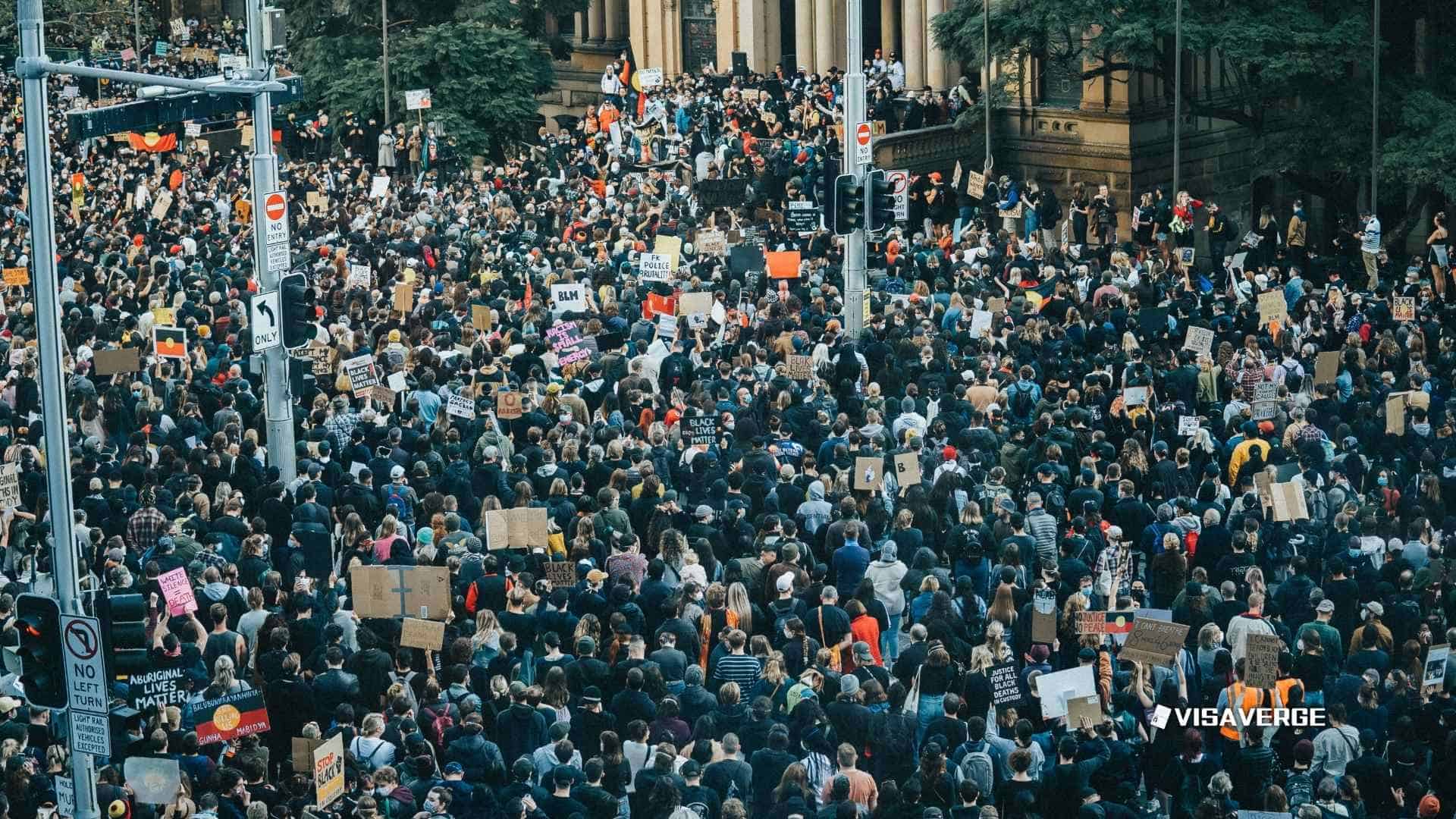
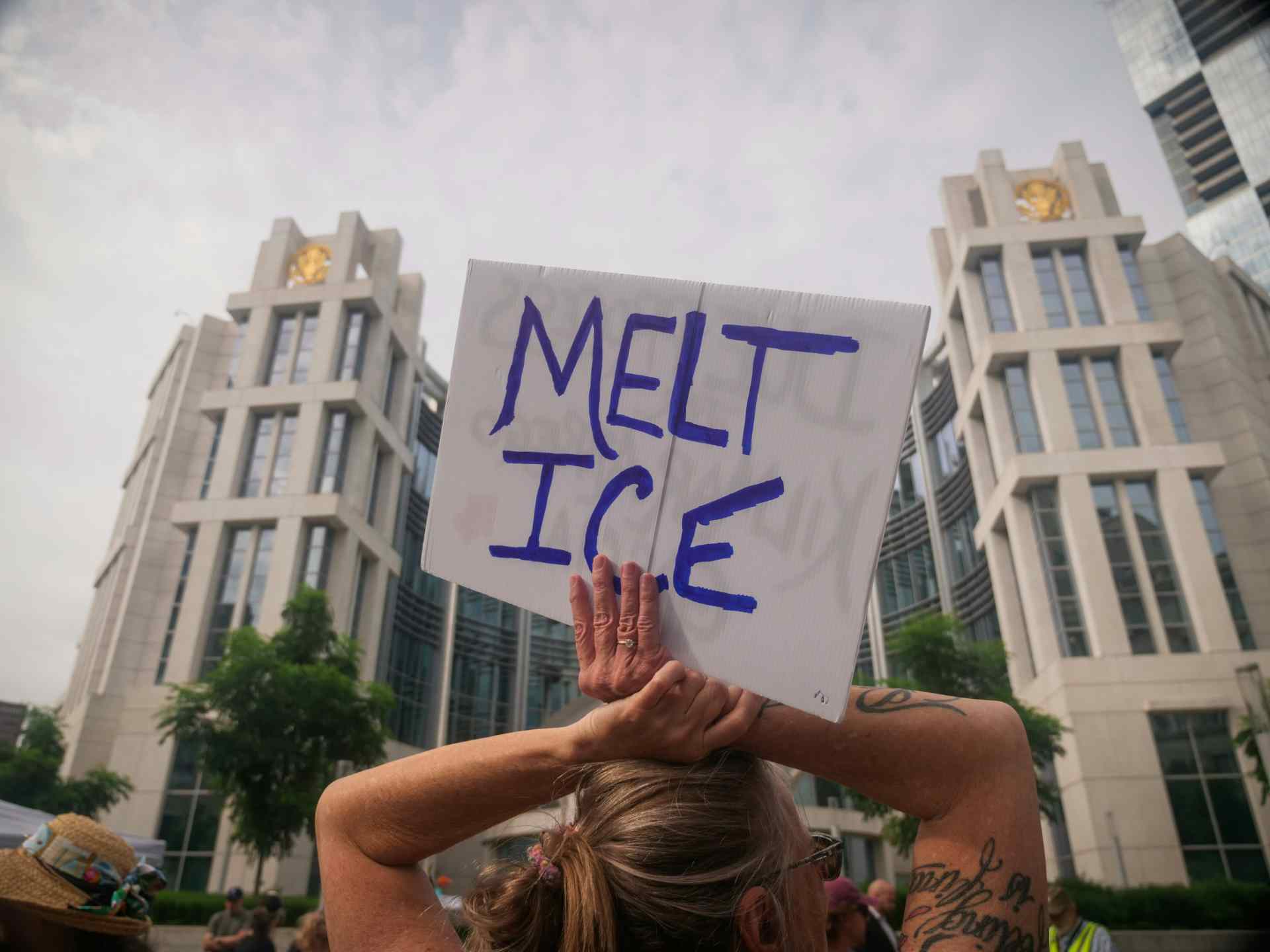
Protests and vigils erupted outside the Portland ICE facility and City Hall after the shooting, reflecting a civic response that combined public-safety concerns with constitutional anxieties. Community leaders said they feared constitutional protections were being eroded.
Investigations and oversight
The FBI is the lead agency investigating the shooting. Federal investigations in officer-involved shootings typically involve collecting evidence and interviewing witnesses, while evaluating whether force was justified under applicable standards.
Oregon’s top legal office also moved to review federal conduct. The Oregon Attorney General’s Office vowed to investigate whether federal officers acted outside their lawful authority, adding a state-level oversight track alongside the federal inquiry.
Multiple investigative and oversight processes can proceed at once, but they do not necessarily answer the same questions on the same timeline. Public attention often focuses on whether prosecutors will bring charges and whether investigative findings will be released, while agencies separately conduct internal reviews that may not be made public in full.
Legal and immigration consequences
For the two people who were shot, the episode carries both potential criminal exposure and immigration consequences. DHS has publicly tied the stop to alleged assaults on federal officers, and authorities said both individuals face potential federal charges related to the alleged assault on federal officers, in addition to their immigration status.
Nino-Moncada’s case illustrates how immigration enforcement and criminal custody can intersect after a use-of-force event. DHS said he had a final order of removal, and authorities said he was transferred to FBI custody after leaving the hospital.
Context and public information
CBP is best known for border and port-of-entry work, but DHS described this incident as involving Border Patrol in Portland, Ore., tying the operation to immigration enforcement priorities away from the border. The agency did not describe in its public statements why the operation occurred in the city’s Hazelwood neighborhood of East Portland, beyond the intent to apprehend an alleged gang associate.
DHS communications also cited broader enforcement conditions, including an asserted rise in assaults on officers. In its official statements, DHS claimed law enforcement officers are currently facing a “3,200% increase in vehicular attacks against them.”
DHS has continued to frame the stop as an enforcement action aimed at a group it links to serious criminal activity, using labels such as “gang associates” and references to a “foreign terrorist organization.” Those characterizations can shape public perception and policy arguments, but they are ultimately tested through investigative findings and any court proceedings that follow.
Residents seeking verified updates can monitor DHS Newsroom posts for revisions and follow-ups, including the January 9 update titled “DHS Provides Update on U.S. Border Patrol in Portland,” as well as later DHS statements. Local public-safety information and any city-level incident updates are typically posted to the Portland Police Bureau Newsroom, while general CBP use-of-force policy context and agency materials are available through U.S. Customs and Border Protection Press Releases rather than as definitive findings about this specific case.
CBP agents shot two Venezuelan nationals in Portland during a targeted operation against the Tren de Aragua gang. DHS describes the incident as self-defense against a ‘weaponized vehicle,’ but local officials and advocates dispute the agency’s narrative. Portland’s Mayor has called for a suspension of federal immigration actions while the FBI and state authorities investigate the shooting, which occurred amid heightened tensions regarding federal oversight.