- Federal agencies surged personnel across Minnesota for two large-scale immigration operations causing immediate backlash and protests.
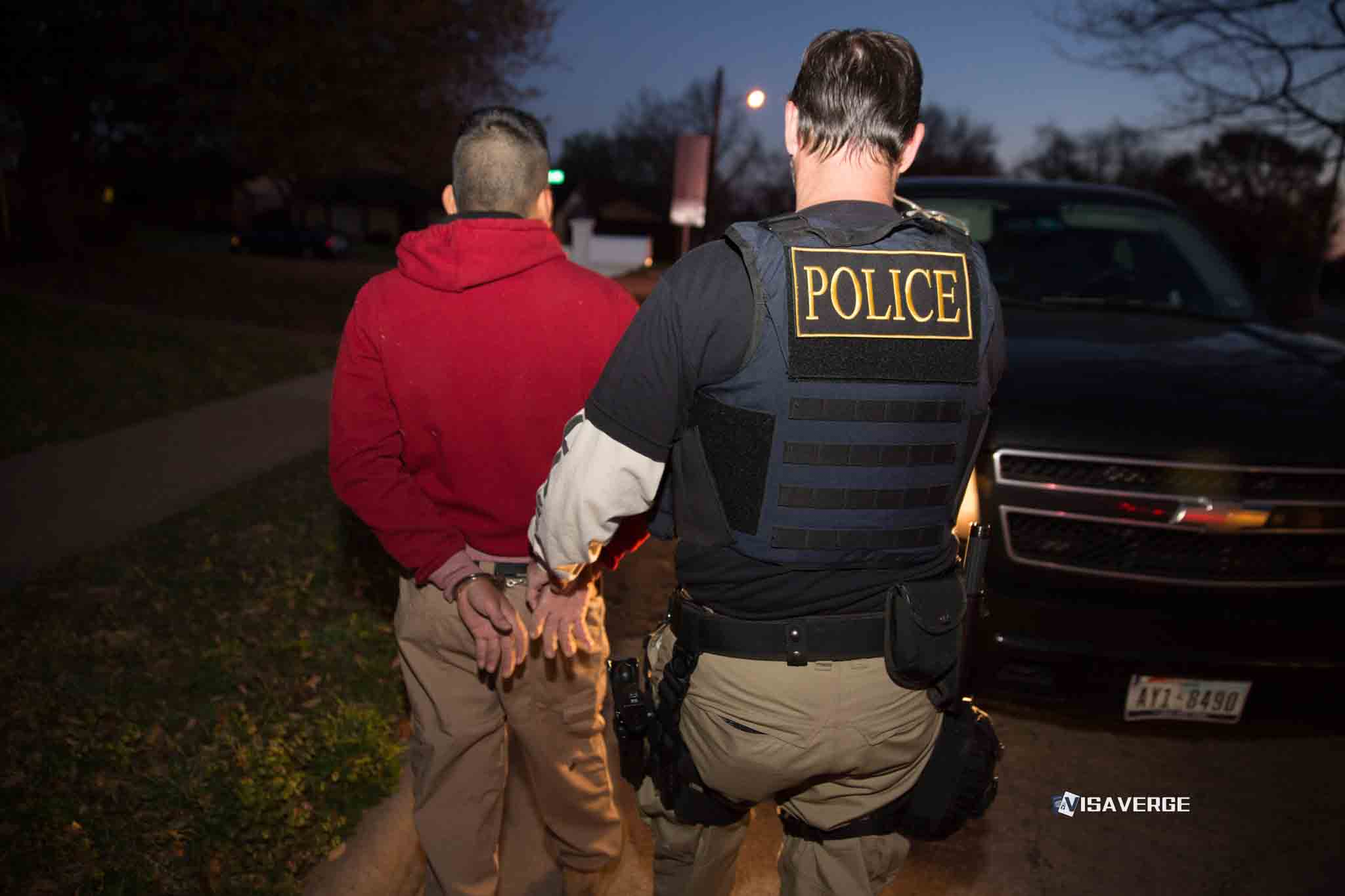
- Operation Metro Surge focuses on arresting criminal illegal aliens, with over 1,500 arrests reported by DHS.
- Operation PARRIS involves a re-check of refugee cases to ensure original status claims remain valid and documented.
(MINNESOTA) federal agencies have surged personnel and scrutiny across minnesota under two named actions, and the backlash has been immediate: protests, confrontations, and sharp disputes between Washington and local leaders. For immigrants, refugees, employers, and families, the practical question is simple—what happens during a large immigration operation, and how do you protect your status and your safety when tensions rise?
This guide lays out what officials say is happening, what community members report, and what remains disputed. It also walks through the typical “journey” people face during heightened enforcement: from the first encounter, to paperwork checks, to detention or court, and the steps that help people avoid preventable harm.

Minnesota’s enforcement surge: what’s happening and why it matters
Minnesota is experiencing intensified federal immigration enforcement activity centered on the Minneapolis–St. Paul area, paired with a separate uscis review initiative aimed at refugees. dhs has described the effort as a national model, which matters well beyond the state because it signals tactics, staffing, and messaging that can reappear elsewhere.
Free toolUSCIS Receipt Number DecoderThe situation is moving fast, and it contains competing narratives. Federal officials frame the work as public-safety enforcement and officer protection. Local leaders and many residents describe fear, disorder, and an enforcement footprint that spills into daily life.
Readers should use this guide to track developments, separate official claims from verified actions, and make careful choices that protect immigration status.
This is for:
- Immigrants and refugees, including people without green cards yet
- U.S. citizen relatives trying to keep families together
- Employers worried about attendance, rumors, or sudden arrests
- Community and faith groups supporting neighbors during protests
- Any resident who wants accurate, document-based updates
What DHS, ICE, and USCIS say—and how to read it carefully
DHS and its components have issued forceful statements that blend intent, allegations, and reported results. A reliable way to read these statements is to sort them into three buckets: what an agency says it plans to do, what it alleges happened, and what can be confirmed as an action (deployments, arrests claimed, and formal reviews).
On January 11, 2026, DHS Secretary Kristi Noem said on Sunday Morning Futures that DHS was sending more agents to Minneapolis. “If they conduct violent activities against law enforcement, if they impede our operations, that’s a crime, and we will hold them accountable to those consequences,” Noem said.
She added that DHS is sending agents “to allow Immigration and Customs Enforcement (ICE) and Border Patrol agents to do their work safely.” That language matters because it sets a frame: officer safety, crime, and consequences. It also raises the temperature around protests, since “impeding” can be interpreted broadly in street confrontations, even when people believe they are exercising protected speech.
DHS Assistant Secretary Tricia McLaughlin, in a January 11, 2026 statement, said: “Every single day our law enforcement officers put their lives on the line to arrest the worst of the worst criminal illegal aliens from American communities.” She added that since Operation Metro Surge began, DHS law enforcement has arrested more than 1,500 individuals, including “alleged murderers, pedophiles, rapists, and gang members across Minnesota.”
USCIS, which usually communicates in quieter language, has used unusually combative phrasing about its separate effort. USCIS spokesperson Matthew Tragesser said on January 7, 2026: “Minnesota is ground zero for the war on fraud.” He added: “American citizens first, always.”
Operation names also shape perception. “Operation Metro Surge” sounds like a tactical flood of agents. “Operation PARRIS” is a technical acronym that signals a compliance review. Branding can make broad actions feel targeted, or make targeted actions feel routine.
According to analysis by VisaVerge.com, this kind of naming strategy often serves two goals at once: signaling resolve to supporters and warning communities that scrutiny will extend beyond one arrest or one neighborhood.
What the operations appear to involve, and why scale changes real-world risk
Operation Metro Surge is described as a heightened enforcement presence in the Minneapolis–St. Paul area, with reported arrests and community accounts of stops or visits. Operation PARRIS is described as a USCIS-led re-check of refugee cases, focused on whether original claims remain valid and properly documented.
The scale figures released publicly give a sense of why daily life changes quickly. In simple terms, more agents and more reviews mean more chances for encounters, more requests for documents, and less time to react when a notice arrives.
Here is what that usually looks like on the ground during a large immigration operation:
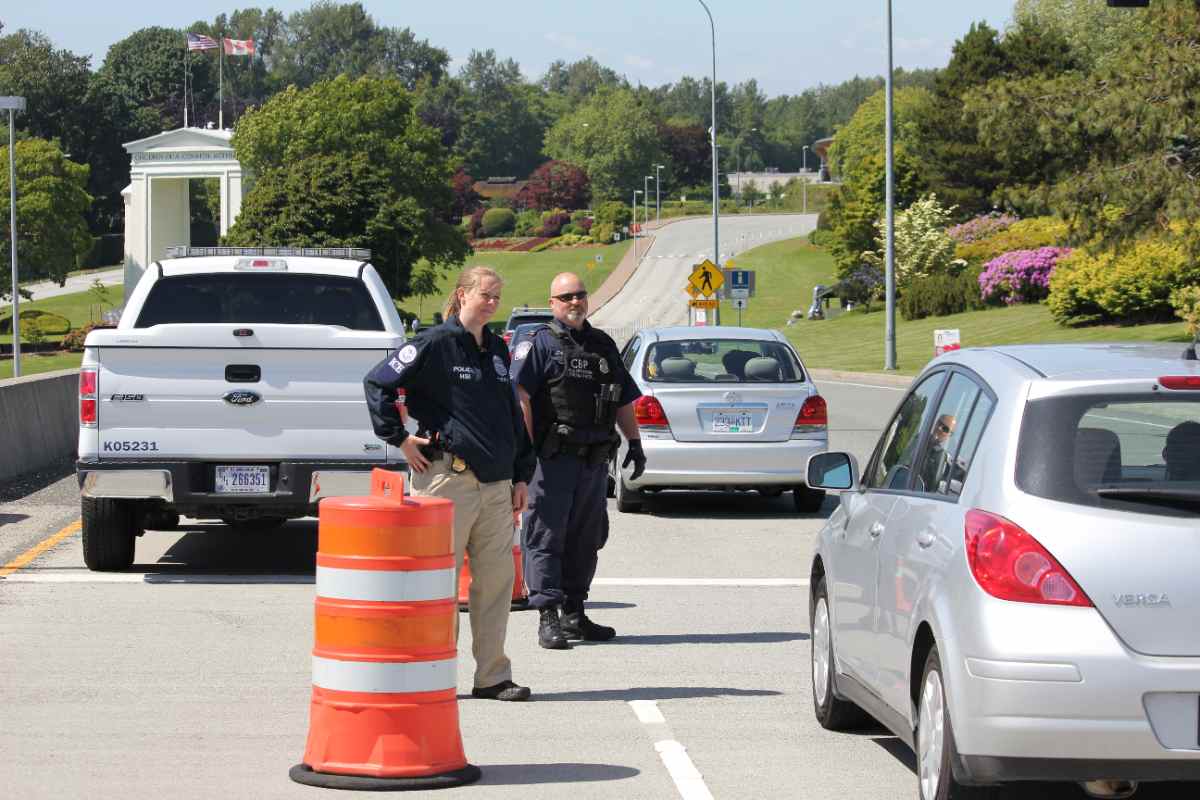
- More federal vehicles and teams near workplaces, apartments, and traffic corridors
- More questions during stops, including identity and immigration history
- Faster escalation from an interview request to detention, if officers believe someone is removable
- Increased demand for paper proof, even from people with lawful status
Public numbers can change as agencies release updates. Treat any running totals as snapshots, not a final accounting.
The shooting that set off protests, and why disputed facts fuel escalation
The current wave of protests follows a fatal shooting involving an ICE officer and a Minnesota activist. DHS alleges the activist “weaponized her vehicle” and attempted to run over an officer. Local officials dispute that account.
On January 7, 2026, an ICE officer fatally shot Renee Nicole Good, a 37-year-old U.S. citizen and activist. Minneapolis Mayor Jacob Frey criticized the self-defense claim, calling it a “garbage narrative” based on bystander video.
Disputed facts matter because they shape public trust, and trust shapes behavior during tense street encounters. When residents believe officials are misrepresenting an incident, protests grow, and confrontations become more likely. When agencies believe officers are under threat, enforcement posture often hardens.
In fast-moving moments, social media clips spread quicker than formal reports. People should rely on primary documents when available, including official incident reports and court filings tied to any criminal or civil proceedings.
Federal-local conflict and what it means for immigrants and refugees
Governor Tim Walz and Mayor Frey have demanded federal agents leave Minnesota, citing a lack of coordination and “chaos.” Walz has placed the Minnesota National Guard on “warning order” for potential mobilization. Those statements show political pressure, but local officials cannot order DHS, ICE, or USCIS to stop a federal immigration operation.
Local government can still shape conditions in practical ways. City leaders can set policies for local police cooperation, release public safety guidance, support legal clinics, and document community complaints. They can also amplify verified information to reduce panic.
Community-level impacts are already being reported: fear, reduced mobility, and people skipping work, school, or medical care. Reports also describe traffic stops and door-to-door inquiries. Even when a person has lawful status, a sudden request to prove it can become a crisis if documents are lost or if a person misses a deadline.
Operation PARRIS raises a specific fear among refugees who have not yet become permanent residents. “Reverification” can mean an agency re-checks the record for fraud indicators, inconsistent statements, criminal issues, or missed appointments. It can also mean a simple request for updated information or a deeper interview.
Refugees and asylees usually prove status through official documents and consistent compliance with notices. Keep copies, track addresses, and take mail seriously. Outcomes turn on individual facts, including admissions history, any arrests, fraud findings, and missed hearings or interviews.
The typical enforcement journey: what to expect and what to do
The most common path during a surge has four stages. Timeframes move faster when staffing is high.
- First contact (minutes to hours)
This can be a stop, a home visit, or a workplace encounter. Stay calm and don’t run. Ask who the officers are and which agency they represent. - Identity and status check (same day to several days)
Officers may ask for documents or run database checks. If you have lawful status, proof still matters. If you don’t, silence can prevent damaging statements. - Custody decisions and charging (24 hours to weeks)
Some people are released with a future court date. Others are detained. A “Notice to Appear” in immigration court starts formal removal proceedings under Title 8, the main body of U.S. immigration law. - Case review, interviews, and court (weeks to months)
USCIS may schedule interviews or issue requests tied to PARRIS-style reviews. ICE may pursue removal in court. Missing a notice can trigger harsh outcomes, even for people with defenses.
For authoritative updates and public statements, monitor the official news pages for DHS, USCIS, and ICE. Save copies of posts and note timestamps because statements can be updated.
This guide is for information only, not legal advice. A qualified immigration lawyer can assess risks tied to your exact history, documents, and any contact with law enforcement.
Minnesota faces a massive surge in federal immigration enforcement through Operations Metro Surge and PARRIS. While federal officials cite public safety and fraud prevention, local leaders condemn the resulting chaos and lack of coordination. Tensions have escalated following a fatal officer-involved shooting of a local activist. Immigrants and refugees are encouraged to keep status documents ready, follow official agency updates, and understand the typical four-stage enforcement journey.