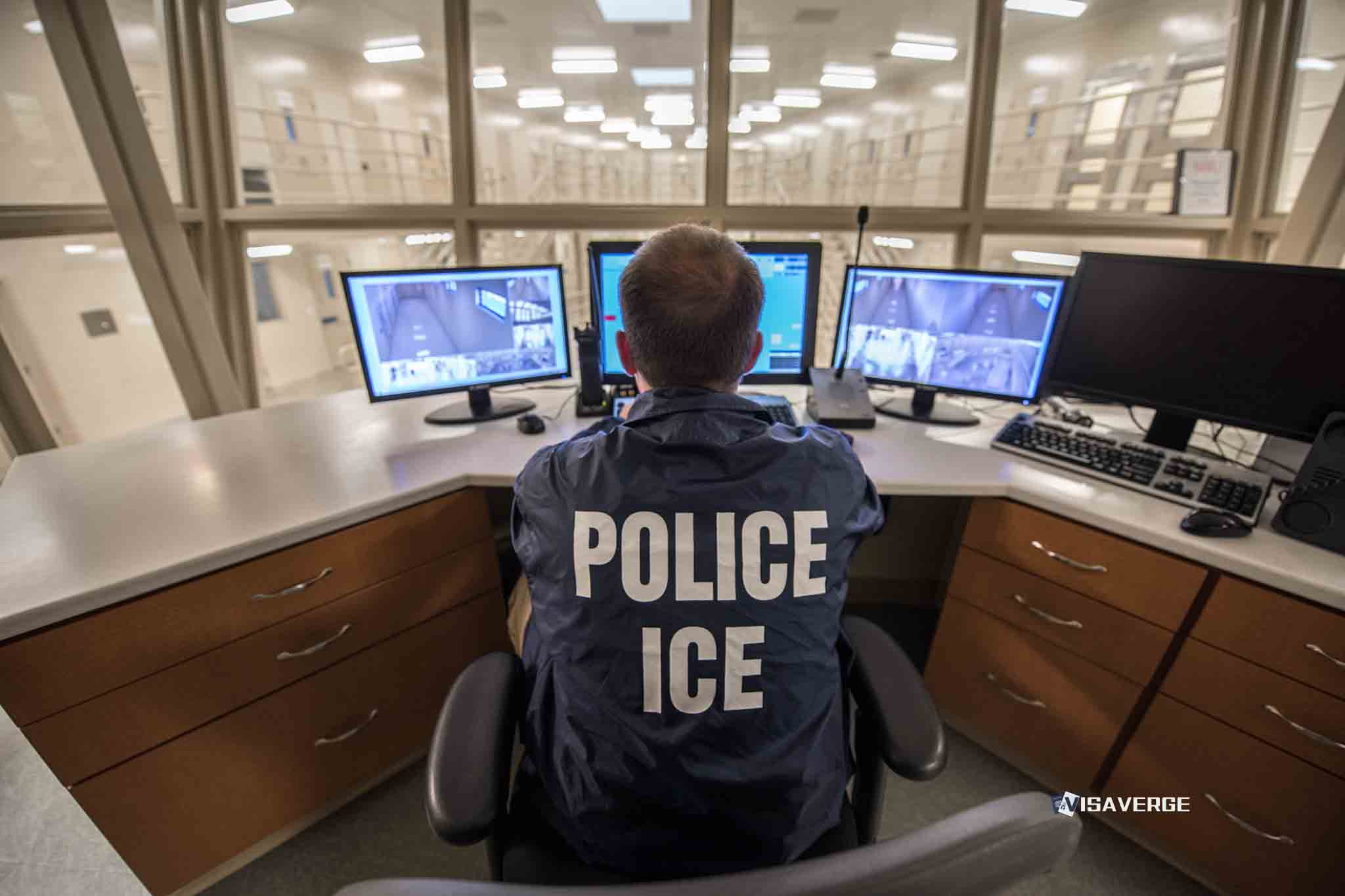
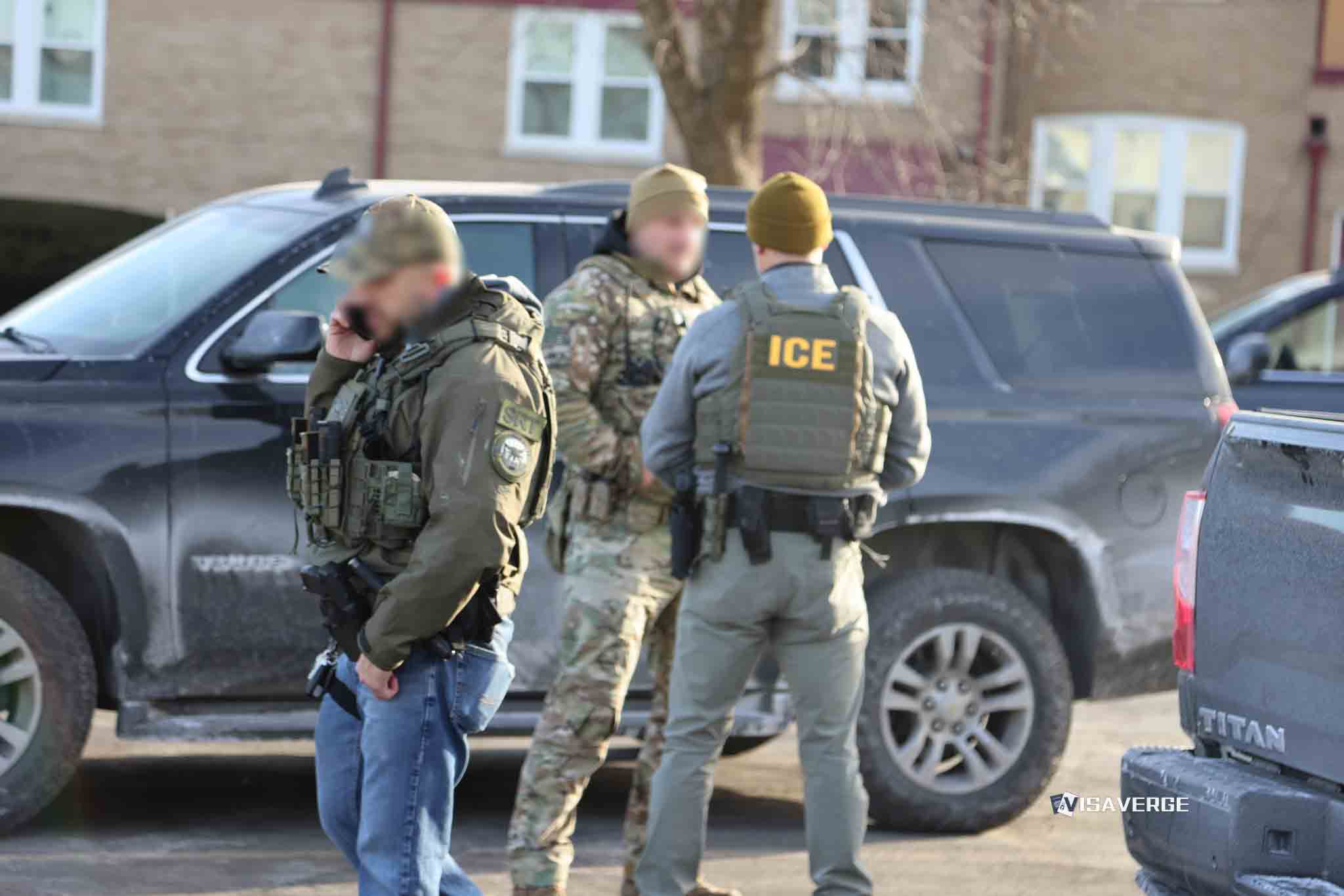
- DHS officials announced they located over 145,000 children through field visits and administrative tracking efforts.
- The term ‘located’ refers to verifying child whereabouts rather than finding children previously reported as missing.
- Discrepancies in figures involve administrative tracking gaps vs. physical disappearances during prior government oversight.
(US) — Department of Homeland Security officials said they have located more than 145,000 unaccompanied migrant children nationwide through visits and door knocks, a figure the administration has framed as evidence of a broad enforcement push under President Trump.
The DHS statement, however, does not mean 146,000 unaccompanied migrant minors were previously confirmed as physically missing and then found. In the department’s own usage, “located” refers to children identified through field visits, door knocks, or administrative tracking after they had left government custody.
DHS has paired that figure with a broader claim about the prior administration, saying roughly 450,000 unaccompanied children were “lost or placed with unvetted sponsors” under President Biden. That comparison has pulled together several numbers from different reports and time periods, and the terms used in those figures do not mean the same thing.
An internal watchdog found that ICE struggled to monitor the whereabouts of about 30,000 children who came to the country illegally from 2019 to 2023. Those children had left government custody and then failed to appear for scheduled immigration hearings.
A separate 2024 report cited in the public discussion put the figure at nearly 300,000 children who could not be accounted for in some form of administrative tracking. That number included children who did not receive a notice to appear, which means they were not necessarily missing in a physical sense.
Trump administration officials have said they have located approximately 146,000 children so far and still have nearly 300,000 more to account for. One official said, “We found 146,000 kids so far,” and added, “We still have nearly 300,000 missing.”
Officials described the effort as a joint DHS-DOJ initiative aimed at sponsors of undocumented migrant children. They said investigators are targeting sponsors accused of serious crimes, including assault, trafficking, and sexual abuse.
That enforcement context matters because the word “located” carries a narrower meaning than the word “missing” in ordinary speech. In DHS practice, a child can be located through a knock on a door or through a paperwork trail even if the government had earlier failed to maintain full contact or complete records.
The distinction has shaped confusion around the numbers. A child who is “unaccounted for” in an administrative system is not automatically a child whose physical whereabouts are unknown, and a child described as “located” is not automatically one who had disappeared from view in the way the public often understands that term.
Public debate has blended the 30,000, nearly 300,000, more than 145,000, and roughly 450,000 figures into a single story line. Yet the source figures cover different periods, reflect different methods of counting, and refer to different stages of government contact with migrant children after their release from custody.
The internal watchdog’s finding focused on children whose whereabouts ICE had trouble monitoring after release and who later failed to appear for scheduled hearings. The 2024 figure covered a larger administrative problem, including cases in which children did not receive a notice to appear, which left gaps in tracking without establishing that all of those children had vanished.
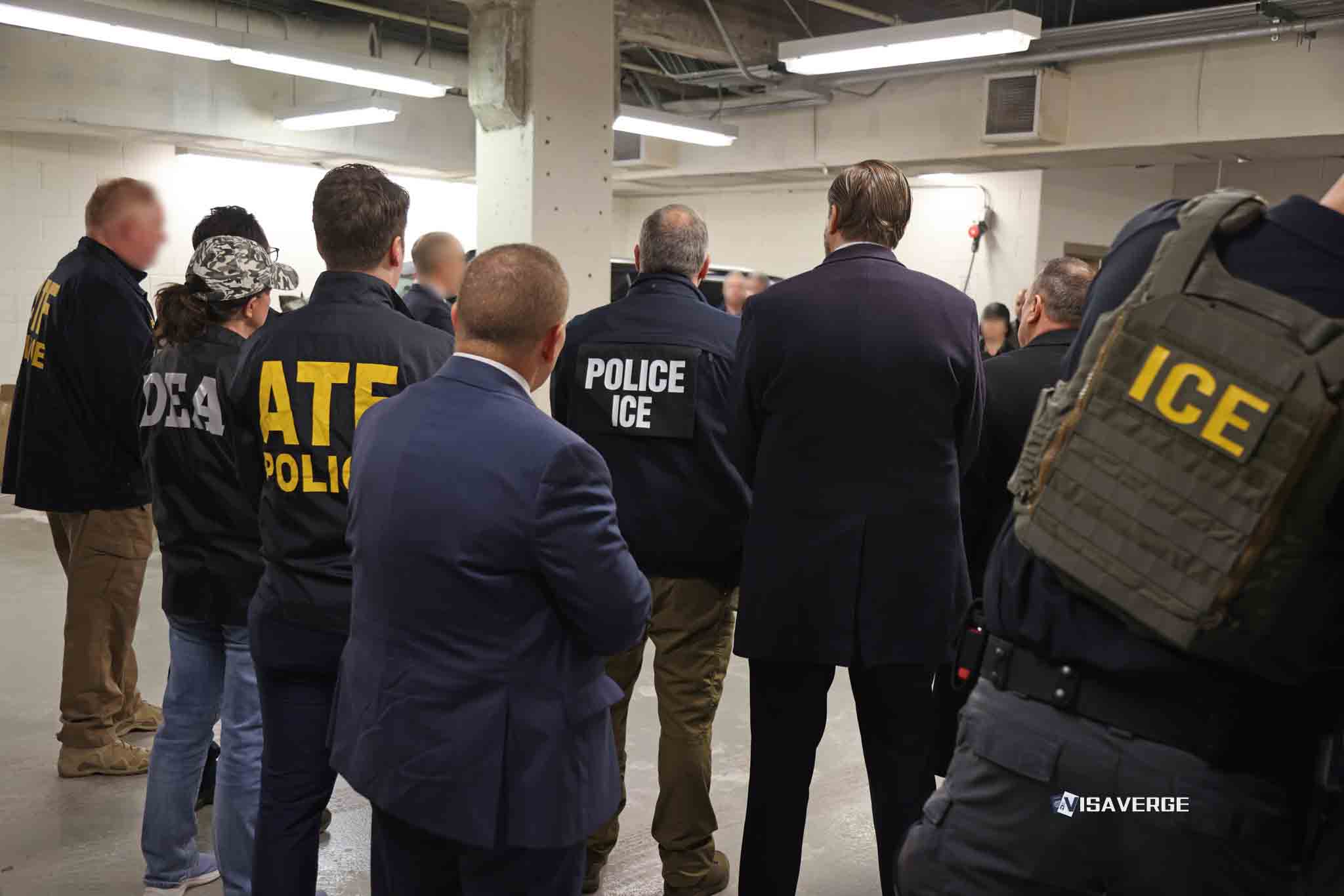
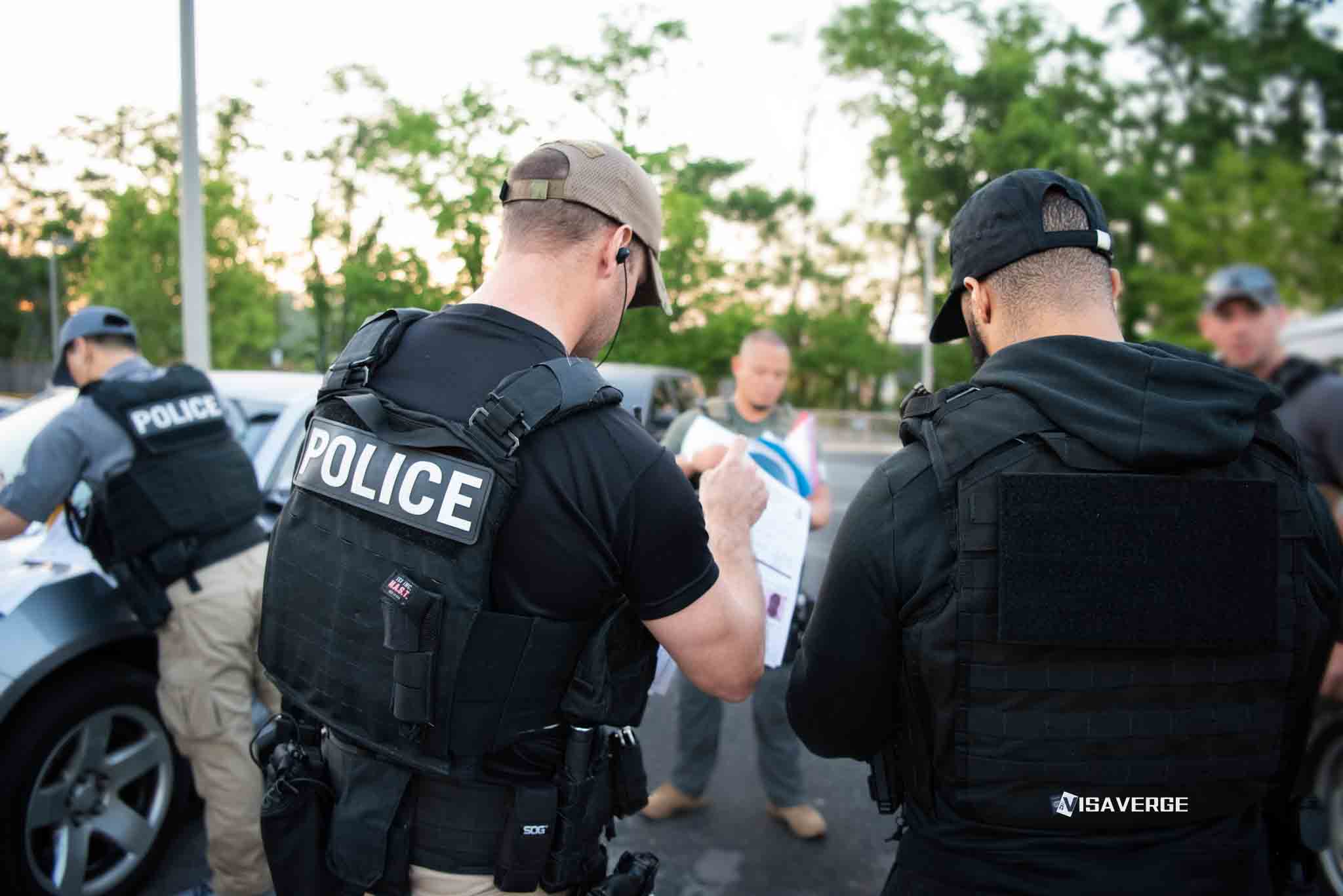
DHS officials, by contrast, have used the word “located” to describe what officers found during direct field work such as home visits and door knocks. In that setting, the department’s count is a measure of contact and verification, not a one-to-one tally of children once listed as missing and then recovered.
The phrase unvetted sponsors has also become central to the administration’s argument. DHS has said roughly 450,000 unaccompanied children were lost or placed with unvetted sponsors under Biden, while current officials present the new locating effort as part of a law enforcement response tied to sponsor screening and follow-up checks.
The available figures do not collapse neatly into one category. About 30,000 children were tied to failures to appear in immigration proceedings from 2019 to 2023; nearly 300,000 were tied to incomplete administrative tracking in a 2024 report; and more than 145,000 were described by DHS as children officers have located nationwide through visits and door knocks.
That is why the wording in a DHS statement carries unusual weight in this debate, even without any change in the underlying numbers. A report that children were “located” can describe verified contact after a paperwork lapse, after a missed hearing, or after a field check tied to a sponsor investigation, and those categories do not mean the same thing.
Officials have continued to present the effort as unfinished. Their own accounting says they have found approximately 146,000 children and still have nearly 300,000 to account for, leaving a set of figures that has become politically potent precisely because “missing,” “unaccounted for,” and “located” sound similar while describing different things.