Key Takeaways
- Effective February 1, 2025, the Department of Health and Human Services requires extensive background checks and DNA testing for sponsors of unaccompanied migrant children.
- The Trump administration expanded the detention period for unaccompanied children from 20 days to up to 90 days, raising significant welfare concerns.
- A policy change on March 24, 2025, allows law enforcement to access sponsors’ immigration statuses, potentially discouraging families from supporting children.
As of March 27, 2025, the U.S. child migrant sponsorship program has undergone significant changes under the Trump administration, primarily in response to troubling reports indicating that around 320,000 unaccompanied migrant children were lost track of during the Biden presidency. This alarming situation has prompted the administration to implement new policies aimed at increasing tracking and ensuring the safety of these at-risk children. The reforms embody a broader movement towards stricter immigration enforcement, raising important concerns about child migration and related policies in the United States.
Unaccompanied migrant children (UMCs) present unique challenges in immigration policy. Many of these children escape violence, poverty, or persecution in their home countries, hoping to find safety and stability in the U.S. Upon arrival, they typically face detention and must be placed with sponsors—relatives or friends who can legally care for them. However, the sponsorship process can be fraught with bureaucratic obstacles and substantial dangers linked to unregulated sponsorship.

One of the most essential changes made to the sponsorship program is the introduction of more rigorous vetting procedures for potential sponsors, effective February 1, 2025. The Department of Health and Human Services (HHS) now mandates that anyone wishing to sponsor an unaccompanied migrant child must undergo extensive background checks. This new protocol includes required fingerprinting, DNA testing, and the submission of immigration documentation and financial records.
As a result of these stringent checks, the average verification process time has lengthened from about 45 days to potentially 90 days or longer. These changes aim to mitigate risks associated with child trafficking and to ensure that children are placed in safe and nurturing environments. Nevertheless, critics argue that such rigorous requirements may discourage potential sponsors—particularly undocumented relatives—from coming forward. This could inadvertently prolong the cycle of detention for children waiting to be placed with family.
Moreover, the Trump administration has expanded the permissible detention period for unaccompanied children from the previous maximum of 20 days to up to 90 days. In certain situations, detentions can extend even further based on “security reasons.” This adjustment emphasizes enforcement, raising serious worries about the mental and physical health of detained children. Studies indicate that prolonged detention can lead to trauma and developmental issues—especially harmful for young children who already face significant vulnerabilities.
In a notable policy change, the Trump administration has rolled back earlier restrictions on the Office for Refugee Resettlement’s (ORR) ability to share information about sponsors’ immigration status with law enforcement agencies. Effective March 24, 2025, this new policy enables law enforcement to obtain details regarding the immigration status of potential sponsors and raises critical concerns. Critics warn this shift may have a chilling effect, discouraging families from stepping forward to claim children out of fear of possible detention or deportation.
Additionally, the removal of previous regulations that prohibited denying the release of a child solely based on a sponsor’s immigration status demonstrates a significant ideological shift in the treatment of unaccompanied minors. By suggesting that past rules conflicted with federal law, the Trump administration redefines the handling of child migrant cases within the U.S. immigration system.
Legal support for unaccompanied migrant children has also seen substantial changes. In February 2025, the Trump administration temporarily suspended critical legal services that aim to assist these vulnerable children in navigating the immigration system. Organizations like the Acacia Center for Justice, which have historically offered legal representation to thousands of children, were significantly impacted. However, following public outcry and legal challenges underscoring the need for protections and due process, this decision was reversed on February 21, allowing legal services for unaccompanied children to resume. This change reflects the ongoing struggle to balance immigration enforcement with the legal rights and due process of minors.
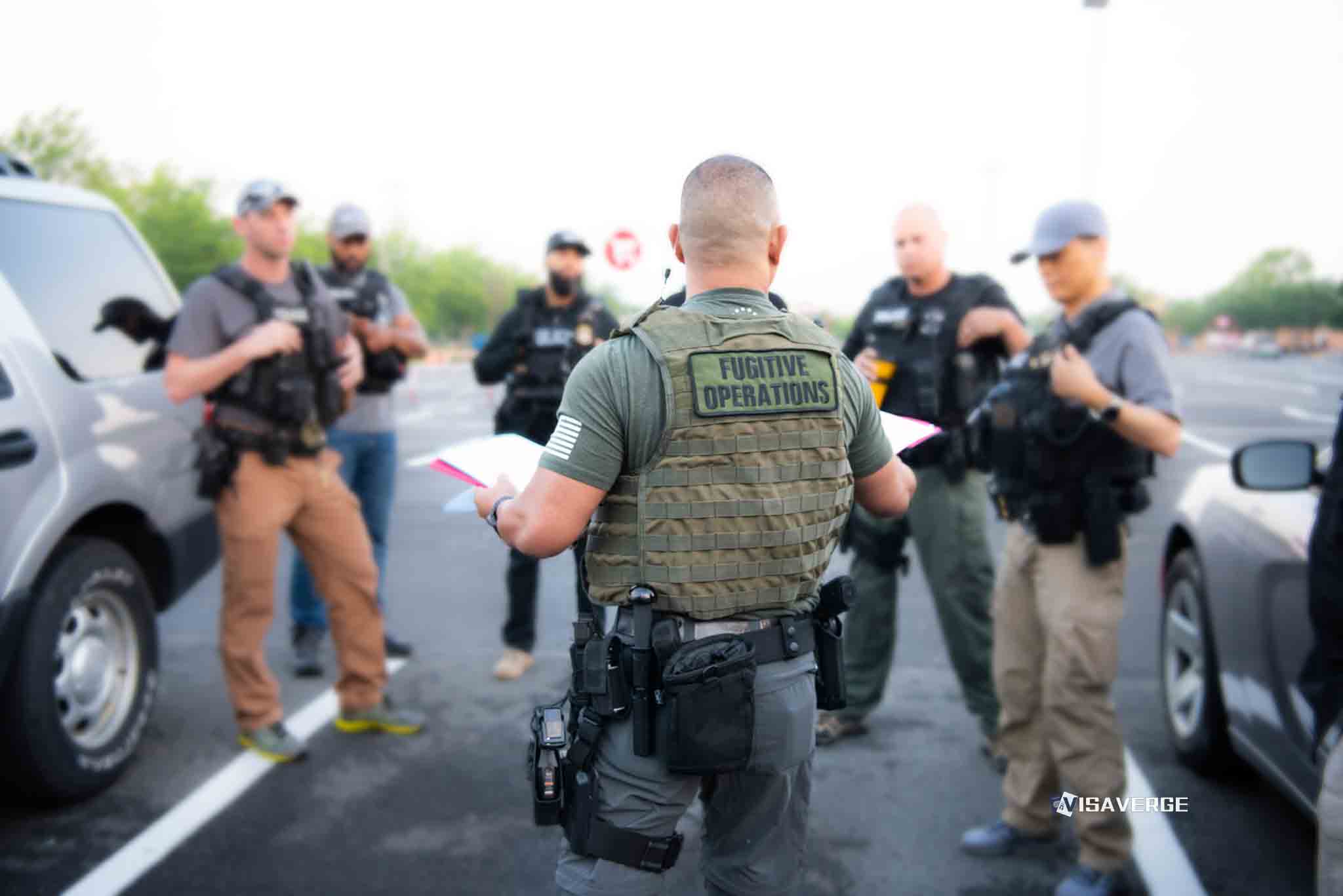
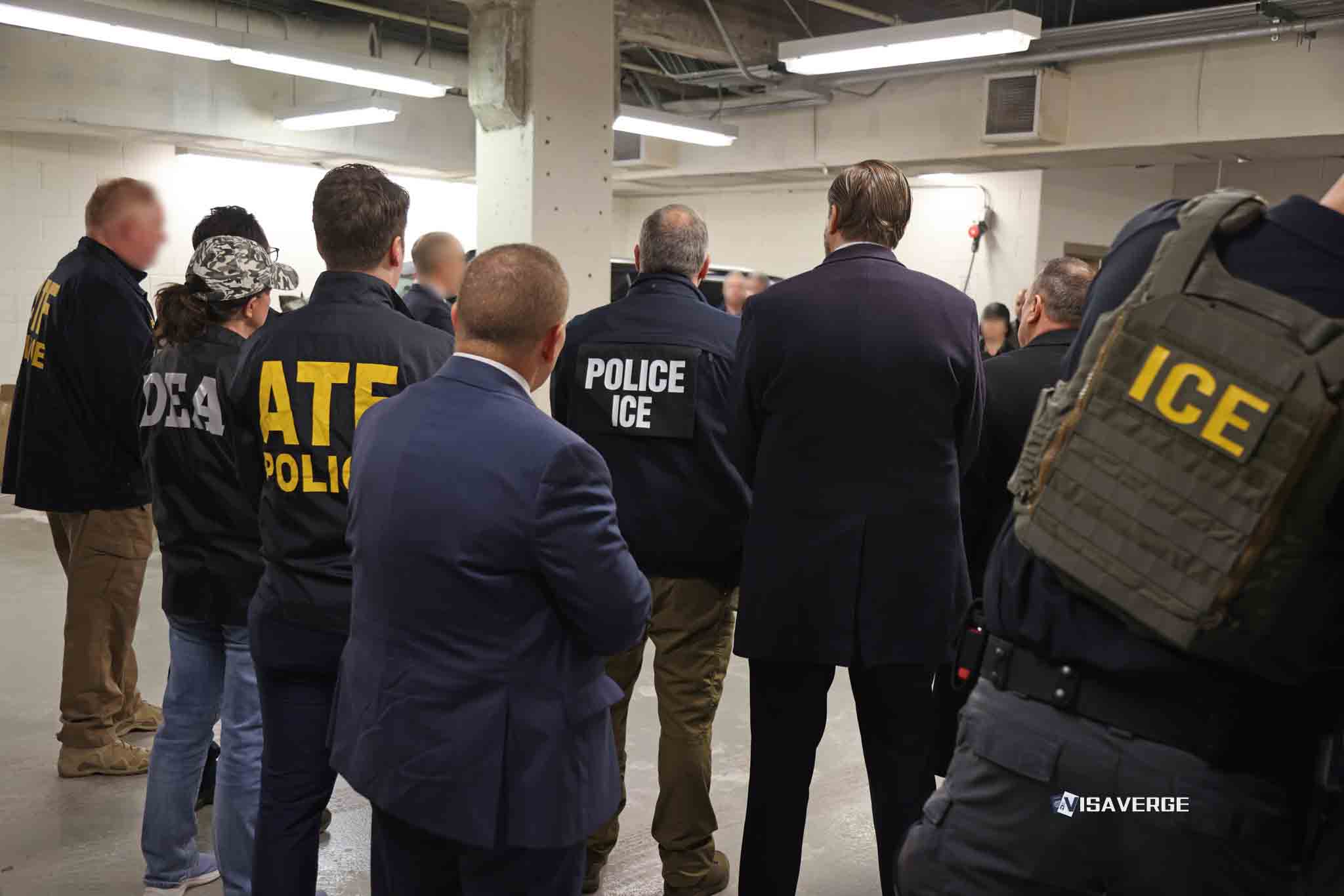
On the deportation front, an internal memo on February 23, 2025, outlined the Trump administration’s plans to intensify efforts to deport unaccompanied migrant children who enter the U.S. without a parent. The directive instructs Immigration and Customs Enforcement (ICE) agents to actively search for and deport these children, relying on various databases to trace them. In some cases, genetic testing may be required to confirm familial ties.
Additional protocols mandate that adult household members and sponsors undergo fingerprint checks. This aggressive deportation strategy has drawn widespread criticism from human rights advocates who argue that such measures could disrupt families and deepen the trauma that children already experience in these precarious situations.
The recent modifications in the child migrant sponsorship program have far-reaching consequences, not only for unaccompanied minors but also for the broader context of immigration in the United States.
The changes in detention policies raise red flags concerning the mental health of minors. With lengthy detention periods anticipated, there are increasing worries about the psychological impact on unaccompanied children. These conditions may hinder their development and well-being, raising concerns about the long-term implications of current policies.
Additionally, the stringent vetting processes and the sharing of immigration status with law enforcement might discourage potential sponsors from coming forward. Families wishing to support their relatives may choose to remain silent, fearing it could worsen their immigration situations. As a result, children could spend extended periods in detention, facing uncertain futures without the connectivity of family support when they need it most.
Legal representation—a critical component for navigating complex immigration proceedings—remains precarious for unaccompanied minors. The fluctuating availability of legal support, as seen through initial cutbacks followed by a reinstatement, underscores the importance of safeguarding these children’s rights to ensure they receive adequate legal counsel during their immigration processes.
In conclusion, the transformation of the child migrant sponsorship program under the Trump administration reveals a substantial shift in how the U.S. manages unaccompanied minors. The new rules surrounding vetting, detention, information-sharing, and legal representation offer a complicated view of how at-risk children are treated within the immigration framework. While enhancing enforcement, this approach raises critical questions about the safety, health, and basic rights of the children at the heart of these changes. Striking a sensible balance between enforcement and compassion is essential as policymakers navigate this sensitive and vital area, ensuring the protection of all children, irrespective of their immigration status.
For more details on child migrant sponsorship and related policies, you can visit the official U.S. government website here.
Learn Today
Unaccompanied migrant children (UMCs) → Children who arrive in a foreign country without a parent or legal guardian seeking safety from dangers in their home countries.
Sponsorship program → A framework that allows individuals to legally care for unaccompanied minors, often involving legal and bureaucratic procedures.
Vetting procedures → The thorough background checks required for potential sponsors to ensure safety and suitability for caring for minors.
Detention → The process of holding individuals in custody, often in facilities, while their immigration status is determined or legal proceedings occur.
Legal representation → The provision of legal counsel to individuals, crucial for navigating the complexities of immigration law and rights.
This Article in a Nutshell
As of March 2025, changes to the U.S. child migrant sponsorship program focus on enforcing safety for unaccompanied minors amidst alarming disappearances. Enhanced vetting procedures and extended detention raise concerns about potential trauma. Balancing enforcement with compassion is crucial to protect at-risk children while supporting familial connections in these challenging circumstances.
— By VisaVerge.com
Read more:
• Canada Expands Openings for Parents and Grandparents Sponsorship
• Canada to Open Sponsorship for Parents and Grandparents in 2025
• New Zealand Raises Income Requirement for Family Sponsorship Visas
• UAE Introduces 90-Day Visa on Arrival with No Sponsorship Needed
• Spousal Sponsorship: Step-by-Step Guide for Canadian PR