- President Lukashenka proposed visa-free travel between Belarus and the Philippines to boost food security and industrial trade.
- The proposal marks the 30th anniversary of relations and builds upon existing waivers for diplomatic passport holders.
- While Minsk-Manila ties grow, the U.S. continues rigorous vetting of Belarusians under 2026 high-risk country designations.
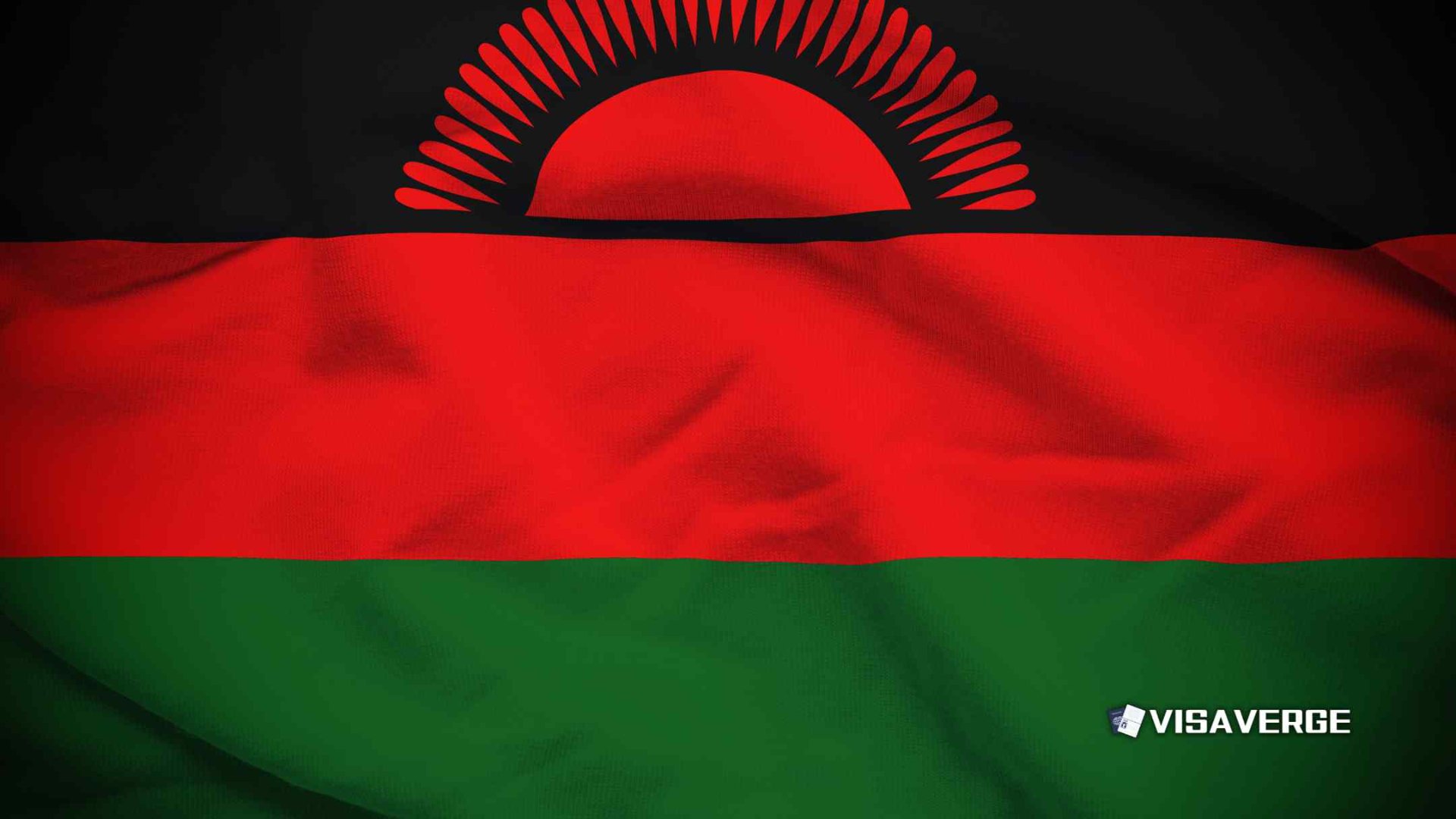
(BELARUS, PHILIPPINES) — Belarusian leader Alexander Lukashenka proposed establishing visa-free travel between Belarus and the Philippines in a congratulatory message to Philippine President Ferdinand Romualdez Marcos Jr. on the Philippines’ Independence Day.
Lukashenka tied the proposal to plans for closer work on food security, industrial cooperation and trade. He said “the realization of the potential for interstate cooperation would be facilitated by. the simplification of the visa regime.”
The proposal arrived as Belarus and the Philippines mark the 30th anniversary of diplomatic relations. No timeline for a decision accompanied the message.
Belarusian citizens currently need a visa to enter the Philippines as of June 12, 2026. The process costs about $40 for 59 days and runs through the honorary consulate in Minsk or visa agencies.
If Manila accepts the proposal, ordinary passport holders could travel between Minsk and Manila without a visa for stays typically up to 30 days. That would shift the arrangement beyond official travel and into tourism and business trips.
| India | China | ROW | |
|---|---|---|---|
| EB-1 | Feb 01, 2023 | Aug 01, 2023 ▲31d | Current |
| EB-2 | Nov 01, 2013 | Oct 01, 2021 | Apr 01, 2025 ▲90d |
| EB-3 | Jan 22, 2014 ▲21d | Jan 22, 2022 ▲14d | Jun 15, 2024 ▲31d |
| F-1 | Jan 22, 2021 ▲366d | Jan 22, 2021 ▲366d | Jan 22, 2021 ▲366d |
| F-2A | Oct 22, 2026 ▲30d | Oct 22, 2026 ▲30d | Oct 22, 2026 ▲30d |
Belarus and the Philippines already moved in that direction for government travelers. The two countries signed a waiver of visa requirements for holders of diplomatic and official passports on November 15, 2024, and the Belarusian House of Representatives ratified it on April 2, 2025.
Lukashenka’s proposal also fits a broader Belarus push in Southeast Asia. Minsk has recently signed or implemented similar visa-free arrangements with Vietnam in January 2025, Laos in July 2025 and Myanmar in 2026.
Belarus has described that effort as its “Far Arc” strategy, aimed at widening ties beyond its traditional partners. In this case, the pitch pairs easier entry rules with projects in agriculture, industry and trade rather than presenting travel as an isolated measure.
DHS and USCIS have not issued statements on the Belarus-Philippines bilateral proposal. U.S. immigration policy, however, has tightened for Belarus since the start of the year.
President Donald Trump’s Presidential Proclamation 10998 took effect on January 1, 2026 and designated Belarus as a high-risk country. A USCIS policy memorandum dated the same day directs a “Hold and Review” of benefit applications filed by nationals from those countries.
The U.S. Department of State framed that screening policy in security terms on Feb 2, 2026. “We are protecting our nation and its citizens by using rigorous, security-focused screening and vetting procedures to ensure that individuals approved for a visa do not endanger national security or public safety.”
Washington added another restriction on January 21, 2026, when the State Department paused all immigrant visa issuances for certain high-risk nationalities, including Belarus. The pause remains part of a broader review of screening and vetting policies and of whether applicants could become a public charge or use welfare.
U.S. policy toward the Philippines has moved on a different track. On May 29, 2026, U.S. officials expressed satisfaction with the Exchange Visitor Program, or J-1 visas, involving the Philippines, saying “the United States was satisfied with its exchange visitor program with the Philippines as Filipino J-1 visa holders return home.”
That split matters for travelers and visa applicants who move between the two countries. A Belarusian citizen living in, visiting or transiting through the Philippines could still face enhanced U.S. vetting tied to Belarus’s high-risk designation, even if Belarus and the Philippines ease entry rules for each other.
Philippine citizens, if the proposal advances, would gain simpler access to Belarus, chiefly through Minsk National Airport. Belarusian travelers would no longer need to pay the current Philippine visa fee or go through consular processing for short tourism or business visits.
The practical appeal is clearest for small business travel and short commercial trips. Belarus has presented food security, industrial cooperation and trade as the immediate areas where easier movement could support new projects.
Any bilateral change would sit outside the U.S. immigration system rather than alter it. Visa-free travel between Belarus and the Philippines would govern entry into those two countries; it would not lift the U.S. pause on immigrant visa issuances for Belarusian nationals or remove the USCIS hold-and-review policy.
Official notices on the Belarus proposal appear on the Belarus President Official Portal and through the Ministry of Foreign Affairs of Belarus. Travelers checking U.S. restrictions can consult the U.S. Department of State Travel Advisories and the USCIS Newsroom, where the broader vetting rules for high-risk countries are published.
Lukashenka’s message leaves the next move with Manila. If the Philippines agrees, a relationship that already waives visas for diplomatic and official passports would open to ordinary travelers as well, linking Minsk and Manila more directly even as U.S. visa policy pulls Belarus in the opposite direction.