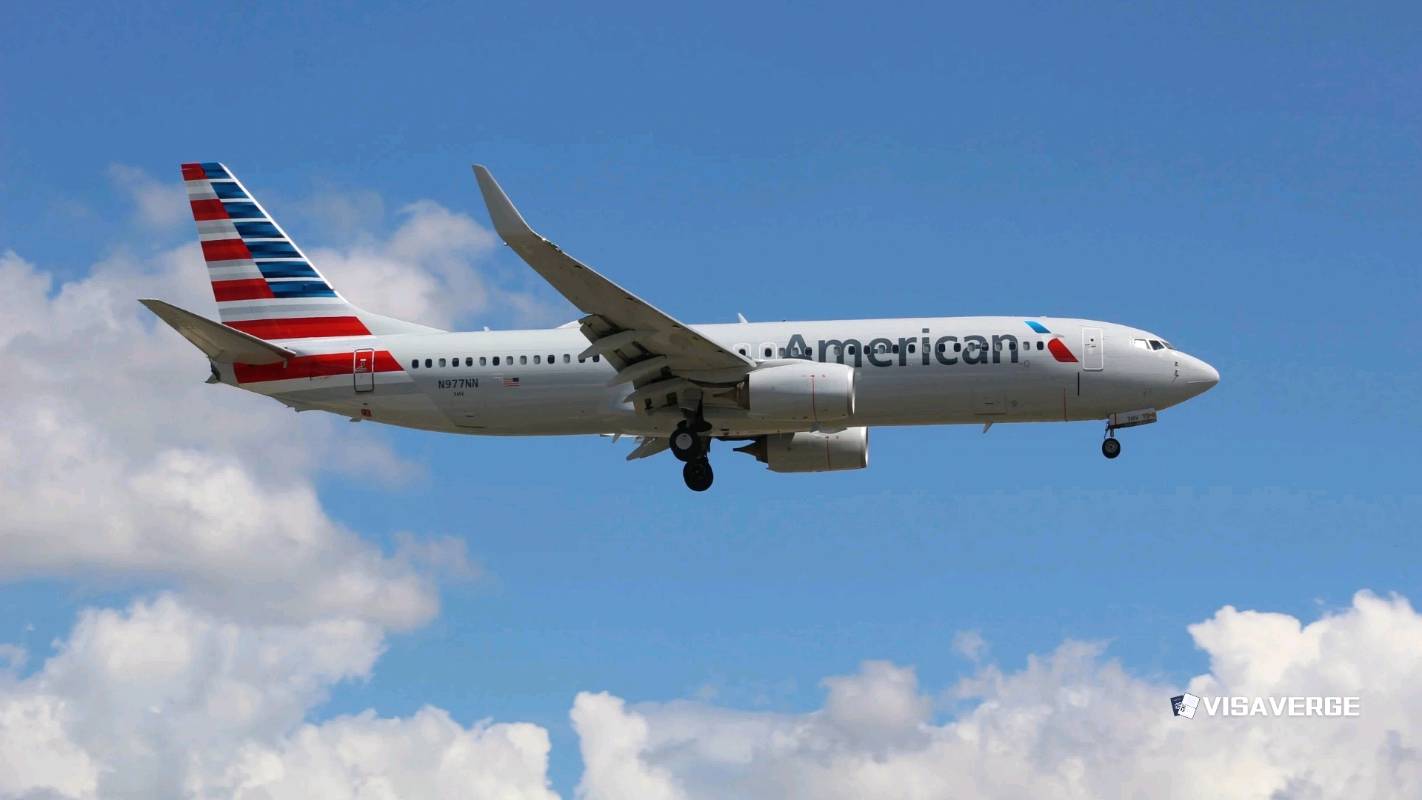
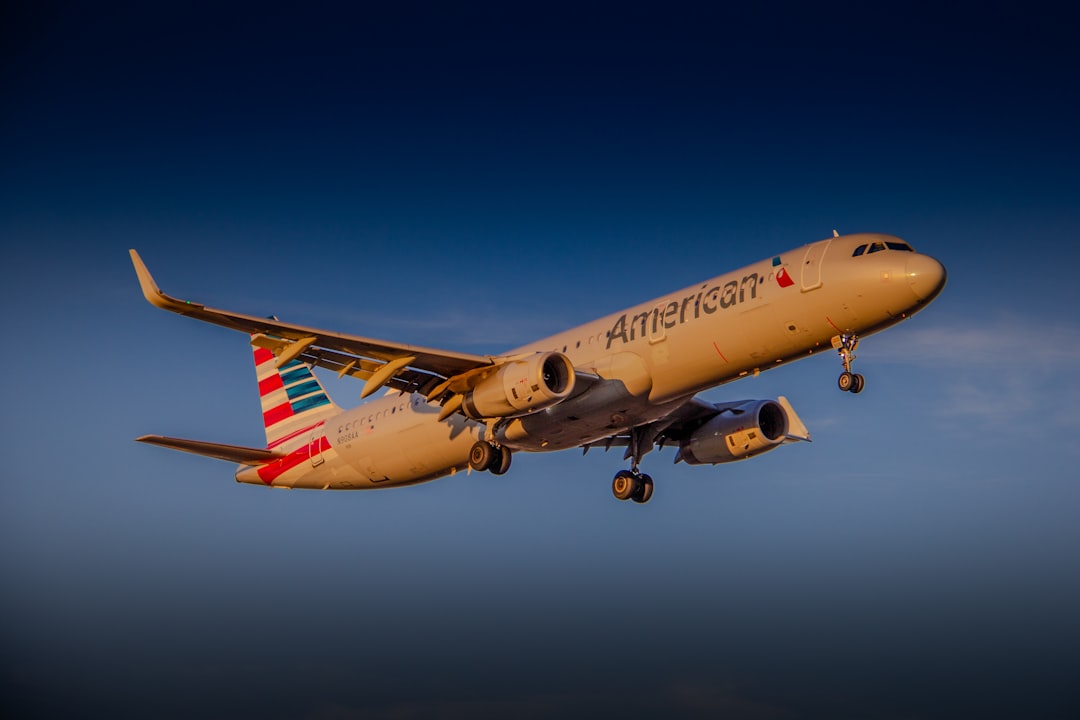
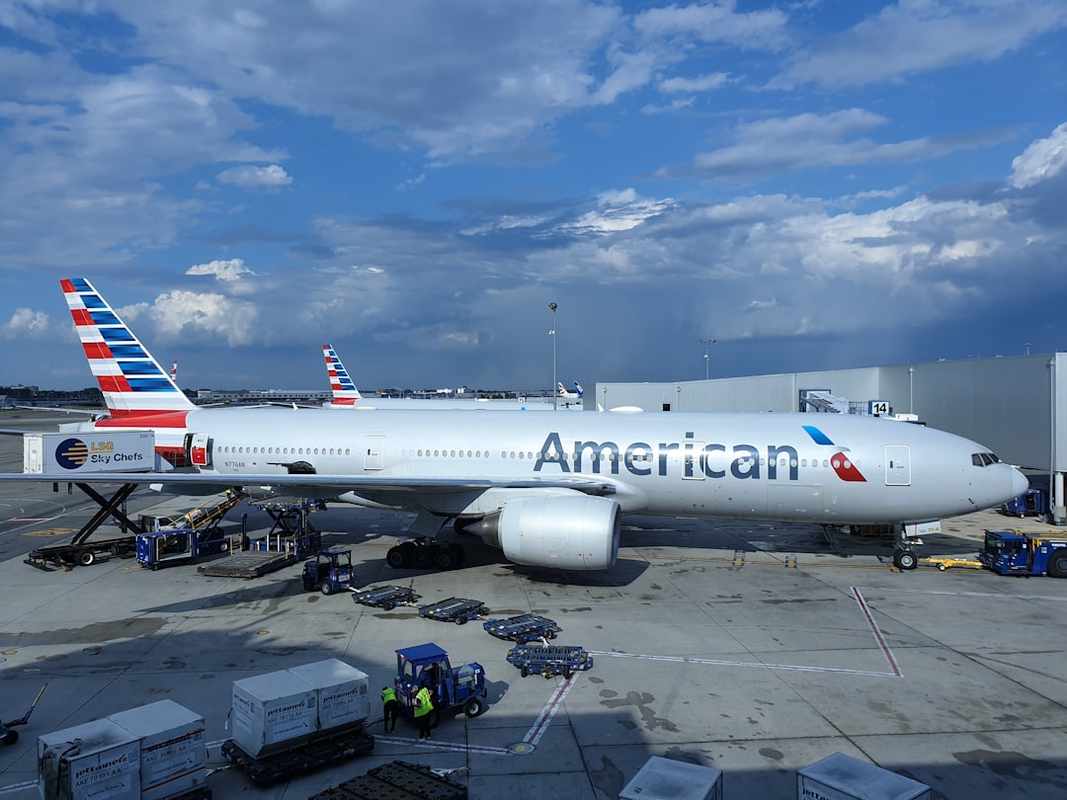
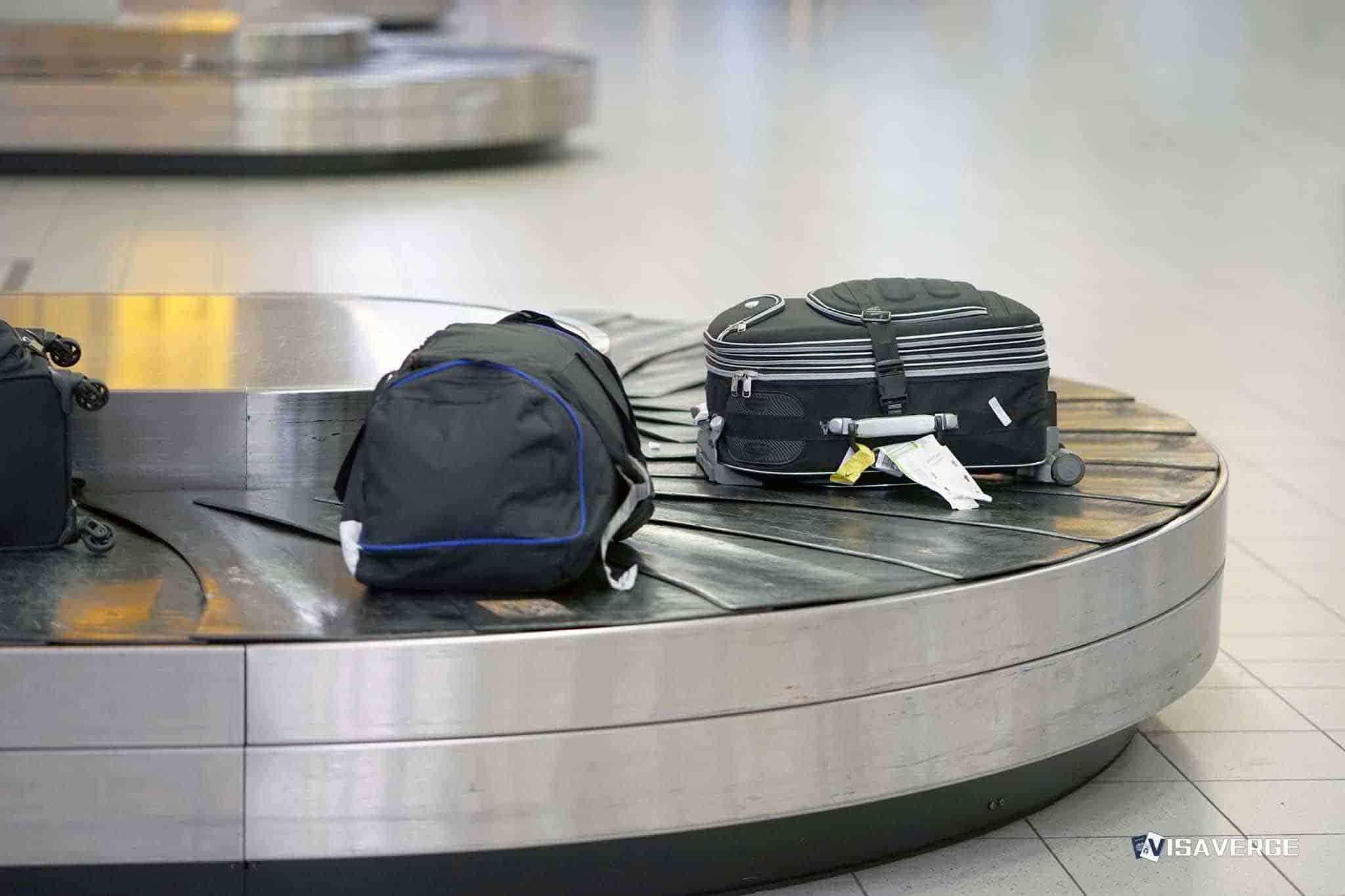
American Airlines has removed metal bag sizers from all boarding gates across its network, a systemwide change that took effect on October 6, 2025. The airline says the move is designed to make boarding faster and less stressful at the point where tensions often spike: the jet bridge.
The size rules have not changed, but the way they’re enforced at boarding gates has. Agents will now rely on visual checks and judgment, stopping only bags that are clearly too big. United Airlines made a similar change in 2024, signaling a wider industry shift toward smoother gate operations.
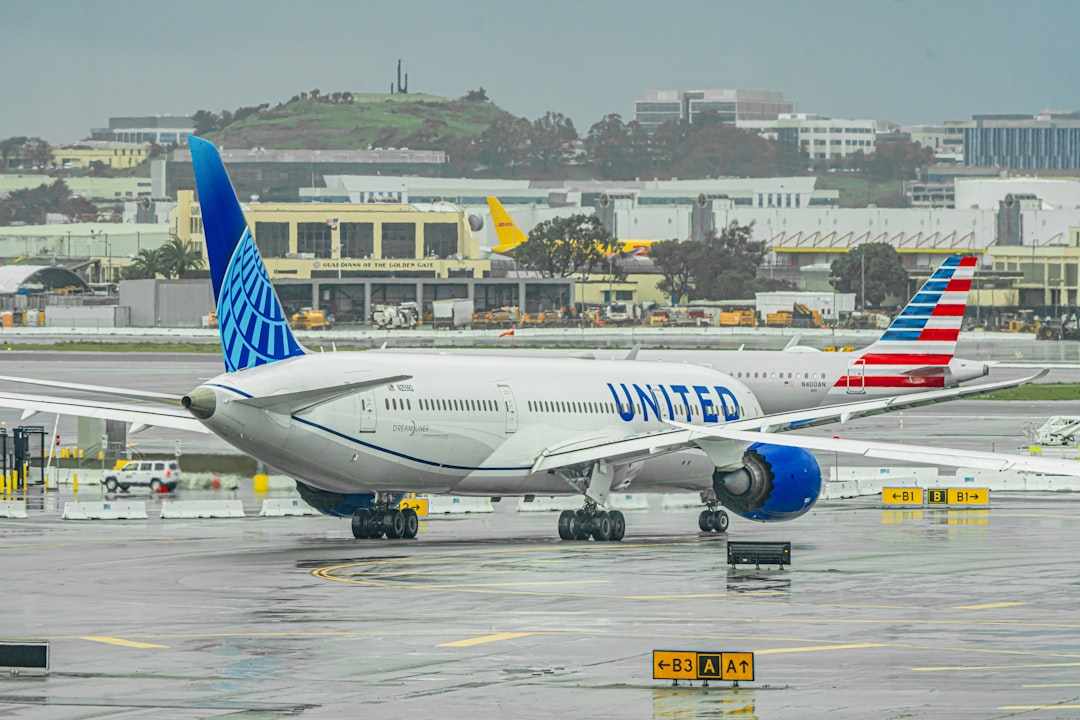
What hasn’t changed (and what has)
- Carry-on size remains: 22 x 14 x 9 inches (including handles and wheels).
- Gate bag sizers removed: Bag sizers at boarding gates are gone, but they remain at check-in counters and in airport lobbies for voluntary pre-security measurement.
- Enforcement method changed: Agents will use visual inspection rather than mandatory metal-frame checks at the door.
- Oversized bags still handled: If a gate agent determines a bag is too large, it must still be gate-checked and fees may apply, especially on Basic Economy tickets.
- Responsibility shift: Passengers are expected to self-check their luggage before reaching the gate.
The airline’s message: this is about efficiency, not loosening the rules. The goal is fewer confrontations and faster boarding without changing baggage size standards.
Recent boarding changes that relate
On May 1, 2025, American Airlines:
– Added five minutes to scheduled boarding times, and
– Refined boarding group structures to improve flow and overhead bin management.
That added buffer, paired with visual checks instead of mandatory sizer use at boarding gates, is intended to move lines more smoothly while keeping carry-on rules intact.
Why this matters for international and mixed-status travelers
For global travelers—students arriving on F-1 visas, professionals on H-1B, family visitors, and asylum seekers making domestic connections after arrival—the change can reduce last-minute delays after U.S. Customs and Border Protection (CBP) processing.
- Fewer gate delays caused by last-minute bag measuring can preserve tight connections.
- At busy hubs where overhead bin space fills quickly, a calmer flow at the gate helps connections stay intact.
- Families, elderly passengers, or travelers with medical devices may avoid the awkward lifting-and-fitting at metal frames.
VisaVerge.com’s analysis suggests easing gate friction can reduce disputes, shorten queues, and improve on-time performance without changing the underlying baggage rules.
Practical travel advice
- Measure and weigh at home
- Ensure your carry-on is within 22 x 14 x 9 inches (including handles and wheels).
- Keep weight reasonable so you can lift the bag into the overhead bin.
- Use lobby sizers if unsure
- Bag sizers remain at check-in and in airport lobbies. Confirm fit before security to avoid surprises at the gate.
- Pack smart
- Keep medication, passports, I-20s, work documents, and valuables in your personal item that fits under the seat.
- Expect visual checks
- Gate agents will act if a bag looks too big. Be prepared to gate-check and possibly pay a fee (especially on Basic Economy).
- Know TSA rules
- TSA focuses on security screening, not size. For item-specific guidance, see the official TSA page: TSA’s official guidance.
Enforcement and fairness concerns
- Without metal frames at the door, enforcement relies on agent training, consistency, and clear guidance.
- Travelers may worry about subjectivity; American says the visual approach targets only obvious violations.
- The underlying rule remains: if your bag is too big, it goes below—and fees may apply.
Important: Nothing in federal law requires a national carry-on size. Airlines set their own policies; TSA enforces security screening rules, not size limits.
Benefits and limitations
Benefits:
– Faster, calmer boarding lines
– Fewer last-minute confrontations at the jet bridge
– Potential for improved on-time pushbacks and better overhead bin management
Limitations:
– This won’t solve all delays caused by long security lines, late arrivals, or sold-out flights.
– Success depends on strong communication at check-in/lobby areas and consistent application by staff.
Who should pay special attention
- International students and workers carrying essential documents and electronics
- Mixed-status families and refugees reconnecting with relatives after arrival
- Travelers with medical devices or mobility challenges
- Anyone on Basic Economy who wants to avoid unexpected gate-check fees
Final takeaway
American Airlines’ removal of metal bag sizers at boarding gates aims to streamline boarding by encouraging self-checking earlier in the airport process while preserving the 22 x 14 x 9 inches rule. Travelers should measure bags at home, use lobby sizers if unsure, pack essentials in a personal item, and be prepared for visual inspections at the gate. The move aligns with a broader industry trend to reduce gate friction and improve passenger flow—but rules and fees still apply if your bag is too large.
This Article in a Nutshell
On October 6, 2025, American Airlines removed metal bag sizers from boarding gates across its network to streamline boarding and reduce confrontations at jet bridges. The carry-on size limit remains 22 x 14 x 9 inches (including handles and wheels); enforcement now relies on gate agents’ visual inspections, while sizers remain at check-in counters and airport lobbies for voluntary measurement. Oversized bags will still be gate-checked and may incur fees, particularly for Basic Economy passengers. The change is intended to protect on-time performance and ease passenger flow, benefiting international travelers, students, and those with tight connections, but it increases the importance of measuring luggage before arriving at the gate.