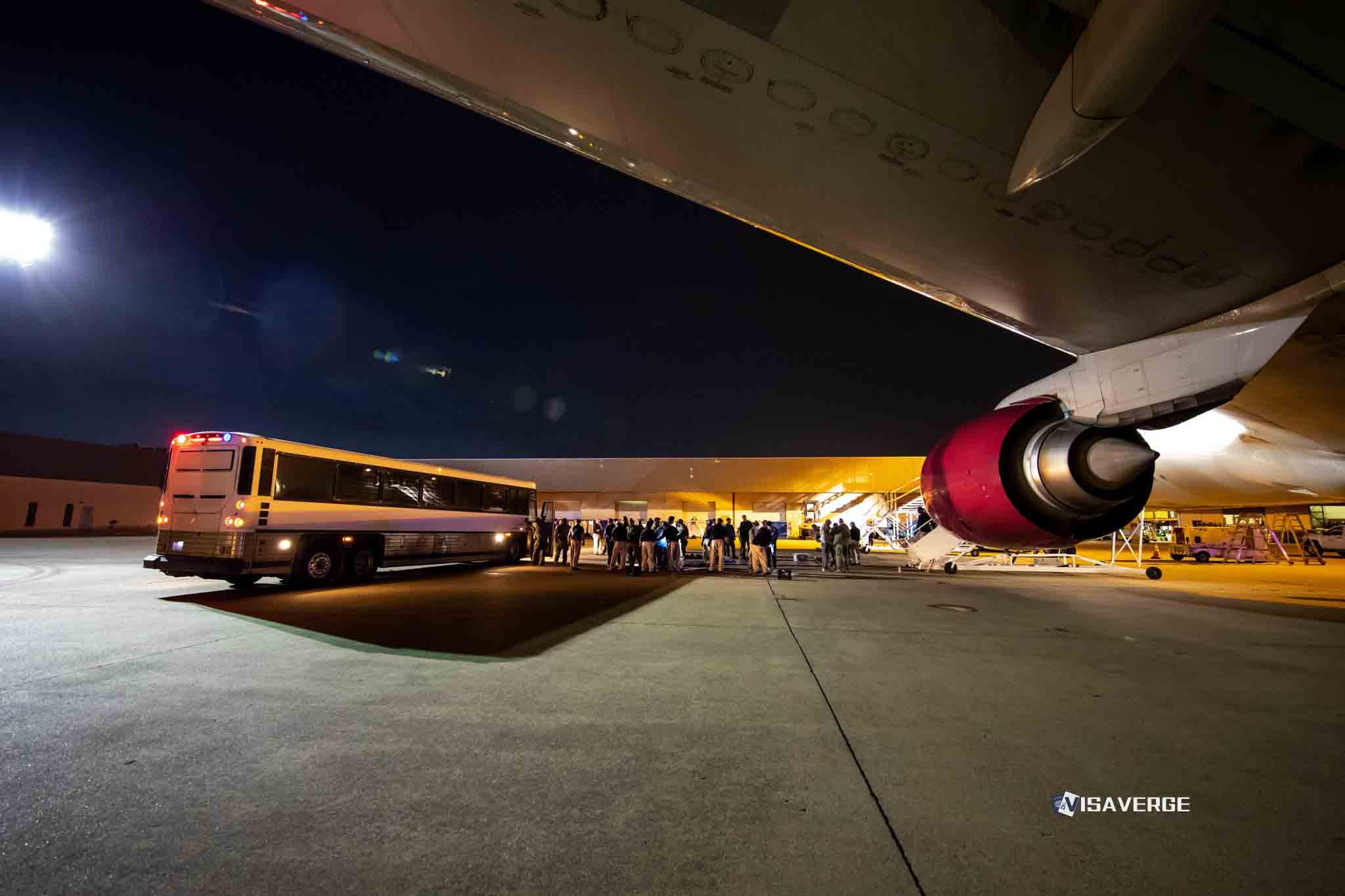
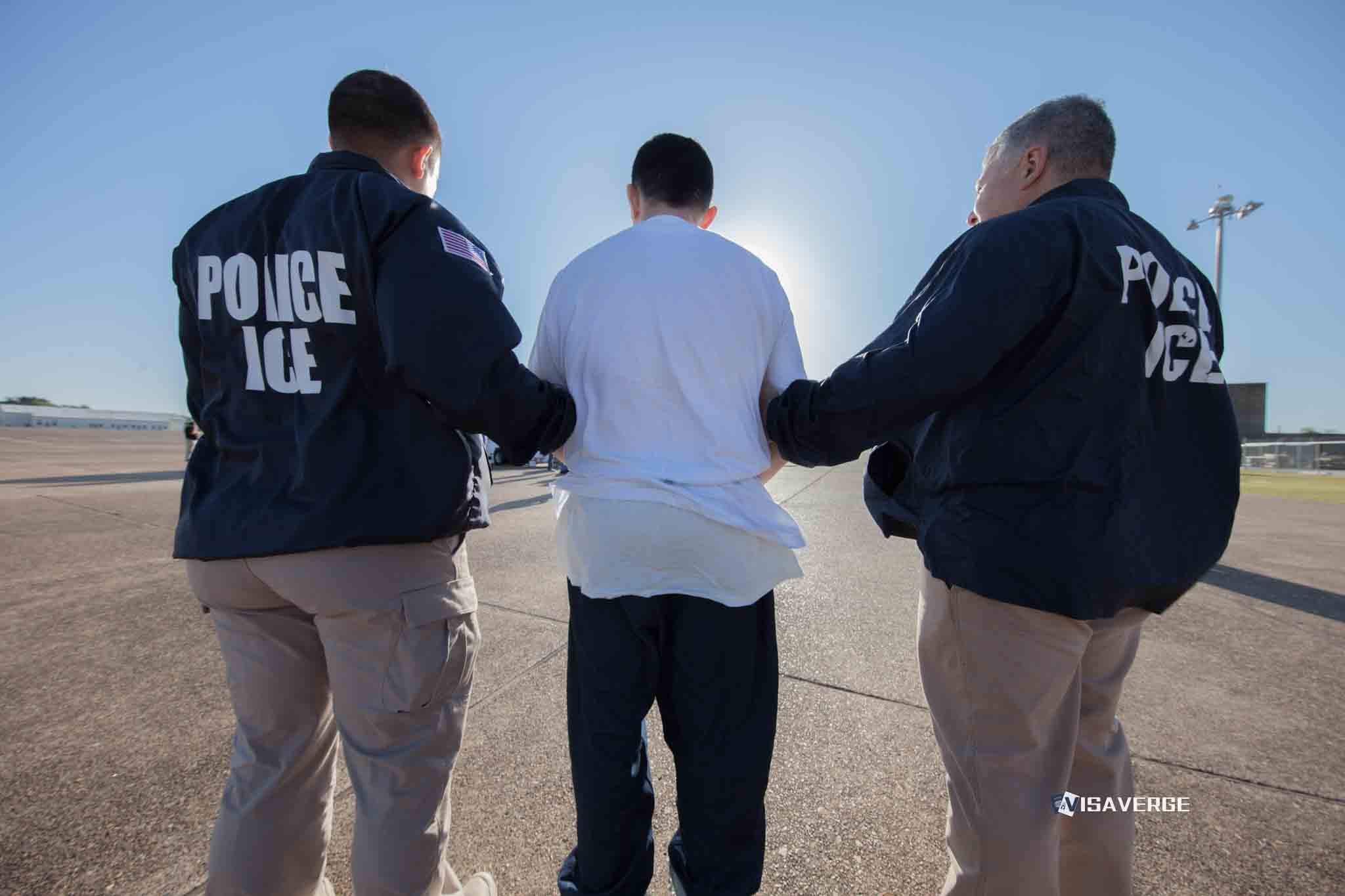
- Three Somali men from Minnesota were deported around September twenty-fifth after about a month at Guantánamo Bay.
- Their reported route included detention sites in Minnesota, Kentucky, Louisiana, Cuba and Kenya before removal to Africa.
- Officials cited criminal histories, while attorneys and family members disputed the claims in some cases; reports gave differing group totals.
Three Somali men from Minnesota were deported to Somalia around September 25, 2026, after roughly a month in detention at Guantánamo Bay. Their removal followed transfers through several detention sites and a route that changed after they were told a stop would be for refueling.
The men were identified as Adam Mohamed Abdullah, 31, of St. Paul; Hassan Abdi Abtidoon, 31; and Abdullahi Jamal Abdi, 42. Other public accounts left the third man’s identity unconfirmed.

Accounts also differed on how many men were removed. Some described a group of eight, while another account put the total at nine. Separate estimates said at least eight had been held at the base and as many as 12 had passed through in recent weeks.
The men were described as asylum seekers or immigrants with work authorization. Two detainees said they had active asylum cases and work permits; one had a Social Security number. Abdullah also had a work permit and Social Security number, and was reported to have no criminal record.
A timeline of Abdullah’s detention offers a closer view of the transfers. He was arrested in St. Paul on December 12, 2025, during “Operation Metro Surge.” He then moved through detention facilities in Minnesota, Kentucky and Louisiana before the transfer to Cuba.
A promised refueling stop became weeks in custody
The men had initially been told they were being deported with a refueling stop. Instead, they were held at Camp 6 at the U.S. naval base in Cuba before being flown onward to Africa. One account said “the stop in Cuba was not for refueling.”
Abdullah said ICE told him on August 12 that his deportation had been reported to the Somali embassy. By September 9, he had been held at the base for “about two weeks.” A September 15 account placed three men from the state among eight detainees.
On September 24, immigration attorney Marc Prokosch learned that the men were being flown from the base to Kenya. The next day, authorities deported a group of eight men who had been held there “for about a month.” A follow-up published October 2 identified three men from the state among those sent to the destination country.
The accounts describe a journey through detention facilities in Minnesota, Kentucky and Louisiana, followed by Cuba and Kenya. The group was ultimately flown to Africa. Abdullah’s earlier detention had begun months before the transfer.
DHS defended the flight with allegations about criminal records
A Department of Homeland Security spokesperson defended the use of the base, saying people who enter the country illegally could be sent there or to another country. The department also described the deportees as having serious criminal histories.
“some of the worst of the worst with criminal histories including aggravated assaults, weapons offenses, robbery, multiple larcenies, police obstruction, possession of burglary tools, receiving stolen property, trespassing, unauthorized use of a vehicle, multiple drug charges and DUIs.”
Attorneys and family members disputed that characterization in at least some cases. Prokosch, who represented some of the men, called the use of the base a “political scare tactic.” He also said the transfer appeared legally justified because the men had deportation orders.
Sen. Tina Smith challenged the administration’s account of Abdullah’s case. She said the administration claimed it sent “the worst of the worst” to the base, then said there was no evidence presented about what Abdullah had done and no explanation for his detention.
The reports describe the removals as carrying out existing final orders, rather than following new criminal convictions. The detention and removal process has not been tied in the material to a published court decision specific to these men.
Removal orders against Somali immigrants have risen
The deportations took place amid intensified immigration enforcement against Somali residents in Minnesota, including the operation under which Abdullah was arrested. A separate report said more than 500 Somali immigrants from the state received removal orders this year, while more than 1,000 Somali asylum-seekers had been ordered deported since February.
Those figures place the three men’s case within a broader pattern of orders, while the reported flight details show how authorities moved detainees across multiple sites before removal. Prokosch said the men’s existing orders provided a legal basis for the transfer, even as he criticized the decision to use the base.
This article provides general information and is not legal advice. Consult a qualified immigration attorney about your specific case.