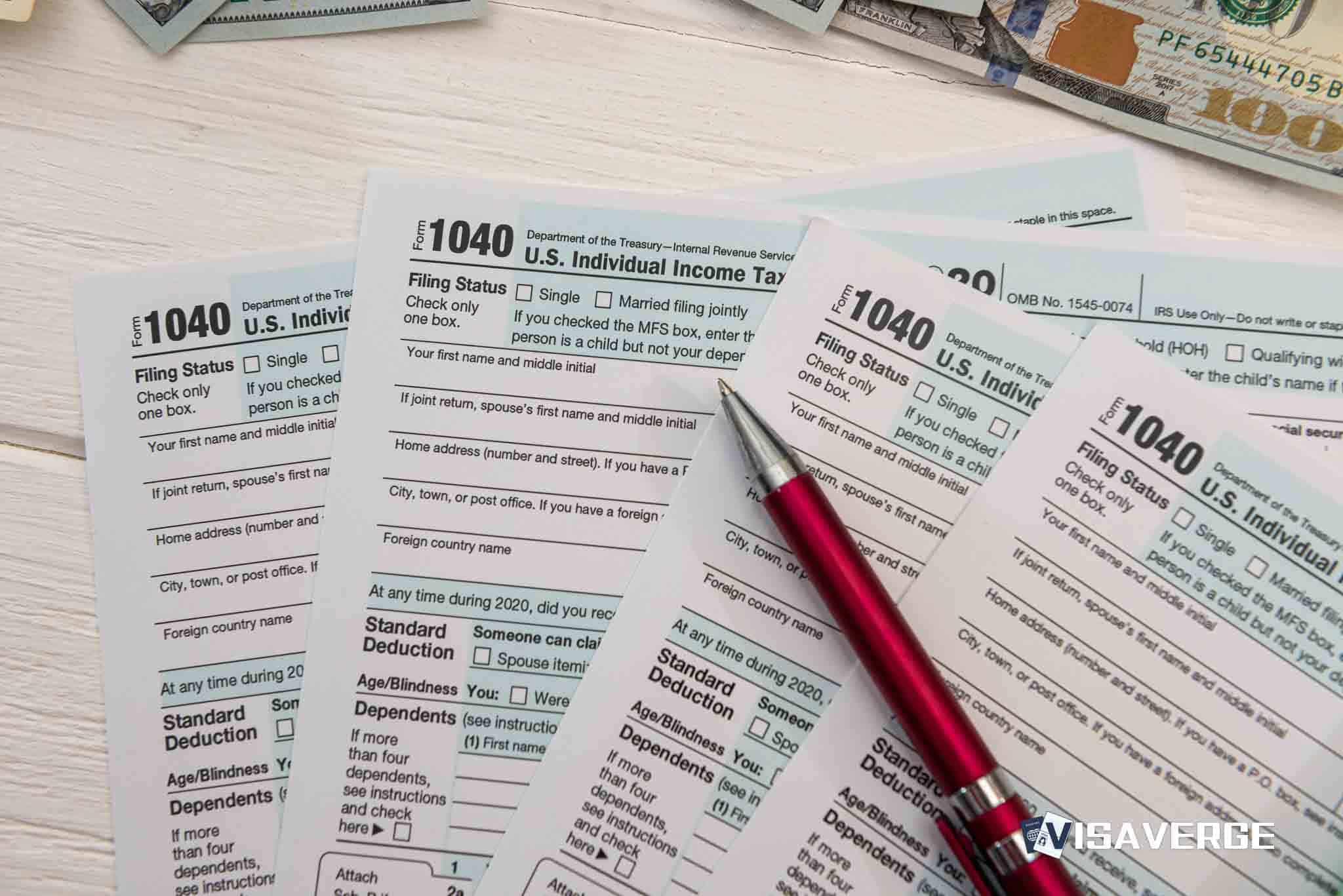
- Indian F-1 students can claim the standard deduction via Article 21(2) of the U.S.-India tax treaty.
- The 2025 standard deduction reaches $15,000 for single filers, significantly reducing taxable OPT or CPT income.
- Students must file Form 1040-NR and include Form 8843 to maintain nonresident status and eligibility.
Indian F-1 students in the United States can claim the standard deduction on a federal return through Article 21(2) of the U.S.-India tax treaty. That rule lets qualifying students use resident-style deductions even while filing as nonresident aliens on Form 1040-NR.
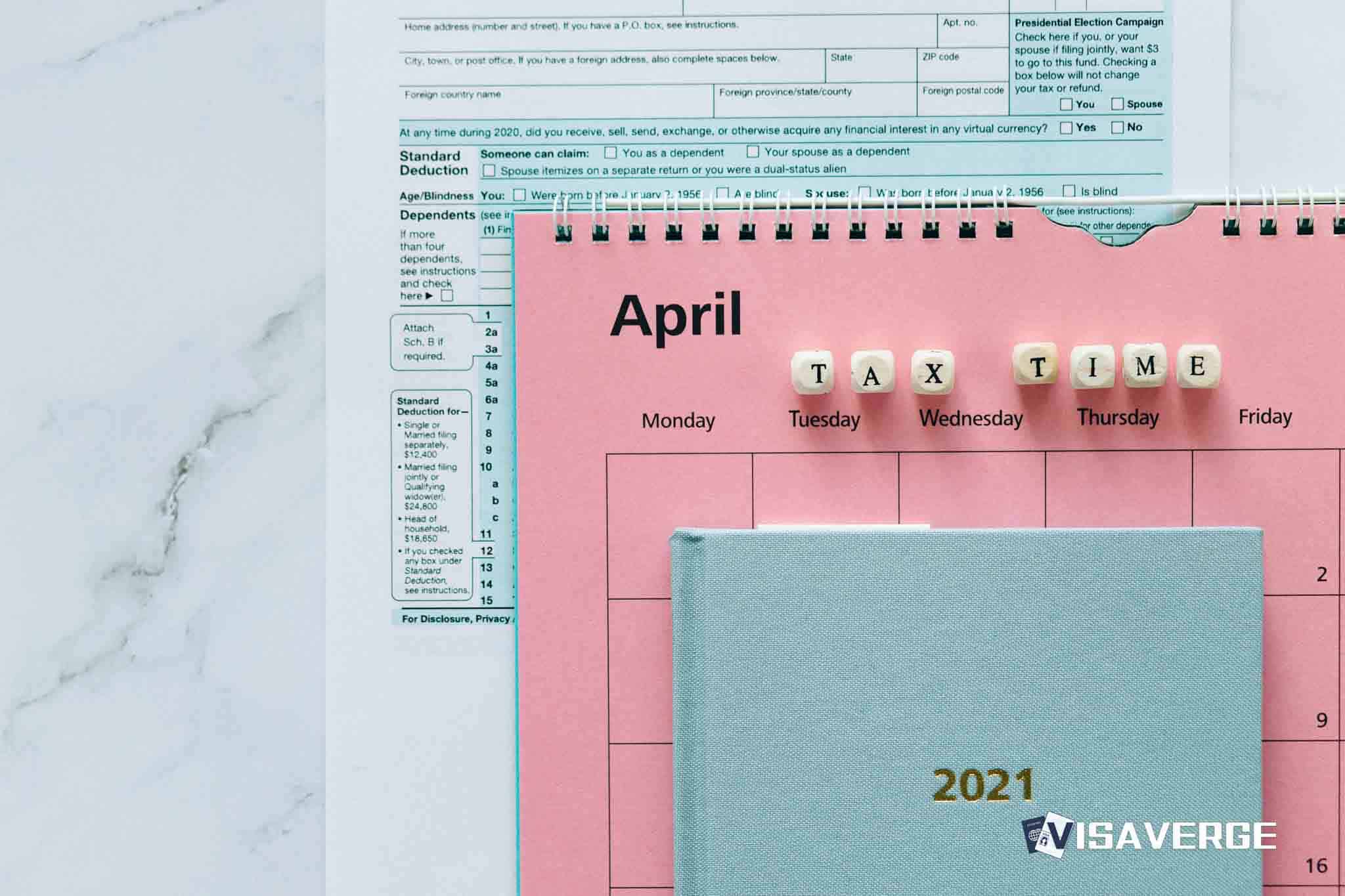
For many students, that cuts taxable income sharply. For tax year 2025, the standard deduction for single filers is $15,000. For students earning wages from on-campus work, CPT, or OPT, that change keeps more money in hand and reduces the tax bill. According to analysis by VisaVerge.com, the treaty remains one of the most important tax breaks for Indian students in the U.S.
Treaty protection that changes the filing math
The U.S.-India income tax treaty exists to stop the same income from being taxed twice. For Indian students, the key language sits in Article 21. Paragraph 1 covers money paid from outside the United States for maintenance, education, or training. Paragraph 2 goes further. It allows Indian students to claim deductions the same way a U.S. resident would.
Free toolOPT Timeline Calculator OnlineThat matters because nonresident aliens normally cannot claim the standard deduction. Indian F-1 students are the exception. IRS guidance in Publication 519 and Publication 4011 confirms that India is the only country whose international students may use the standard deduction in this way. The rule applies to federal taxes. States do not have to follow it.
How the standard deduction changes tax results
The standard deduction is a flat amount subtracted from taxable income. It replaces itemizing expenses. For 2025, the amounts are:
- $15,000 for Single or Married Filing Separately
- $30,000 for Married Filing Jointly or a Qualifying Surviving Spouse
For an Indian student with $30,000 in OPT income, the treaty deduction can reduce taxable income to $15,000. That cuts the amount subject to federal tax by half. The savings are real for students paying rent, tuition costs, and travel expenses at the same time.
The IRS adjusts the deduction each year for inflation. A 2026 estimate for a single filer is about $16,000. Students should check the year’s amount before filing.
The eligibility test starts before the tax form
Not every Indian F-1 holder qualifies. The treaty benefit depends on a few fixed rules.
You must be an Indian citizen or resident immediately before entering the United States. You must be in the U.S. temporarily for education or training. F-1 status, including CPT and OPT, fits that rule when the student remains primarily in study status. You also must file as a nonresident alien when the treaty claim is made.
That usually means the first five calendar years in the U.S. under the Substantial Presence Test rules. F-1 students are generally exempt from that test during those years if they file Form 8843. After five years, some students still qualify if they remain primarily students. Prior U.S. residency, such as an H-1B to F-1 switch, can change the result.
Students with scholarships can still use the treaty. Tax-free tuition payments do not block the deduction. Room and board stipends may still count as taxable income.
Filing on Form 1040-NR follows a fixed sequence
The filing path is more orderly than many students expect. The first step is status review. The second is document gathering. The third is the return itself.
- Confirm nonresident status and complete Form 8843 if required.
- Gather your passport, I-20, W-2, 1099, and Social Security number or ITIN.
- File Form 1040-NR and claim the treaty benefit on Schedule OI, Item L.
- Attach a statement showing Indian residency, student status, and treaty use.
- Keep proof of eligibility with your tax records.
The return should show “India, Article 21(2)” where the treaty disclosure belongs. The deduction line should reflect the standard deduction amount you are allowed to claim. Many students also file Form 8833 to disclose the treaty position more clearly.
The IRS page for Form 1040-NR explains who must file and where to send the return. That page is the best starting point for anyone preparing a nonresident return.
Deadlines and paperwork still matter
For income earned in 2025, the filing deadline is April 15, 2026. A stand-alone Form 8843 has a later deadline of June 15. Missing the return deadline can lead to penalties and headaches later, especially if the student later applies for another immigration benefit.
Keep every record tied to the claim. That includes the F-1 visa, I-20, proof of Indian address before U.S. entry, wage records, scholarship letters, and a copy of the treaty statement. Those papers support the filing if the IRS asks for proof.
Students also need to remember that state tax rules are different. California, New York, Illinois, and other states do not automatically give the treaty deduction. A student can be fully correct on the federal return and still owe state tax.
Common errors still trip up many students
The biggest mistake is using Form 1040 instead of Form 1040-NR. That can create a filing mismatch. Another common error is skipping Form 8843. Even students with no income often need it.
Some students try to claim both itemized deductions and the standard deduction. That is not allowed. Others assume the benefit ends automatically after five years, when the student may still qualify as primarily a student. Another problem is using consumer tax software that does not handle nonresident treaty claims well.
A few students also forget that scholarship income and OPT wages can create different tax treatment. The filing has to reflect both.
Why the treaty matters beyond the tax bill
The treaty relief helps students keep more of what they earn during a time of high costs. It can mean rent money, textbook money, or a flight home. For students on OPT, the lower tax burden also raises take-home pay at the exact moment they are trying to build savings after graduation.
Universities often offer tax workshops through international offices. Those sessions help, but the student still has to file the return correctly. The deduction is real only when it appears on the right form and under the right treaty reference.
For students who want a broader official explanation of filing obligations, the IRS Nonresident Alien Tax Information page is the clearest federal resource. It helps students separate federal rules from state rules and from immigration status concerns.
Indian F-1 students should treat the treaty benefit as a yearly filing question, not a one-time assumption. Article 21(2), the standard deduction, and Form 1040-NR work together only when the student meets the residency test, keeps records, and files on time.