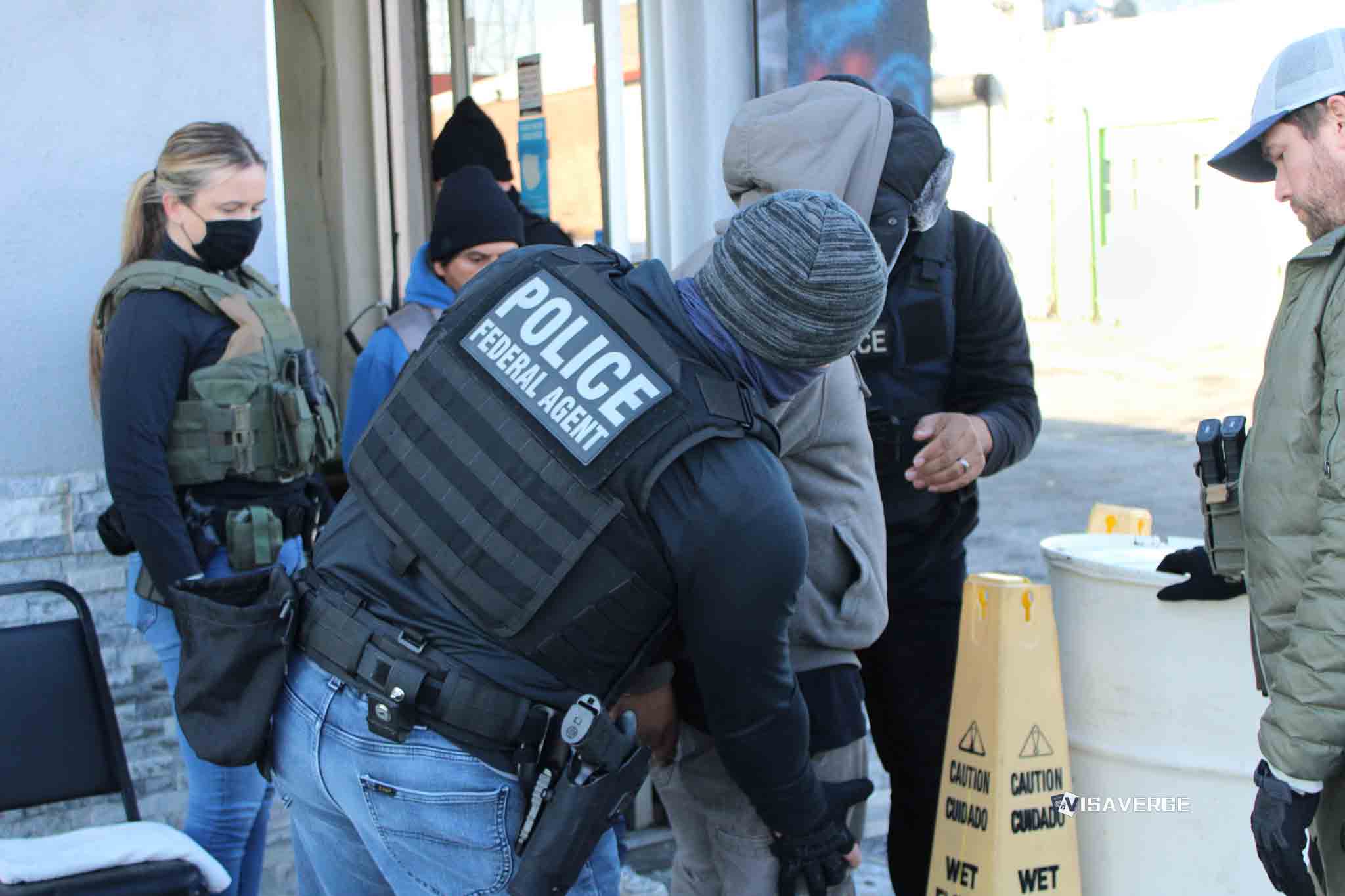
- Federal agents arrested a Chinese national at JFK Airport for allegedly photographing sensitive military aircraft in Nebraska.
- The suspect targeted the Boeing E-4B Doomsday plane and RC-135 reconnaissance aircraft at Offutt Air Force Base.
- Liang is being held as a considerable flight risk amid an ongoing investigation into a named co-conspirator.
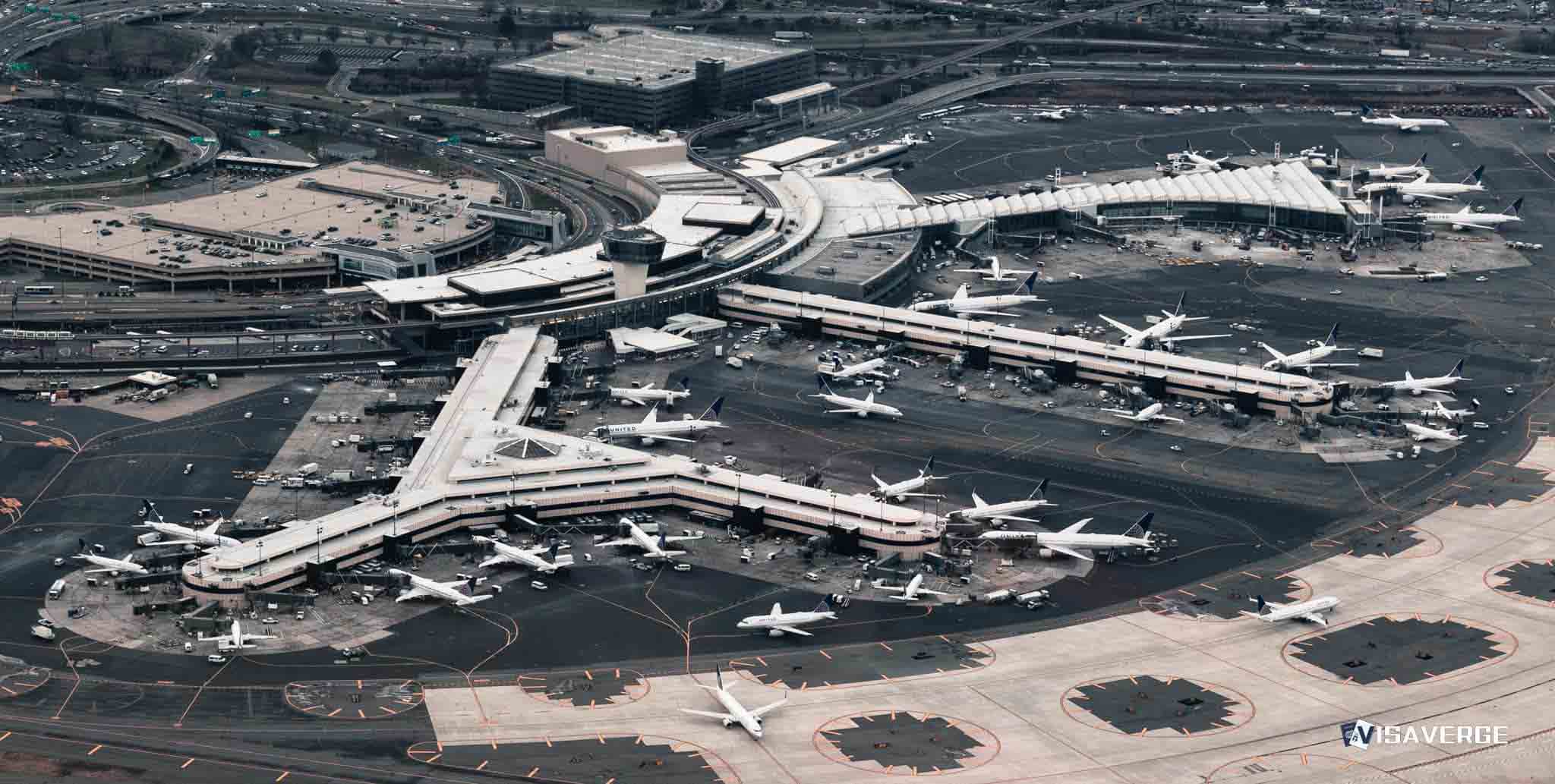
(NEBRASKA) — Federal authorities arrested Tianrui Liang on April 7, 2026, at John F. Kennedy International Airport in New York as he tried to board a flight to Glasgow via Frankfurt after investigators said he photographed sensitive aircraft at Offutt Air Force Base without permission.
Liang, 21, is a Chinese national and an aeronautical engineering student at the University of Glasgow. Prosecutors charged him under 18 U.S.C. § 795, a federal law that bars the photographing, sketching, or mapping of “vital” military installations or equipment without approval.
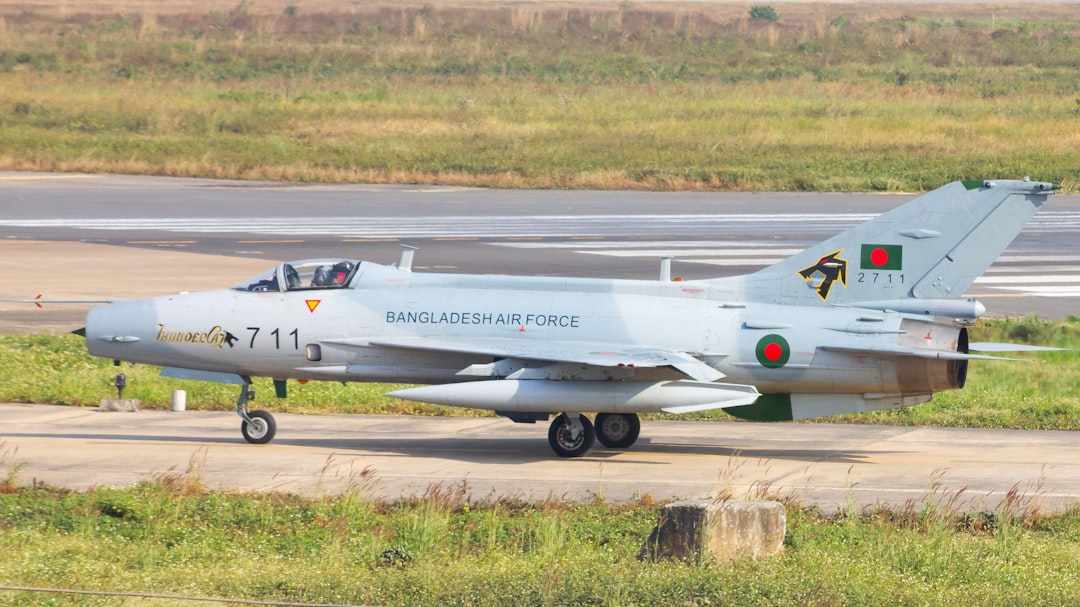
The FBI arrest came after agents alleged Liang took images of a Boeing RC-135 and a Boeing E-4B at the Nebraska base, according to affidavits filed in federal court. The E-4B is known as the “Doomsday plane” because it serves as a survivable mobile command post for the president and senior military leaders during national emergencies.
On April 19, 2026, the U.S. Attorney’s Office in Nebraska said it “cannot comment at this time.” Court filings by FBI agents, however, laid out the government’s account and the basis for detention.
FBI Special Agent Noah Heflin, who works on a counterintelligence squad, wrote in an affidavit that there was “sufficient probable cause” to believe Liang photographed the base without approval. Heflin also wrote that Liang admitted he knew the conduct was illegal but said the images were “only for his own personal collection.”
Two days after the airport arrest, a federal judge ordered Liang back into custody. In a ruling on April 9, 2026, the judge agreed with the government that Liang posed a “considerable flight risk.”
That ruling reversed an earlier release on bail. Liang had been required to surrender his passport and remain in New York or Nebraska, but those conditions were revoked after the court found the risk of departure too high.
Offutt Air Force Base sits at the center of the case. The installation serves as headquarters for U.S. Strategic Command, and it also hosts the 55th Wing, the largest unit in the Air Force’s Air Combat Command, with missions tied to global reconnaissance and treaty verification.
The aircraft named in the filings are among the best-known platforms associated with that mission. The RC-135 is a reconnaissance aircraft. The E-4B, because of its command-and-control role in a national emergency, occupies a different category of sensitivity.
Investigators signaled that the case reaches beyond a single defendant. In a later filing, FBI Special Agent Jonathan Mosseau asked the court to limit access to the full investigative report “in light of concerns regarding the ongoing investigation into a named co-conspirator.”
Mosseau’s request introduced a broader counterintelligence dimension into a case that might otherwise have resembled an unauthorized planespotting incident. The filings do not describe the co-conspirator’s role in the public excerpts cited here, but the reference itself became part of the government’s argument for keeping parts of the record restricted.
Liang was in the United States on a B1/B2 visa, the visitor category used for business and tourism. His detention unfolded as the Department of Homeland Security and the State Department increased scrutiny of foreign nationals on non-immigrant visas in early 2026.
DHS officials under Secretary Kristi Noem announced a visa-monitoring crackdown after Presidential Proclamation 10998, which restricted entry for nationals of 39 countries to “protect the security of the United States.” The case against Liang landed amid that wider enforcement climate, where criminal allegations can trigger immediate immigration consequences.
If convicted under 18 U.S.C. § 795, Liang faces possible imprisonment and deportation. He remains in federal custody.
The statute at issue is narrow but direct. It prohibits unauthorized images or other depictions of military sites or equipment that the government treats as vital, a category that takes on added weight when the location is Offutt Air Force infrastructure tied to strategic command and airborne nuclear-era continuity systems.
Liang’s arrest at JFK also shaped the court’s view of risk. Investigators said he was preparing to leave the country on a route back to Glasgow, where he studied aeronautical engineering, and that timing became central to the government’s detention push.
The case joins a set of enforcement actions that blend criminal law, military security, and immigration status. A visitor visa does not bar someone from attending an air show or watching aircraft from lawful public areas, but the charge here alleges photography of protected military assets at a restricted installation without authorization.
That distinction matters in the filings. Agents did not frame the case as casual observation from a public fence line; they framed it as illegal photography of “vital” military equipment at one of the country’s most sensitive air bases.
Federal court records cited in the case sit in the U.S. District Court for the Eastern District of New York, where the arrest and early detention proceedings took place in April 2026. Public information on the investigation also appears through the [FBI press releases archive](https://www.fbi.gov/news/press-releases), while DHS posts broader enforcement announcements in its [newsroom](https://www.dhs.gov/newsroom), and the State Department maintains visa policy material through [travel guidance and proclamations](https://travel.state.gov).
The filings leave a sparse public portrait of Liang beyond the facts prosecutors considered relevant: his age, nationality, studies at the University of Glasgow, his B1/B2 visa status, and the allegation that he photographed a Boeing RC-135 and a Boeing E-4B at Offutt without permission. What they do show in detail is how quickly a case involving military imagery can shift from an airport stop to a detention fight, and from a local charge to a matter handled through counterintelligence affidavits and federal custody.